FILE NO. 0087Case status Comparative Case File
Serial Killers: What the Evidence Actually Shows
Serial murder is not a diagnosis, a childhood checklist, a single personality type, or a universal six-stage cycle. This dossier separates the FBI definition of serial murder from popular mythology, then examines motive, psychopathy, childhood adversity, victim selection, profiling, statistics, case linkage, and the forensic systems that now make repeated homicide harder to hide.
What Is a Serial Killer?
A serial murderer is an offender who unlawfully kills two or more victims in separate events. The FBI’s 2005 Serial Murder Symposium adopted that deliberately broad definition because older requirements, such as three victims, a one-month duration, or a measurable “cooling-off” period, created arbitrary boundaries that could exclude real series.
That definition describes a pattern of behavior, not a psychiatric diagnosis. It does not require sexual motive, psychopathy, a particular IQ, childhood abuse, a specific victim type, or a highly organized crime scene. Two offenders can both meet the serial-murder definition while differing radically in motive, personality, method, age, sex, social functioning, and relationship to their victims.
The term identifies repeated homicide across separate events. It does not tell investigators why the offender killed, whether the offender had a mental disorder, or whether a single profiling model will fit the series.
Evidence Index
What This Dossier Counts as Evidence
Firm Ground
This dossier prioritizes official law-enforcement definitions, court records, government reports, peer-reviewed research, and datasets whose methods can be inspected. Case examples are used to illustrate a documented point, not to manufacture a universal offender type from a handful of famous men.
Where a behavioral model has historical influence but weak empirical support, it is presented as a model rather than a fact. Where an offender’s own account is relevant, the account is treated as self-report and compared with physical evidence, court findings, and independent documentation.
Use Caution
Popular serial-killer literature often repeats statistics without a denominator, psychobiographical claims without clinical records, and quotations that originate in offender interviews designed to impress investigators or journalists. Those claims can be memorable while still being methodologically weak.
The same caution applies to historical figures whose supposed victim totals grew through folklore, political propaganda, later confession stories, or retrospective diagnosis. A modern label should not erase the limits of the surviving record.
CAUTIONSerial Murder Is a Pattern, Not a Body-Count Club
The FBI’s 2008 monograph, based on a 2005 multidisciplinary symposium, defined serial murder as the unlawful killing of two or more victims by the same offender or offenders in separate events. That replaced older formulas that required three or more victims, a fixed period of time, or a measurable cooling-off interval. The point was practical: investigators needed a definition that recognized recurring homicide without forcing every case into arbitrary numerical and temporal boxes.
The word separate matters. Serial murder is distinguished from a single mass-killing event because the homicidal events are discrete, even if the gap between them is short. The offender may return to ordinary life between events, but that return is not a diagnostic requirement and the emotional state between killings cannot usually be measured from case files with the precision implied by the phrase “cooling off.”
| Category | Core Feature | Important Limit |
|---|---|---|
| Serial murder | Two or more unlawful killings by the same offender or offenders in separate events. | The definition does not specify motive, diagnosis, victim type, or a mandatory cooling-off period. |
| Mass murder | Multiple victims killed in one event or continuous episode. | Definitions vary by agency and research context, especially on minimum victim counts. |
| Spree murder | Historically described as multiple killings in different places over a relatively short period. | The FBI symposium found the category too ambiguous to be especially useful and favored focusing on event structure instead. |
This also means the public image of the serial killer as a stranger who stalks victims for decades is only one subset. Repeated killings can occur in homes, hospitals, care facilities, workplaces, transport corridors, intimate relationships, and criminal networks. The defining feature is repetition across separate homicidal events, not a cinematic method.
“Serial Killer” Is Not a Mental-Health Diagnosis
There is no DSM or ICD diagnosis called “serial killer.” Serial murder is a behavioral and investigative category. An offender can meet criteria for a personality disorder, psychotic disorder, substance-use disorder, paraphilic disorder, intellectual disability, or no clearly established major mental disorder and still independently meet the behavioral definition of serial murder.
That distinction prevents a common analytical error: using a criminal label as though it explains itself. Saying an offender killed repeatedly because he “was a serial killer” is circular. A serious analysis asks about motive, access, opportunity, fantasy, grievance, reinforcement, social context, choice, and any documented psychiatric condition without assuming one mechanism applies to every offender.
The legal question of insanity is narrower still. A defendant can have a serious mental disorder and remain criminally responsible under the governing legal test. Conversely, a finding of legal insanity does not establish a general rule about serial murder; it establishes how one defendant’s mental state met a jurisdiction’s legal standard at the relevant time.
What Makes a Serial Killer?
The strongest answer is also the least sensational: there is no single known pathway. The FBI’s serial-murder symposium concluded that development reflects a complex interaction of biological, social, psychological, and environmental factors combined with individual decisions. Different combinations can produce similar outward behavior, while people who share one or more risk factors overwhelmingly do not become serial murderers.
This is why “born versus made” is the wrong question. Genes and neurodevelopment can shape temperament, impulse regulation, reward sensitivity, and vulnerability to disorders; family and social environments can shape attachment, coping, opportunity, learning, and exposure to violence. Neither side of that interaction produces a deterministic recipe that can identify future serial murderers in childhood.
Risk Is Not Destiny
Childhood maltreatment, neglect, unstable attachment, conduct problems, substance misuse, head injury, social isolation, and violent fantasy can matter in an individual’s developmental history. Their presence does not create a reliable serial-murder prediction model because these experiences are far more common than serial homicide.
Choice Still Matters
Explanatory factors should not be turned into excuses or inevitabilities. The FBI monograph explicitly emphasized personal decision-making alongside biological and environmental influences, a useful corrective to narratives that treat offenders as passive products of trauma or defective brains.
EDITORIAL RULEChildhood Trauma Can Matter Without Becoming a Prophecy
Biographies of violent offenders often foreground childhood abuse because it offers a seemingly coherent origin story. Some serial murderers did experience severe neglect, humiliation, violence, instability, or sexual abuse, and those experiences may be clinically important in understanding that person’s development. The mistake is to reverse the logic and imply that abuse naturally progresses toward homicide.
Most people who survive childhood trauma do not become violent offenders, much less serial murderers. Trauma can increase risk for a wide range of outcomes including depression, anxiety, substance misuse, self-harm, relationship difficulty, and revictimization. A tiny and highly selected group of notorious offenders cannot be used to infer what trauma “usually” produces.
Retrospective biographies also have a selection problem. Once someone becomes infamous, every childhood event is reinterpreted as a clue, while contradictory evidence is often ignored. A sound dossier separates a documented developmental history from the seductive claim that investigators could have looked at the same child decades earlier and forecast serial murder.
The Macdonald Triad Is Not a Serial-Killer Test
The so-called Macdonald triad links persistent enuresis, fire-setting, and cruelty to animals with later violent behavior. It became one of true crime’s most durable checklists, partly because three vivid childhood behaviors are easy to remember and easy to retrofit into biographies. Later reviews, however, found little support for the idea that the three behaviors function together as a reliable predictive syndrome.
A critical review of the literature concluded that individual elements can correlate with later violence or troubled development, but the full triad appears rarely and lacks the predictive validity often claimed for it. Bed-wetting in particular can have medical, developmental, stress-related, or trauma-related explanations and should not be treated as evidence of emerging predation.
Animal cruelty deserves attention for a different reason. Repeated deliberate cruelty can signal serious conduct problems, exposure to violence, poor impulse control, or other distress and warrants intervention. Calling animals “practice victims” goes further than the evidence allows, because it assigns a future homicidal purpose to behavior that can arise through several pathways and is not specific to serial murder.
The triad is a history-of-criminology concept, not a predictive checklist. Concern about cruelty or fire-setting should trigger appropriate safeguarding and assessment because the behavior is harmful now, not because it proves a future serial killer is developing.
There Is No Known “Serial Killer Brain”
Research on aggression, psychopathy, impulse control, trauma, and antisocial behavior has identified associations involving brain networks that regulate emotion, reward, fear learning, decision-making, and inhibition. Those findings are scientifically important, but they do not provide a scan-based diagnosis of serial murder. Brain differences observed in selected violent samples cannot tell an examiner that one individual will become a serial killer.
Head injury is another area where correlation is routinely overstated. Traumatic brain injury can alter cognition, impulse control, mood, and behavior, especially when severe or repeated. Yet head injury is common in the general population and among many offender groups, so its presence does not establish a causal chain from injury to repeated homicide.
The same caution applies to genetic claims. Heritable traits can influence temperament and vulnerability to antisocial behavior, but genes act within developmental environments rather than as homicide switches. A responsible account describes biological contributors as part of a multilevel risk system and avoids old percentages whose sampling methods cannot support the precision they appear to promise.
Psychopathy, ASPD, Psychosis and Insanity Are Different Concepts
Psychopathy is a clinical-forensic construct involving a constellation of interpersonal, affective, and behavioral traits, often assessed with structured instruments in appropriate settings. Antisocial personality disorder is a formal diagnosis that emphasizes a pervasive pattern of violating others’ rights and social norms. They overlap, but they are not interchangeable terms.
Psychosis refers to disruptions such as delusions or hallucinations that can impair reality testing. It is not synonymous with psychopathy, and a person with psychosis is not inherently violent. Legal insanity is a jurisdiction-specific legal determination about criminal responsibility, not a psychiatric diagnosis and not a synonym for either psychosis or psychopathy.
The FBI’s serial-murder review makes the central point directly: not all psychopaths are violent, and not all serial murderers are psychopaths. Psychopathic traits may help explain callousness, manipulation, shallow affect, or persistent rule-breaking in some offenders, but they do not by themselves explain why a person commits serial homicide.
| Term | What It Means | What It Does Not Mean |
|---|---|---|
| Psychopathy | A clinical-forensic trait construct emphasizing interpersonal, affective and behavioral features. | It is not a synonym for serial killer and does not imply homicide. |
| ASPD | A diagnosable pattern of antisocial behavior and disregard for others’ rights. | It does not establish psychopathy or serial murder. |
| Psychosis | A state or disorder involving impaired reality testing, such as delusions or hallucinations. | It is not equivalent to dangerousness, psychopathy, or legal insanity. |
| Legal insanity | A legal standard concerning criminal responsibility under a jurisdiction’s rules. | It is not a general psychiatric label and is not automatically established by diagnosis. |
Why Do Serial Killers Kill?
There is no single serial-killer motive. Documented series have involved sexual gratification, sadism, domination, financial gain, grievance, ideological beliefs, delusional systems, thrill seeking, concealment of other crimes, perceived mercy, and combinations that changed over time. Some offenders themselves offer contradictory explanations, and motive may remain partly uncertain even after conviction.
Sexual homicide receives disproportionate cultural attention because it generated some of the best-known cases and influenced early profiling literature. It is nevertheless only part of serial murder. Healthcare killers, profit-motivated offenders, intimate-partner serial murderers, and offenders who repeatedly kill dependent or vulnerable people can fit the serial-murder definition without resembling the predatory stranger model at all.
Even within sexually motivated series, “sex” may be too broad to explain the behavior. Fantasy, humiliation, control, sadism, necrophilic interest, anger, and symbolic victim characteristics can interact in different ways. Investigators therefore treat motive as an inferential question supported by the totality of evidence rather than as a box assigned from a crime-scene photograph.
For a more specific evidence review of sexualized homicide terminology, see Erotophonophilia and Sexual Homicide: What the Evidence Actually Shows.
Victimology Is About Access, Vulnerability and Meaning
Victims are not responsible for becoming targets. In investigative practice, victimology examines how an offender encountered a victim, what access existed, whether a location or routine created opportunity, and whether particular victim characteristics were meaningful to the offender. The purpose is to reconstruct offender behavior and linkage, not to transform ordinary choices into “risk-taking” blame.
Some offenders select victims who fit a narrow fantasy or demographic pattern. Others exploit whoever is available within a setting they can control, such as a hospital ward, a domestic relationship, a workplace, a transport corridor, or a marginalized street economy. A victim pattern can therefore emerge from offender preference, environmental access, institutional blind spots, or several factors at once.
The Green River investigation illustrates why vulnerability and geography matter. Gary Ridgway targeted many women and girls whose disappearances were easier for systems to discount or misclassify, while disposal sites and travel patterns created geographic structure. The dedicated Green River Killer dossier examines that relationship between victim vulnerability, geography, DNA and investigative delay in more detail.
MO, Signature, Staging and Trophies Are Not the Same Thing
Modus operandi, or MO, refers to behavior used to accomplish the crime. It can include approach, restraint, weapon choice, transport, concealment, and escape. MO can change as an offender learns, encounters obstacles, gains resources, ages, or reacts to investigative pressure.
Signature is a more contested behavioral concept describing acts that appear to serve psychological needs beyond what is necessary to commit the offense. Investigators must be careful because the same act can have practical and expressive functions, and an offender need not repeat every behavior in every crime for linkage to remain possible.
Staging involves intentionally altering a scene to mislead investigators or redirect interpretation. Trophies and souvenirs are objects retained from victims or scenes, but the reasons for keeping them can vary. They may support fantasy, proof, control, nostalgia, concealment, or simple possession, and their evidentiary value comes from context rather than from a universal psychological meaning.
Dennis Rader’s long series demonstrates why communications, retained materials, fantasy, and public self-narration can become investigative evidence without representing all serial offenders. See the BTK case dossier for the documented sequence of offenses, communications, and capture.
The “Serial Killer Cycle” Is a Narrative Model, Not Diagnostic Law
The familiar sequence of aura, trolling, wooing, capture, murder, totem, and depression is associated with author Joel Norris and became widely repeated in popular accounts. It offers an intuitive story about fantasy building toward victim search, offending, souvenir behavior, and a post-crime emotional phase. That does not make it a validated universal cycle that every serial murderer follows.
Real series vary too much for a fixed stage model. Some offenders plan over long periods, some kill opportunistically, some have direct access to victims through work or relationships, and some do not show a distinct “wooing” or “totem” phase. An offender can also change tactics across a series, so forcing evidence into the cycle can create the pattern the analyst expects to see.
The model remains useful as a piece of true-crime and criminology history, especially when readers understand its limits. The separate Serial Killer Cycle article should be read as a discussion of that model rather than as a clinical test or universal law of serial homicide.
Behavioral sequence can matter in a specific case, but the evidence should generate the sequence. The sequence should not be used to force unrelated offenders into the same psychological script.
Organized vs. Disorganized: Influential, Memorable, Empirically Weak
The organized/disorganized offender distinction grew from early FBI profiling work and remains one of the most recognizable concepts in popular criminology. In simplified form, an organized scene is associated with planning, control, and concealment, while a disorganized scene is associated with spontaneity, disorder, and less effective concealment. The problem is that real crime scenes do not reliably separate into two stable offender types.
David Canter and colleagues tested the typology using serial-homicide data and found that many supposedly organized behaviors were common across cases while a distinct disorganized subtype did not emerge as predicted. The conclusion was not that scene organization is useless, but that the neat personality dichotomy exceeded the evidence supporting it.
Modern behavioral analysis is stronger when it focuses on observable decisions, sequence, victimology, geography, forensic evidence, and case linkage rather than treating “organized” as a diagnosis of the person. Our existing organized/disorganized classification explainer is best understood as the history of an influential model and should carry this empirical caution prominently.
Visionary, Mission, Hedonistic and Power/Control Are Heuristics
The Holmes and Holmes motive categories, usually summarized as visionary, mission-oriented, hedonistic, and power/control, can help readers organize broad motive themes. They are most useful as descriptive prompts: Was the offender acting within a delusional belief system? Was there an ideological or grievance claim? Was pleasure central? Was domination central?
They become misleading when treated as mutually exclusive biological species. Empirical testing has found limited support for crisp categories, and power/control behavior appears across many cases that would supposedly belong elsewhere. Offenders can also change, combine motives, rationalize after the fact, or express one motive while evidence points toward another.
A motive typology should therefore start a question, not end it. The evidentiary task is to connect statements, behavior, victim selection, scene evidence, digital records, fantasies, financial traces, and other facts to a case-specific explanation while preserving uncertainty where the record does not resolve it.
There Is No Generic Serial Killer Profile
The FBI’s serial-murder review explicitly warns against the idea of a generic template. Serial murderers vary in age, sex, race, employment, intelligence, family life, mental health, criminal history, victim relationship, geography, motive, and level of planning. A profile that sounds specific but is assembled from traits common in the general population can create confidence without meaningful discrimination.
The popular “mask of sanity” image also needs restraint. Some offenders are socially competent and can appear ordinary to neighbors or coworkers, but that does not mean they all possess a supernatural talent for mimicry. Others are visibly unstable, socially isolated, repeatedly arrested, financially chaotic, or known to be violent. Ordinary appearance is a problem for detection precisely because many dangerous people do not advertise their crimes, not because serial killers share one secret acting skill.
Ted Bundy is frequently used as the template for charm and impersonated vulnerability, which can obscure how different he was from other offenders. His documented use of false injury, authority cues, and social approach is better understood as a case-specific method. The Ted Bundy case dossier separates that evidence from the broader myth that every serial murderer is charismatic.
The “Evil Genius” Is Mostly a Media Character
Serial murderers are not uniformly brilliant, nor are they uniformly unintelligent. The FBI notes that intelligence among known serial murderers ranges from borderline levels to above average. Successful evasion can reflect victim marginalization, weak interagency communication, incomplete forensic technology, offender access, jurisdictional boundaries, or simple investigative bad luck rather than exceptional intellect.
High-status offenders can gain a different advantage: institutional trust. A physician, nurse, police impersonator, employer, caregiver, clergy member, or apparently respectable family figure may receive access and credibility that has little to do with IQ. Harold Shipman’s medical authority, for example, was operationally important because he could enter homes, treat vulnerable patients, certify deaths, and occupy a trusted professional role.
For a focused review of IQ claims and the statistical problems behind “genius killer” lists, see Serial Killer IQ: What the Data Actually Shows.
Women and Healthcare Killers Break the Stereotype
Men dominate identified serial-murder datasets, but women are not absent. Female serial offenders are especially important analytically because they expose how easily the predatory-stranger stereotype can distort detection. Some women repeatedly killed spouses, children, patients, dependents, or other people within relationships that gave them proximity and trust.
Healthcare environments create a related detection problem regardless of offender sex. Illness, medication, naturally elevated mortality, shift changes, dispersed responsibility, and professional authority can create noise around an abnormal pattern. Suspicious deaths may appear unrelated until mortality review, toxicology, medication records, witness reports, or cross-institutional comparison reveal a series.
For broader comparisons, see Women Serial Killers: Rare Offenders, Common Victims and The Malignant Hero: Nurses as Serial Killers. These cases are not exceptions that need to be squeezed into a male sexual-predator model; they are part of the phenomenon that any adequate definition must be able to describe.
Serial Killer Statistics Need Denominators and Definitions
The Radford University/Florida Gulf Coast University Serial Killer Database is one of the most extensive research resources for known serial offenders, but its numbers describe the database, not a perfectly measured world prevalence. The 2023 annual report listed 5,252 identified serial killers in its dataset, including 3,579 associated with the United States and 1,673 from outside the United States. Roughly nine in ten offenders in the database were male.
Those counts should not be converted into the claim that the United States “produces” a fixed percentage of all serial killers. Detection, archival survival, police reporting, media coverage, research access, legal definitions, language, and historical record quality all influence which cases enter a database. Countries with stronger documentation can appear to have more serial murder partly because they identify and preserve more cases.
The same caution applies to victim sex and age-of-onset claims. The Radford/FGCU report shows substantial variation by country and offender category, and the average age at the beginning of a documented series is not a prediction about when an individual becomes dangerous. Averages summarize a selected dataset; they do not define a serial-killer life course.
| Measure | 2023 Radford/FGCU Database | How to Read It |
|---|---|---|
| Known serial killers in database | 5,252 total | A research database count, not a census of every serial murderer who has existed. |
| U.S. entries | 3,579 | About 68% of entries, influenced by documentation and research visibility as well as offending. |
| Sex of offenders | 4,745 male; 507 female | Known identified offenders are overwhelmingly male, but female serial murder is not negligible. |
| Average age at start of series | 28.1 years; median 26 | Descriptive of recorded cases, not a developmental threshold or screening rule. |
Percentages from unsourced “serial killer facts” lists are unreliable. Every statistic should name the dataset, time period, geography, case definition, and denominator whenever those details are available.
Geography Shapes Opportunity and Detection
Serial murder is geographically patterned because human movement, infrastructure, victim access, policing boundaries, transport networks, population density, and forensic capacity are geographically patterned. A truck route, river corridor, hospital system, nightlife district, online platform, commuter network, or set of disposal sites can create recurring opportunities that are invisible when each jurisdiction sees only one incident.
Geography also shapes what researchers know. A country with centralized records and specialized homicide databases may identify linkages that remain hidden where agencies do not share data. Historical cases are even more vulnerable to record loss, inconsistent names, migration, colonial boundaries, and retrospective sensationalism.
This is why state-by-state “serial killer rankings” should be treated cautiously. Raw counts often track population and documentation. Per-capita rates can introduce instability when the number of cases is small. Neither statistic proves that residents of one place are psychologically more prone to serial murder.
Known Serial Murder Has Fallen From Its Late-20th-Century Peak
Large serial-murder datasets show far more known offenders and victims associated with the 1970s and 1980s than with recent decades. The decline is real enough to demand explanation, but no single cause has been established. Recent years also require caution because unsolved series take time to identify and some offenders are recognized only after cold-case linkage.
Several changes plausibly make long series harder to sustain: DNA databases, improved homicide linkage, digital records, mobile phones, cameras, financial traces, missing-person systems, national databases, faster media circulation, and changes in hitchhiking and stranger interaction. At the same time, fragmented jurisdictions and marginalized victims can still delay recognition, so technological improvement should not be mistaken for immunity.
The decline itself is a useful correction to a media environment that can make serial killers feel omnipresent. The FBI has estimated serial murder at less than one percent of murders in a given year. It is a high-impact but rare form of homicide, and its rarity is one reason individual cases can distort public perception so powerfully.
How Serial Killers Are Actually Linked and Caught
There is no single “boring truth” that most serial murderers are caught in traffic stops, just as there is no single profiler who solves most series. Some arrests do begin with mundane encounters, but long investigations are more often built from layers of evidence: witness information, surveillance, forensic comparison, missing-person reports, geographic linkage, search warrants, digital records, informants, confessions, and patient or employment records depending on the case.
A recurring investigative problem is recognizing that separate homicides belong to the same series. The FBI’s ViCAP system and National Center for the Analysis of Violent Crime were built in part to support linkage across agencies. When a victim disappears in one jurisdiction, a body is recovered in another, and the offender lives or works in a third, communication can become as important as the final laboratory test.
DNA changed that landscape dramatically. CODIS comparisons can link crime-scene profiles across jurisdictions and identify offenders whose names were not initially connected to a case. Familial DNA and forensic genetic genealogy have added additional pathways in selected cold cases, while confirmatory forensic testing remains essential before an investigative lead becomes courtroom evidence.
John Robinson’s case is especially useful for understanding technological adaptation. The internet did not create serial murder, but it altered access and communication. See John E. Robinson: The First Internet Serial Killer Used Chat Rooms to Murder for the full case record.
Confession Is Evidence to Test, Not a Score to Print
Serial-killer victim totals are especially vulnerable to inflation because notoriety rewards numbers. Offenders may exaggerate to manipulate investigators, gain attention, bargain, revisit fantasy, create chaos, or control their public story. Others minimize, selectively confess, or provide accurate information about some crimes and unreliable claims about others.
Henry Lee Lucas remains the classic warning. He confessed to hundreds of murders and was initially treated as a solution to cases across the United States, but many claims collapsed under scrutiny involving geography, timelines, physical evidence, and investigative practices. The lesson is broader than Lucas: a confession must be corroborated against facts the offender could genuinely know and evidence placing the offender in the crime.
The opposite problem also exists. An offender’s officially proven victim count can understate the real total when evidence is insufficient to charge every suspected homicide. Good dossiers therefore separate convicted victims, officially attributed or strongly linked victims, and unverified claims rather than collapsing all three into a single headline number.
Before the Modern Label: Serial Murder and the Problem of Folklore
Repeated homicide existed long before modern policing created the category “serial killer.” German criminologist Ernst Gennat used the term Serienmörder in the early 20th century, and English-language variants of “serial murder” appeared before the FBI era. Robert Ressler helped popularize the modern law-enforcement usage in the 1970s, but he did not create the underlying phenomenon and should not be credited with inventing the concept from nothing.
Historical comparison is hardest when the surviving record mixes real homicide with rumor. Jack the Ripper represents an unsolved linked series with contemporary investigation and substantial documentary evidence. By contrast, the enormous victim totals attached to Elizabeth Báthory developed within politically charged testimony and later legend, while H.H. Holmes‘s “Murder Castle” acquired architectural and body-count claims that expanded far beyond what can be securely established.
Gilles de Rais presents another problem: a historical prosecution for repeated child murder exists, but the legal process occurred within a medieval political, evidentiary, and religious system that cannot simply be treated as a modern homicide trial. Our Historical Serial Killers Before 1900 dossier is built specifically around those evidence boundaries.
The Serial Killer Became a Media Character
Serial murder produces a distinctive kind of public fear because it breaks ordinary assumptions about motive and trust. A killer may have no personal grievance against a victim, the offenses may be separated by long periods, and the offender may move through apparently ordinary settings. That uncertainty is fertile material for fiction, documentary, tabloids, podcasts, collector markets, and online communities.
The cultural version of the serial killer tends to be smarter, more coherent, more ritualistic, and more psychologically legible than the case files. Screen stories reward recurring symbols, brilliant detectives, encoded motives, and dramatic confrontations. Real investigations often depend on incomplete records, lab delays, misclassified deaths, jurisdictional friction, witnesses who remember fragments, and offenders whose explanations are inconsistent or banal.
Murderabilia adds another layer by turning offender proximity into a commodity. Letters, artwork, signatures, and personal objects can shift attention from victims toward the perpetrator’s constructed persona. Curiosity about criminal behavior is not inherently admiration, but responsible true-crime work can still choose not to make the offender’s self-created mythology the center of the story.
For deliberately strange but documented examples that avoid recycled mythology, see 21 Obscure Serial Killer Facts That Sound Invented.
Five Cases That Break the Single-Profile Myth
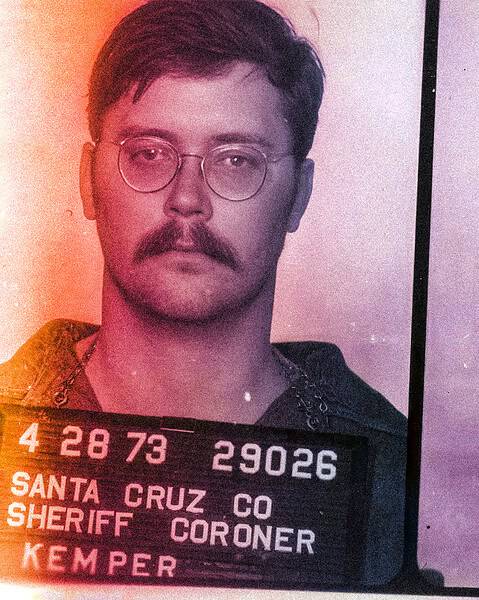
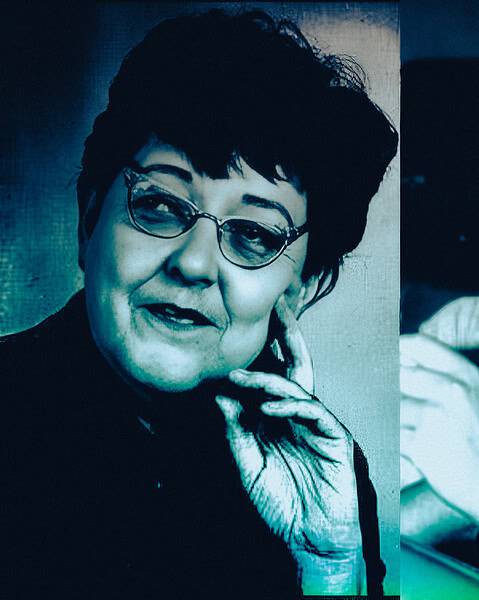
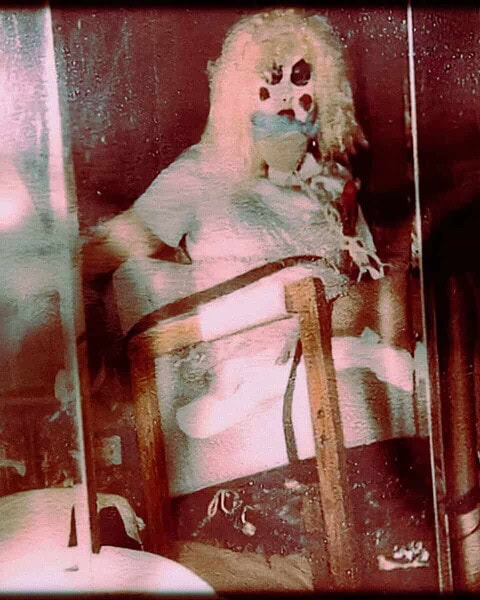
These images are included as case context rather than as a gallery of notoriety. Together they show why serial murder is better understood as a behavioral category than as one personality type: social approach, prolonged fantasy, geographic victim targeting, online recruitment, and self-reporting appear in different combinations across different offenders.
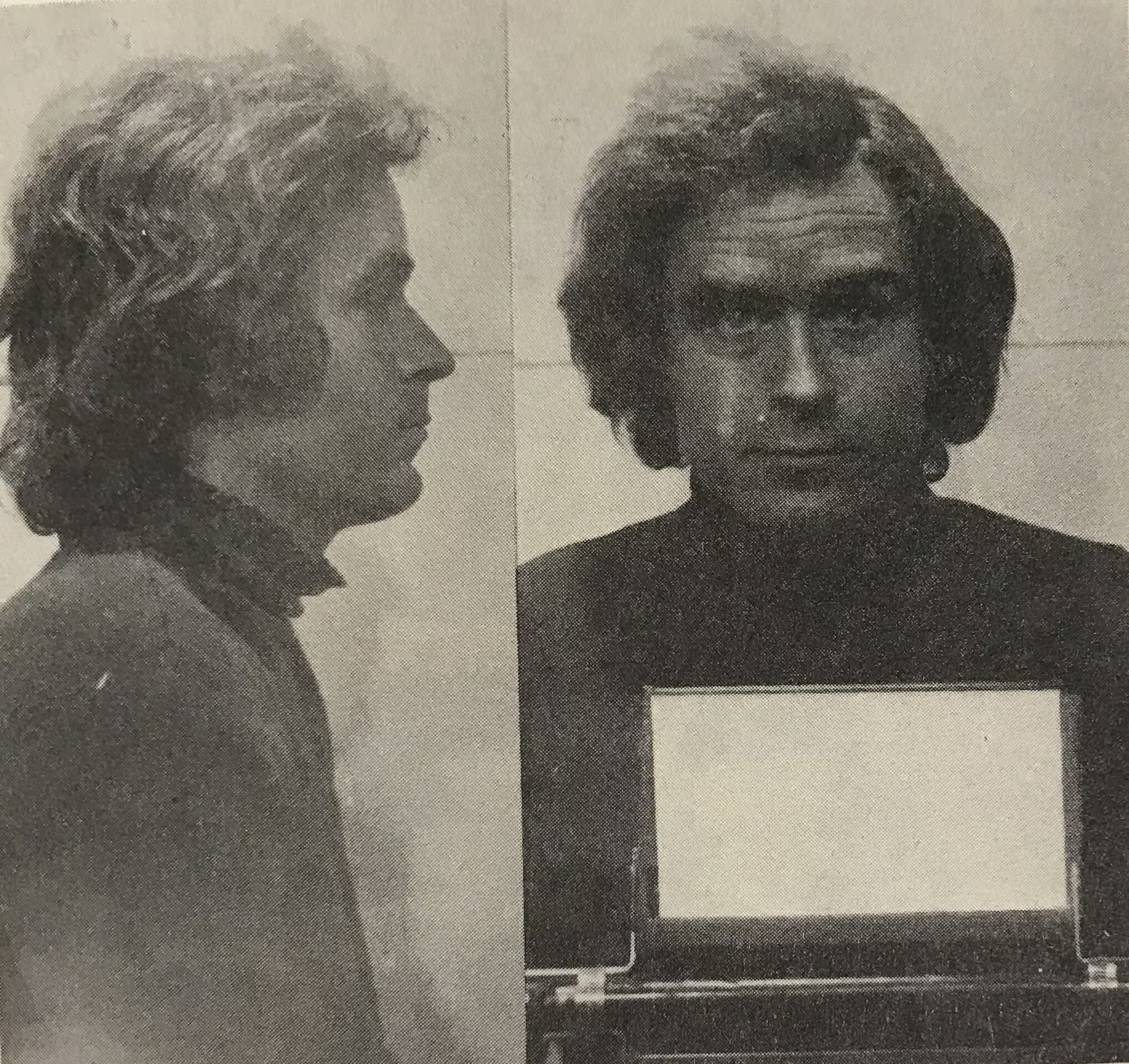
Ted Bundy / Social Approach
Police booking photograph. Bundy’s documented use of false injury and authority cues is useful as a case-specific method, not a universal serial-killer profile.

Dennis Rader / Fantasy and Communication
Rader’s crimes, communications and later digital mistake illustrate how fantasy and self-narration can become evidence without describing every offender.

Gary Ridgway / Geography and Vulnerability
The Green River series demonstrates how victim vulnerability, disposal geography and delayed case linkage can shape the apparent longevity of a serial murderer.
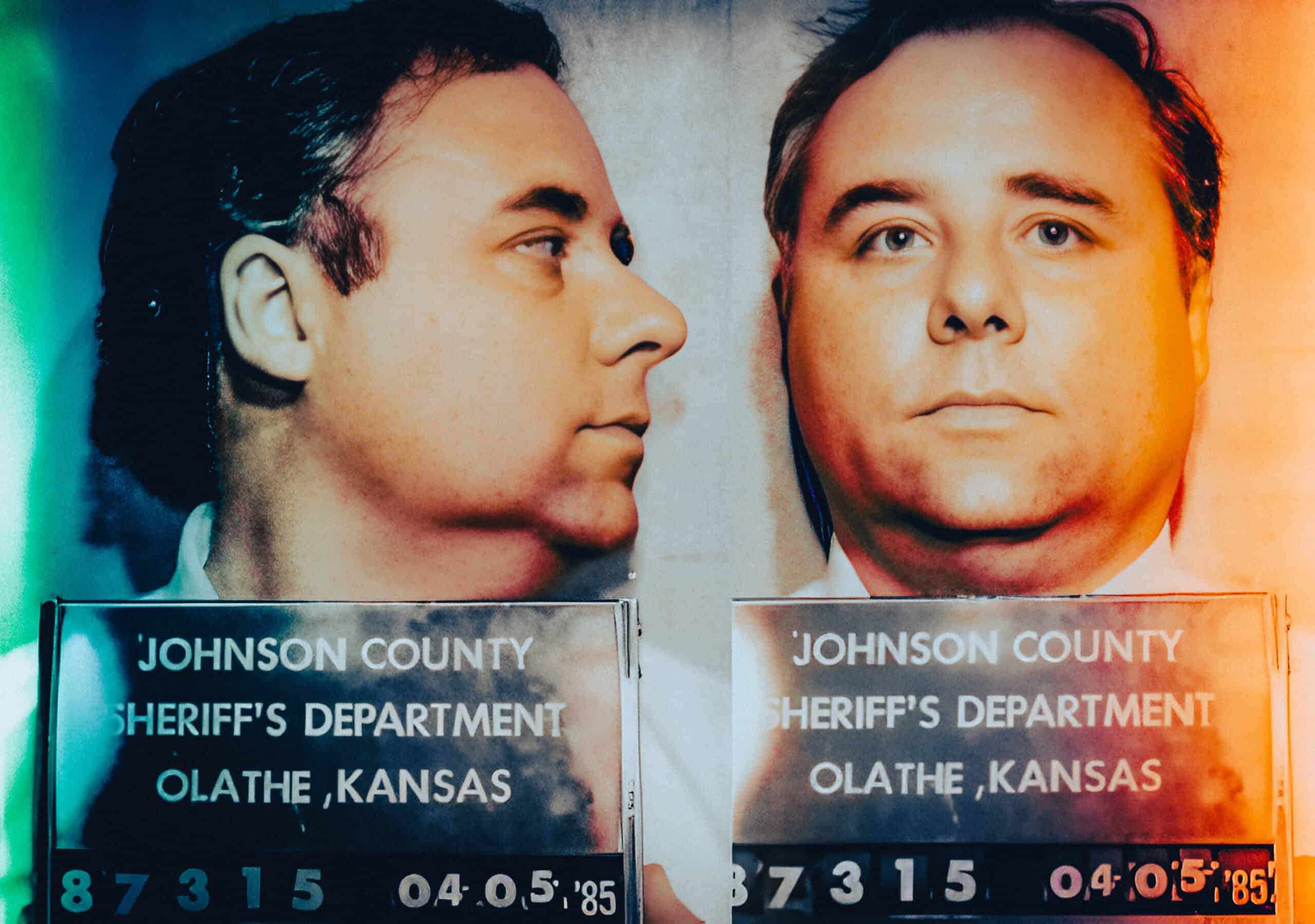
John E. Robinson / Digital Recruitment
Robinson adapted older coercive and fraudulent methods to early online spaces, demonstrating how technology changes access rather than creating a new species of offender.
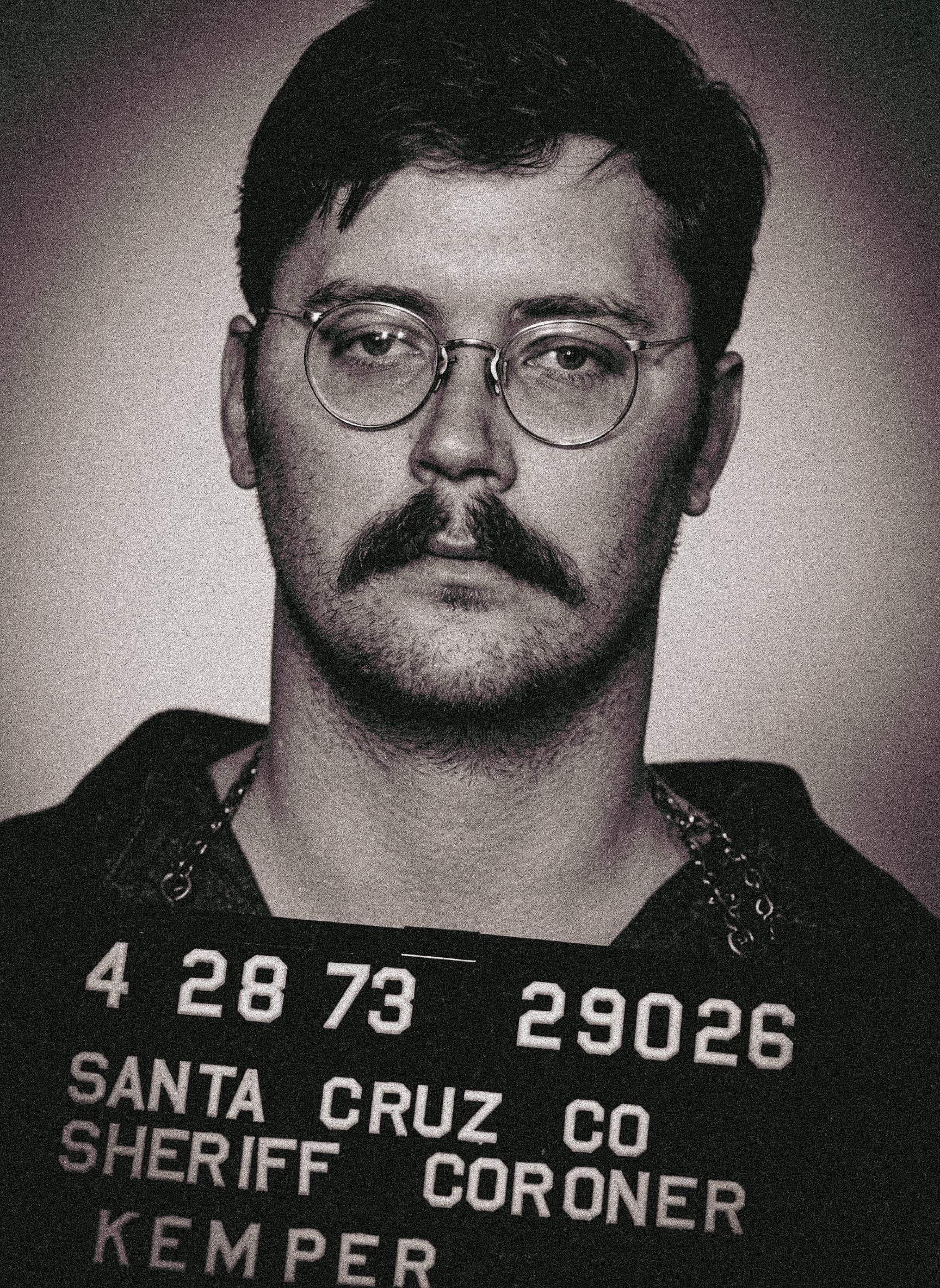
Edmund Kemper / Self-Reporting
Kemper’s decision to contact police after the murder of his mother and her friend is memorable precisely because voluntary self-reporting is not a universal endpoint.
What Popular Serial-Killer Lore Gets Wrong
Serial killers must murder at least three people over more than a month and experience a cooling-off period.
The FBI symposium definition uses two or more unlawful killings in separate events and deliberately avoids arbitrary time requirements.
The Macdonald triad can identify future serial killers.
Later review found weak support for the triad as a combined predictive construct. Individual behaviors may warrant attention without predicting serial murder.
Animal cruelty proves an offender was rehearsing on “practice victims.”
Cruelty can signal serious behavioral problems, but assigning a future homicidal rehearsal function goes beyond what the behavior alone can establish.
All serial killers are psychopaths.
Psychopathy and serial murder overlap in some cases, but neither category contains the other. The FBI expressly warns against treating them as synonymous.
Serial killers are criminal geniuses who outthink police.
Known offenders range widely in intelligence. Long evasion can result from access, victim marginalization, missing data, jurisdictional separation, and forensic limitations.
Organized and disorganized killers are two scientifically proven personality types.
The dichotomy was influential in profiling history, but empirical testing did not recover the clean two-type structure implied by the model.
Serial killers follow a fixed aura-to-depression cycle.
The cycle is a popular narrative model associated with Joel Norris. It is not a universal clinical law and does not fit many documented series.
Serial murder is mainly a sexually motivated white male stranger crime.
Men dominate known datasets, but motives, offender backgrounds, victim relationships and settings are far more diverse, including women and healthcare offenders.
What These Facts Do Not Predict
Serial-murder research is descriptive far more often than predictive. Childhood abuse, bed-wetting, fire-setting, head injury, antisocial traits, violent fantasy, social isolation, high intelligence, low intelligence, or an interest in true crime cannot be combined into a checklist that identifies a future serial murderer. Base rates make that impossible: the risk factors are common and serial murder is extremely rare.
Threat assessment is different from pop-culture profiling. Professionals assess concrete behavior, context, escalation, threats, access, target selection, planning, leakage, protective factors, and other case-specific indicators. The goal is to evaluate an actual concerning situation, not to decide whether a person resembles a famous killer’s biography.
The most useful warning sign is therefore not a mythic childhood trifecta. It is observable harmful behavior in context, especially when violence, stalking, coercion, threats, weapon access, escalating fixation, or targeted planning is present. Intervention should respond to the current risk and current harm rather than to a sensational label.
FORENSIC LIMITFrequently Asked Questions
How many victims make someone a serial killer?
The FBI symposium definition uses two or more unlawful killings by the same offender or offenders in separate events. Older sources often use three victims, which is why both numbers still appear online.
Does a serial killer need a cooling-off period?
No fixed cooling-off period is required by the FBI consensus definition. Separate homicidal events are the key distinction, and the FBI symposium specifically found older temporal rules arbitrary and difficult to apply consistently.
What is the difference between a serial killer and a mass killer?
Serial murder involves killings in separate events. Mass murder involves multiple victims within a single event or continuous episode, although exact numerical thresholds can differ among agencies and researchers.
Are serial killers usually psychopaths?
Some serial murderers show high psychopathic traits, but the categories are not synonymous. Not all psychopaths are violent, and not all serial murderers meet criteria for psychopathy.
Are serial killers mentally ill?
There is no single answer because serial murderers can have very different diagnoses or no clearly established major mental disorder. Mental illness, psychopathy, antisocial personality disorder, psychosis, and legal insanity are separate concepts.
Does childhood abuse cause serial murder?
No. Some known offenders experienced severe adversity, but most people who survive abuse never become violent offenders. Childhood trauma can be relevant to an individual history without functioning as a deterministic cause.
Is the Macdonald triad real?
It is real as a historical theory, but later review found weak support for the three behaviors as a combined predictive tool. Fire-setting and animal cruelty can still be serious behaviors that warrant intervention on their own terms.
Do serial killers have higher IQs?
No consistent high-IQ pattern defines serial murder. Known offenders range from borderline intellectual functioning to above-average intelligence, and intelligence alone does not explain repeated homicide or investigative evasion.
Are there female serial killers?
Yes. Women are a minority in major serial-murder datasets, but documented female serial offenders exist across domestic, financial, caregiving, healthcare, and other contexts.
Why do serial killers keep trophies?
Some offenders retain objects, photographs, or other materials, but the reasons vary. Retained items may support fantasy, control, memory, proof, concealment, or self-narration, and many serial offenders do not follow a trophy pattern at all.
How do police know separate murders are connected?
Investigators compare victimology, forensic evidence, DNA, geography, method, timing, digital records, witness information, and distinctive case details. Systems such as ViCAP and national DNA databases can help agencies recognize links that cross jurisdictions.
Why were there more known serial killers in the 1970s and 1980s?
Recorded serial murder peaked in the late 20th century and has since declined in major datasets. Improved DNA, surveillance, databases, communication, digital traces, and changes in social behavior are plausible contributors, but no single explanation accounts for the trend.
Did Robert Ressler invent the term serial killer?
Ressler helped popularize the modern law-enforcement usage, but related terms predate him. German criminologist Ernst Gennat used Serienmörder decades earlier, and English-language references to serial murder also predate the FBI profiling era.
Can a profile identify a serial killer?
A behavioral analysis can help prioritize leads or interpret a series, but there is no generic profile that identifies an offender from personality traits alone. Physical evidence, linkage, records, witnesses, digital traces, and corroborated investigative facts remain essential.
Primary Research and Methodology
FBI Serial Murder Monograph
The FBI’s 2008 Serial Murder: Multi-Disciplinary Perspectives for Investigators supplies the consensus definition, myth corrections, investigative challenges, and caution against a generic offender template.
Canter et al. on Organized/Disorganized
David Canter, Laurence Alison, Emily Alison and Natalia Wentink empirically tested the organized/disorganized typology and found the clean dichotomy was not supported as a distinct offender structure.
The Organized/Disorganized Typology of Serial Murder: Myth or Model?
Critical Review of the Macdonald Triad
The review Not the Sum of Its Parts examines the triad’s history and finds little support for treating animal cruelty, fire-setting and enuresis together as a validated predictor of later violence.
Radford/FGCU Serial Killer Database
The 2023 annual report provides large-sample descriptive counts for known serial offenders, victim characteristics, offender sex, age and historical trends. The figures are used here with explicit cautions about visibility, definitions and database composition.
Psychopathy and ASPD
Forensic literature distinguishes psychopathy from antisocial personality disorder while recognizing overlap. This dossier follows that distinction rather than using “psychopath” as a casual synonym for serial murderer.
Ogloff, Psychopathy/antisocial personality disorder conundrum
NIJ Cold-Case and DNA Resources
National Institute of Justice materials document how DNA, case linkage, genealogical methods and cold-case review can connect crimes that were separated by time and jurisdiction.
Internal Dossier Network
- Ted Bundy Case: Victims, Timeline, Evidence and Trial
- Dennis Rader, the BTK Killer: Crimes, Capture and Psychology
- Green River Killer: Gary Ridgway Victims, DNA and Timeline
- John E. Robinson: The First Internet Serial Killer Used Chat Rooms to Murder
- Women Serial Killers: Rare Offenders, Common Victims
- Serial Killer IQ: What the Data Actually Shows
- Aristocracy of Blood: Historical Serial Killers Before 1900
The durable lesson of serial-murder research is not that a hidden monster can be identified from a childhood checklist. It is that repeated homicide becomes understandable only when definition, evidence, behavior, victim access, forensic linkage, institutional context, and uncertainty are kept separate long enough to see what the record actually supports.
Browse every case in the Case File Index
Discover more from The Dark Side of Humanity
Subscribe to get the latest posts sent to your email.