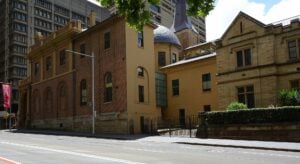
 Evidence #01
 Evidence #02
 Evidence #03
 Evidence #04

Sections
Section Index
Each link goes to a section in this piece.
- Overview
- File brief
- Takeaways
- Verified figures
- Case snapshot
- From the warrant
- Legal status
- Charge sheet
- What these papers can carry
- People harmed
- Bridget Bishop
- The accusers and the bench
- How the papers begin
- Where the papers place them
- Chronology
- What the papers describe
- The examination room
- Evidence locker
- Witnesses
- The court
- What was called a confession
- Two letters
- Checklist
- Where the pages disagree
- The later court
- What was not opened
- Unresolved questions
- Related case files
- Outcome
- Sources
- Glossary
- Questions
Overview
The Salem Witchcraft Prosecutions
Salem Village and Salem, Essex County, Province of Massachusetts Bay, 1692 to 1693.
On June 10, 1692, Sheriff George Corwin returned that he had hanged Bridget Bishop. The warrant for that hanging was signed by William Stoughton on June 8, after a Court of Oyer and Terminer sitting on June 2. Nineteen people are labeled executed in the Salem Witchcraft Papers. Giles Corey is labeled pressed to death. Governor William Phips later wrote two letters that do not use the same numbers.
TL;DR / FILE BRIEF
The Salem Witchcraft Papers are verbatim transcriptions of the court papers, edited by Paul Boyer and Stephen Nissenbaum in 1977 and revised by Benjamin C. Ray and Tara S. Wood. They begin with a February 29, 1691/2 complaint against Sarah Osborne and Tituba, and they include the June 10 return that Bridget Bishop was hanged. A heading is not the same thing as a jail return. Where a date lives only in a contents label, this piece says so.
Takeaways
Takeaways
- The first complaint in these papers is dated February 29, 1691/2, against Sarah Osborne and Tituba, for suspected witchcraft said to have hurt Elizabeth Parris, Abigail Williams, Anna Putnam, and Elizabeth Hubbard.
- On March 1, John Hathorne wrote that Tituba, after some denial, acknowledged the fact and charged Sarah Good and Sarah Osborne, who denied it. All three were committed.
- Bridget Bishop was examined at Salem Village on April 19, 1692. She said she was no witch. On June 10, George Corwin returned that he had hanged her.
- A July 12 warrant ordered Sarah Good, Rebecca Nurse, Susanna Martin, Elizabeth How, and Sarah Wild hanged on July 19, 1692. The reverse is dated Salem, July 19.
- Thomas Fisk, writing on July 4, 1692, said the jury first found Rebecca Nurse not guilty, and that the court objected. The copy printed in the papers is taken from Robert Calef in 1700, not from a 1692 original filed beside it.
- On October 12, 1692, William Phips wrote that the court had convicted more than twenty people. On February 21, 1692/3, he wrote that about twenty had been condemned and executed. Those sentences are not the same count.
- In 1710, Isaac Esty of Topsfield wrote that his wife Mary Esty had been imprisoned nearly five months and then put to death, and that his charge might amount to 20 pounds.
Verified figures
June 10, 1692
Date on George Corwin’s return that Bridget Bishop was hanged.
July 19, 1692
Date ordered for the hanging of Good, Nurse, Martin, How, and Wild.
52
People Phips said were brought to trial in January 1693, all cleared except three.
Sources: Bishop execution warrant, SWP No. 13; July 12 death warrant, SWP No. 63; Phips to the Earl of Nottingham, February 21, 1692/3, SWP No. 163. The figure 52 is Phips’s number, not a recount of the warrants.
Snapshot
Case Snapshot
Place
Salem Village for the early examinations. Salem for the Court of Oyer and Terminer. Boston on the warrants Stoughton signed.
Period
Complaint of February 29, 1691/2, through the reversal petitions of 1710 and after.
Court
William Stoughton, chief judge of the special Court of Oyer and Terminer, and later of the Superior Court Phips allowed to sit on January 3.
First named
Sarah Osborne and Tituba, complained of on February 29, 1691/2. Sarah Good was examined with them on March 1.
Hanged, as labeled
Nineteen people, in the contents list of the Salem Witchcraft Papers. The Bishop return and the July 19 warrant are the hanging documents opened here.
Pressed, as labeled
Giles Corey. The contents list dates that death September 16, 1692. The documents under his name that were read run through a jury of inquest on September 9.
Died in prison, as labeled
Sarah Osborne, May 10, 1692. Roger Toothaker, June 16, 1692. Lydia Dustin, March 10, 1693. Ann Foster, with no date on the contents line.
What ended the first court
Phips wrote that he stopped it. His October 12 letter and his February 21 letter do not tell that stop the same way.
From the warrant
The Order to Hang Bridget Bishop
You safely conduct the said Bridgett Bishop alias Olliver from their Majesties Gaol in Salem aforesaid to the place of Execution and there cause her to be hanged by the neck until she be dead.
William Stoughton, Boston, June 8, 1692. Death warrant, Salem Witchcraft Papers No. 13. Spelling modernized only where a letter is torn on the page.
Document / Death warrant
June 10th, 1692. According to the within written precept I have taken the body of the within named Brigett Bishop out of their Majesties gaol in Salem and safely conveyed her to the place provided for her execution and caused the said Brigett to be hanged by the neck until she was dead.
George Corwin, Sheriff. Return on the reverse of the June 8 warrant. Essex County Court Archives, Salem, Witchcraft vol. 1, no. 71.
The return says she was hanged and dead. A crossed phrase about burial is marked as uncertain on the transcription. The return does not name the ledge or the road.
Charge sheet
Charges
- February 29, 1691/2. Sarah Osborne and Tituba were complained of for suspicion of witchcraft, said to have injured Elizabeth Parris, Abigail Williams, Anna Putnam, and Elizabeth Hubbard within the previous two months.
- March 1, 1691/2. Sarah Good was examined with them. Hathorne wrote that Good and Osborne denied the fact and that Tituba acknowledged it and accused the other two.
- April 19, 1692. Bridget Bishop was examined. Five indictments later named Mercy Lewis, Abigail Williams, Elizabeth Hubbard, Ann Putnam Jr., and, on the death warrant, Mary Walcott.
- June 2, 1692. Bishop was arraigned at the Court of Oyer and Terminer, pleaded not guilty, and was found guilty. Sentence of death was passed. The warrant is dated June 8.
- December 14, 1692. The House of Representatives voted a bill that made a second witchcraft conviction a capital felony, and sent it to the governor and council. The papers printed here show the vote, not the council’s consent.
Status
Legal Status
Bishop’s warrant states the legal posture in one chain. She was indicted, she pleaded not guilty, she was found guilty of the felonies and witchcrafts, and sentence of death passed. Corwin’s return says the sentence was carried out on June 10.
The July 12 warrant, signed for a hanging on July 19, names Sarah Good, Rebecca Nurse, Susanna Martin, Elizabeth How, and Sarah Wild, and orders each of them hanged by the neck until dead. The reverse is endorsed Salem, July 19, 1692. That is a command and a date stamp. It is not a sheriff’s narrative of the hour.
Phips, writing on February 21, 1692/3, said a later court cleared fifty two people and left three uncleared, and that he reprieved those three and five others who had been condemned by the earlier court. He also wrote that the lieutenant governor signed a warrant for their execution anyway. Reprieve is not the same sentence as acquittal, and it is not the same thing as a later legislature taking an attainder off.
In 1710 and 1711 the papers shift from warrants to petitions. Isaac Esty asked for the loss of his wife. The children of George Burroughs asked for the loss of their father. Francis Johnson asked that the attainder of Elizabeth Johnson Jr. be taken off. Those petitions are claims about innocence and about money. They are not themselves the statute that granted the request.
Boundary
What These Papers Can Carry
The Salem Witchcraft Papers, as published on the University of Virginia site, are a revision of the 1977 Boyer and Nissenbaum edition. The introduction says the 1930s Works Progress Administration typed the manuscripts then known, that Boyer and Nissenbaum modernized spelling for print, and that a 2009 Cambridge edition by Bernard Rosenthal added documents the 1977 set did not have. This piece uses the Virginia transcriptions that were opened. It does not silently import the 2009 additions.
A contents heading such as “Executed, June 10, 1692” is an editor’s label. It is useful, and it is not a substitute for the warrant underneath it. Where the warrant was opened, the warrant is what is quoted. Where only the heading was used, the sentence says “labeled.”
Some pages inside the set are not 1692 manuscripts. Thomas Fisk’s July 4 explanation, and Rebecca Nurse’s appeal printed beside it, are cited in the papers to Robert Calef, More Wonders of the Invisible World, London, 1700, by way of George Lincoln Burr. Phips’s October 12 letter is cited to Burr as well. Those are later printings placed in the set. They are not the same kind of sheet as Corwin’s return.
Dates before March 25 sit in two years at once. The complaint against Osborne and Tituba is dated February 29, 1691/2. Hathorne’s summary of the March 1 examination is headed March 1, 1691. In the calendar that began the year on March 25, March 1 was still 1691. In the calendar that begins in January, both dates are 1692. This piece keeps the double date when the page uses it.
Names move. The death warrant says Bridgett Bishop alias Olliver, and also Brigett Bishop. The contents list says Bridget Bishop. The July warrant says Sarah Wild and Elizabeth How and Susanna Martin. The contents list says Sarah Wilds, Elizabeth How, and Susannah Martin. Mary Esty’s husband’s petition uses Mary Esty. The reverse of that petition says Mary Easty. Giles Corey is Giles Cory on the April 18 warrant. None of those slips is corrected into a single modern spelling inside a quotation.
People harmed
People Harmed
01
Bridget Bishop
Status
Hanged June 10, 1692. Sheriff’s return, SWP No. 13.
Also named
Bridgett Bishop alias Olliver, wife of Edward Bishop, a sawyer, of Salem.
No portrait from 1692 was used. A substituted face is not used.
02
Rebecca Nurse
Status
Named on the July 12 warrant for hanging on July 19. Wife of Francis Nurse of Salem Village.
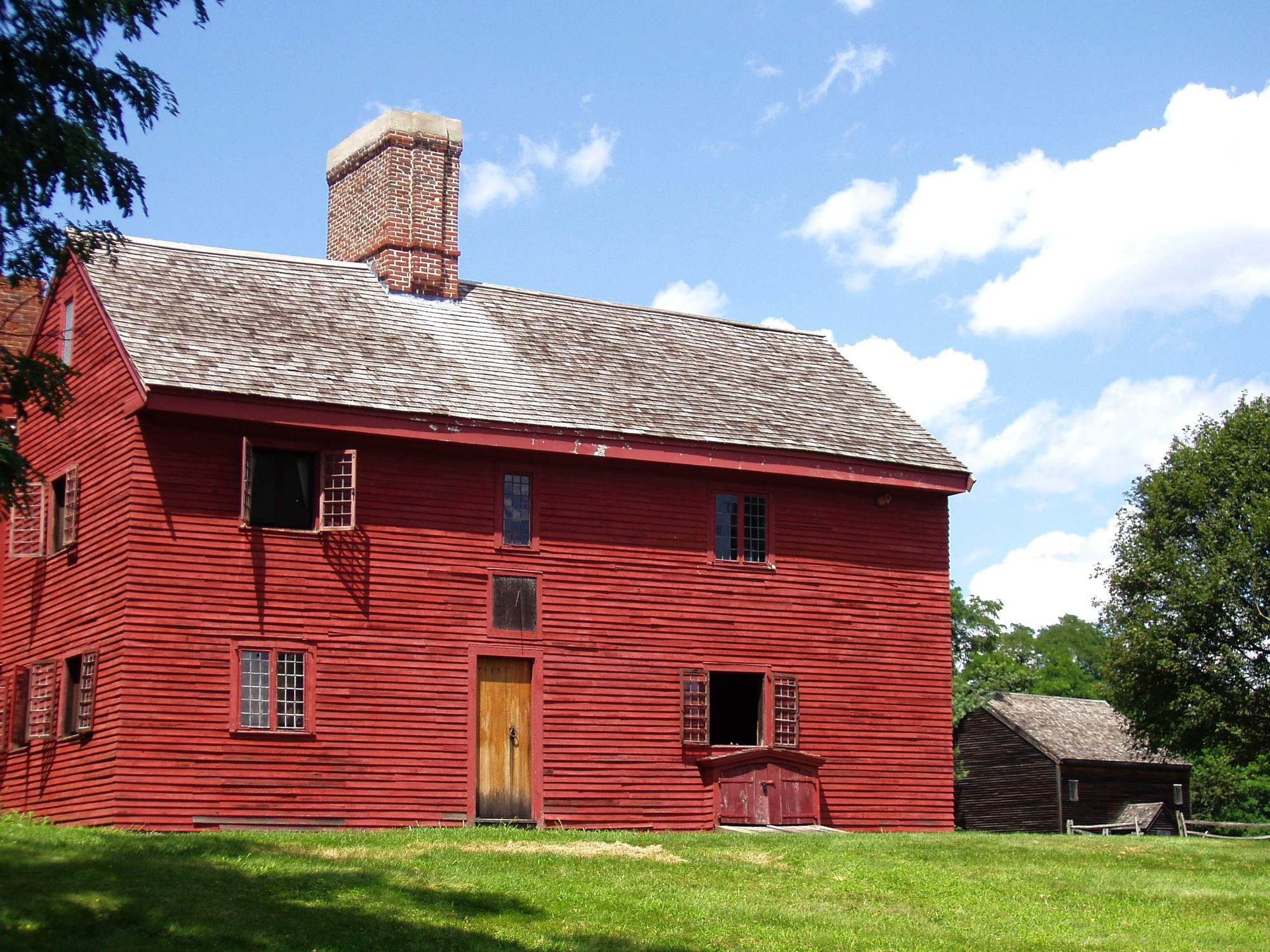
The homestead photograph is a place, not a portrait.
03
Sarah Good
Status
Named on the same July 12 warrant. Wife of William Good of Salem Farms.
Her examination on March 1 is a denial, in Hathorne’s summary.
04
Giles Corey
Status
Labeled pressed to death, September 16, 1692. Examined April 19. Jury of inquest September 9.
The pressing itself is not described in the pages that were read under his name.
Ledger
Who the Papers Mark as Dead
| Date on the papers | Name | What was opened |
|---|---|---|
| June 10, 1692 | Bridget Bishop | Sheriff’s return says hanged. |
| July 19, 1692 | Sarah Good, Rebecca Nurse, Susanna Martin, Elizabeth How, Sarah Wild | Named together on the July 12 warrant. |
| August 19, 1692 | George Burroughs, Martha Carrier, George Jacobs Sr., John Proctor, John Willard | Contents labels. The August warrant was not the page quoted here. |
| September 22, 1692 | Martha Corey, Mary Esty, Alice Parker, Mary Parker, Ann Pudeator, Wilmott Reed, Margaret Scott, Samuel Wardwell | Contents labels. |
| May 10, 1692 | Sarah Osborne | Heading: died in prison. The opened pages are examinations. |
| June 16, 1692 | Roger Toothaker | Heading: died in prison. |
| March 10, 1693 | Lydia Dustin | Heading: died in prison. |
| No date on the line | Ann Foster | Heading: died in prison. |
| September 16, 1692 | Giles Corey | Heading: pressed to death. |
Victim
Bridget Bishop
Also named
Bridgett Bishop alias Olliver. Brigett Bishop on the return. The 1679 papers Newton asked for use Bridgett Olliver.
Status
Found guilty June 2, 1692. Hanged June 10, between eight and twelve in the afternoon, by the warrant’s clock.
Household
Wife of Edward Bishop of Salem, a sawyer, on the death warrant.
On April 19, 1692, Samuel Parris recorded her examination at Salem Village before John Hathorne and Jonathan Corwin. The page says that as soon as she came near, all fell into fits. Hathorne asked her what witchcrafts she was conversant in. She turned her head and said she took all the people to witness that she was clear.
Elizabeth Hubbard, Ann Putnam, Abigail Williams, and Mercy Lewis said she had hurt them. She answered that she had never seen those persons before and had never been in that place before. Mary Walcott said her brother Jonathan had struck Bishop’s appearance and torn her coat, and that she heard the tear. Parris wrote that a search in the court found a rent that seemed to answer the claim.
She was told they said she had bewitched her first husband to death. She said she knew nothing of it. Samuel Braybrook said she had told him that day that she had been accounted a witch these ten years, but that she was no witch and the devil could not hurt her. She said, “I am no Witch.” Asked about familiar spirits, she said, “I have no familiarity with the Devil.” Asked how her appearance could hurt the girls if she was innocent, she said, “I am innocent.” She also said she was innocent of a witch and did not know what a witch is. Asked about murders, she said, “I hope, I am not guilty of Murder.”
The movement of her head is written down as part of the proof. “She shake her head and the afflicted were tortured.” Hathorne told her she seemed to act witchcraft before them by the motion of her body. She said she knew nothing of it.
The death warrant, dated Boston, June 8, 1692, and signed Wm Stoughton, recites five indictments for witchcraft on the bodies of Abigail Williams, Ann Putnam Jr., Mercy Lewis, Mary Walcott, and Elizabeth Hubbard, single women of Salem Village, on April 19 and on other days. It says she pleaded not guilty, put herself on God and her country, was found guilty, and had sentence of death passed. It orders George Corwin, high sheriff of Essex, to take her from the jail on Friday, June 10, between eight and twelve in the afternoon, and hang her by the neck until dead.
Corwin’s return is dated June 10, 1692. He wrote that he had taken her body from the jail, conveyed her to the place provided for her execution, and caused her to be hanged by the neck until she was dead. A phrase about burial is struck through on the transcription, with a note that the words are uncertain. He signed George Corwin, Sheriff. The return does not name a hill.
Victim
Rebecca Nurse
Also named
Rebeckah Nurse. Rebecka Nurse on the Calef copy. Wife of Francis Nurse of Salem Village.
Status
Named on the July 12, 1692 warrant to be hanged on July 19. Thomas Fisk says a first verdict of not guilty was reopened.
On May 31, 1692, a writ witnessed by William Stoughton commanded the sheriff of Suffolk to bring Rebecca Nurse, with Sarah Good, John Willard, John Proctor, Elizabeth Proctor, Susanna Martin, Bridget Bishop alias Olliver, Alice Parker, and Tituba, before the justices of the Court of Oyer and Terminer at Salem on Thursday, June 2. Thomas Newton sent that list to Isaac Addington the same day.
Nurse was not hanged on June 10. Bishop was. Nurse’s name is on the later warrant. On July 12, Stoughton’s precept, in the form used for Sarah Good’s file, orders Good, Nurse, Susanna Martin, Elizabeth How, and Sarah Wild taken from the jail in Salem on Tuesday, July 19, between eight and a torn hour in the forenoon, and hanged by the neck until dead. The reverse reads Salem, July 19, 1692.
The dispute over her verdict is printed in the papers from a later book. On July 4, 1692, Thomas Fisk, one of the jurors, wrote that the jury had brought her in guilty after a verdict of not guilty. He said the court objected that the jury had let slip words she spoke against herself. The words, as Fisk gives them, were spoken in reply to Goodwife Hobbs and her daughter, who had confessed to setting their hands to the devil’s book: “What, do these persons give in Evidence against me now, they used to come among us.” Fisk wrote that he could not tell how to take the words until she explained them, that one of the court affirmed she had spoken them, and that she made no reply. He wrote that those words were to him a principal evidence against her.
Under the same date, a paper in Nurse’s name says she had been told the jury used her remark that Hobbs and her daughter were of her company. She said she meant they were prisoners with her, and that she did not judge them legal evidence against their fellow prisoners. She said she was hard of hearing and full of grief, and that nobody told her how the court took her words. Both of those July 4 texts are credited in the Virginia edition to Robert Calef’s More Wonders of the Invisible World, London, 1700. They explain a procedure. They are not the indictment.
Her husband does not appear as a narrator until 1710. On September 8, 1710, Isaac Esty is writing about Mary Esty, not about Nurse. Nurse’s own homestead is a later building on the village land. The photograph in this piece is that house in 2006.
Victim
Sarah Good
Also named
Wife of William Good of Salem Farms, husbandman, on the May 31 writ.
Status
Denied the charge on March 1, in Hathorne’s summary. Named on the July 19 hanging warrant.
Sarah Good was not on the February 29 complaint. That complaint names Sarah Osborne and Tituba. On March 1 she is in the room with them. Hathorne’s summary says Good, Osborne, and Tituba were brought in on suspicion of witchcraft, that Tituba acknowledged the fact and accused the other two, and that Good and Osborne denied it. He wrote that there appeared, in all their examinations, sufficient ground to secure them, and that they were sent to the jails of Essex. A later line in the same summary says they were sent to the jail in Boston.
Good’s name is then on Newton’s May 31 list for the June 2 court, and on the July 12 warrant with Nurse, Martin, How, and Wild. The July warrant is the last sheet under her name that was opened.
Her daughter Dorothy has a separate file, SWP No. 62. That file was not opened for this piece. Nothing is said here about the child beyond the fact that the papers gave her a number of her own.
Victim
Giles Corey
Also named
Giles Cory on the April 18, 1692 warrant. Gilles Cory in Ann Putnam’s deposition.
Status
The contents list says pressed to death on September 16, 1692. The documents read under that number run from April 18 to a jury of inquest on September 9.
On April 18, 1692, Hathorne and the other magistrates ordered Giles Cory of Salem Farms, Mary Warren, Abigail Hobbs, and Bridget Bishop brought the next morning at about eight o’clock to the house of Lieutenant Nathaniel Ingersoll in Salem Village. Corey was examined on April 19, the same day as Bishop. The examination is headed as a court at Salem Village held by John Hathorne and Jonathan Corwin. A note says several witnesses heard him say he would make away with himself and charge his death on his son.
On September 7, 1692, a summons ordered John Derich, the wife of Stephen Small, the widow Adams, and Goody Golthite to the Court of Oyer and Terminer at Salem to testify on indictments against Giles Cory. On September 9, Ann Putnam, Mercy Lewis, Sarah Bibber, Mary Warren, and Elizabeth Hubbard gave depositions to the jury of inquest. Putnam said she saw his apparition on April 13 urging her to write in his book, and that during the April 19 examination the apparition tortured her. Lewis, aged about 19, said the apparition came on April 14. Warren said he afflicted her by beating her with his staff, biting, pinching, choking, and cutting her with a knife. Hubbard said she verily thought he was a wizard.
Those are spectral accusations, sworn to a jury of inquest eight days before the date the contents list gives for his death. The pages that were read do not include a return that says he was pressed, or that names the weights, or that names the hour. The September 16 date is the archive’s label. A diary date of September 19, used in older tellings, was not in the court papers opened here, and it is not folded into the label.
Bench
Who Ran the Examinations and the Court
The early warrants are signed by local magistrates, not by the governor. The February 29 complaint is taken by magistrates from Joseph Hutchinson, Thomas Putnam, Edward Putnam, and Thomas Preston, yeomen of Salem Village. The examinations of March 1 and April 19 are John Hathorne’s, with Jonathan Corwin named beside him on Bishop’s day and on Corey’s day. Samuel Parris, the minister, is the hand on Bishop’s long examination and on at least one statement against the Proctors.
The Court of Oyer and Terminer is a different bench. Bishop’s death warrant says the court sat at Salem on June 2 for the counties of Essex, Middlesex, and Suffolk, before William Stoughton and his associate justices. Stoughton signs the June 8 warrant in Boston. Thomas Newton writes on May 31 as the man sending names up for habeas corpus, and the June 2 file includes his oath as attorney general and the oath of Stephen Sewall.
William Phips is not in the examination rooms. He writes later, from Boston, that the chief judge was the deputy governor, which is Stoughton, and that he himself was with the army in the eastern part of the province while the court sat. Both of his letters say he depended on the court for the method. They then diverge about what he did when he came home.
The girls and women whose bodies are named on the warrants are Elizabeth Parris, Abigail Williams, Ann Putnam, Elizabeth Hubbard, Mercy Lewis, and Mary Walcott, with Susannah Sheldon added on the April 30 complaint against Burroughs. They are the accusers in the legal sense that the indictments say the witchcraft was exercised upon their bodies. They are not a single voice. Hathorne sometimes writes that four or five affirmed a hurt. Parris sometimes writes that one cried out.
Context
How a Complaint Became a Court
The introduction to the Virginia edition says the papers are the court documents of the 1692 outbreak, typed by the Works Progress Administration, printed by Boyer and Nissenbaum in 1977, and corrected online by Ray and Wood. Boyer and Nissenbaum modernized letters that the WPA had left in seventeenth century form, so that a reader would not have to decode a thorn or a silent e. Quotations in this piece follow the transcription as fetched. Torn words are marked when the warrant itself is torn.
The legal machine, inside the papers, has three speeds. First, a complaint and an examination before magistrates, with a mittimus to jail. That is February 29 through the spring. Second, a special commission of oyer and terminer, which the papers define, following Boyer and Nissenbaum, as a temporary court to hear and determine a sudden crisis. Newton is already afraid, on May 31, that the trials will be tedious because the afflicted are struck dumb and senseless at the name of the accused. Third, after Phips says he stopped that court, a Superior Court of Judicature. He dates a sitting of that court at Salem on January 3, with Stoughton still chief judge, and he says the method had been altered.
On December 14, 1692, between those courts, the House of Representatives read a bill against conjuration and witchcraft. The bill’s own text says that a person who invokes an evil spirit, or who takes a bone or skin from a grave for a charm, or who practices witchcraft by which a person is killed, wasted, or lamed, shall on conviction suffer as the bill provides. A second conviction “shall suffer pains of death as a felon.” A first offense, in the clause that was read, puts the person in the pillory for six hours with the offense written in capital letters on the breast. The house voted the bill and sent it to the governor and council for consent. The page that was opened does not show the council’s answer.
Places
Where the Papers Place Them
The examinations of March 1 and April 19 are at Salem Village, several of them at the house of Lieutenant Nathaniel Ingersoll. The Court of Oyer and Terminer sits at Salem. The death warrants are dated at Boston and the bodies are ordered taken from their Majesties’ jail in Salem to “the place of execution.” Corwin’s return says “the place provided for her execution.” Neither the Bishop warrant nor the July 19 warrant prints a hill, a ledge, or a road.
People are brought in from other towns, and the papers say so on the complaints. George Burroughs is “minister in Wells in the province of Maine” on the April 30 complaint of Jonathan Walcott and Thomas Putnam. Lydia Dustin is a widow of Reading. Susannah Martin is a widow of Amesbury. Dorcas Hoar and Sarah Murrell are of Beverly. Phillip English is a merchant of Salem. Sarah Wild’s later petition, from her son, says she was carried to Salem prison, then Boston, then Ipswich, then Salem again. Mary Esty was in prison at Boston for three of her five months, by her husband’s account, and he paid to transport her.
The jails are part of the harm. Phips wrote on February 21, 1692/3, that when he ended the first court there were at least fifty persons in prison, in great misery from the extreme cold and their poverty. He said most of them had only spectre evidence against them and that their mittimuses were defective. He said he bailed some and pressed the judges to keep the others from perishing in prison. Osborne, Toothaker, Dustin, and Foster are the names the contents list marks as dead in prison. The list does not say the cold killed them. Phips says the cold and the poverty were the condition of the prison.
Chronology
Chronology
February 29, 1691/2
Joseph Hutchinson, Thomas Putnam, Edward Putnam, and Thomas Preston complain against Sarah Osborne and Tituba. The injured are named as Elizabeth Parris, Abigail Williams, Anna Putnam, and Elizabeth Hubbard. The constable is to bring the two women to Ingersoll’s house about ten the next morning.
March 1, 1691/2
Hathorne examines Tituba, Sarah Good, and Sarah Osborne. Tituba at first tells Ezekiel Cheever’s pen that she has familiarity with no evil spirit and does not hurt the children. Hathorne’s own summary says that after some denial she acknowledged the fact and accused Good and Osborne, who denied it. All three are jailed.
April 4, 1692
Samuel Parris writes that Abigail Williams complained of Goodman Proctor and cried out that he could pinch as well as his wife.
April 18, 1692
A warrant for Giles Cory, Mary Warren, Abigail Hobbs, and Bridget Bishop, to appear the next morning at Ingersoll’s.
April 19, 1692
Bishop and Corey are examined at Salem Village. Bishop says she is no witch. Corey is examined the same day.
April 30, 1692
Jonathan Walcott and Thomas Putnam complain against George Burroughs, minister at Wells, and against Lydia Dustin, Susannah Martin, Dorcas Hoar, Sarah Murrell, and Phillip English.
May 31, 1692
Thomas Newton writes to Isaac Addington that the trials will be tedious because the afflicted are struck dumb at the name of the accused. A writ witnessed by Stoughton sets the Court of Oyer and Terminer at Salem for June 2 and names the prisoners to be brought, including Tituba as a prisoner and, in Newton’s letter, also as a desired witness.
June 2, 1692
Bishop is arraigned, pleads not guilty, and is found guilty. Newton is sworn as attorney general and Stephen Sewall is sworn, in the headings of that file.
June 8 and 10, 1692
Stoughton signs Bishop’s death warrant on June 8. Corwin returns on June 10 that she was hanged until dead.
July 4, 1692
Thomas Fisk explains, in a text the papers take from Calef, why the jury returned to a guilty verdict on Rebecca Nurse after a not guilty verdict. Nurse’s appeal, from the same book, says she meant that Hobbs and her daughter were fellow prisoners.
July 12 and 19, 1692
Warrant for Good, Nurse, Martin, How, and Wild to be hanged on July 19. The reverse is dated Salem, July 19.
August 19, 1692
The contents list labels Burroughs, Carrier, Jacobs, Proctor, and Willard as executed on this day.
September 9, 1692
Jury of inquest depositions against Giles Corey by Putnam, Lewis, Bibber, Warren, and Hubbard.
September 16, 1692
Contents label for Corey’s death by pressing. No pressing return was in the pages read.
September 22, 1692
Contents labels for Martha Corey, Mary Esty, Alice Parker, Mary Parker, Ann Pudeator, Wilmott Reed, Margaret Scott, and Samuel Wardwell.
October 12, 1692
Phips writes to William Blathwayt that the court convicted more than twenty, that he has forbidden further commitments without unavoidable necessity, and that he has stopped the court.
December 14, 1692
The House of Representatives votes the witchcraft bill and sends it to the governor and council.
January 3, 1693
Phips says he permitted a Superior Court at Salem, Stoughton still chief judge, under an altered method.
February 21, 1692/3
Phips writes to the Earl of Nottingham that about twenty were condemned and executed, that fifty two were later tried and all cleared except three, and that he reprieved the three and five others.
September 8, 1710
Isaac Esty of Topsfield writes that Mary Esty suffered death in 1692 and that his charge might amount to 20 pounds.
Account
What the Papers Describe
The papers do not begin with a theory of village factions. They begin with a complaint. On the last day of February, 1691/2, four Salem Village yeomen say that Sarah Osborne, wife of Alexander Osborne, and Tituba, an Indian woman servant of Samuel Parris, are suspected of witchcraft, and that Elizabeth Parris, Abigail Williams, Anna Putnam, and Elizabeth Hubbard have been injured within two months, and lately. The constable is not to fail.
The next document in Hathorne’s hand is the examination. The date line is Salem Village, March 1, 1691. Tituba is brought by Constable Joseph Herrick on the complaint. Hathorne writes that upon examination, and after some denial, she acknowledged the matter of fact, and that a fuller examination would show it, and that she charged Sarah Good and Sarah Osborne with the same. A second paragraph says Good and Osborne denied it, and that all three were sent to jail anyway because sufficient ground appeared. On March 3 he notes that Tituba again acknowledged the fact and again accused the other two.
Ezekiel Cheever’s examination, headed the same day, starts earlier in the conversation than the summary does. Hathorne asks what evil spirit she has familiarity with. She says none. He asks why she hurts the children. She says she does not hurt them. He asks who it is then. She says the devil, for aught she knows. The summary and the examination can both be true if the acknowledgment came after the denial. They cannot be collapsed into a single sentence that she confessed at once.
By April the room has more names. Parris notes Abigail Williams crying out at John Proctor on April 4. On April 18 the warrant couples Giles Corey with Bridget Bishop. On April 19 both are examined, and Bishop’s denial is taken down at length, including the torn coat and the claim about her first husband. On April 30 the complaint reaches a minister in Maine. Burroughs is accused with a Reading widow, an Amesbury widow, two Beverly women, and a Salem merchant, for acts on the bodies of Mary Walcott, Mercy Lewis, Abigail Williams, Ann Putnam, Elizabeth Hubbard, and Susannah Sheldon.
Newton’s May 31 letter is the moment the magistrates’ examinations are about to become a trial docket. He has spent the day at the village with the gentlemen of the council at the examination of seven persons, and he has “beheld most strange things scarce credible but to the spectators.” He says Captain Alden and Mr. English have their mittimus, and that the afflicted spare no person of what quality soever. He wants Tituba and Mrs. Thatcher’s maid transferred as evidences, but not placed among the prisoners. He wants the 1679 Court of Assistants papers against Bridget Oliver brought along. He thinks the trials will be tedious. The writ he encloses sets the date: Salem, Thursday, June 2.
June 2 is Bishop’s arraignment. June 10 is her death, on paper, in the sheriff’s hand. July 19 is the next dated hanging order, five names on one precept. August 19 and September 22 are the other two dates the contents list uses for groups of executions. Between the July warrant and the September labels, Fisk’s July 4 letter, via Calef, says the court would not accept a not guilty verdict for Nurse. Corey’s jury of inquest sits on September 9. Phips writes on October 12 that he has stopped the court. He writes again in February that the cloud has dissipated and that he has no new complaints.
Crime scene / Forensics
Primary site
The Examination Room
Location
Salem Village, including the house of Lieutenant Nathaniel Ingersoll. The Court of Oyer and Terminer sits at Salem. Warrants are signed at Boston.
Time window
Examinations from March 1, 1691/2. Court from June 2, 1692. Hanging orders dated through September in the contents list.
Evidence items
A rent in a coat, searched for in the court during Bishop’s examination. Pins, brimstone, and spectral shapes appear in Phips’s summary of what he was told, not as items inventoried by a coroner.
Method / instrument
The legal instrument is a warrant and a rope. Bishop’s return says hanged by the neck until dead. Corey is labeled pressed. No weight is given in the pages that were read.
What it establishes
Magistrates wrote down fits that began when the accused came near or moved. They treated those fits, and the accusers’ identifications, as grounds to jail and then to indict.
What it does not establish
A physical cause for the fits. A place name for the hanging. A count of the dead that is identical in both of Phips’s letters.
Evidence
The Rent in the Coat
Corroborated as a search, not as witchcraft
During Bridget Bishop’s examination on April 19, 1692, Mary Walcott said her brother Jonathan struck Bishop’s appearance and tore her coat, and that she heard the tear. Parris wrote that a search in the court found a rent that seemed to answer what was alleged. The rent is a physical observation. The claim that an invisible shape was struck, and that the cloth answered the blow, is the accuser’s account of how the rent got there.
Locker
Evidence Locker
| Item | Where it sits | What it can prove |
|---|---|---|
| February 29 complaint | SWP No. 125 | Who was accused first in these papers, and whose bodies were named. |
| Hathorne summary, March 1 | SWP No. 125 | Tituba accused Good and Osborne after a denial. They denied it. All three were jailed. |
| Cheever examination of Tituba | SWP No. 125 | The opening answers are denials, before any acknowledgment. |
| Bishop examination | SWP No. 13 | Her words, the named accusers, and the search for the rent. |
| Bishop death warrant and return | SWP No. 13, Essex Archives vol. 1, no. 71 | Guilty plea posture, the clock for the hanging, and Corwin’s return that she was dead. |
| July 12 warrant | SWP No. 63 | Five names ordered hanged on July 19. |
| Fisk and Nurse, July 4 | SWP No. 94, from Calef 1700 | A reported reversal of a not guilty verdict, and her explanation. Not a 1692 original on that page. |
| Corey inquest, September 9 | SWP No. 37 | Spectral depositions. Not a description of the pressing. |
| Phips, October 12 and February 21 | SWP No. 163, via Burr | His account of stopping the court, in two versions. |
| House bill, December 14 | SWP No. 168 | The house vote. Not, on the page opened, the council’s consent. |
| Esty petition, September 8, 1710 | SWP No. 173, Mass. Archives vol. 135, no. 130 | A husband’s account of five months in prison and a death, and a figure of 20 pounds. |
Witness
The Accusers on the Warrants
Elizabeth Parris and Abigail Williams
Named on the February complaint and on Abigail Williams’s testimony that she was pinched by the apparitions of Good, Osborne, and Tituba, including at the March 1 examination.
Ann Putnam, Elizabeth Hubbard, Mercy Lewis, Mary Walcott
Named on Bishop’s indictments and warrant. Putnam, Lewis, and Hubbard also depose against Corey on September 9. Lewis gives her age as about 19.
Thomas Fisk
Juror. His July 4 paper is the explanation of the second verdict on Nurse. The papers source it to Calef.
Newton’s May 31 letter is the officers’ own description of these witnesses in court. He says they cannot readily give their testimonies, being struck dumb and senseless for a season at the name of the accused. Phips, in February, describes the same scene from the judges: the afflicted fell to the ground when the suspected person looked on them, and revived when touched on the arm or another part of the flesh, and then swore that the prisoner had afflicted them and that they saw a shape come from the prisoner’s body. He writes that the judges told him they began with that evidence and also had “humane testimony” and “undoubted proof.” He writes that he later found the devil took the shape of innocent persons.
The touch and the look are the method. They are not a chemical test. They are a procedure the court used, described by the governor after he had turned against it, and described by the attorney on the eve of the trials as a practical problem because the witnesses went silent.
Court
The Hunt for a Method
Phips’s October 12 letter, addressed to William Blathwayt, clerk of the Privy Council, says that when he arrived he found the province harassed by witchcraft or possession. Scores of poor people were taken with preternatural torments. Some were scalded with brimstone, some had pins stuck in their flesh, some were hurried into fire and water, some dragged out of their houses. He says it was represented to him as much like events in Sweden about thirty years before, and that many were already in prison before he arrived. The cries of the friends of the afflicted, and the advice of the deputy governor and many others, prevailed on him to give a commission of oyer and terminer, to discover what witchcraft might be at the bottom, or whether it was a possession. The chief judge was the deputy governor. The others were persons of the best prudence and figure that could then be pitched upon.
He says the court at Salem convicted more than twenty persons of witchcraft, and that some of the convicted confessed their guilt. The court, as he understood it, began with the accusations of the afflicted and then went to other human evidence to strengthen that. He was abroad in the east almost the whole time. When he came home he found a ferment of dissatisfaction, increased by “hot spirits.” On inquiry he found that the devil had taken the name and shape of several persons who were, to his certain knowledge, of good reputation. For that cause he forbade committing any more who should be accused, without unavoidable necessity, and he would shelter those already committed from proceedings where there might be the least suspicion of wrong to the innocent. He put a stop to the printing of discourses. He says he stopped the court before any application was made to him, and that the court was stopped until their Majesties’ pleasure was known. The letter is dated Boston, October 12, 1692. Burr is the edition the papers cite.
The February 21 letter, to the Earl of Nottingham, dated Boston, February 21, 1692/3, retells the same arrival and the same commission, then changes the numbers and the temper. He says about twenty persons were condemned and executed, of which number some were thought by many persons to be innocent. He describes the look and the touch in the detail given above. He says the deputy governor persisted vigorously in the same method until Phips put an end to the court, which he did because many innocent persons might otherwise perish. When he ended the court, at least fifty were in prison. Increase Mather, written here as Increase Mathew, and several other divines gave judgment that the devil might afflict in the shape of an innocent person, and that the look and the touch were not sufficient proof. Phips says those things had not had the same stress laid on them as before.
He then permitted a special Superior Court at Salem on January 3, the lieutenant governor still chief judge. The method being altered, all who were brought to trial, to the number of fifty two, were cleared, saving three. The king’s attorney general informed him that some of the cleared and the condemned were under the same circumstances, or that there was the same reason to clear the three. The deputy governor signed a warrant for the speedy execution of the three and of five others condemned at the former court. Phips sent a reprieve. Stoughton, he writes, was enraged, filled with passionate anger, and refused to sit on the bench at a Superior Court then held at Charlestown. He also writes that Stoughton, by his warrant, caused the estates, goods, and chattels of the executed to be seized and disposed of without Phips’s knowledge or consent. The stop, Phips says, dissipated the black cloud. He has no new complaints.
Confession
What Was Called a Confession
Tituba is the confession the March papers actually contain, and even that confession is staged. Cheever’s page starts with “none” and “I do not hurt them.” Hathorne’s summary says the acknowledgment came after some denial, and that she charged Good and Osborne, who denied the charge. A denial and a later acknowledgment are both in the file. Using only the summary would hide the order.
Phips says in October that some of the convicted confessed their guilt. He does not, in that letter, give their names. In February he does not repeat the confession point. He says instead that the devil took the shape of the innocent, and that the look and the touch were not sufficient proof, which is a minister’s judgment he says he adopted late.
Rebecca Eames, in a 1710 petition, says she was apprehended about the beginning of August 1692, imprisoned above seven months, condemned, and afterwards reprieved by Governor Phips. She asks that the attainder be taken off. She itemizes four pounds eighteen shillings to the prison keeper and court charges, and one pound ten shillings to the governor’s clerk for the reprieve. A reprieve after a condemnation is the legal fact she claims. The petition is not a transcript of whatever she said in 1692.
Sarah Wardwell’s son writes that she was condemned on her trial at Salem in 1692, and that he is satisfied of the innocence of his father and mother. His father, Samuel Wardwell, is labeled executed on September 22. The son’s petition says the mother was condemned. It does not say she was hanged. The two outcomes stay in separate sentences.
Analysis
Named Tests
The Touch Test
Phips describes a courtroom sequence and then rejects it. The afflicted fall when looked at, revive when touched, and swear they saw a shape leave the prisoner’s body. The test, for a later page, is whether that sequence is treated as proof of witchcraft or as a description of what the court accepted. Newton’s May 31 letter is the same sequence from the other side: he believes the trials will stall because the witnesses are struck dumb at the name. A page that quotes only the fits, and not Newton’s practical complaint or Phips’s later rejection, has used the touch as a wonder rather than as a procedure.
The Two Letters
October 12, 1692, and February 21, 1692/3, are both Phips. The first says the court convicted more than twenty, and that he stopped it before anyone applied to him. The second says about twenty were condemned and executed, that Stoughton persisted until Phips ended the court, and that a later sitting tried fifty two and cleared all but three, whom Phips reprieved along with five others. The test is whether a later telling averages those numbers into one body count, or prints both letters.
Checklist
How a Claim Is Classed
- Warrant or return: Bishop’s June 8 warrant and June 10 return. The July 12 warrant for five named people.
- Examination: Hathorne on March 1. Parris on Bishop, April 19. Cheever on Tituba.
- Inquest deposition: Corey, September 9, spectral accusations sworn to the jury.
- Editor’s label: the contents line that dates a death, when no return was opened under that name.
- Later printing inside the set: Fisk and Nurse via Calef, 1700. Phips via Burr.
- Petition: Esty, the Burroughs children, Eames, Johnson, Wardwell, Wild’s son. A petition states a loss. It does not retry the case.
- Not in the pages opened: a gallows speech, a named hanging ground, a weight used on Corey, the council’s consent to the December bill, a single agreed count of the dead.
Comparison / Phips
Where the governor’s letters differ
| Question | October 12, 1692 | February 21, 1692/3 |
|---|---|---|
| What the court did | Convicted more than twenty. Some confessed. | About twenty condemned and executed. Some thought innocent. |
| Who pressed the method | He stopped the court before any application was made to him. | Stoughton persisted until Phips ended the court. |
| The prison | He would shelter those already committed. | At least fifty still in prison, most on spectre evidence only. Some bailed. |
| The next court | Not yet described. He waits for their Majesties’ pleasure. | January 3 at Salem. Fifty two tried, three not cleared. He reprieved those three and five others. |
Disputed
Where the Pages Disagree
More Than Twenty Convicted
Phips, October 12, 1692
He does not say how many of the convicted were hanged. He says some confessed.
About Twenty Executed
Phips, February 21, 1692/3
He pairs condemned and executed. He then adds a later court and a reprieve.
The contents list and the governor do not count the same way either. The list labels nineteen hangings, one pressing, and four deaths in prison, with Ann Foster undated. Phips never uses the number nineteen. He uses “more than twenty” convicted, then “about twenty” condemned and executed. Adding Corey to the nineteen hanging labels produces twenty deaths by the court’s violence, which is close to the February phrase and is not what the October letter says. This piece does not perform that addition and then attribute it to Phips.
Corey’s date is a smaller version of the same problem. The contents list says September 16. The documents read under his number stop, for this piece, at the September 9 inquest. A diary that says September 19 was not opened. The day of his death is not settled by the pages in hand.
Spelling is not a conflict about identity when the warrant itself gives both forms. Bishop and Oliver are the same woman on the June 8 warrant, which says alias. Wild and Wilds are the July warrant and the contents list. Esty and Easty are the face and the reverse of the 1710 petition. How and Howe are not both on the warrant. The warrant says How.
Aftermath
Petitions and the Attainder
The reversal file, SWP No. 173, is a stack of claims from 1710 and the years around it, addressed to a committee the General Court appointed to ask who might be named in a bill taking off the attainder, and what loss had been sustained by the trials of 1692.
Isaac Esty, senior, of Topsfield, aged about 82, writes on September 8, 1710. He says Mary Esty suffered death in 1692 under the odium of witchcraft, which he believes she hated. He says she was imprisoned nearly five months, that he maintained her at his own cost, that he went twice a week, and that for three weeks of the five months she was in prison at Boston, so that he paid to transport her. He thinks the charge in time and money might amount to 20 pounds, besides trouble and sorrow of heart, “which this world can never make me any compensation for.” He appoints his son Jacob to carry the paper to the committee at Salem. The reverse is endorsed Mary Easty of Topsfield, condemned and executed. The archive citation is Massachusetts Archives, vol. 135, no. 130.
The children of George Burroughs write that he was apprehended in April 1692 at Wells and imprisoned several months in the Boston and Salem jails, then condemned and executed. They say they have all the reason in the world to believe he was innocent, from his catechizing of his children and from written instructions he sent from prison. They were left a parcel of small children, and a mother in law with one small child of her own. They judge the loss of the estate at least fifty pounds, besides the damage of being scattered. The April 30 complaint had already called him minister in Wells. The petition supplies the arrest place and the family’s number. It does not supply the words he spoke at the hanging.
Rebecca Eames of Boxford says she was imprisoned above seven months, condemned, and reprieved by Governor Phips. She asks the attainder taken off and her name restored, and she lists the prison and court charges and the fee for the reprieve.
Francis Johnson petitions for his sister Elizabeth Johnson Jr. of Andover. He says she was imprisoned six months and condemned in 1692 upon evidence “now generally thought to be insufficient,” and that she prays the attainder may be taken off. A note in the committee papers says her name was found among the condemned and that no sum was put to it. The papers opened here do not carry the story past that note. They do not show a twenty first century statute.
Sarah Wild’s son says his mother was condemned and executed, that his father is deceased, and that he is the only one left to give the account. She was carried to Salem prison, then Boston for about two months, then Ipswich, then Salem again, and the family paid the carrying and the keeping. Samuel Wardwell’s child says Sarah Wardwell was condemned, and asks that the attainder of father and mother be taken off. Condemned, in that sentence, is not the same word as executed. The contents list uses executed for Samuel and does not use it for Sarah.
Limits
What Was Not Opened
The Virginia site holds a file for every accused person in the Boyer and Nissenbaum set, and more. The files opened for this piece are the introduction, the complaints and examinations of Tituba, Osborne, and Good, Bishop’s examination and death warrant, Nurse’s file at the verdict letters, Corey’s examination and inquest, the May 31 Newton letter, the July 12 warrant, Phips’s two letters, the December 14 bill, and the reversal petitions. Burroughs was opened at the April 30 complaint and at his children’s petition. Proctor was opened at Parris’s April 4 note and at his name on the May 31 writ and the August 19 label. The rest of those thick files were not read line by line.
The 2009 Rosenthal edition is named in the introduction as the fuller print. It was not the text on the screen. If that edition prints a pressing return, or a sheriff’s return for July 19 that this transcription truncates, this piece does not have it.
No photograph of a 1692 body is used. The only picture is the Nurse homestead in 2006, which shows a house, not a hanging. The place of execution is “the place provided” on the warrant. A modern name for the ground is not copied in from a map that was not opened.
Ann Foster’s death has no date on the contents line. Dorothy Good’s file was not opened. The council’s answer to the December bill was not on the page. Phips’s “Sweden about thirty years ago” is his comparison, not a file of the Swedish trials.
Open
Unresolved Questions
How many people died by order of the court?
The contents list labels nineteen hangings and one pressing. Phips says more than twenty convicted, and later about twenty condemned and executed. Those counts are not reconciled in the papers.
On what day was Giles Corey pressed?
The contents list says September 16, 1692. The inquest depositions are September 9. No return of the pressing was in the pages read.
Did the July 19 hanging happen at the hour ordered?
The warrant orders July 19, between eight and a torn hour in the forenoon. The reverse is dated that day. A sheriff’s sentence like Corwin’s June 10 return was not the page used for the five names.
Did the December 14 bill become law that month?
The house voted it and sent it up. The council’s consent is not on the page that was opened.
What did Elizabeth Johnson Jr. receive?
Her brother asked that the attainder be taken off. A committee note says no sum was put to her name. Later legislation is outside these papers.
Close
Outcome
On the papers that were opened, the Salem prosecutions are a sequence of complaints, examinations, a special court, warrants, one sheriff’s return that a woman was hanged, a governor who described the method and then disowned it, and a stack of family petitions eighteen years later. Bridget Bishop said she was no witch and was hanged on June 10, 1692, by George Corwin’s own return. Five more people were ordered hanged on July 19. The contents list labels further deaths on August 19 and September 22, and labels Giles Corey pressed on September 16.
William Phips wrote that he stopped the court because the devil had taken the shape of people he believed innocent. He also wrote, in the second letter, that the lieutenant governor had hurried the matter, seized the estates of the executed without his consent, and had to be overridden by a reprieve. The families who wrote in 1710 were still asking for the attainder to be taken off, and for pounds, shillings, and the cost of carrying a body between jails.
The Salem Witchcraft Papers are the place to start, because they are the warrants. They are not a single number, and they are not a gallows speech. Where a heading and a letter disagree, both stay on the page.
The running desk for the next file is the Crime Ledger.
Sources
Sources
Each card is a set of papers that was opened. The Virginia site is the transcription. The archive box, when the transcription prints it, is named in the note.
Source
Salem Witchcraft Papers, Contents and Introduction
Type
Edited transcription
Boyer and Nissenbaum, 1977, revised by Ray and Wood. The introduction explains the WPA typescript, the modernized spelling, and the later Rosenthal edition, which was not the text used here.
Source
SWP No. 13, Bridget Bishop
Type
Examination, warrant, and return
Examination of April 19, 1692, in Parris’s hand. Death warrant of June 8, signed by Stoughton. Return of June 10 by George Corwin. Essex County Court Archives, Salem, Witchcraft vol. 1, no. 71.
Source
SWP No. 125, Tituba, With Osborne and Good
Type
Complaint and examinations
Complaint of February 29, 1691/2. Hathorne’s summary of March 1. Cheever’s examination, which begins with a denial.
Source
SWP No. 63, Sarah Good
Type
Death warrant
Warrant of July 12, 1692, for Good, Nurse, Martin, How, and Wild, to be hanged on July 19. Reverse dated Salem, July 19.
Source
SWP No. 94, Rebecca Nurse
Type
Verdict letters printed from Calef
Thomas Fisk, July 4, 1692, and Nurse’s appeal, both cited in the papers to Robert Calef, London, 1700, via Burr.
Source
SWP No. 37, Giles Corey
Type
Warrant, examination, inquest
Warrant of April 18, examination of April 19, summons of September 7, depositions of September 9. The pressing is a contents label dated September 16.
Source
SWP No. 164, Preparation for the Court
Type
Letter and writ
Thomas Newton to Isaac Addington, May 31, 1692, with the writ for June 2 witnessed by Stoughton. Massachusetts Archives vol. 135, no. 25.
Source
SWP No. 163, Letters of William Phips
Type
Governor’s letters, via Burr
October 12, 1692, to William Blathwayt. February 21, 1692/3, to the Earl of Nottingham. Cited to George Lincoln Burr, Narratives of the Witchcraft Cases.
Source
SWP No. 168, the December Bill
Type
House vote
Bill against conjuration and witchcraft, read and voted in the House of Representatives on December 14, 1692, and sent to the governor and council.
Source
SWP No. 173, Reversal and Restitution
Type
Petitions
Esty, September 8, 1710. Burroughs children. Rebecca Eames. Francis Johnson for Elizabeth Johnson Jr. Sarah Wild’s son. Samuel Wardwell’s child.
Source
SWP No. 22, George Burroughs
Type
Complaint
Complaint of April 30, 1692, by Jonathan Walcott and Thomas Putnam, naming him minister in Wells.
Glossary
Glossary
Oyer and terminer
A temporary court to hear and determine a crisis. The papers use the phrase for the court Stoughton led at Salem, commissioned after Phips arrived.
Mittimus
The warrant that sends a prisoner to jail, or the paperwork Phips later called defective.
Spectral evidence
Testimony that a shape of the accused afflicted the witness. Phips calls it spectre evidence. Newton describes the witnesses struck dumb at the name.
Attainder
The legal stain of the conviction. The 1710 petitions ask that it be taken off.
1691/2
A date written while the year still turned on March 25. February 29, 1691/2, is 1692 in a year that starts in January.
The touch test
The name used here for the courtroom sequence Phips describes and then rejects: the look, the fall, the touch, the oath.
The two letters
The name used here for refusing to average Phips’s October 12 letter and his February 21 letter.
Questions
Questions
Were people burned at Salem?
The warrants that were opened order hanging by the neck until dead. Corwin’s return says Bridget Bishop was hanged. The contents list labels Giles Corey pressed to death. No burning warrant was in the papers opened here.
Who was the first person hanged?
Bridget Bishop. The court sat on her case on June 2, 1692. Stoughton signed the warrant on June 8. Corwin returned it on June 10.
Did Rebecca Nurse’s jury find her not guilty?
Thomas Fisk wrote on July 4, 1692, that the jury first found her not guilty and then, after the court objected, brought her in guilty. The papers take that letter from Robert Calef’s book of 1700. Her name is on the July 19 hanging warrant.
How many people died?
The contents list labels nineteen people executed by hanging, Giles Corey pressed, and four people dead in prison, one of them with no date. Phips wrote more than twenty convicted, and later about twenty condemned and executed. The numbers are not the same sentence.
Did Tituba confess at once?
No. In Ezekiel Cheever’s examination she first says she has familiarity with no evil spirit and does not hurt the children. Hathorne’s summary says that after some denial she acknowledged the fact and accused Sarah Good and Sarah Osborne.
When did the trials stop?
Phips dated a letter October 12, 1692, saying he had stopped the Court of Oyer and Terminer. On February 21, 1692/3, he said he had allowed a Superior Court at Salem on January 3, which cleared fifty two people except three, and that he reprieved those three and five others.