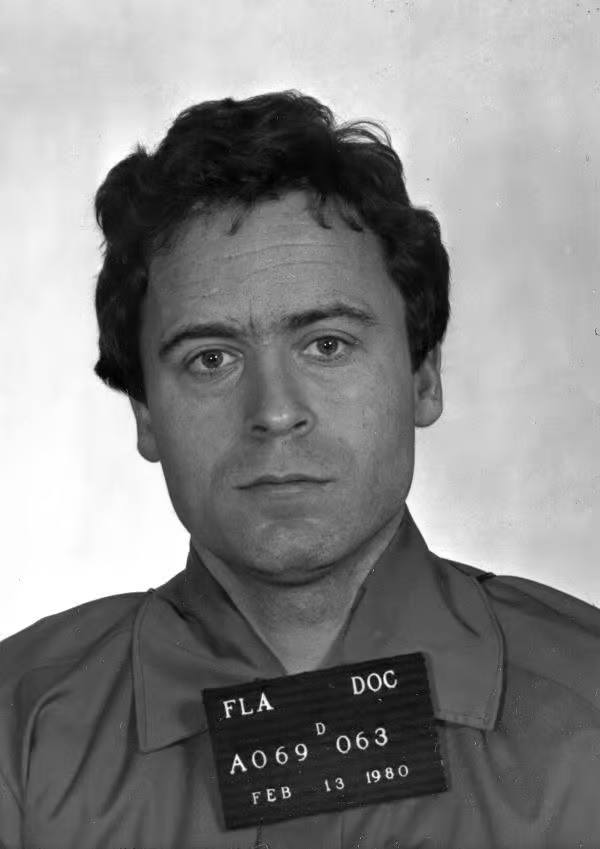
FILE NO. 0085Case status Convicted
The Ted Bundy case did not become one of the most examined in American criminal justice because of a single crime scene. He became a case study because of the pattern: young women disappearing across jurisdictions, public trust converted into access, bodies moved to remote locations, institutions failing to communicate, courts underestimating risk, and finally, in Florida, a bite mark left on a victim’s body inside a sorority house full of sleeping women.
Bundy confessed to 30 homicides in seven states between 1974 and 1978. The true victim count has long been presumed to be higher. His known offending moved through Washington, Oregon, Utah, Colorado, Idaho and Florida. The case remains a central reference point in serial homicide analysis because it contains nearly every major issue that modern investigators, forensic psychologists, legal scholars and true crime writers must confront:
- Psychopathic presentation and the “mask of sanity”
- Organized offender methodology
- Victim acquisition through ruse and social compliance
- Sexual sadism and postmortem behaviour
- Multi-jurisdictional investigative failure
- Escapes enabled by institutional negligence
- Behavioural decompensation under fugitive pressure
- Forensic odontology and the bite-mark controversy
- Media romanticization and victim erasure
- Law enforcement reform after a mobile serial offender exposed systemic weakness
Bundy’s case is not useful because he was exceptional in the mythic sense. He was not supernatural, unknowable or uniquely brilliant. His case is useful because it shows how ordinary systems can be manipulated by an offender who appears socially credible, how violence can be organized without being sophisticated in any moral sense, and how cultural fascination can distort the reality of homicide.
The core forensic argument is this: Bundy’s charm was not separate from his crimes. It was part of the offence structure. His public face allowed him to approach victims, maintain relationships, deflect suspicion, manipulate courtrooms and exploit institutions that mistook composure for control. The “mask” was not just camouflage. It was a weapon.
The second core argument is that the 1978 Florida murders were not isolated eruptions. They were the foreseeable consequence of institutional failure. Bundy had already been convicted in Utah and was in custody in Colorado when two escapes exposed severe weaknesses in court security and jail supervision. Once free, he arrived in Florida as a fugitive under pressure, without the normal life structure that had supported his façade. Within about a week, he attacked the Chi Omega sorority house.
The third core argument is forensic: the bite-mark evidence that helped convict Bundy also helped legitimize a field later criticized for its weak scientific foundations. In 2026, a very different kind of forensic evidence, a DNA profile developed from preserved biological material, formally closed a 1974 Utah murder case against him. The two kinds of proof should never be treated as equivalent.
The final core argument is ethical. Bundy’s cultural legacy has too often centred his face, voice, courtroom performance and supposed charisma while reducing victims to photographs, ages and hair descriptions. A serious case study must reverse that distortion. The victims were not supporting characters in Bundy’s biography. They were the centre of the harm. For a victim-by-victim history, read our Ted Bundy victims timeline, which this dossier links to rather than repeats.
Who Was Ted Bundy?
Ted Bundy was an American serial killer convicted in Florida of the 1978 murders of Lisa Levy, Margaret Bowman and Kimberly Leach. He was executed on January 24, 1989. Before his execution he confessed to 30 homicides, while investigators have long suspected the true number may be higher. In April 2026, Utah authorities announced that DNA evidence had confirmed him as the killer of Laura Ann Aime in 1974. This dossier separates convictions, confession-backed cases, strong historical attributions, survivors and disputed claims rather than treating every number as equal.
Case Snapshot
Case register
Not every attribution is equal
The case record includes convictions, late confessions, survivor testimony, body recoveries, strong historical attributions, DNA confirmation and disputed or incompletely documented claims. Those categories should remain separate.
Charm is not explanation
Bundy’s public image has often been reduced to “charming,” “intelligent” or “genius.” That framing can obscure the repeated use of deception, coercion, physical violence, transport and opportunity. See our analysis of the serial killer genius myth.
The Mark That Ended the Mask
The bite mark did not create the case against Ted Bundy, but it became the image that stripped away the performance.
It was found on the body of Lisa Janet Levy, a 20-year-old Florida State University student attacked inside the Chi Omega sorority house in Tallahassee in the early hours of January 15, 1978. The wound was intimate, unnecessary and forensically reckless. It placed the offender close enough to leave the architecture of his mouth in human tissue. For a man who had spent years relying on distance, deception, body disposal and social plausibility, it was a behavioural rupture.
The Chi Omega house was not a remote dump site. It was a residence full of sleeping women. The rooms were close together. The risk of interruption was high. The time window was narrow. The offender entered through a rear door reported to have a faulty lock, moved through the building and attacked multiple victims with compressed violence.
Margaret Elizabeth Bowman, 21, was attacked as she slept. Lisa Levy, 20, was beaten, sexually assaulted and bitten. Karen Chandler and Kathy Kleiner survived severe blunt-force injuries. Within roughly an hour, Bundy attacked Cheryl Thomas in a nearby apartment, leaving her with permanent injuries.
The Chi Omega scene mattered because it contradicted Bundy’s established pattern. Earlier, he had often used ruses, isolation, transportation and concealment. In Tallahassee, he entered a crowded residence, used an improvised weapon, left victims in place, created living witnesses and abandoned control. It was the point at which the organized offender under pressure became visibly unstable. The mask did not disappear because he confessed. It cracked because the evidence showed what his behaviour had become.
The Central Forensic Problem
Bundy’s case is often framed through contradiction:
- Law student and serial killer
- Political campaign worker and abductor
- Crisis hotline volunteer and sexual sadist
- Boyfriend and predator
- Courtroom performer and condemned prisoner
Those contradictions are real, but they are not mysteries. They are evidence of compartmentalization.
Bundy’s public self was not false in the simple sense. It was functional. It allowed him to move through respectable spaces, maintain relationships, evade suspicion and manipulate institutional expectations. The danger was not that he looked like a monster. The danger was that he did not.
His case forces a hard analytical question: how does an offender use normality as part of the crime? The answer lies in the convergence of five elements:
- Psychopathic interpersonal style: charm, deceit, arrogance and emotional shallowness.
- Organized predatory method: surveillance, ruse, abduction, transport, disposal.
- Sexual sadism and possession: violence tied to control, domination and postmortem access.
- Institutional vulnerability: fragmented police systems, underestimated courtroom risk, weak jail security.
- Cultural misdirection: public fascination with the offender’s presentation rather than the victims’ lives.
Bundy’s case is therefore not only a homicide case. It is a system case. It shows what happens when behavioural warning signs, institutional assumptions, forensic uncertainty and media appetite intersect.
Psychological Profile: The “Successful” Psychopath
Clinical and behavioural framework
The term “successful” must be handled with discipline. It is not admiration. It refers to function. Bundy’s social presentation worked for him. It gave him access. It gave him cover. It gave him time.
Bundy has often been described through the framework of psychopathy. Dr. Hervey Cleckley, a foundational figure in the study of psychopathy, reportedly diagnosed him as a psychopath. Later behavioural analysis has often placed him within the concept of the “successful psychopath,” meaning an offender able to maintain social function, manipulate perception and appear credible while engaging in predatory behaviour.
Core trait structure
- High antagonism: callousness, manipulativeness, arrogance, deceit, lack of remorse.
- High social boldness: glib charm, comfort approaching strangers, calmness under pressure, the capacity to perform credibility.
- Sexual sadism and domination: gratification linked to control, suffering, helplessness and possession.
- High instrumental control: planning, surveillance, ruse development, body disposal, escape preparation.
- Low emotional depth: shallow affect, limited empathy, emotional mimicry rather than emotional attachment.
- Postmortem behaviour: later confessions indicated that death did not necessarily end the offence for him; in some cases, the body remained part of his control sequence.
Why “successful psychopath” matters
Bundy’s ability to function socially was not a contradiction to his violence. It was one of the reasons the violence continued. His competence made him more dangerous, not less.
Case register
Bundy was not “out of control” for most of his offending career. He was controlled in service of pathology. That distinction is central. His violence was not random chaos. It was frequently planned, concealed, repeated and adapted.
Diagnostic labels and their limits
Writers have attached a long list of labels to Bundy: antisocial personality disorder, sexual sadism, narcissism, even “imposter syndrome.” Each captures something observable. His disregard for others’ rights fits antisocial patterns; his admissions point toward sexual sadism; his need for an audience, from the courtroom to his final interviews, fits narcissistic traits.
But labels applied after the fact, by people who never examined him, are interpretations rather than findings. No diagnosis was ever adjudicated, and none was needed to establish his guilt. The more useful conclusion is behavioural: whatever names are attached, the record shows planning, concealment, adaptation and repeated choice. Psychopathy is not legal insanity, and pathology did not erase responsibility.
Pathology of Origin: Family Secrecy and Compartmentalization
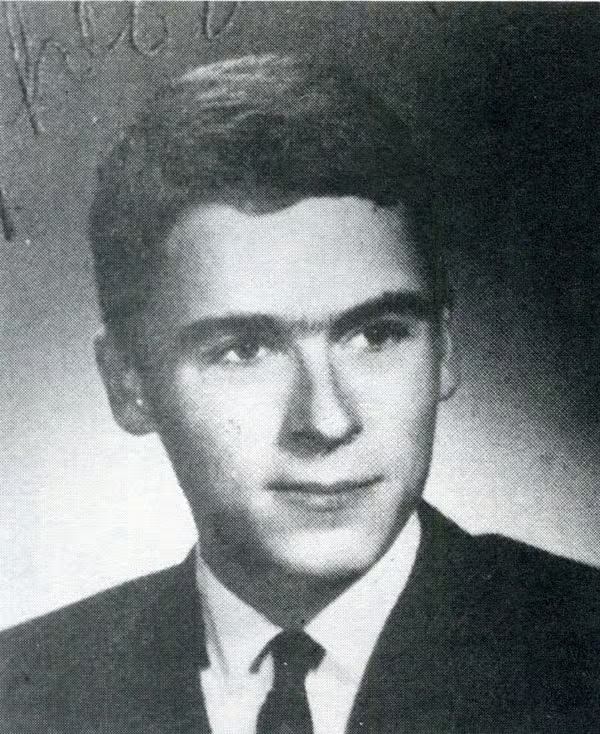
Bundy was born Theodore Robert Cowell at a home for unwed mothers in Burlington, Vermont. For years, he was reportedly raised to believe that his mother, Eleanor Louise Cowell, was his sister and that his grandparents were his parents. The later discovery of this deception has often been described as psychologically significant. He never knew his biological father with certainty.
It would be irresponsible to claim that family secrecy or an absent father caused his crimes. Many people experience family instability, concealment, shame or early identity disturbance and never become violent. More precisely, Bundy’s early environment introduced him to concealment, divided identity and the maintenance of appearances.
The later adult pattern was defined by those same structures:
- A public self and a hidden self
- Social credibility and private predation
- Relationship performance and emotional absence
- Legal performance and criminal culpability
- Ordinary appearance and extraordinary harm
Accounts have also described juvenile voyeurism, fascination with knives and possible animal cruelty. These details are sometimes discussed within the older “homicidal triad” framework, though that model should be approached with caution. The stronger conclusion is that early boundary violations and deviant interests appear to have existed before the known adult murders. The developmental foundation does not explain Bundy away. It frames the architecture of secrecy, resentment, entitlement and compartmentalization that later became visible in his offending.
The Mask in Intimate Relationships
Bundy’s intimate relationships provide a critical window into his manipulation. They show how his public presentation operated up close.
Elizabeth Kloepfer: domestic proximity to the mask
Elizabeth Kloepfer’s memoir, The Phantom Prince, remains one of the most important personal accounts connected to Bundy. She met him in 1969 and later described herself during that period as lonely, insecure, divorced, raising a child and struggling with alcohol. Bundy appeared to offer steadiness, attention and protection. That appearance was part of the danger.
According to Kloepfer’s account, Bundy established emotional control through inconsistency. He could be affectionate, then cold; available, then unreachable. This intermittent reinforcement created instability and dependency. The relationship did not simply conceal his criminal life. It gave him a domestic identity that contradicted what investigators were beginning to suspect. Kloepfer herself reported her suspicions to police in 1974, one of the early tips that placed his name in the files.
The most chilling detail came after his arrest, when Bundy reportedly told Kloepfer that he had once attempted to kill her by manipulating the fireplace damper and sealing her apartment door so smoke would fill the room. If accurate, that admission was not needed for his legal defence. It functioned as control after the fact.
Carole Ann Boone: belief, performance and courtroom control
Carole Ann Boone met Bundy while working in Olympia, Washington. Her continued belief in him after his public unmasking demonstrates how powerful his manipulative presentation remained.
The most notorious moment came during the penalty phase of his 1980 trial in the Lake City case. Acting as his own attorney, Bundy called Boone to the stand, proposed to her, and married her in the courtroom under Florida law. This was not simply an emotional act. It was tactical theatre:
- Defiance: it challenged the court’s authority just as the system was closing in.
- Humanization: it created an image of Bundy as desirable, loved and socially normal.
- Control: it shifted attention from the victim and the evidence to Bundy’s performance.
- Manipulation: it used legal procedure as a stage for personal spectacle.
- Narcissistic reinforcement: it allowed Bundy to appear powerful even while facing death.
The marriage was one of the clearest examples of his behavioural pattern: use the room, use the rules, use the people, and make the moment about himself.
Offender Methodology: How Bundy Created Access
Bundy’s pre-Florida offending is often classified as organized. That does not mean flawless. It means his crimes frequently involved preparation, victim selection, controlled approach, transportation, concealment and post-offence evasion. His central methodology was not brute force at the point of first contact. It was social engineering, followed by sudden violence.
- Approach: Bundy often wore a sling or cast, used crutches, or claimed to be an authority figure. The point was to draw the victim close enough to a car door or doorway for a surprise attack.
- Control: victims were frequently incapacitated by a blow to the head, handcuffed or restrained, then moved into his Volkswagen Beetle.
- Remote assault: the later stages of the crimes usually occurred far from the point of capture, in wooded pull-offs, mountain roads or brush, away from immediate witnesses.
The injury ruse
Bundy often feigned physical vulnerability, using a sling, cast, crutches or a similar presentation to create the appearance of harmlessness. The ruse lowered the victim’s threat assessment, activated empathy, created a socially acceptable reason for contact, drew victims closer to his vehicle, made refusal feel rude or unkind, and allowed him to control distance before violence began.
The injury ruse worked because it inverted danger. A man who appeared hurt seemed less threatening. The victim was not responding to obvious aggression. She was responding to a request for help.
The authority ploy
In the attempted abduction of Carol DaRonch, Bundy presented himself as a police officer, reportedly using the name “Officer Roseland.” This was a different compliance mechanism. It did not ask for empathy. It demanded obedience. It created artificial legitimacy, increased pressure to comply, made resistance feel socially and legally risky, and exploited public trust in law enforcement. The authority ploy demonstrates adaptability. Bundy was not dependent on one method. He used whatever social script gave him access.
Forced entry and night attacks
Not all Bundy attacks relied on charm. The attacks on Karen Sparks and Lynda Ann Healy involved intrusion into private spaces while the victims slept. That pattern avoided public resistance, reduced the need for persuasion, allowed immediate physical control and created a private scene for violence. Bundy’s public image as a charming deceiver can obscure the blunt reality of his violence. He did not always persuade. Sometimes he entered, struck and removed.
MO and Signature: What Worked vs. What Meant Something
Bundy’s modus operandi and signature must be separated. MO refers to what enabled the crimes: access, control, transport, disposal and escape. Signature refers to what made the crimes psychologically meaningful to the offender: domination, sexual violence, postmortem behaviour, possession, unnecessary acts and symbolic control.
Case register
The intersection of MO and signature is where Bundy’s case becomes most revealing. Body disposal was practical, but later admissions of returning to remains indicate that disposal sites could also become sites of continued psychological possession. The same behaviour could serve concealment and gratification.
Victimology: Who Was Targeted and Why
Bundy’s victimology has often been reduced to surface features: young women, often with long dark hair parted in the middle. That description is incomplete. It risks turning victims into a visual category and ignoring the behavioural conditions that made them vulnerable. The popular claim that every victim resembled one former girlfriend is a story, not a finding.
Bundy selected or exploited availability. His victims were often alone or temporarily separated from others; in public places where contact appeared normal; in private residences where they were vulnerable; within an age range he appeared to prefer, though the 12-year-old victims in Idaho and Florida represented a significant deviation; and accessible through empathy, authority, routine or isolation.
Victim selection involved both preference and opportunity. The critical constant is that Bundy targeted conditions he believed he could control.
- Victims were not chosen only for appearance. Availability and control mattered more.
- Public spaces did not protect victims. Parks, streets, campuses, resorts and parking lots became access zones.
- Private spaces did not protect victims. Apartments and bedrooms were breached when Bundy used forced entry.
- Empathy was exploited. Victims who helped an apparently injured man were responding to a normal social cue.
- Authority was exploited. DaRonch’s case shows how Bundy used implied police power to create compliance.
- Youth and trust increased vulnerability. The abduction of a 12-year-old from a Lake City school shows the extreme expansion of his target range.
Victim Record
The full sequence is larger than any single headline count, and the categories below matter. “Convicted” means a court verdict. “DNA confirmed” means a laboratory match announced by authorities. “Confessed” means Bundy admitted the killing, usually in his final days. “Attributed” means investigators consider the link strong without a conviction. The detailed history of each victim is in our Ted Bundy victims timeline.
Case register
Survivors are evidence
Carol DaRonch escaped a fake-police abduction attempt in Utah. Karen Sparks survived an attack in her own room. Karen Chandler, Kathy Kleiner and Cheryl Thomas survived the Tallahassee attacks. Their survival preserved direct evidence of methods that homicide scenes could not, and their testimony returned the trials to harm rather than performance.
Case Geography
Bundy’s series moved from the Pacific Northwest into Utah and Colorado, then exploded in Florida after two escapes.
- Washington and Oregon: the early known sequence clustered around Seattle, Olympia, Ellensburg, Burien and Corvallis, with recovery zones at Taylor Mountain and near Issaquah. The Lake Sammamish abductions occurred in broad daylight in a crowded state park.
- Utah, Colorado and Idaho: Salt Lake City, Holladay, Midvale, Lehi, Murray, Bountiful, Snowmass, Vail, Grand Junction and Pocatello form the mountain-west sequence. Here Bundy refined the fake-authority and fake-injury ruses.
- Florida: after escaping Colorado custody twice, Bundy reached Tallahassee. The Chi Omega attack and the Lake City abduction were faster and more chaotic than many of the earlier crimes.
Geography mattered because remote terrain, travel corridors, state lines and delayed discovery affected both victim recovery and forensic clarity.
Behavioural Chronology: Escalation and Movement
Bundy’s offending is best understood as a behavioural progression, not a list of isolated crimes. The pattern moved through intrusion, abduction, transportation, disposal, escape, decompensation and partial reorganization.
Case register
Comparative Victimology and Methodology
The following table separates victim profile, access method, scene type, disposal behaviour and forensic meaning for the cases that best illustrate his methods.
Case register
Washington and Oregon: Establishing the Pattern


The Pacific Northwest period established Bundy’s core offending structure. The earliest known attacks show both intrusion and organization.
Karen Sparks
The attack on Karen Sparks in January 1974 reveals the blunt-force foundation of Bundy’s violence. He entered her basement room while she slept, beat her with a metal rod taken from her bed frame and sexually assaulted her. He left her for dead. She survived with severe, lasting injuries. Behaviourally, the case shows private-space intrusion, immediate blunt-force control, sexual violence and an early sadistic fantasy structure. It was not yet the polished public ruse later associated with Bundy. It was direct, invasive and violent.
Lynda Ann Healy
Late on January 31 or in the early hours of February 1, 1974, 21-year-old Lynda Ann Healy disappeared from the basement bedroom she rented near the University of Washington. She was a psychology student who gave morning ski reports on local radio. When she failed to appear, her housemates found blood on her bedding. Bundy is believed to have entered, beaten her unconscious and carried her out. Her remains were later identified among those recovered on Taylor Mountain.
The Healy case marks the crystallization of Bundy’s more organized pattern: forced entry, incapacitation, removal from the primary scene, transportation, remote disposal and delayed discovery. The investigation was forced to begin with absence.
Lake Sammamish
On July 14, 1974, Janice Ott and Denise Naslund were taken in public from Lake Sammamish State Park, hours apart. A man with his arm in a sling introduced himself as “Ted” and asked women to help him with a sailboat. Two women had vanished from a busy public place after encounters with a man who volunteered his first name. That gave police something the earlier cases had not: a concentrated group of witnesses describing the same behaviour, car and suspect. Their remains were found that September in rough terrain east of Seattle. The name, the sling and the Volkswagen helped investigators convert rumour into a suspect profile, and Kloepfer was among those who called in his name.
Utah and Colorado: The Hunting Ground Expands

After moving to Salt Lake City in the fall of 1974 to attend law school, Bundy carried his method into new jurisdictions. That movement exposed a critical weakness in American policing at the time: local agencies were not structured to rapidly connect similar disappearances and homicides across state lines. Bundy’s mobility became part of his concealment.
Utah cases
Within weeks of his arrival, 16-year-old Nancy Wilcox disappeared from Holladay. Her body has never been recovered; Bundy later confessed to the killing.
Melissa Smith, 17, disappeared from Midvale on October 18, 1974. Her body was found nine days later near Summit Park. The case reflects Bundy’s comfort operating in public and removing victims far from the point of capture.
Laura Ann Aime, also 17, left a Halloween gathering in Lehi on October 31. Hikers found her body on November 27 in American Fork Canyon. For more than five decades, investigators considered Bundy responsible, but suspicion was not enough to close the file.
The 2026 DNA confirmation
On April 1, 2026, the Utah County Sheriff’s Office announced that it had “definitive proof” that Bundy murdered Laura Ann Aime in 1974. According to the Sheriff’s Office release, testing “confirmed irrefutably” that DNA evidence recovered from her body belonged to Bundy. State officials told reporters that a single male profile developed from preserved evidence produced a CODIS match to Bundy’s profile from Florida, and Sheriff Mike Smith declared the case officially closed. Bundy had acknowledged the killing before his execution, but investigators had never treated his word as proof. The result also gives other agencies a modern DNA profile to compare against their own open cases.
Carol DaRonch
On November 8, 1974, Carol DaRonch, 18, was approached at a Murray shopping mall by a man who said he was a police officer. In his car, he tried to handcuff her. She fought, escaped and flagged down help. Her survival was one of the most important events in the case: she transformed Bundy from a suspected pattern into a prosecutable offender.
Later that evening, 17-year-old Debra Kent left a school play at Viewmont High School in Bountiful and never arrived at the skating rink where she was to collect her brother. Investigators found a small handcuff key in the school parking area. It fit the restraint used against DaRonch. Bundy later confessed to her killing, and decades afterward DNA identified a preserved bone as hers.
Colorado cases
Caryn Campbell, a 23-year-old nurse on a ski trip, disappeared from the Wildwood Inn in Snowmass on January 12, 1975. Her abduction from a hotel hallway represented a high-risk indoor offence that likely relied on a normal presentation. Her body was found weeks later near a remote road. Colorado later charged Bundy with her murder.
Julie Cunningham, 26, disappeared from Vail on March 15, 1975. In his confession, Bundy said he approached her on crutches and asked for help carrying ski boots to his car. Denise Oliverson, 24, vanished in Grand Junction on April 6; her bicycle and sandals were found, but she was not. In a ski town, ski boots and crutches became plausible. His methods in Colorado show refinement rather than chaos.
The Utah arrest
In August 1975, a Utah Highway Patrol sergeant stopped Bundy’s Volkswagen in Granger after it fled from him in the early morning. In the car, officers found items including handcuffs, a crowbar and a mask made from pantyhose. Investigators connected him to the DaRonch case, and she identified him. In March 1976, a Utah judge convicted him of aggravated kidnapping. Colorado then charged him with Campbell’s murder, and in January 1977 he was transferred there to await trial.
Systemic Failure: The Colorado Escapes
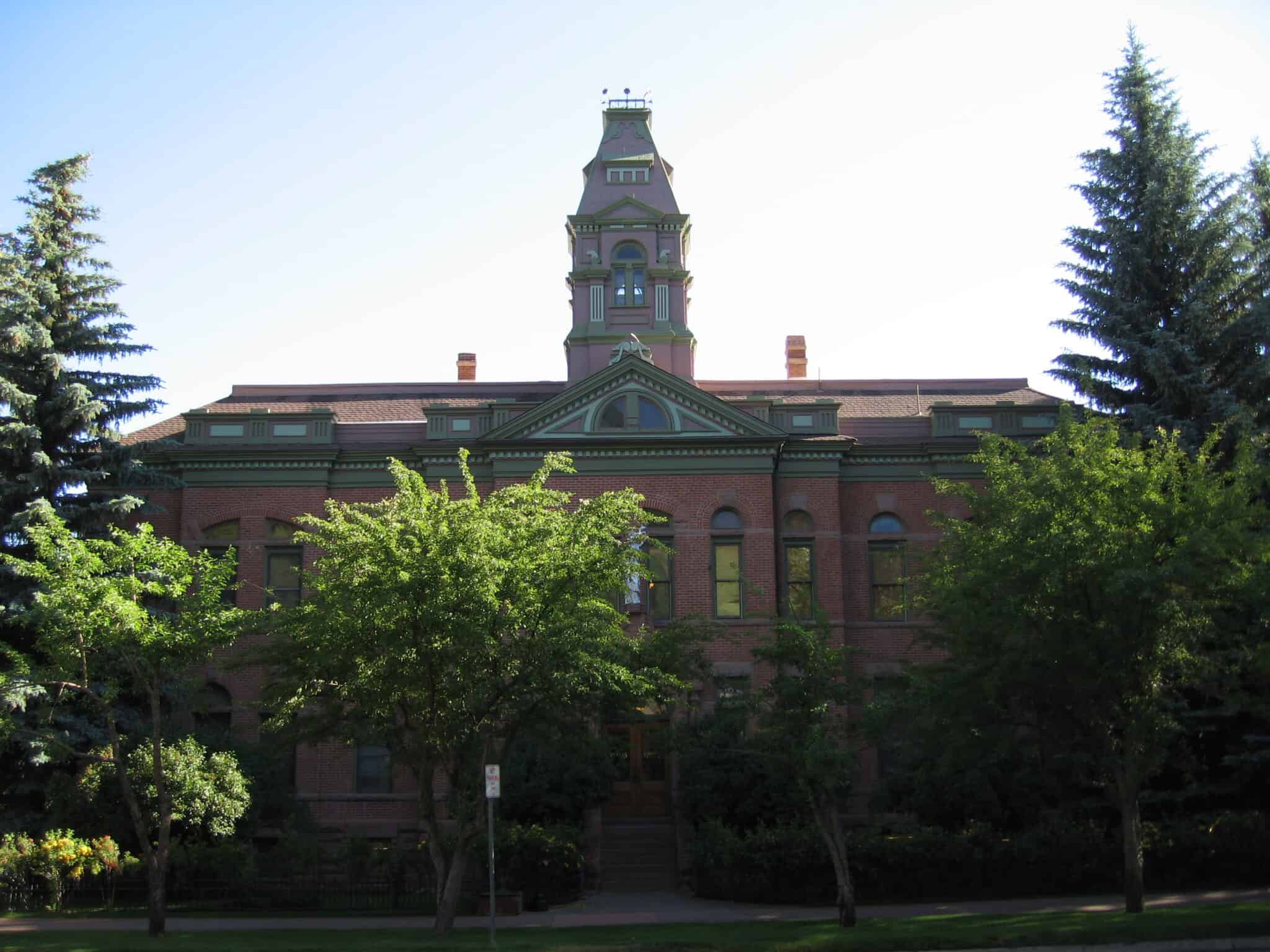
The Colorado escapes are not side stories. They are the hinge between Bundy’s earlier organized pattern and the Florida murders. By 1977, Bundy was no longer an unknown offender moving through fragmented jurisdictions. He had been convicted in Utah and transferred to Colorado for the Campbell case. The state had him. Then it lost him twice.
The Aspen escape
In June 1977, Bundy was permitted to act as his own attorney, which gave him access to the Pitkin County courthouse law library in Aspen. He was reportedly unshackled and allowed enough freedom of movement to open a window and jump from the second story. He escaped into the mountains and was recaptured six days later. The failures were overconfidence in courtroom procedure, underestimation of violent-offender risk, deference to his legal persona, and failure to physically secure a high-risk defendant.
The Glenwood Springs escape
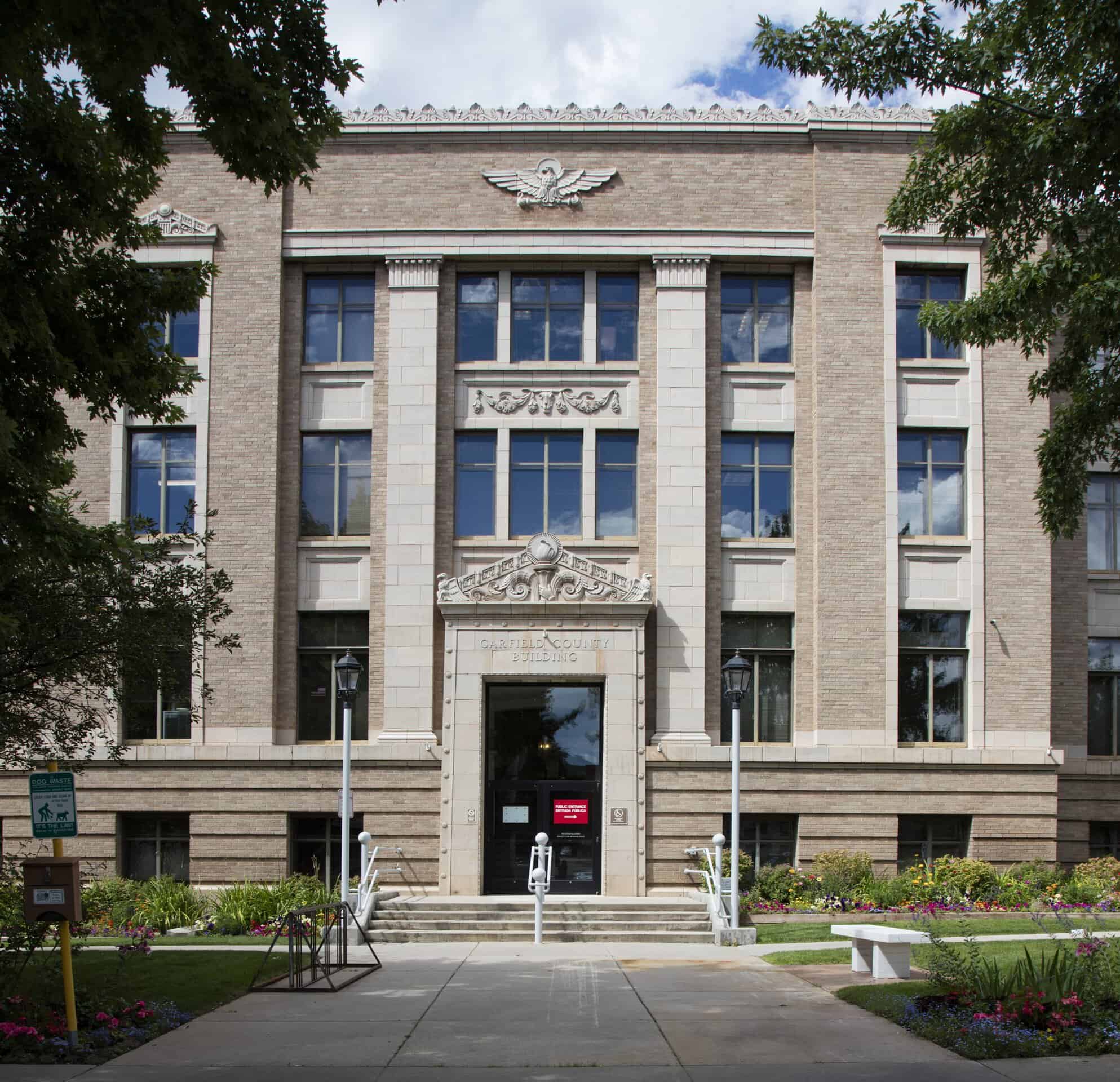
The second escape, on December 30, 1977, was more calculated. While held in the Garfield County jail, Bundy reportedly spent weeks cutting a hole in his cell ceiling. He lost enough weight to fit through the opening, placed books and blankets on his bed as a decoy, crawled through the ceiling space, dropped into the chief jailer’s living quarters, changed clothes and walked out. His absence was reportedly not discovered for many hours. The failures were a lack of cell inspection, unnoticed weight loss, undetected tampering, unsecured staff quarters and delayed discovery.
Why the escapes matter
The escapes created the conditions for the Florida murders. Bundy arrived in Tallahassee as a fugitive: without stable identity, money or legitimate social structure; without law school or political work as cover; without the routine that had supported his mask; under escalating pressure and forced into improvisation. That instability did not create his pathology, but it changed its expression. The controlled offender became more exposed, more desperate and more reckless.
Florida: The Chi Omega Blitz Attack
Scene overview
In the early hours of January 15, 1978, about a week after arriving in Tallahassee, Bundy entered the Chi Omega sorority house near Florida State University. The building was occupied. The victims were asleep. The offender used a rear entrance with a faulty lock and moved quickly through the house. This was not the earlier pattern of isolating one victim through ruse. It was an occupied residence, multiple victims and rapid violence.
Attack sequence
- Margaret Elizabeth Bowman, 21: beaten as she slept with a piece of oak firewood and strangled. She died at the scene.
- Lisa Janet Levy, 20: attacked in an adjacent room, beaten, strangled, sexually assaulted and bitten. She was killed.
- Karen Chandler and Kathy Kleiner: attacked in the room they shared. Kleiner’s jaw was broken in three places; Chandler suffered a skull fracture, a broken jaw, a broken arm and crushed fingers. Kleiner later recalled the headlights of a car sweeping across the room as another resident arrived, an interruption she believed ended the attack. Both survived.
- Cheryl Thomas: attacked within roughly an hour in her apartment a few blocks away on Dunwoody Street. She suffered five skull fractures, was in a coma and was left permanently deaf in one ear. She survived.
Resident Nita Neary saw a man leaving the house and later identified Bundy at trial.
Why Chi Omega was different
Earlier Bundy cases often involved one victim, initial manipulation or forced entry, movement from the primary site, a secondary assault location, remote disposal and delayed discovery. Chi Omega involved multiple victims, an occupied residence, an improvised weapon, a blitz attack, no body removal, survivors, high forensic exposure and an immediate crime scene. This does not mean Bundy became a different offender. It means the same pathology expressed itself under fugitive pressure and deteriorating control.
Case register
The Bite Mark: Evidence and Behavioural Rupture
The bite mark on Lisa Levy became one of the most famous forensic exhibits in American criminal history. It mattered in two ways.
First, it was used to physically connect Bundy to the Chi Omega scene. Dental casts were made of Bundy’s teeth and compared with photographs of the wound. His dentition was described as unusually crooked and misaligned. The comparison was presented to the jury as a positive identification.
Second, the bite mark revealed a behavioural break. Biting was not necessary for escape, control or concealment. It increased forensic risk. It was an intimate act of domination that exposed the offender. It placed the offender in direct physical contact with the victim, undermined Bundy’s courtroom performance, became a central prosecution exhibit, and later contributed to the public authority of a discipline that came under severe scientific criticism.
The Lake City Abduction and Murder
On February 9, 1978, less than a month after Chi Omega, Bundy abducted 12-year-old Kimberly Dianne Leach from her junior high school in Lake City, Florida. A witness reported seeing her led to a white van, later identified as one stolen from Florida State University. Her body was found on April 7 near Suwannee River State Park, concealed in an abandoned hog shed. Her murder is behaviourally crucial because it shows both deviation and return.
The deviation
She was 12, significantly younger than most of Bundy’s previously known victims, though not the first child he later admitted killing. The age deviation may indicate a broader victim preference than previously assumed, desperate opportunism, increased willingness to target extreme vulnerability, reduced access to prior preferred environments after Chi Omega, and escalation under pressure.
The return to organization
Despite the victimological deviation, the offence structure partially returned to Bundy’s earlier pattern: a single victim, abduction from one location, transportation by vehicle, a secondary scene, murder, concealment of the body and an attempt to delay discovery. Chi Omega was not a permanent shift into disorganization. It was a behavioural explosion. The Lake City murder shows Bundy attempting to regain the familiar structure of abduction, control, movement and disposal.
Case register
Investigation and Arrest
Bundy’s case exposed a major problem in American law enforcement: serial offenders who crossed jurisdictions could remain functionally invisible if agencies could not link patterns quickly. His mobility exploited state boundaries, localized case ownership, limited data sharing, delayed pattern recognition, the lack of centralized violent-crime linkage, and the assumption that disappearances were isolated events.
Carol DaRonch’s survival created a crucial turning point. Her identification helped secure Bundy’s Utah conviction for aggravated kidnapping. That conviction should have permanently interrupted his offending. Instead, the Colorado escapes returned him to circulation.
After the Florida attacks, Bundy was arrested in Pensacola on February 15, 1978, following a traffic stop involving a stolen car. By then, the Chi Omega murders, the attack on Cheryl Thomas and the Lake City murder had already occurred.
Key investigative turning points: the Lake Sammamish witnesses and the name “Ted”; DaRonch’s account; the 1975 Utah traffic stop; the Utah conviction; the Colorado charge; the Tallahassee scene evidence; Chi Omega survivor and witness testimony; the bite-mark comparison; stolen-vehicle evidence; the Pensacola arrest; the Florida prosecutions.
Key investigative failures: inadequate interstate communication; failure to rapidly link similar disappearances; underestimation of Bundy’s courtroom manipulation; inadequate courthouse and jail security; delayed discovery after the second escape; excessive institutional reliance on his respectable presentation.
Our collective blind spot
Bundy’s long run was not only a police problem. People want to believe dangerous men are easy to spot. Bundy was articulate, presentable and plausible, a law student and campaign worker who looked like “one of us,” and that appearance shaped how tips, suspicions and even courtroom security were weighed. The lesson is not that anyone could be a killer. It is that institutions should weigh evidence and behaviour, not reputation and manners.
The investigation eventually succeeded, but not before systemic failure allowed preventable harm.
Evidence Locker
Case register
Trials: Courtroom Performance and Legal Responsibility
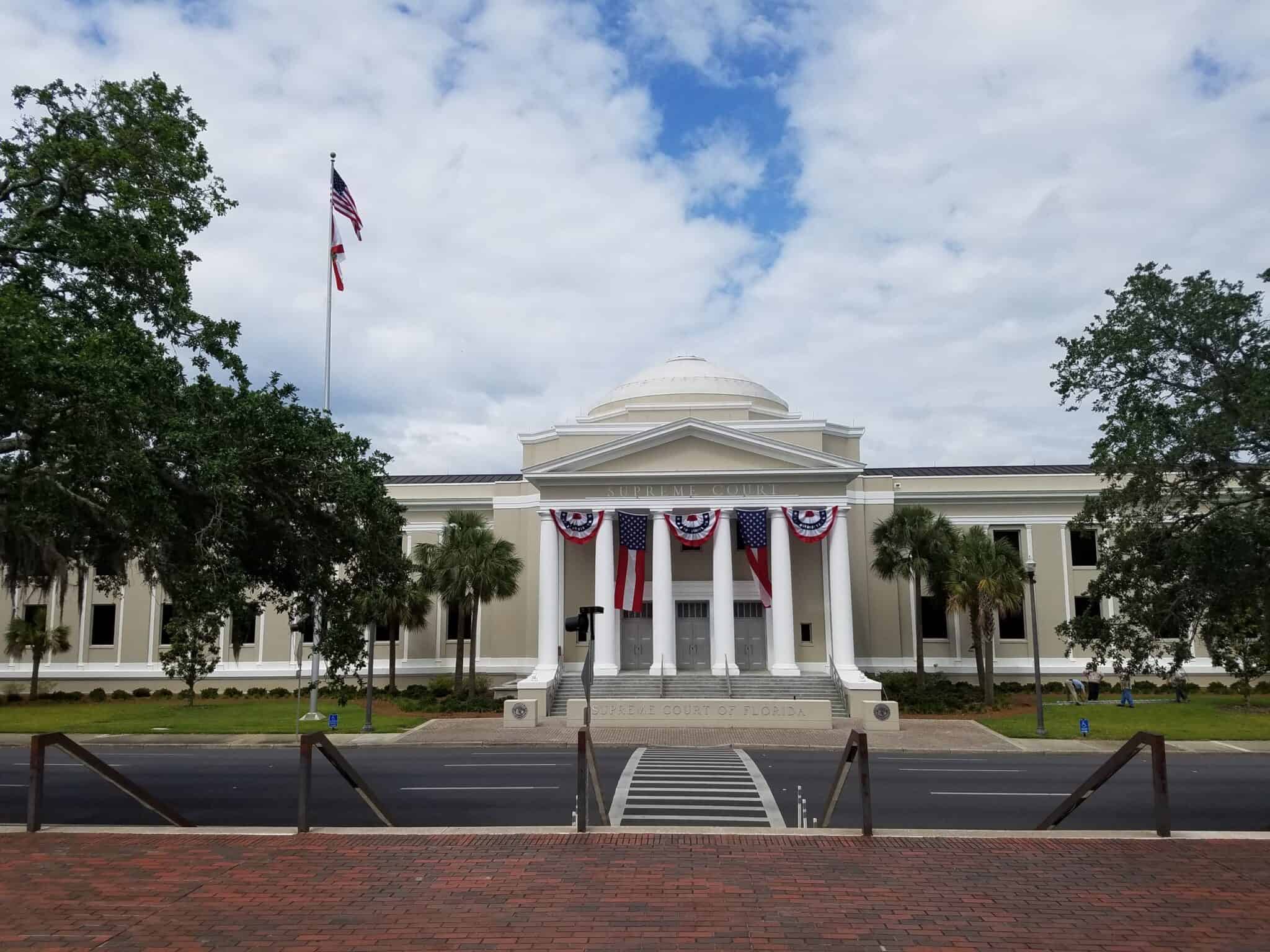
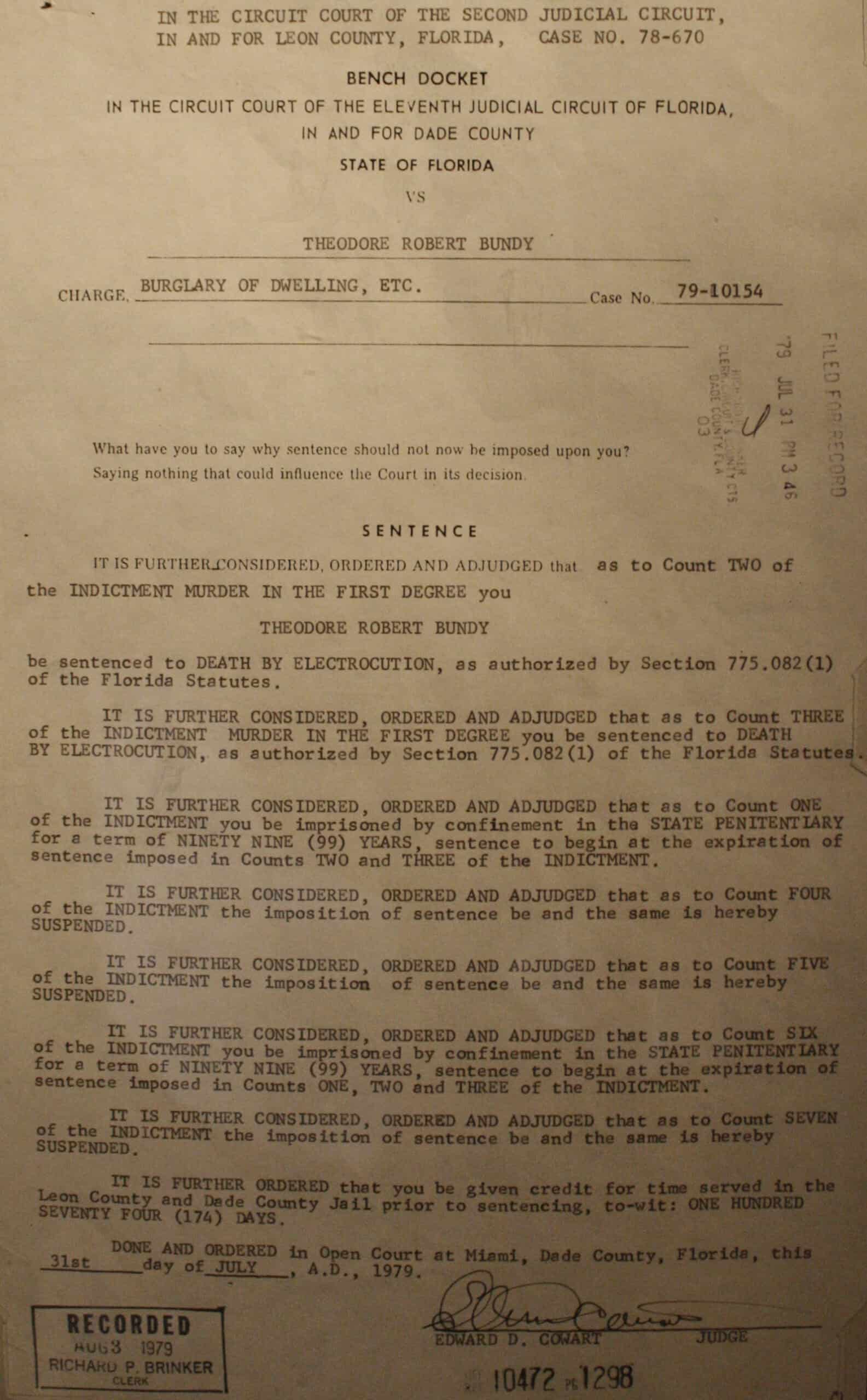
Bundy’s trials became public spectacles. His 1979 Miami trial for the Chi Omega murders was nationally televised and placed his courtroom behaviour before a mass audience. For Bundy, that mattered. He used legal proceedings as a stage.
Pro se control
Bundy’s decision to act as his own attorney, or to participate heavily in his defence, was not merely legal strategy. It allowed him to control the courtroom narrative, confront witnesses, perform intelligence, challenge authority, sustain the illusion of control and keep public attention centred on himself. The most disturbing effect was that survivors and witnesses could be exposed to his questioning. This was a continuation of psychological pressure in a public setting.
Survivors as witnesses
Survivor testimony returned the case to harm rather than performance. Carol DaRonch survived his authority ploy and attempted abduction. Karen Chandler and Kathy Kleiner survived the Chi Omega attack. Cheryl Thomas survived the attack in her apartment. Chandler and Thomas later said they considered testifying part of their responsibility: the jury needed to see that the attempted-murder counts concerned living people.
Verdicts and sentences
On July 24, 1979, the Miami jury found Bundy guilty of two counts of first-degree murder, three counts of attempted first-degree murder and two counts of burglary. Judge Edward Cowart imposed two death sentences. In February 1980, an Orlando jury convicted him of the kidnapping and murder in the Lake City case, and he received a third death sentence.
Legal responsibility vs. psychological pathology
Bundy’s psychological pathology did not erase legal responsibility. The record supports planning, concealment, manipulation, escape, flight and repeated adaptation. These behaviours indicate awareness of consequence and capacity for purposeful action. Psychopathy is not the same as legal insanity. Sexual sadism does not erase agency. Manipulation can coexist with competence. Courtroom performance does not establish innocence or brilliance. A defendant may be psychologically abnormal and still legally responsible.
Execution
After nearly a decade of appeals, Bundy was executed in the electric chair at Florida State Prison on January 24, 1989. Crowds gathered outside the prison. His will, signed the night before his execution, asked that his body be cremated and his ashes scattered over Washington’s Cascade Mountains. No exact scattering site was made public.
Forensic Odontology: The Bundy Paradox
The bite-mark evidence in the Bundy case became a landmark moment for forensic odontology. At trial, it appeared powerful, concrete and visually persuasive. Jurors could see the comparison between Bundy’s teeth and the wound. But the later history of bite-mark analysis is deeply troubled.
The scientific problem
Bite-mark analysis rests on two assumptions: that human dentition is unique enough to identify an individual, and that human skin reliably records that uniqueness. Both assumptions have been heavily criticized. Skin is not a stable recording surface. It stretches, bruises, swells, distorts and changes over time. A wound is not a dental mould. It is injured tissue.
The cognitive bias problem
Bite-mark comparison is also vulnerable to cognitive bias. Once an expert knows the suspect, the comparison may become more confirmatory than objective. Visual overlays can appear persuasive even when the underlying science is weak. The courtroom danger is simple: jurors see a pattern and are told it matches. Once seen, it is hard to unsee.
Wrongful conviction legacy
In later decades, bite-mark evidence was implicated in wrongful convictions. Men were convicted, imprisoned and even placed on death row based on testimony later discredited or undermined by DNA evidence.
Why Bundy was an outlier
The Bundy case may have involved unusually distinctive dental features. That made the evidence appear stronger than it might otherwise have in ordinary bite-mark cases. The error came when the apparent success of this case was treated as broad validation of the discipline. Bundy’s conviction did not rest on the bite mark alone, and the 2026 DNA result in Utah shows the difference between a persuasive pattern and a statistically grounded match.
Case register
The Bundy bite mark should be understood as a warning: a forensic technique can appear decisive in one case and still be scientifically dangerous when generalized.
Confessions and Reliability
Bundy confessed late, strategically and incompletely.
What he admitted
In his final days, Bundy confessed to 30 homicides and gave investigators information about victims, disposal sites and postmortem conduct. He described one abduction to Washington investigator Robert Keppel, admitted Utah killings to Utah investigators, discussed Colorado cases with Colorado detectives and an Idaho case with Idaho investigators. Those admissions clarified several cases that had remained fragmentary.
Why caution remains necessary
The confessions came while Bundy was bargaining for time and attention. He withheld names, collapsed timelines and sometimes gave investigators just enough truth to keep them listening. Investigators had to separate useful detail from manipulation, incompleteness and unverifiable claims. Late confessions are powerful but not automatically infallible.
The victim-total problem
Thirty is the confession figure, not a scientifically established final total. Some investigators suspected more; other proposed links remain too weak or disputed to merge into a single certainty level. Independent verification, such as the 2026 DNA result in the Aime case or the DNA identification of Debra Kent’s remains, is how individual cases move from his word to proof. Where that verification does not exist, the uncertainty should remain visible.
Sexual Violence and Postmortem Abuse
Content warning: this section discusses sexual violence and the abuse of human remains. It describes the record without graphic detail.
The case cannot be understood honestly without naming rape and corpse abuse. Several victims were sexually assaulted before death, with beatings and strangulation layered together. The sexual violence was not incidental; it was structurally tied to Bundy’s domination, humiliation and control. At Chi Omega, evidence indicated sexual assault in addition to blunt-force trauma and strangulation. With earlier victims, time and exposure often erased the physical proof, leaving his later admissions as the main record.
In his final interviews, Bundy told investigators that he had returned to some victims’ bodies after death, and that he had decapitated some victims and kept their heads for a time. These admissions are credible in broad outline, but the exact victim-by-victim mapping is not equally firm for every case. They matter analytically because they show that, for Bundy, murder did not end possession.
Body Disposal and Recovery
Bundy selected places where terrain, weather and time slowed discovery: steep slopes, brush, mountain pull-offs and wooded ravines. When remains were finally found, they were often partial, which limited what pathologists could establish and left families waiting years, or forever, for answers. Several victims, including Donna Manson, Georgann Hawkins, Nancy Wilcox, Julie Cunningham, Denise Oliverson, Lynette Culver and Susan Curtis, have never been conclusively recovered.
Disposal served concealment, but his admissions show it also served possession: sites he could return to. Remote geography also crossed jurisdictional lines, compounding the linkage failures that let him keep moving.
Fascination Amid Fear: Bundy’s Cultural Legacy
Bundy remains one of the most written-about offenders in American history, the subject of books, documentaries and dramatized films. Part of that draw is the paradox the press built around him: the law student who killed, the handsome defendant who represented himself. That fascination is exactly what a serious case file has to resist. It was not charm that let him escape twice; it was weak security. It was not genius that kept him free; it was fragmented policing. The jurors who heard the evidence convicted him, and the judges who sentenced him were not charmed into leniency. The legacy worth keeping is the one law enforcement drew from his case, in linkage systems like ViCAP and in a hard-earned skepticism about forensic overconfidence. For a wider look at how true crime can centre offenders, see our essay on true crime culture.
Open Questions
- How many women and girls did Bundy kill? Thirty confessed victims is the baseline, but some investigators suspect more. A few probable cases remain debated because the physical record is fragmentary or confession detail is thin.
- Which postmortem admissions can be mapped to named victims with confidence? His statements are credible in outline, but the victim-by-victim detail is uneven.
- Can the 2026 DNA profile resolve other cases? The Aime profile can now be compared with preserved evidence elsewhere. That prospect does not justify attaching his name to every unsolved disappearance along his travel routes. It creates a way to test some of those claims.
- How much weight should modern readers place on bite marks? They were central in 1979 and are rejected as a means of source identification today. Their historic role should be neither erased nor overstated.
Final Forensic Assessment
Theodore Robert Bundy was not a supernatural predator, a criminal genius, or a figure deserving fascination. He was a human offender whose pathology became behaviour through deception, sexual violence, control and repeated opportunity.
His case endures because it exposes a series of failures. The first was interpersonal. People around him saw charm, ambition and composure. Those traits were real enough to be convincing, but they were not evidence of safety. The second was investigative. Agencies lacked the systems necessary to rapidly connect similar violent crimes across jurisdictions. The third was institutional. Courts and jails underestimated him even after he had been identified as dangerous. The Colorado escapes were not clever folklore. They were preventable security failures with lethal consequences. The fourth was forensic. Bite-mark evidence helped convict Bundy, but its later legacy shows how courtroom persuasion can harden into scientific overconfidence. The fifth was cultural. The media made Bundy famous and, too often, made victims secondary.
The evidence tells a colder story than the myth. A man used social trust as a hunting tool. He used empathy and authority as access points. He used vehicles, distance and remote terrain to extend control. He used courtrooms as stages. When pressure stripped away part of his organization, he entered a house full of sleeping women and left behind the mark of his own mouth.
But the central lesson of the Bundy case is not the bite. It is the system around it: the people who trusted the mask, the agencies that failed to link the pattern, the jail that failed to hold him, the court that gave him room to perform, the forensic field that learned the wrong lesson from his conviction, and the culture that still too often remembers the killer more clearly than the killed. Fifty-one years after Laura Ann Aime disappeared, a laboratory finally supplied a conclusion that did not depend on Bundy’s willingness to tell the truth.
Bundy’s violence was not unknowable. It was patterned. It was adaptive. It was facilitated. And, at multiple points, it was preventable.
Field Glossary
- Convicted victim: a victim whose murder was proven in court, such as Lisa Levy, Margaret Bowman or Kimberly Leach.
- DNA confirmed: a case in which authorities announced a DNA match to Bundy, as in the 2026 Aime case.
- Attributed or confessed: a victim accepted through Bundy’s admissions, investigative consensus or strong circumstantial linkage, without a murder conviction.
- Modus operandi (MO): the practical method used to commit a crime; it can change with circumstances.
- Signature: behaviour that serves the offender’s psychological needs beyond what the crime requires.
- Decompensation: a breakdown in an offender’s usual control and method, often under stress.
- Necrophilia: sexual activity involving a corpse. Bundy’s own late confessions place it inside his offending pattern.
- Bite-mark evidence: comparative dental evidence used prominently in the Lisa Levy prosecution. Historically important, scientifically rejected for source identification.
- CODIS: the FBI-run Combined DNA Index System used to compare DNA profiles across jurisdictions.
Related Case Files
- Ted Bundy victims timeline: the victim-by-victim chronology from 1974 to the 2026 DNA closure.
- The serial killer genius myth: why intelligence is the wrong frame for offenders like Bundy.
- Erotophonophilia and sexual homicide: how verified case facts can be distorted into offender typology.
- Serial killer cycle phases: ruse, stalking and escalation without pretending a universal sequence predicts crimes.
- Aileen Wuornos forensic dossier: another Florida execution case and its mythology.
Frequently Asked Questions
When was Ted Bundy executed?
On January 24, 1989, in the electric chair at Florida State Prison, after nearly a decade of appeals.
What was Bundy convicted of in the Chi Omega case?
On July 24, 1979, a Miami jury found him guilty of two counts of first-degree murder, three counts of attempted first-degree murder and two counts of burglary. Judge Edward Cowart imposed two death sentences.
What was he convicted of in Orlando?
In February 1980, an Orlando jury convicted him in the Lake City case, the abduction and murder of Kimberly Leach.
How many people did Bundy kill?
Thirty confessed victims is the baseline. Some investigators suspect more, and a few probable cases remain debated.
What did the 2026 DNA result show?
On April 1, 2026, the Utah County Sheriff’s Office said a male DNA profile from evidence preserved in the 1974 murder of Laura Ann Aime matched Bundy’s profile, and declared the case closed.
How did Bundy escape in Colorado?
He escaped twice: from the Pitkin County Courthouse in Aspen and later from the Garfield County jail in Glenwood Springs.
Why was the bite mark important?
It was the physical evidence that tied Bundy to the Chi Omega attack, though the file treats forensic odontology with caution because of its later record in wrongful convictions.
Sources and Evidence Boundary
Citations & Sources
This dossier separates convictions, DNA confirmation, confession-backed cases, strong historical attributions, survivors and disputed claims. Primary-source priority: court records, official archives, law-enforcement releases and forensic-science reviews.
Primary and official records
- Utah County Sheriff’s Office: Laura Ann Aime homicide case closure (April 1, 2026)
- Bundy v. State: Florida Supreme Court opinion
- State Archives of Florida (Florida Memory): Bundy custody photograph
- Utah Bureau of Criminal Identification: cold-case records
- Colorado Cold Case Files: Denise Lynn Oliverson
- National Institute of Standards and Technology: Bitemark Analysis, a NIST Scientific Foundation Review supplement
- National Research Council: Strengthening Forensic Science in the United States: A Path Forward
- Florida Sheriffs Association: How Ted Bundy’s crimes impacted law enforcement
- Florida Sheriffs Association: Remembering Ted Bundy and the Chi Omega murders
- Denver Public Library Special Collections: Ted Bundy in Colorado
Reporting
- Deseret News: Ted Bundy now officially linked to 1974 murder of Utah teen (April 1, 2026)
- Associated Press: DNA testing confirms Bundy killed Laura Ann Aime
- Deseret News: DNA testing helped police confirm Debra Kent was killed by Ted Bundy (2019)
- CBS News: Surviving Ted Bundy, women attacked share their stories
- People: The true story of Carol DaRonch
- Deseret News: Bundy’s will requests cremation and scattering of ashes in Washington (1989)
- Biography: Elizabeth Kloepfer, Ted Bundy’s former girlfriend
Forensic science and scholarship
- University at Buffalo: Bitemark evidence can send the wrong person to prison or death row
- Innocence Project: The lasting impact of the 2009 NAS report
- Case Western Reserve University School of Law: Bite mark analysis
- Dr. Samuel D. Harris National Museum of Dentistry: The most infamous bite mark case
- Cal Poly Digital Commons: The unheard voices and privilege of a killer, an analysis of Ted Bundy
Books
- Ann Rule, The Stranger Beside Me (W. W. Norton).
- Elizabeth Kendall (Elizabeth Kloepfer), The Phantom Prince: My Life with Ted Bundy.
- Stephen G. Michaud and Hugh Aynesworth, Ted Bundy: Conversations with a Killer (Signet).
- Robert D. Keppel and William J. Birnes, The Riverman: Ted Bundy and I Hunt for the Green River Killer (Pocket Books).
- Robert D. Hare, Without Conscience (Guilford Press).
Discover more from The Dark Side of Humanity
Subscribe to get the latest posts sent to your email.