FILE NO. 0107Case status Convicted
Case file: TDSH-CF-1989-USA. Updated: October 16, 2026.
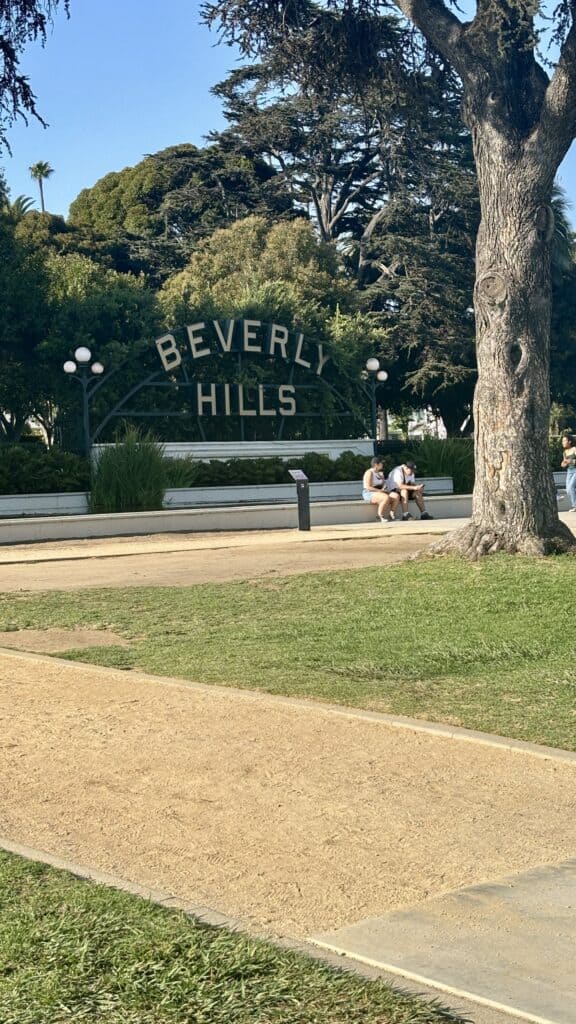
On the night of August 20, 1989, Jose Menendez, 45, and his wife, Mary Louise “Kitty” Menendez, 47, were shot to death in the den of their home on North Elm Drive in Beverly Hills. Their sons, Lyle and Erik Menendez, then 21 and 18, were later charged with the killings. After one trial that ended with two deadlocked juries and a second trial that ended in convictions, both brothers were found guilty in 1996 of two counts of first-degree murder and one count of conspiracy to commit murder, with the special circumstances of multiple murder and lying in wait, and were sentenced to life in prison without the possibility of parole (Los Angeles Times, 1996; Ninth Circuit, 2005).
Nearly three decades later, the case moved again. In May 2025 a Los Angeles judge resentenced both men to 50 years to life, which made them eligible for parole as youth offenders. Both were denied parole that August, a judge rejected their bid for a new trial that September, and in September 2026 the state parole board moved their next hearings forward to early 2027. This case file starts with the two people who died, follows the record from the night of the killings through both trials, and ends with a dated account of where the case stands now. Every claim about the brothers beyond their convictions and sentences is attributed to the court, the prosecution, the defense, a witness or the reporting that recorded it.
In this case file: the victims; the night of August 20, 1989; the investigation; the therapy tapes and the arrests; the abuse allegations; the first trial; the second trial; appeals and the 2023 habeas petition; resentencing and parole; where the case stands; quick answers; and why the case still divides.
Contents
- Jose and Kitty Menendez: the victims
- August 20, 1989: the night on North Elm Drive
- The “mob hit” story, the will and the spending
- The Oziel sessions, the tapes and the arrests
- The abuse allegations: what each side told the juries
- The first trial (1993 to 1994): two juries and two mistrials
- The second trial (1995 to 1996): conviction and sentence
- Appeals and the 2023 habeas petition
- Resentencing and the first parole hearings (2024 to 2025)
- Where the case stands (updated October 16, 2026)
- Why the case still divides
- Sources
Jose and Kitty Menendez: the victims
Jose Enrique Menendez was born in Cuba to a family of business people and athletes. Relatives said at his memorial service that his father, Jose Francisco, had been a world-class soccer player and his mother, Maria Carlotta, an Olympic swimmer (Los Angeles Times, Aug. 26, 1989). After Fidel Castro came to power, his parents sent him to the United States at 16. He lived in the attic of a relative’s house in Pennsylvania, according to the Los Angeles Times, which described the home as a farmhouse in 1989 and as a cousin’s house in 1990 (1989; 1990).
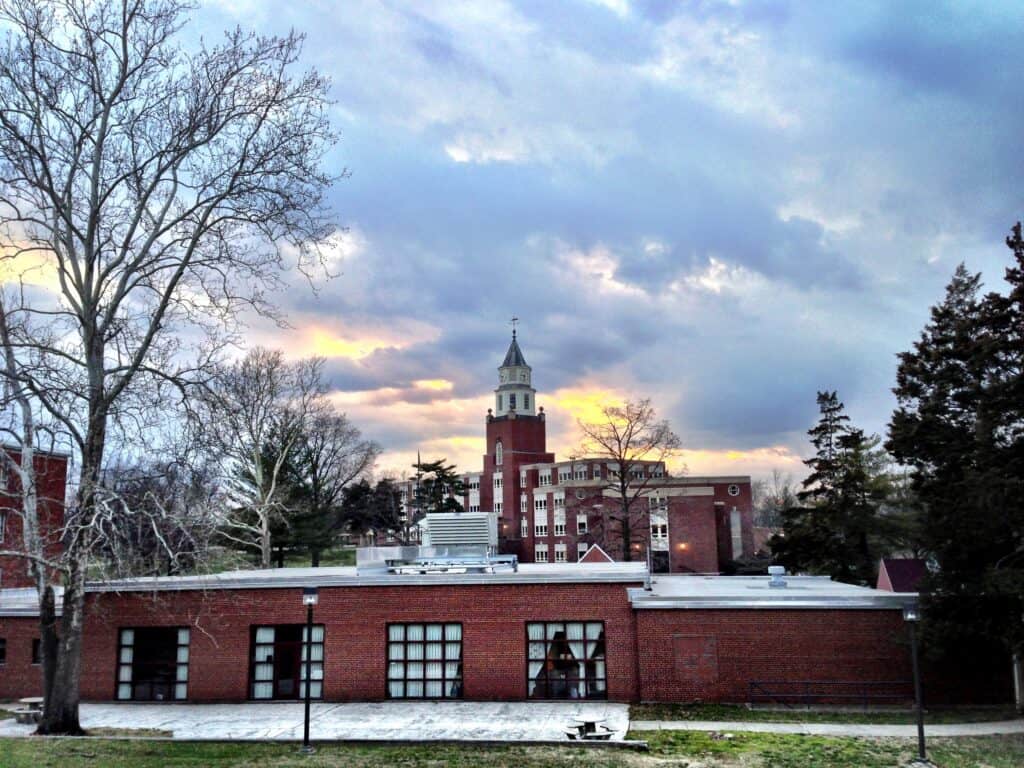
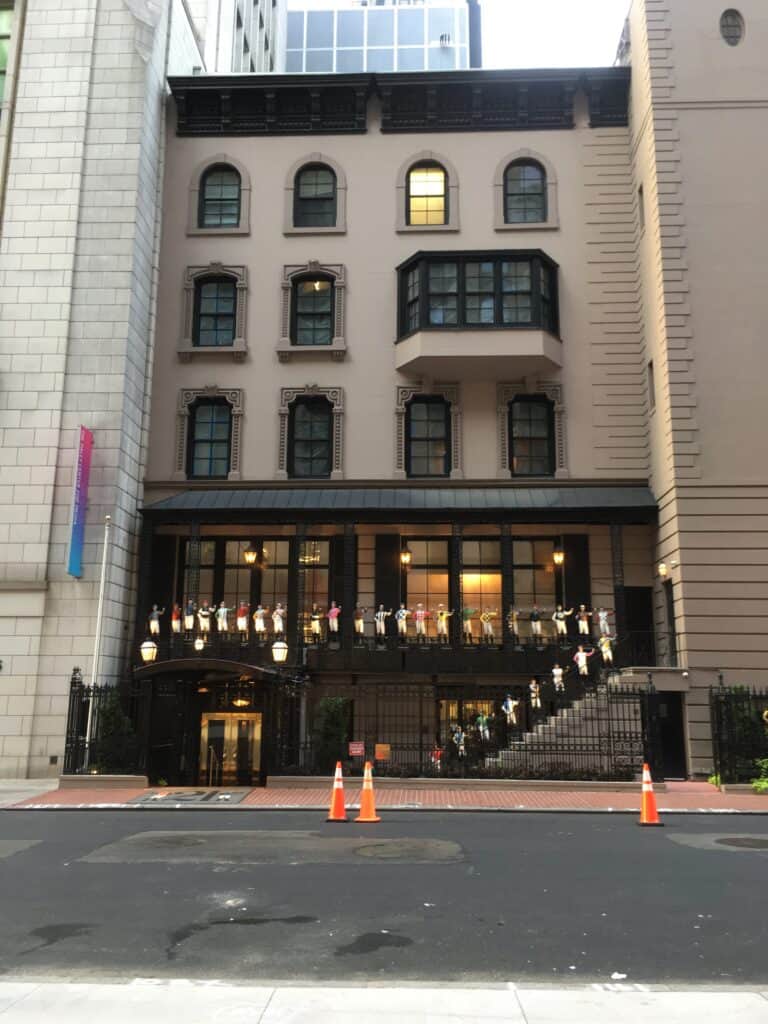
A star swimmer in high school, he won an athletic scholarship to Southern Illinois University in Carbondale, where he met Mary Louise Andersen, a communications major from Oak Lawn, Illinois, nicknamed Kitty (Los Angeles Times, 1990). His family thought he was too young to marry. He wrote back, the Times reported, that “if I’m old enough to live on my own at 16, I’m old enough to get married at 19.” The couple married in 1963 and moved east. In New York, Kitty worked as a schoolteacher while Jose washed dishes at the 21 Club and completed an accounting degree at Queens College (Los Angeles Times, 1989; 1990).
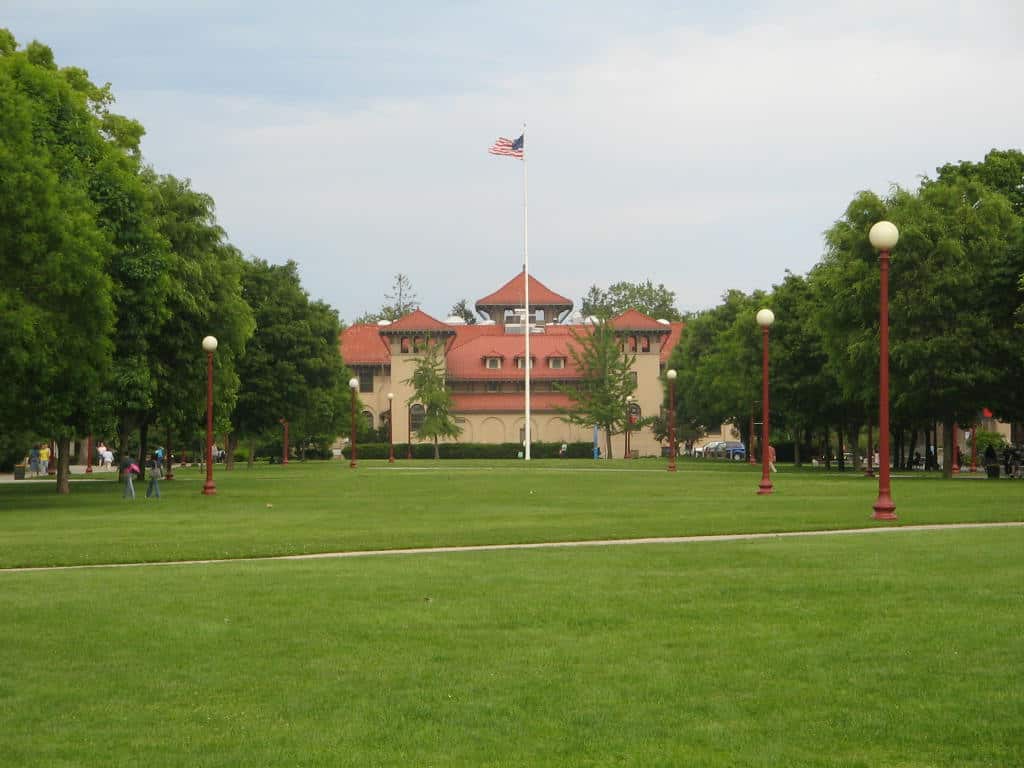
His rise was fast. He started at the accounting firm Coopers & Lybrand, became comptroller and then president of a container company in Illinois, and by 35 was running U.S. operations for Hertz, then an RCA subsidiary (Los Angeles Times, 1990). A biography released by his company after his death said he spent 14 years with RCA and was chief operating officer of its RCA/Ariola records division. A former colleague told the Times he had a passion for Latin music and revitalized the label’s Latin line, and the paper reported that he brought stars including Puerto Rico’s Menudo to RCA Records (Los Angeles Times, Aug. 21, 1989; Aug. 25, 1989). In 1986 he joined Carolco Pictures and oversaw the turnaround of International Video Entertainment, a failing video company Carolco bought that year, and he became chairman and chief executive of LIVE Entertainment, the Van Nuys video firm partly owned by Carolco. Company officers told the Times that the video unit lost $20 million in 1986 but became profitable almost immediately under his leadership (Los Angeles Times, Aug. 25, 1989).
The Times’s interviews with his associates in the week after his death described two men. Friends saw a charismatic leader and a brilliant deal maker. Adversaries saw an over-reacher who cut jobs and corners. “He can often be insensitive,” said Carolco’s president, Peter Hoffman, still speaking of him in the present tense. “He’s a guy who reaches for every advantage in a transaction” (Los Angeles Times, Aug. 25, 1989).
The journalist Robert Rand describes the same management style in his book “The Menendez Murders” (BenBella Books, updated edition, 2024). According to Rand, colleagues saw Jose as a ruthless businessman who ridiculed subordinates, and one of his favorite lines to an employee who had fallen short was, “Well, then, you haven’t really done your job, so what are we paying you for?” Roger Smith, his second in command at LIVE, testified in 1993 that Jose once told him, “I’ve always believed, Roger, that it is far better to be feared than to be loved” (Los Angeles Times, Oct. 30, 1993).
Kitty Menendez’s family remembered her as a competitor. Her brother Brian told mourners she had been a “competitive, precocious ‘tomboy'” growing up, and that “Jose certainly had met his challenge when he and Kitty became man and wife.” A LIVE executive said she had been “an athlete and a serious performer” (Los Angeles Times, Aug. 26, 1989). The Times described her as a former beauty queen from Oak Lawn (Los Angeles Times, 1990; 1996). A girlfriend of Lyle’s who spent two Christmases with the family told the paper she found Kitty “warm and sympathetic” (Los Angeles Times, 1990).
Kitty’s own childhood was not easy, according to Robert Rand’s book “The Menendez Murders.” Rand writes that her father was physically abusive toward her mother and her brothers and that her parents’ marriage ended in divorce when Kitty was 3.

The couple raised their sons in the New York suburbs and then near Princeton, New Jersey, before Jose’s job brought the family to California in 1986. They lived first in Calabasas. In October 1988 they moved to a $4 million house on North Elm Drive in Beverly Hills (Los Angeles Times, Aug. 21, 1989; 1990).

The marriage was under strain by then. Edwin Cox, a psychologist who treated Kitty in 1986 and 1987, testified in 1993 that she was suicidal and consumed by her discovery of Jose’s eight-year affair with another woman, and that she had talked of previous attempts (Los Angeles Times, Oct. 30, 1993). According to Robert Rand’s book, Kitty was admitted to a hospital intensive care unit in 1988 after an overdose of Xanax and alcohol, her psychiatrist feared she was suicidal, and she wrote anguished letters to Jose. Rand quotes one: “Please find someone you can truly fall in love with and start again, build a new family… I know our boys will always be most special to you, they are special, my gift to you…”
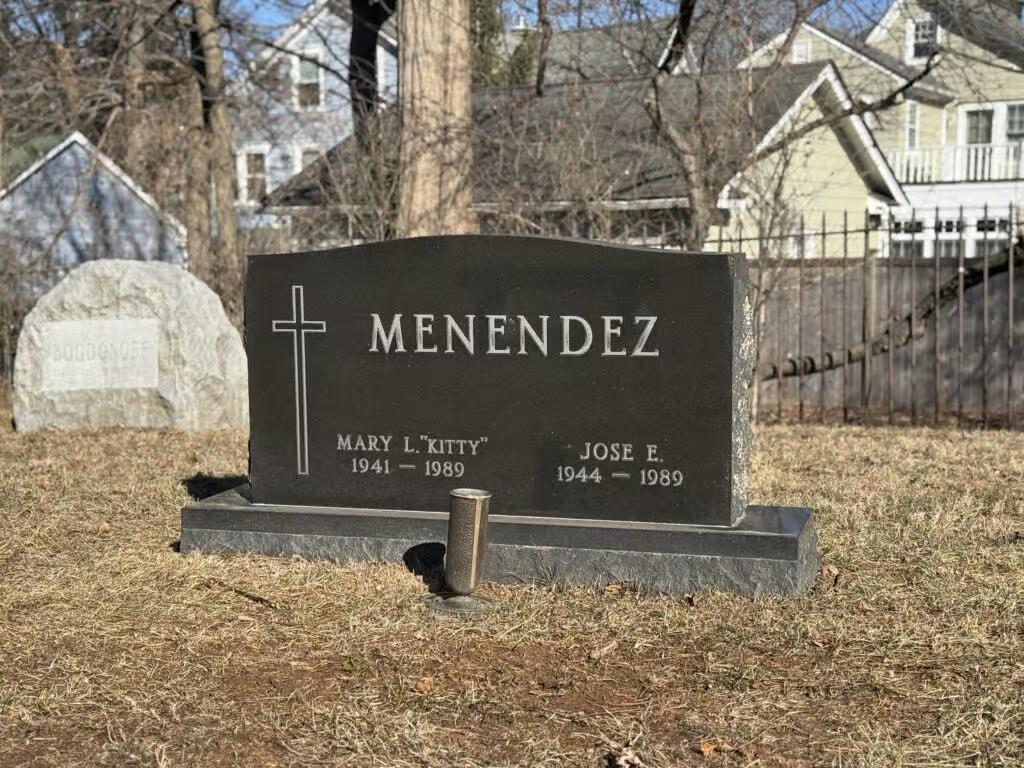
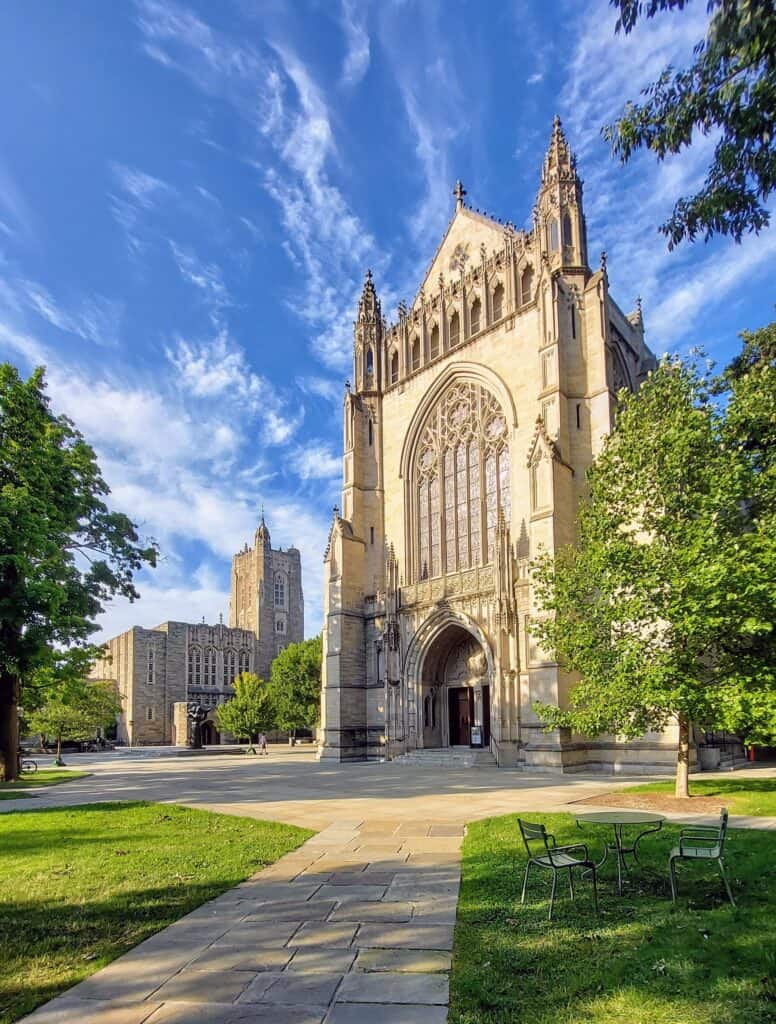
More than 100 relatives, friends and colleagues attended a memorial service for the couple on August 25, 1989, in a screening room at the Hollywood headquarters of the Directors Guild of America, and a second service was planned in a chapel on the Princeton University campus (Los Angeles Times, Aug. 26, 1989). Jose and Kitty Menendez are buried in Princeton Cemetery, the burial ground of President Grover Cleveland (Los Angeles Times, 1990).
The people this crime harmed did not stop with the two who died. The surviving relatives are themselves considered victims of the crime, and in this case that means nearly the whole extended family, which is also the family of the two men convicted (CNN, 2025). Most of those relatives, on both the Menendez and Andersen sides, came to support the brothers’ release. “We all, on both sides of the family, believe that 35 years is enough,” cousin Anamaria Baralt said in May 2025 (AP, 2025). Kitty’s brother Milton Andersen did not. Through his lawyer he said in 2024 that his nephews’ “cold-blooded actions shattered their family” and that he preferred they stay in prison “because he believes that’s what justice requires” (NBC Los Angeles, 2024). He died in 2025 (Los Angeles Times, May 13, 2025).
August 20, 1989: the night on North Elm Drive
The most detailed public account of the killings is the trial record, which the U.S. Court of Appeals for the Ninth Circuit summarized in its 2005 opinion rejecting the brothers’ federal appeal. Unless another source is named, the account below is the court’s summary of the evidence, including the brothers’ own testimony (Menendez v. Terhune, 422 F.3d 1012).
According to that record, on August 18, 1989, Lyle and Erik tried to buy guns at several stores. Told that handguns could not be bought immediately, they drove to San Diego, where they bought two shotguns at a third store using false identification and nonexistent addresses. Back in Los Angeles they were turned away from a firing range that did not allow shotguns, and after being told birdshot was “useless” for “stopping” a person, they bought buckshot. On August 19 the family went on a planned fishing trip, which the court described as uneventful.
On August 20, Lyle made plans with a friend, Perry Berman, to meet at the “Taste of L.A.” food festival after he and Erik saw the film “Batman.” The brothers never went to the film and never arrived at the festival. Erik testified that there was an argument that evening, that his parents went into the den and closed the doors, and that Lyle told him, “It’s happening now.” The court found the record unclear on how much time passed before the shooting, but it was enough for the brothers to separate, retrieve the shotguns and load them with buckshot at the car.
At about 10 p.m., the court wrote, Jose and Kitty Menendez were in the den, unarmed, watching television and eating. Lyle and Erik burst through the doors and fired 13 to 15 shotgun blasts. Before it was over they went back to the car, where Lyle reloaded, and returned so that Lyle could fire one more shot at Kitty, who was still alive. In 2025 a parole commissioner called that final shot a “callous” decision (Los Angeles Times, Aug. 22, 2025). A neighbor across the back alley, watching a James Bond film on television, told the Times the next day that he heard “popping” sounds and thought nothing of them (Los Angeles Times, Aug. 21, 1989).
The court’s summary continues with what happened next. The brothers collected the spent shells, drove to a movie theater and bought tickets for “Batman” as an alibi, then threw them away when they saw the tickets were time-stamped. At a gas station they dumped the shells, their bloodied clothes and their shoes in a trash can. Lyle called Berman, said they had gotten lost on the way to the festival and suggested meeting at a restaurant instead, then called back and proposed meeting at the house.
At 11:47 p.m., Lyle called 911. “It was a very hysterical call,” a Beverly Hills police spokesman said the next day. Officers arrived one minute later (Los Angeles Times, Aug. 21, 1989). The Ninth Circuit described Lyle telling the operator that someone had killed his parents, Erik screaming in the background, and both brothers running toward the officers. In its own words, the court wrote that the scene was consistent with killings “carried out with the false Mafia story already in mind,” and that “the shotgun overkill” appeared “designed to simulate a gangland hit” (Ninth Circuit, 2005).
| Date and time | What the record shows |
|---|---|
| Aug. 18 | The brothers try several stores, then buy two shotguns in San Diego with false identification (Ninth Circuit). |
| Aug. 18 | Turned away from a firing range, they buy buckshot (Ninth Circuit). |
| Aug. 19 | Family fishing trip, described by the court as uneventful (Ninth Circuit). |
| Aug. 20, daytime | Lyle makes plans with Perry Berman to meet at the Taste of L.A. festival after “Batman” (Ninth Circuit). |
| Aug. 20, about 10 p.m. | Jose and Kitty Menendez are shot in the den; 13 to 15 blasts are fired (Ninth Circuit). |
| Aug. 20, after the shooting | Shells collected; alibi tickets bought and discarded; clothes dumped at a gas station (Ninth Circuit). |
| Aug. 20, later that night | Lyle calls Berman twice about meeting (Ninth Circuit). |
| Aug. 20, 11:47 p.m. | Lyle calls 911; police arrive a minute later (Los Angeles Times). |
The “mob hit” story, the will and the spending
For months the case looked like something else. The Times reported in the first week that police would not disclose even the number of shots fired, and that their silence fed speculation about an execution-style killing tied to Jose Menendez’s business (Los Angeles Times, Aug. 25, 1989). His company had bought two firms that had previously been linked with organized crime, and his sister, Marta Menendez-Cano, told the Associated Press he was killed because he refused to do business with mobsters. Lyle told a Times reporter before flying east for the Princeton service that “someone was trying to send a message” (Los Angeles Times, Aug. 26, 1989).
The Ninth Circuit’s summary describes how that theory was kept alive. Lyle told officers the killings might be “business-related,” hired round-the-clock bodyguards, and told his bodyguard and his girlfriend that the Mafia or a Colombian cartel was responsible. He ended the arrangement after a week, saying a “deal” had been reached. In the fall, Erik told Berman that the murders involved a man named Noel Bloom, who had business problems with Jose (Ninth Circuit, 2005). Bloom had sold International Video Entertainment to Carolco and had sued over the deal, the Times reported in 1989 (Los Angeles Times, Aug. 25, 1989). The trial record summarized by the Ninth Circuit treats the Mafia story as false, and no source reviewed for this case file tied Bloom to the killings.
Beverly Hills detectives said later that they had suspected the brothers from the start. “From the very onset we had suspicions of the boys’ involvement,” Lt. Russ Olson, the department’s chief of detectives, told the Times after Lyle’s arrest (Los Angeles Times, March 9, 1990).
The will and the computer
Money ran through the investigation. Police put the estate at $14 million, all of it left to the two sons if both parents died together, and the Times reported that the brothers stood to net about $3 million each after estate taxes and other items (Los Angeles Times, March 9, 1990). According to the Ninth Circuit’s summary, Jose’s 1981 will left everything to the brothers, but they had reason to fear he had written a new one. Erik testified that his mother told him Jose had disinherited him. Lyle told the family lawyer that a newer will might be on the home computer. Files titled “Will,” “Erik” and “Lyle” were later found on that computer but could not be recovered. A computer expert, Howard Witkin, testified that Lyle called him in for an “emergency” and asked him to make sure the disk was completely erased, saying he was selling the computer. The family later found the 1981 will, which became the only will (Ninth Circuit, 2005).
Jose’s brother-in-law Carlos Baralt, the executor of the estate, testified for the defense at the first trial that in June or July 1989 Jose told him he wanted to leave Erik and Lyle out of his will, and that he had already told them. On cross-examination, Baralt said he understood the will had not been changed before the killings (Los Angeles Times, Oct. 28, 1993). Robert Rand writes in “The Menendez Murders” that Jose told Baralt he was “frustrated and disappointed” with his sons.
The spending
The court’s summary records that the brothers began shopping within days. Lyle bought three Rolex watches, two money clips and a Porsche 911 Carrera Cabriolet. Erik bought a Jeep Wrangler, and both bought houses, clothes and businesses (Ninth Circuit, 2005). Among the businesses was Chuck’s Spring Street Cafe, a Princeton hangout, for which the Times reported Lyle paid $550,000, with plans to franchise its Buffalo chicken wings (Los Angeles Times, 1990). Published estimates of the total spent varied widely, so this case file does not repeat a figure. At the retrial, prosecutor David Conn made the spending a centerpiece of his case (UPI, 1996).
A jewelry saleswoman testified at the retrial that the brothers came to her store four days after the killings and spent about $15,000 on three Rolex watches, along with money clips (CNN, archive of Court TV coverage, October 1995). In “The Menendez Murders,” Robert Rand writes that the store was in the Century City Shopping Center, that Lyle’s watch was an 18-karat gold Rolex President priced at $11,250, and that the bill, nearly $17,000 with the money clips, was charged to Jose’s American Express card.

The Oziel sessions, the tapes and the arrests
The case broke through a psychologist. According to the Ninth Circuit, Erik had been charged in juvenile court in 1988 with two residential burglaries in Calabasas. A lawyer, Gerald Chaleff, suggested counseling to support a diversion request, and the family found a Beverly Hills psychologist, Dr. L. Jerome Oziel. His report helped secure Erik’s diversion and the eventual dismissal of the charges. After the killings, without telling Chaleff, the brothers resumed sessions with Oziel in September, October and November 1989 (Ninth Circuit, 2005).
On October 30, 1989, the court wrote, Erik called Oziel and said he urgently needed to talk. Oziel, who already suspected the brothers, had his business associate and lover, Judalon Smyth, listen in. Erik met him the next day, October 31, and confessed in detail. Oziel then called Lyle to the office. According to the record, when Lyle learned what Erik had done he shouted at his brother: “I can’t believe you did this! I can’t believe you told him! I don’t even have a brother now! I could get rid of you for this! Now I hope you know what we are going to do. I hope you realize what we are going to have to do. We’ve got to kill him and anyone associated to him.” Oziel began taping sessions for his own protection, the court wrote, and a session with both brothers on December 11, 1989, was recorded (Ninth Circuit, 2005).
Oziel’s own account of that afternoon, given on the witness stand in 1993, includes a scene that Robert Rand also recounts in “The Menendez Murders.” Oziel testified that Erik arrived describing nightmares and “very vivid images of his parents being dead,” that the two went for a walk and sat on a park bench, and that at the front door of the office building Erik leaned back against a parking meter and said, “We did it. We killed our parents” (Los Angeles Times, Aug. 5, 1993).
Prosecutors told the first jury that the brothers explained to Oziel they had killed because Jose “controlled them and made them feel inferior,” and that they included Kitty because she would have been a witness. Never, prosecutor Pamela Bozanich told jurors, did either brother mention abuse to Oziel. Lyle’s lawyer answered that the brothers had “made the decision they were not going to reveal the family secrets” (Los Angeles Times, July 21, 1993).
Smyth goes to the police
After her relationship with Oziel ended, Smyth went to the Beverly Hills police and told them what she knew (Ninth Circuit, 2005). The Times later reported that the two broke up in March 1990 and that Smyth went to the police the next day; Robert Rand’s book “The Menendez Murders” gives the date as March 5, 1990. At the first trial, called as a defense witness, Smyth testified that she could no longer vouch for parts of her earlier statements about the brothers and said Oziel had “implanted” memories in her (Los Angeles Times, Nov. 17, 1993). On March 8, 1990, officers, accompanied by a special master, served a search warrant on Oziel and took three audio cassettes: Oziel’s notes on the October 31 and November 2 sessions, his notes on a November 28 session with Erik, and the recording of the December 11 session (California Supreme Court, 1992). The Ninth Circuit’s opinion gives the warrant date as March 8, 1989, an apparent typographical error; the state Supreme Court’s opinion and the 1990 news reports place it in 1990.
Lyle was arrested that afternoon, Thursday, March 8, as he left the house on Elm Drive. Erik was playing in a tennis tournament in Israel. He flew back by way of the East Coast, gave himself up at Los Angeles International Airport at 1:10 a.m. on Sunday, March 11, and was booked at the Men’s Central Jail. Both were held without bail (Los Angeles Times, March 9, 1990; March 12, 1990). Investigative sources told the Times that police also had a small amount of physical evidence, including a 12-gauge shotgun shell found in one of Lyle’s jackets (Los Angeles Times, March 12, 1990).
The fight over the tapes
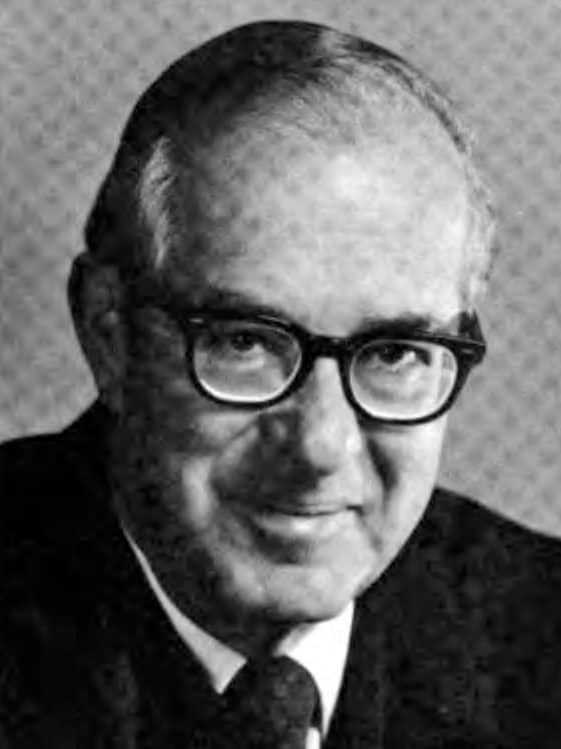
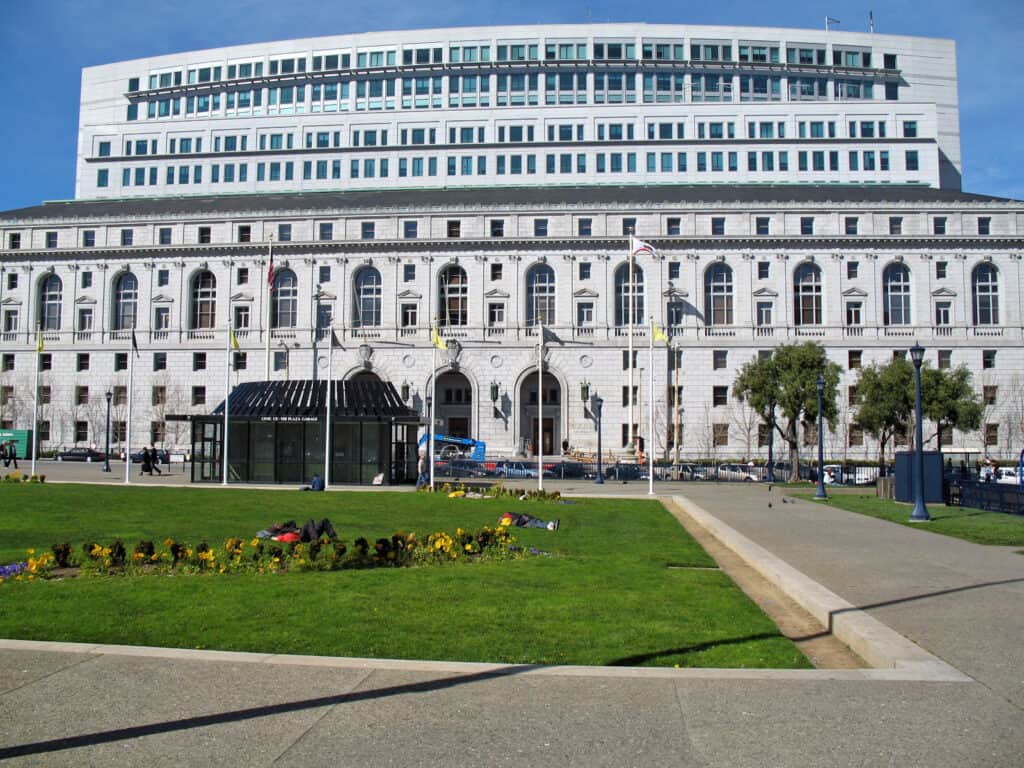
The recordings were sealed while the courts decided whether the psychotherapist-patient privilege protected them. On August 6, 1990, a Superior Court judge ruled that it protected none of the three cassettes, and the Court of Appeal agreed in March 1991. On August 27, 1992, the California Supreme Court split the difference in an opinion signed by Justice Stanley Mosk. It held that Oziel’s notes of the October 31 and November 2 sessions were admissible under the “dangerous patient” exception, because he had reasonable cause to believe the brothers were dangerous and that disclosure was necessary to prevent harm, but that the November 28 notes and the December 11 recording remained privileged (California Supreme Court, 1992; Los Angeles Times, Aug. 28, 1992).
That was not the end of the December 11 tape. It was admitted at the second trial, and the brothers argued on federal appeal that its admission violated due process. The Ninth Circuit rejected that claim in 2005, noting that the trial court had found the session was held “for the purpose of therapy” (Ninth Circuit, 2005).
The abuse allegations: what each side told the juries
At both trials the brothers admitted the killings and disputed only what kind of homicide they had committed (Ninth Circuit, 2005). The defense said the killings followed years of physical, emotional and sexual abuse by their father, with their mother’s knowledge, and that the brothers fired believing their parents were about to kill them. The prosecution said the motive was hatred and money, and that the abuse account was invented after the arrests. This section sets out those claims as each side presented them. Jose and Kitty Menendez were never able to answer them.
What the defense said
In opening statements in July 1993, defense lawyers told jurors that Jose Menendez had molested Lyle from age 6 to 8 and Erik from age 6 to 18, and that for both the abuse began with “massages” and escalated. Lyle’s lawyer, Jill Lansing, called the house a “war zone” and described Kitty as “violent, unstable, drug-addicted, alcohol-dependent and obsessive.” Erik’s lawyer, Leslie Abramson, told jurors Kitty subjected Erik to invasive physical inspections until he was 15, and said relatives would describe her as “cold and distant, some say hostile” (Los Angeles Times, July 21, 1993).
Before the trial, Abramson described the household to the Times in stark terms. “These kids lived in an atmosphere that was like a training camp,” she said. “Later it was more like a concentration camp once the really ugly stuff began” (Los Angeles Times, July 11, 1993). Robert Rand’s book “The Menendez Murders” also records the description.
The brothers spent 19 days on the witness stand at the first trial, the Times reported. Erik said he was molested from 6 to 18. Lyle testified that his father molested him from 6 to 8 and, crying, said he had also abused his younger brother (Los Angeles Times, Jan. 29, 1994). Erik testified that a few days before the killings, after his father told him he would have to spend several nights a week at home while attending UCLA, he told Lyle about the abuse (Ninth Circuit, 2005).
Lyle testified that his father called the abuse “bonding” and compared it to “Greek soldiers having had sex with each other before going into battle so they would have a stronger connection” (Los Angeles Times, Sept. 11, 1993). Erik testified that his father told him they were sharing, as soldiers had “in ancient times, the Romans and the Greeks” (Los Angeles Times, Sept. 29, 1993). According to Robert Rand’s book “The Menendez Murders,” Erik called the most violent episodes “the Dark Days.” These are the brothers’ allegations; Jose Menendez was never charged and was not alive to answer them.
At the second trial, according to the Ninth Circuit’s summary, relatives testified for the defense: one cousin said Erik had confided that Jose was molesting him and that Erik always had bruises, another described physical and verbal abuse by both parents, and several witnesses said no one was allowed near the bedroom when Jose was alone there with one of his sons (Ninth Circuit, 2005).
Coaches described the pressure at home and on court. The brothers’ first tennis coach, Charles Wadlington, testified that Jose was “the harshest person I’d ever met” and had the boys play in the rain, on holidays and when they were sick, and a swimming coach testified that Jose ran up and down beside the pool yelling at Erik to swim faster (Los Angeles Times, Aug. 21, 1993). According to Robert Rand’s book, Jose shouted “Harder! Harder!” at the pool, called Erik a “sissy” who was not “worthy of being a Menendez,” told Lyle he was “inept and stupid,” and once, after Lyle shouted at him during a tennis match, punched him in the face and warned, “Don’t ever embarrass me like that again, or I’ll kill you.”
Relatives also testified for the defense at the first trial, among them Jose’s sister Marta Cano (Los Angeles Times, Jan. 29, 1994). A cousin, Diane Hernandez, who also testified at the first trial, described at the 2025 resentencing hearing a “Hallway Rule”: no one else could be on the upstairs floor while Jose was alone there with one of the boys. On cross-examination in 2025 she said she never witnessed either brother being abused (AP, 2025; Los Angeles Times, May 13, 2025).
What the prosecution said
Prosecutors told the first jury that the brothers had confessed to Oziel without mentioning abuse, and that “but for a few mistakes they made, this was almost the perfect murder” (Los Angeles Times, July 21, 1993). Prosecutors argued at the time that the abuse allegations were “a total fabrication,” and at the retrial, the Times reported, they called them a “country club abuse excuse” (Los Angeles Times, Oct. 3, 2024; July 3, 1996). The Ninth Circuit noted that at the second trial, on cross-examination, Erik admitted there were no witnesses who could testify they had ever seen Jose hit his sons, and could not name anyone who had asked about the bruises and welts he described (Ninth Circuit, 2005).
Prosecutors also pointed to evidence that the brothers tried to manufacture support for their account. According to the Ninth Circuit, two witnesses testified that they were asked to fabricate evidence after the arrests: Lyle asked a friend, Brian Eslaminia, to testify that the brothers had said the day before the killings that they needed a handgun for protection, and Lyle’s girlfriend, Jamie Pisarcik, testified that he asked her to allege that Jose had raped her (Ninth Circuit, 2005). District Attorney Nathan Hochman cited the same episodes in 2025 (Los Angeles County District Attorney, 2025).
| Claim | Who made it | Source |
|---|---|---|
| Jose molested Lyle from age 6 to 8 | Lyle (testimony); defense opening | Los Angeles Times, 1993 and 1994 |
| Jose molested Erik from age 6 to 18 | Erik (testimony); defense opening | Los Angeles Times, 1993 and 1994 |
| Kitty was abusive and knew of the abuse | Defense | Los Angeles Times, 1993 |
| A “Hallway Rule” kept others off the upstairs floor | Cousin Diane Hernandez | AP and Los Angeles Times, 2025 |
| The abuse allegations were “a total fabrication” | Prosecutors | Los Angeles Times, 2024 |
| No witness saw Jose hit his sons | Erik, on cross-examination | Ninth Circuit, 2005 |
The first trial (1993 to 1994): two juries and two mistrials
The first trial opened on July 20, 1993, in Van Nuys Superior Court before Judge Stanley M. Weisberg. Because some evidence was admissible against only one brother, Weisberg seated two juries, one for each, in a single courtroom; while the lawyers addressed one jury, the other waited outside (Los Angeles Times, July 21, 1993). Deputy District Attorneys Pamela Bozanich and Lester Kuriyama sought the death penalty. The first prosecution witness was the 911 dispatcher who took Lyle’s call (Los Angeles Times, July 21, 1993).
The defense theory was imperfect self-defense, which can reduce murder to manslaughter. As the 1995 revision of the California jury instruction, quoted by the Ninth Circuit, put it: “A person, who kills another person in the actual but unreasonable belief in the necessity to defend against imminent peril to life or great bodily injury, kills unlawfully, but does not harbor malice aforethought and is not guilty of murder.” The same instruction adds that such a belief “is not a defense to the crime of” manslaughter (Ninth Circuit, 2005, quoting CALJIC No. 5.17). The judge gave the first juries an imperfect self-defense instruction, and the Ninth Circuit noted that prosecutors at the first trial did not object to much defense evidence that would be excluded at the second (Ninth Circuit, 2005).
The trial became a national event, “a staple of the cable Court TV network,” the Times wrote, and Jay Leno made the brothers’ spending part of his monologue for weeks. “Let the sleaze fly!” Abramson proclaimed a few weeks in. The defense introduced a love poem Oziel had written to Smyth, and prosecutors questioned defense witnesses about Erik’s sexual orientation (Los Angeles Times, Jan. 29, 1994).
Erik’s jury deadlocked first. In its 19th day of deliberations, its foreman wrote, “If anything, we have become more entrenched in our positions,” and Weisberg declared a mistrial on January 13, 1994 (Los Angeles Times, Jan. 14, 1994). Lyle’s jury deadlocked on Friday, January 28, and Weisberg declared a mistrial in his case as well, ending the six-month trial without a single verdict (Los Angeles Times, Jan. 29, 1994). UPI later reported that Lyle’s jury had deliberated a record 25 days (UPI, 1996). The unsealed votes showed that no juror on either panel voted for outright acquittal (Los Angeles Times, Jan. 29, 1994).
| Jury and count | First-degree murder | Second-degree murder | Voluntary manslaughter | Other |
|---|---|---|---|---|
| Lyle’s jury: killing of Jose | 3 | 3 | 6 | none |
| Lyle’s jury: killing of Kitty | 3 | 3 | 5 | 1 involuntary manslaughter |
| Lyle’s jury: conspiracy | 3 | 3 | not applicable | 6 not guilty |
| Erik’s jury: killing of Jose | 5 | 1 | 6 | none |
| Erik’s jury: killing of Kitty | 5 | 3 | 4 | none |
| Erik’s jury: conspiracy | 5 | 1 | not applicable | 6 not guilty |
Lyle’s jury was five men and seven women. Erik’s was six men and six women, and its members said their deliberations split largely along gender lines; all of its votes for first-degree murder were reportedly cast by men (Los Angeles Times, Jan. 29, 1994). District Attorney Gil Garcetti ruled out a plea bargain and promised a retrial whatever the cost. “I think that society is a loser in this case,” Bozanich said. “It appears now that vigilantism is not against the law, at least in some minds” (Los Angeles Times, Jan. 29, 1994).
The second trial (1995 to 1996): conviction and sentence
The retrial began in 1995 before the same judge, Stanley Weisberg, and it was a different trial in almost every way. This time a single jury heard the case against both brothers (Ninth Circuit, 2005). After the news frenzy of the O.J. Simpson trial, television cameras were banned from the courtroom, and the 20-week retrial, the Times wrote, “unfolded almost in a media vacuum” (Los Angeles Times, March 21, 1996). Deputy District Attorney David Conn led the prosecution. Leslie Abramson again represented Erik, and Lyle was represented by Deputy Public Defender Charles Gessler (UPI, 1996; Los Angeles Times, April 18, 1996).
The evidence changed too. According to the Ninth Circuit, Erik took the stand and testified for seven days about the physical, mental and sexual abuse he said his father inflicted; Lyle chose not to testify. Prosecutors this time objected to defense evidence they had let in at the first trial, and the judge excluded or limited some testimony about specific instances of abuse, and some expert testimony, as lacking foundation or cumulative. The defense case still ran more than two months. Weisberg refused to instruct the jury on imperfect self-defense, and the Ninth Circuit later agreed that the evidence showed, “at most,” that Erik and Lyle “feared that their parents had the capacity to and might, at some point, harm them,” not that they believed they faced imminent danger that night (Ninth Circuit, 2005). The 2023 habeas petition later said that much of the abuse evidence presented at the first trial was excluded at the second (Los Angeles Times, Oct. 3, 2024).
Conn called the defense “a hoax” and made the brothers’ spending after the killings a centerpiece of his case. Gessler asked jurors to convict Lyle of manslaughter for his father’s death and acquit him of his mother’s; Abramson asked them to acquit Erik of both killings (UPI, 1996).
The verdict
The case went to the jury on March 1, 1996, but deliberations had to start over after two jurors were replaced with alternates for medical reasons (Los Angeles Times, March 21, 1996). On March 20, 1996, the jury of eight men and four women convicted both brothers of two counts each of first-degree murder and of conspiracy to commit murder, and found two special circumstances: murder by lying in wait and multiple murder. Under California law those findings left only two possible sentences, death or life in prison without the possibility of parole (Los Angeles Times, March 21, 1996; UPI, 1996).
On April 17, 1996, after deliberating 13 hours over three days, the same jury rejected the death penalty and chose life without parole (Los Angeles Times, April 18, 1996). “You really can’t quarrel with a jury for choosing life rather than death,” said Conn, who had urged a death verdict (Los Angeles Times, April 18, 1996).
On July 2, 1996, Weisberg sentenced both brothers to consecutive terms of life in prison without the possibility of parole, explaining that the crimes deserved separate punishments for the deaths of their mother and their father. “It’s quite clear the defendants considered killing each parent separately,” he said. “This was a decision made over several days. They considered killing one parent, or both, and decided on both and followed that decision” (Los Angeles Times, July 3, 1996). In a probation report, Kitty’s older brother Brian Andersen said: “I view the abuse defense as one of the biggest lies to be told to the American people.” More than a dozen relatives and supporters asked that the brothers be sent to the same prison (Los Angeles Times, July 3, 1996).
| First trial (1993 to 1994) | Second trial (1995 to 1996) | |
|---|---|---|
| Juries | Two, one for each brother (LAT 1993) | One for both brothers (Ninth Circuit) |
| Television | Televised; a Court TV staple (LAT 1994) | Cameras banned (LAT 1996) |
| Brothers’ testimony | Both testified; 19 days combined (LAT 1994) | Erik testified for 7 days; Lyle did not (Ninth Circuit) |
| Imperfect self-defense instruction | Given (Ninth Circuit) | Refused (Ninth Circuit) |
| Outcome | Two hung juries; mistrials Jan. 13 and Jan. 28, 1994 (LAT) | First-degree murder convictions, March 20, 1996 (LAT; UPI) |
| Sentence | None | Life without parole, consecutive terms, July 2, 1996 (LAT) |
Appeals and the 2023 habeas petition
The convictions held on appeal for decades. According to the Ninth Circuit, the California Court of Appeal affirmed them, the California Supreme Court denied review, a state habeas petition from Lyle was denied, and the federal district court denied both brothers’ habeas petitions. On September 7, 2005, a three-judge Ninth Circuit panel affirmed, rejecting arguments that excluding the imperfect self-defense instruction and admitting the December 11 Oziel tape had violated their constitutional rights (Menendez v. Terhune, 422 F.3d 1012).
The case returned to court in 2023 with a habeas corpus petition, filed on May 3, 2023, by Los Angeles attorney Mark Geragos and Berkeley-based defense lawyer Cliff Gardner under Penal Code section 1473 (Metropolitan News-Enterprise, 2025). As MetNews summarized it, the statute allows a habeas petition where new evidence “is presented without substantial delay” and “is sufficiently material and credible that it more likely than not would have changed the outcome of the case.”
The petition rested on two pieces of evidence (Metropolitan News-Enterprise, 2025; Los Angeles Times, Oct. 3, 2024):
- A handwritten letter that defense attorneys say Erik wrote in 1988 to his cousin Andy Cano, months before the killings, describing sexual abuse by his father. “I never know when its going to happen and its … driving me crazy,” the letter reads, as quoted by the Los Angeles Times. “Every night I stay up thinking he might come in.”
- A declaration from Roy Rosselló, a former member of the 1980s pop group Menudo, who said in the 2023 Peacock docuseries “Menendez + Menudo: Boys Betrayed” that he was raped and drugged by Jose Menendez at the family’s New Jersey home when he was 13 or 14, after the band’s creator took him there. Jose Menendez was then an executive at RCA Records, the band’s label. These are allegations; they were never tested at trial. The Los Angeles Times spells his surname Roselló.
The petition was filed the day after the docuseries premiered (Metropolitan News-Enterprise, 2025). In 2024, then-District Attorney George Gascón said his office would review it. His successor, Nathan Hochman, opposed it. His office argued that in their sessions with Oziel the brothers “never mentioned the alleged abuse that they now claim is central to this case,” and that “the lack of credibility of the Cano Letter is in full alignment with the Petitioners’ documented history of deceit, lies, fabricating evidence, and suborning perjury in this case” (Metropolitan News-Enterprise, 2025).
On Monday, September 15, 2025, Los Angeles County Superior Court Judge William C. Ryan denied the petition. He found that the new evidence “slightly corroborates that petitioners were sexually abused but does not negate the finding of premeditation and deliberation” (Metropolitan News-Enterprise, 2025). “Neither piece of evidence adds to the allegations of abuse the jury already considered, yet found that the brothers planned, then executed that plan to kill their abusive father and complicit mother,” Ryan wrote. He also found that the brothers could not show they experienced a fear of “imminent peril” (Los Angeles Times, Sept. 16, 2025). Lyle Menendez called the ruling disappointing in a post on his public Facebook page (Metropolitan News-Enterprise, 2025). Hochman welcomed it in a statement (Los Angeles County District Attorney, 2025).
| Date | Event | Source |
|---|---|---|
| July 2, 1996 | Consecutive sentences of life without parole | Los Angeles Times |
| After 1996 | State appeal affirmed; state Supreme Court review denied; state and federal habeas petitions denied | Ninth Circuit, 2005 |
| Sept. 7, 2005 | Ninth Circuit affirms denial of federal habeas relief | Ninth Circuit, 2005 |
| May 3, 2023 | Habeas petition filed under Penal Code 1473 | MetNews, 2025 |
| Oct. 24, 2024 | Gascón asks the court to resentence both brothers | Los Angeles County District Attorney |
| May 13, 2025 | Resentenced to 50 years to life | AP; Los Angeles Times |
| Aug. 21 and 22, 2025 | Parole denied for Erik, then Lyle | CNN; AP; Los Angeles Times |
| Sept. 15, 2025 | Habeas petition denied by Judge William C. Ryan | MetNews; Los Angeles Times |
| Sept. 2026 | Parole board advances the next hearings to early 2027 | LAist; AP; NBC Los Angeles |
Resentencing and the first parole hearings (2024 to 2025)
Public attention returned in the fall of 2024 with two new screen treatments: the Peacock docuseries and an eight-part Netflix drama, “Monsters: The Lyle and Erik Menendez Story” (Los Angeles Times, Oct. 3, 2024). In a statement posted on social media by his wife, Tammi, Erik Menendez called the Netflix series “inaccurate,” the Times reported (Los Angeles Times, Oct. 3, 2024).
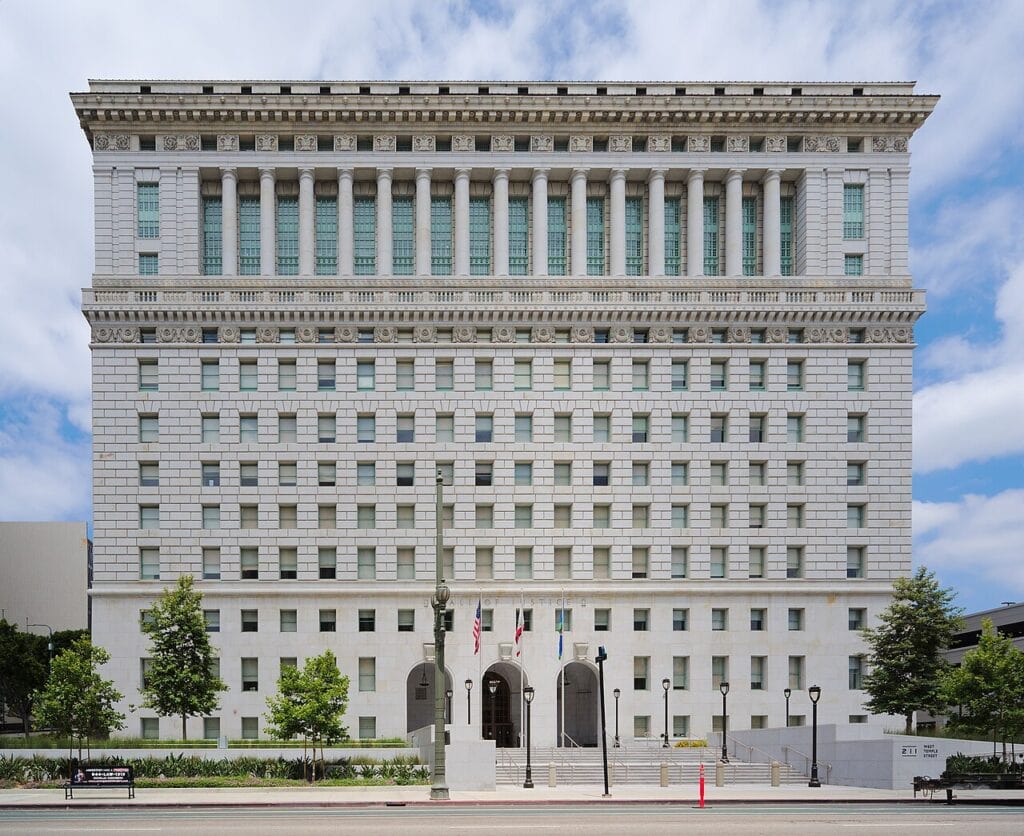
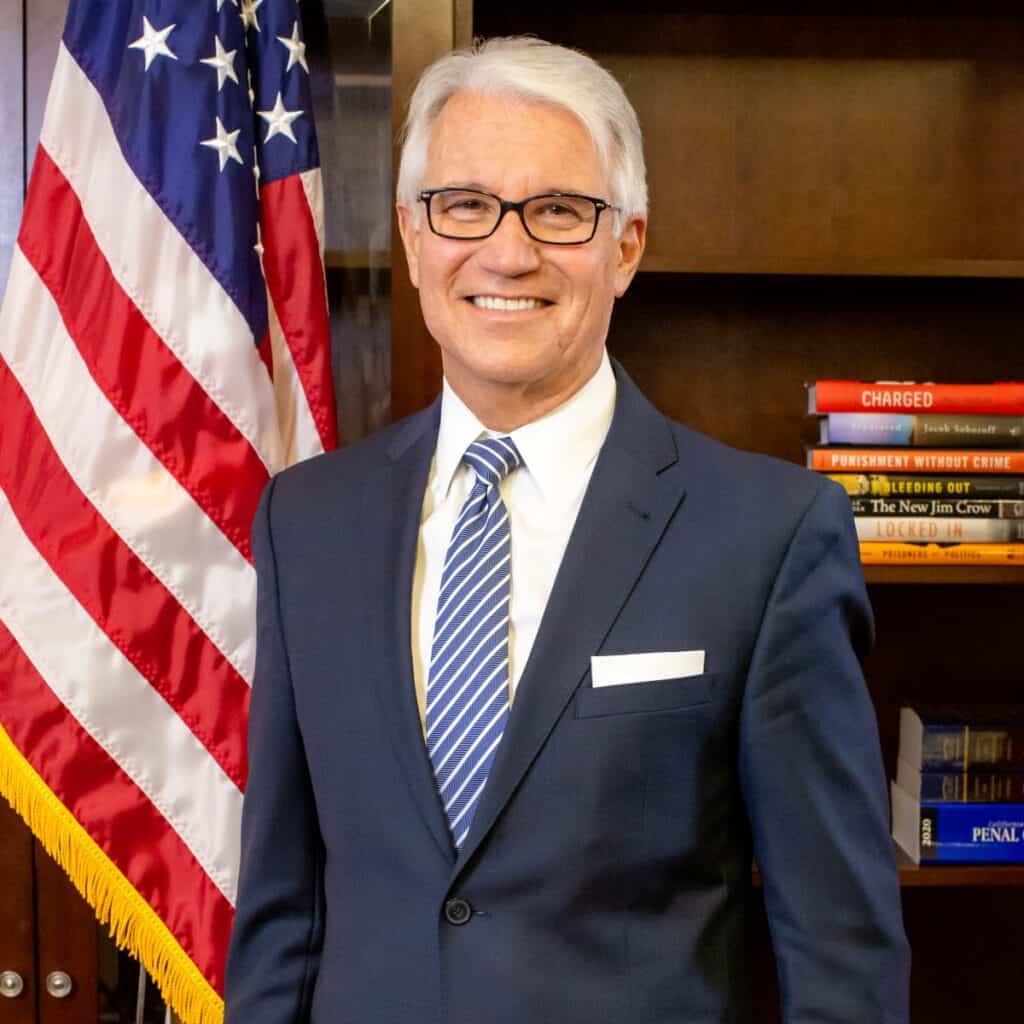
On October 24, 2024, at a news conference at the Hall of Justice in downtown Los Angeles, District Attorney George Gascón announced that he would recommend the resentencing of both brothers, then 53 and 56, after about 35 years in custody (Los Angeles County District Attorney, 2024). Gascón’s successor as district attorney, Nathan Hochman, opposed the brothers’ release, arguing that they had not shown full insight into their crimes or atoned for the lies they had told about them (Los Angeles Times, May 13, 2025).
The resentencing hearing
On May 13, 2025, at the Van Nuys Courthouse, Los Angeles County Superior Court Judge Michael Jesic reduced both brothers’ sentences from life without parole to 50 years to life (AP, 2025). Under state law, Jesic said, he could block resentencing only if a defendant posed an “unreasonable risk of danger to public safety,” and he found that prosecutors had not shown that. Because both men were under 26 at the time of the killings, the new sentence made them eligible for parole under California’s youthful offender law (Los Angeles Times, May 13, 2025). The Times reported that both brothers had repeatedly received “low” risk scores from corrections officials until a recent state assessment, cited by Hochman, raised their risk level to “moderate” (Los Angeles Times, May 13, 2025).
Both men addressed the court. “On Aug. 20, 1989, I killed my mom and dad. I make no excuses and also no justification,” Lyle said, according to the AP. The AP reported that Geragos had sought resentencing on manslaughter rather than murder (AP, 2025). Relatives spoke for the brothers, as described in the victims section above.
Clemency and parole
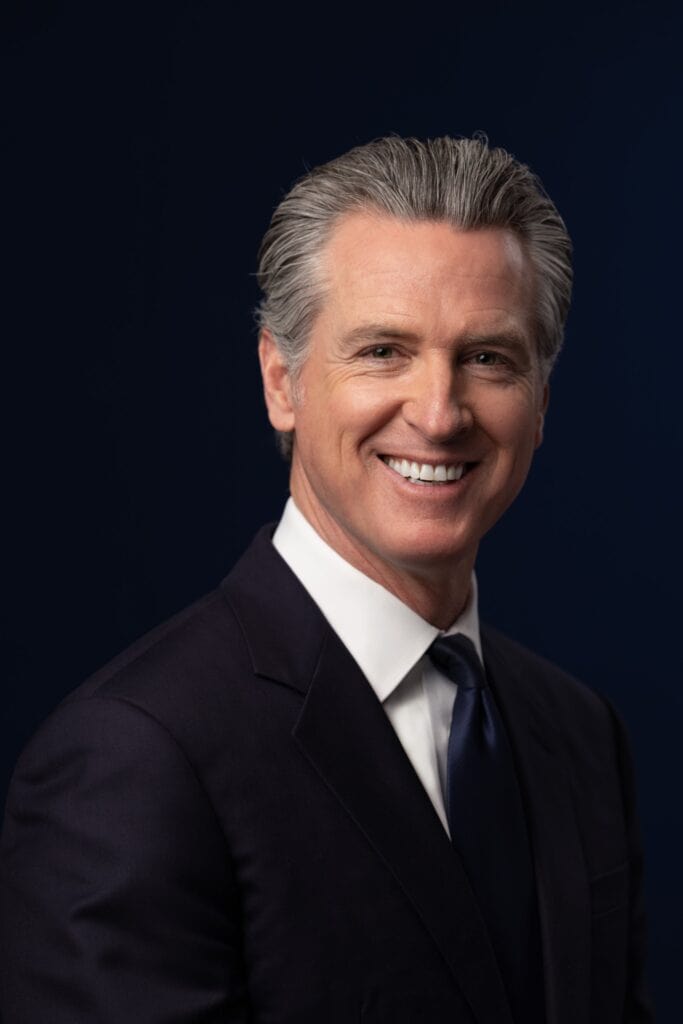
Two days later, Gov. Gavin Newsom withdrew his request for clemency investigations into the case, and hearings that had been set for June 13 before the parole board became parole hearings. The Times noted that the clemency requests technically remained active (Los Angeles Times, May 15, 2025).
On August 21, 2025, after an unusually long 10-hour virtual hearing, a parole panel found that Erik Menendez continued to “pose an unreasonable risk to public safety” if released, citing his teenage criminal history, the brutality of the killings and “serious violations” of prison rules, including possession of contraband cellphones, CNN reported. “Two things can be true. They can love and forgive you, and you can still be found unsuitable for parole,” Commissioner Robert Barton told him (CNN, 2025).
The next day a panel of two commissioners denied Lyle Menendez parole for three years, saying he still displayed “anti-social personality traits like deception, minimization and rule-breaking that lie beneath that positive surface” (AP, 2025). “We find your remorse is genuine,” Commissioner Julie Garland told him, according to the Times. “In many ways, you look like you’ve been a model inmate” (Los Angeles Times, Aug. 22, 2025). Both brothers received three-year denials, the shortest period allowed under California law (NBC Los Angeles, 2026). Weeks later came the habeas ruling described above.
Where the case stands (updated October 16, 2026)
This section reflects public reporting and official statements available as of October 16, 2026. A search on that date found nothing newer than late September 2026.
- Convictions: Lyle and Erik Menendez stand convicted of two counts of first-degree murder and conspiracy to commit murder in the 1989 killings of Jose and Kitty Menendez, with special-circumstance findings of lying in wait and multiple murder (Los Angeles Times, 1996). The September 2025 ruling denying their habeas petition left those convictions in place (Los Angeles Times, Sept. 16, 2025).
- Sentence: 50 years to life each, after the May 13, 2025, resentencing (AP, 2025).
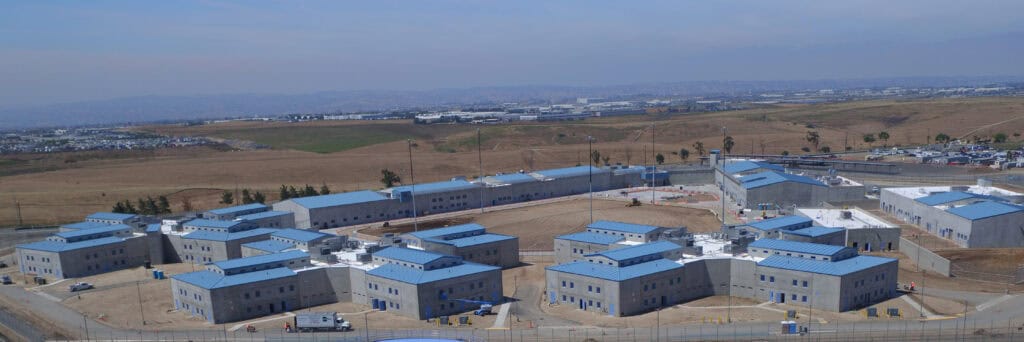
- Custody: both men are held at Richard J. Donovan Correctional Facility in San Diego County (NBC Los Angeles, 2026; USA Today, 2026).
- Parole history: both were denied parole in August 2025 for three years (CNN, 2025; AP, 2025).
- Next hearings: in September 2026 the state granted the brothers’ requests for earlier parole suitability hearings, which had been expected in August 2028 (LAist; The Guardian/AP). LAist gave their ages at that time as 58 for Lyle and 55 for Erik (LAist). The hearings are tentatively set for early 2027. Reports differ on the exact timing: LAist and the AP reported March 2027, while NBC Los Angeles and ABC7 reported February dates (LAist; NBC Los Angeles; ABC7). This case file will add a date once the California Department of Corrections and Rehabilitation or the Board of Parole Hearings confirms one.
- Why earlier: the department allows eligible prisoners to seek an earlier hearing when there is “a change in circumstances or new information indicating the person may be suitable for parole” (The Guardian/AP). NBC Los Angeles reported the dates were advanced under a provision of Proposition 9, the 2008 victims’ rights measure known as Marsy’s Law (NBC Los Angeles).
- Prosecution: the Los Angeles County district attorney’s office has said it will argue against release (ABC7).
- The governor: if the board grants parole, the decision is not final. CNN reported in 2025 that a grant can undergo internal review for up to 120 days, after which the governor has 30 days to affirm or reverse it (CNN, 2025). CalMatters noted that California and Oklahoma are the only two states that give governors this power (CalMatters). USA Today reported that “California’s next governor will ultimately determine whether to accept or reject the board’s recommendation” (USA Today, 2026).
- The family: the brothers’ relatives welcomed the earlier dates. “For almost 40 years, Erik and Lyle have worked to take responsibility for their actions, confront and heal from the unimaginable abuse and trauma they endured, grow as individuals, and dedicate themselves to serving others,” their statement said (LAist).
- Clemency: in May 2025 the Times reported that the brothers’ clemency requests technically remained active after Newsom withdrew his clemency investigations, and in September 2025 MetNews reported that a clemency request by each brother was under consideration by the governor. None of the September 2026 coverage reviewed for this update reported a decision (Los Angeles Times, May 15, 2025; Metropolitan News-Enterprise, 2025).
- Habeas: Judge William C. Ryan denied the petition on September 15, 2025 (Metropolitan News-Enterprise). No source reviewed for this update reported a ruling on any further appeal.
Why the case still divides
Few American murder cases have been argued about for so long by so many people who agree on the basic facts. The brothers admitted at trial that they killed their parents (Ninth Circuit, 2005). What has been disputed for more than three decades is why, and what the answer should mean for their punishment.
To the prosecutors who tried the case, it was a planned killing for money and freedom, followed by an elaborate cover-up and, in their view, a manufactured defense. “It appears now that vigilantism is not against the law, at least in some minds,” Pamela Bozanich said after the first trial (Los Angeles Times, Jan. 29, 1994). Nathan Hochman’s office made a similar argument against the habeas petition three decades later (Metropolitan News-Enterprise, 2025).
To the brothers’ supporters, who include most of their surviving relatives, the case is about abuse that, as the 2023 habeas petition argued, the second jury never fully heard, because much of the abuse evidence from the first trial was excluded (Los Angeles Times, Oct. 3, 2024). The Peacock docuseries and the Netflix drama returned the case to wide public attention in 2024, and the petition drew on the docuseries for one of its two pieces of new evidence (Los Angeles Times, Oct. 3, 2024).
The courts have, so far, landed in between. Jesic found in 2025 that the law entitled the brothers to a chance at parole. The parole board found that they were not yet suitable, while finding Lyle’s remorse genuine. Ryan found the new abuse evidence “slightly” corroborating but not enough to change the verdict (Los Angeles Times, May 13, 2025; Aug. 22, 2025; Metropolitan News-Enterprise, 2025). Through all of it, two facts have not changed: Jose and Kitty Menendez were killed in their own home on August 20, 1989, and the two men convicted of killing them are their sons.
Frequently Asked Questions
Are the Menendez brothers still in prison?
Yes. As of October 16, 2026, Lyle and Erik Menendez remain in custody at Richard J. Donovan Correctional Facility in San Diego County, serving sentences of 50 years to life (NBC Los Angeles, 2026; AP, 2025).
What were they convicted of?
Two counts each of first-degree murder and one count of conspiracy to commit murder, with special-circumstance findings of lying in wait and multiple murder, in the August 20, 1989, killings of their parents (Los Angeles Times, 1996).
What was their original sentence, and what is it now?
In 1996 they were sentenced to consecutive terms of life in prison without the possibility of parole (Los Angeles Times, July 3, 1996). On May 13, 2025, Judge Michael Jesic resentenced each to 50 years to life, which made them eligible for parole under California’s youthful offender law (AP, 2025; Los Angeles Times, May 13, 2025).
How old were they, and how old are they now?
Lyle was 21 and Erik was 18 at the time of the killings. LAist gave their ages in September 2026 as 58 and 55 (LAist, 2026).
Why did the first trial end without a verdict?
Both juries deadlocked between murder and manslaughter. Erik’s jury hung on January 13, 1994, and Lyle’s on January 28. No juror on either panel voted to acquit (Los Angeles Times, Jan. 14, 1994; Jan. 29, 1994).
What changed at the second trial?
A single jury heard both cases, cameras were barred, some abuse and expert testimony was excluded or limited, Lyle did not testify, and the judge refused to instruct the jury on imperfect self-defense, a theory that could have led to manslaughter verdicts (Ninth Circuit, 2005; Los Angeles Times, 1996).
What did the brothers say was their reason?
They testified that their father had sexually abused them for years, with their mother’s knowledge, and that they fired believing their parents were about to kill them. Prosecutors said the motive was hatred and a $14 million estate and called the abuse claims a fabrication. Both accounts are set out in the abuse section above (Los Angeles Times, 1993; 1990; 2024).
Did a court accept the abuse claims?
In 2025, ruling on the habeas petition, Judge William C. Ryan wrote that the new evidence “slightly corroborates that petitioners were sexually abused but does not negate the finding of premeditation and deliberation” (Metropolitan News-Enterprise, 2025). The question at the trials was whether the killings were murder or manslaughter, and the second jury found first-degree murder.
Who was Dr. L. Jerome Oziel?
A Beverly Hills psychologist who saw both brothers before and after the killings. Erik confessed to him on October 31, 1989, and his notes and a December 1989 session recording became central evidence after Judalon Smyth went to the police (Ninth Circuit, 2005; California Supreme Court, 1992).
When is their next parole hearing?
In early 2027, tentatively. Reports differ on the exact timing, with LAist and the AP reporting March and NBC Los Angeles and ABC7 reporting February dates (LAist; The Guardian/AP; NBC Los Angeles; ABC7).
Sources
Citations & Sources
All online sources were accessed October 7, 2026. Photographs are credited in their captions, with licenses as stated on each file’s Wikimedia Commons page.
- Menendez v. Terhune, 422 F.3d 1012 (9th Cir. 2005), via OpenJurist
- Menendez v. Superior Court, 3 Cal.4th 435 (1992), via SCOCAL, Stanford Law School
- Los Angeles Times, “Beverly Hills Couple Found Shot to Death,” Aug. 21, 1989
- Los Angeles Times, profile of Jose Menendez, Aug. 25, 1989
- Los Angeles Times, memorial service report, Aug. 26, 1989
- Los Angeles Times, report on Lyle Menendez’s arrest, March 9, 1990
- Los Angeles Times, report on Erik Menendez’s surrender, March 12, 1990
- Los Angeles Times Magazine, family profile, July 22, 1990
- Los Angeles Times, report on the state Supreme Court tapes ruling, Aug. 28, 1992
- Los Angeles Times, report on opening statements, July 21, 1993
- Los Angeles Times, report previewing the defense case, July 11, 1993
- Los Angeles Times, report on L. Jerome Oziel’s testimony, Aug. 5, 1993
- Los Angeles Times, report on the coaches’ testimony, Aug. 21, 1993
- Los Angeles Times, report on Lyle Menendez’s testimony, Sept. 11, 1993
- Los Angeles Times, report on Erik Menendez’s testimony, Sept. 29, 1993
- Los Angeles Times, report on Carlos Baralt’s testimony, Oct. 28, 1993
- Los Angeles Times, report on Edwin Cox’s and Roger Smith’s testimony, Oct. 30, 1993
- Los Angeles Times, report on Judalon Smyth’s testimony, Nov. 17, 1993
- Los Angeles Times, report on Erik Menendez’s mistrial, Jan. 14, 1994
- Los Angeles Times, report on Lyle Menendez’s mistrial, Jan. 29, 1994
- Los Angeles Times, report on the verdicts, March 21, 1996
- UPI, “Menendez brothers convicted of murder,” March 20, 1996
- CNN, archive of Court TV coverage of the retrial, Oct. 23 to 27, 1995
- Los Angeles Times, report on the penalty verdict, April 18, 1996
- Los Angeles Times, “Menendezes Given Consecutive Terms,” July 3, 1996
- Los Angeles Times, report on the district attorney’s review, Oct. 3, 2024
- NBC Los Angeles, report on Milton Andersen’s opposition, October 2024
- Los Angeles County, district attorney’s resentencing announcement, Oct. 24, 2024
- Associated Press, report on the resentencing, May 13, 2025
- Los Angeles Times, report on the resentencing, May 13, 2025
- Los Angeles Times, report on the clemency withdrawal, May 15, 2025
- CNN, report on Erik Menendez’s parole hearing, Aug. 21, 2025
- Associated Press, report on Lyle Menendez’s parole hearing, Aug. 22, 2025
- Los Angeles Times, report on Lyle Menendez’s parole hearing, Aug. 22, 2025
- CalMatters, report on the parole hearings, September 2025
- Los Angeles Times, report on the habeas ruling, Sept. 16, 2025
- Metropolitan News-Enterprise, report on the habeas ruling, Sept. 17, 2025
- Los Angeles County District Attorney, statement on the habeas ruling, September 2025
- LAist, report on the new parole hearing date, Sept. 7, 2026
- The Guardian (with the Associated Press), report on the earlier hearings, Sept. 8, 2026
- USA Today, report on the 2027 hearings, Sept. 9, 2026
- NBC Los Angeles, report on the February 2027 dates, Sept. 18, 2026
- ABC7 Los Angeles, report on the 2027 hearings, Sept. 22, 2026
- Robert Rand, “The Menendez Murders, Updated Edition: The Shocking Untold Story of the Menendez Family and the Killings that Stunned the Nation,” BenBella Books, 2024 (first edition 2018). Print source; details credited to Rand in the text.
Discover more from The Dark Side of Humanity
Subscribe to get the latest posts sent to your email.