In 1982, seven people in the Chicago area died after consuming Extra-Strength Tylenol capsules contaminated with potassium cyanide. Investigators concluded an unidentified perpetrator altered the capsules through post-manufacture retail tampering. Despite extensive investigations and several suspects, the case remains officially unsolved, with no homicide convictions.
The deaths prompted a nationwide recall of roughly 31 million Tylenol bottles and initiated major public health responses. The events permanently altered consumer safety standards, leading to federal anti-tampering legislation and the widespread adoption of tamper-evident packaging for over-the-counter medications.
The Chicago Tylenol Murders
Seven deaths. Multiple store shelves. One unidentified poisoner.
Between September 29 and October 1, 1982, seven people in the Chicago metropolitan area died after taking Extra-Strength Tylenol capsules contaminated with potassium cyanide. The victims had no shared social relationship; the link was an ordinary over-the-counter product purchased through normal retail channels. Investigators concluded that multiple bottles had probably been opened, individual capsules adulterated and the packages returned to shelves, but no person has been charged with the murders. The case remains part of the site’s unsolved case files, where evidence survives without a proven offender.
What Were The Chicago Tylenol Murders?
Direct case answer for readers, search engines and AI summaries
The Chicago Tylenol murders were seven unsolved 1982 poisoning deaths in the Chicago metropolitan area. The victims died after taking Extra-Strength Tylenol capsules contaminated with potassium cyanide. Investigators concluded the most likely method was post-manufacture retail tampering, but no one has been convicted of the murders.
Case Snapshot
Confirmed deaths, investigation status, suspect limits and public-safety outcome
Mary Kellerman, Adam Janus, Stanley Janus, Theresa Janus, Mary McFarland, Paula Prince and Mary Reiner died after ingesting cyanide-contaminated capsules.
No one has been charged or convicted for the original poisonings. Later extortion and copycat convictions are legally separate.
The confirmed deaths clustered across several days at the end of September and start of October.
Five bottles caused the deaths; additional contaminated bottles were recovered before they could kill.
Johnson & Johnson ultimately recalled about 31 million bottles nationwide during the public-health emergency.
Source: UIC School of Public HealthThe perpetrator, motive, contamination site and exact route back to store shelves remain unproved.
Recent Scrutiny & Case Status
Renewed media and documentary attention without an announced forensic identification
A 2025 documentary series returned the case to national attention, revisited investigators and victims’ families, and presented James Lewis’s final filmed interview. The renewed attention did not produce a publicly announced DNA match, charge or official case closure.
The case re-entered public view
Modern documentary coverage questioned the neatness of the traditional retail-tampering narrative and emphasized missing, degraded or disputed evidence from the earliest days.
The record remains narrow
James Lewis admitted writing the extortion letter and was convicted for that offence. He denied the poisonings, was never charged with murder and died in 2023.
Exclusion is not identification
Modern testing has excluded some persons from particular biological traces, but exclusion from a trace does not identify who handled or poisoned the capsules.
No offender has been named
The most consequential question remains unchanged: no public forensic result has identified the person who contaminated the capsules.
Retail Geography
Store locations turned an ordinary consumer network into the delivery mechanism
Chronology
Deaths, investigative breaks, recall, legislation and later forensic review
1982
Mary Kellerman dies
The 12-year-old collapsed after taking Extra-Strength Tylenol.
1982
Three Janus family deaths
Adam, Stanley and Theresa Janus consumed capsules from the same bottle.
Oct. 1
Additional deaths connected
Mary McFarland, Paula Prince and Mary Reiner joined the known victim list.
1982
Public warning
Authorities warned the Chicago area not to consume Tylenol capsules.
1982
Nationwide recall
Johnson & Johnson expanded the withdrawal to roughly 31 million bottles.
1982
Extortion letter and manhunt
James Lewis demanded $1 million to stop the killings.
Federal law and conviction
Product tampering became a specific federal crime; Lewis was convicted of attempted extortion.
Modern forensic review
Investigators renewed searches and collected comparison DNA.
Lewis dies; case revisited
The best-known suspect died before renewed documentary attention.
Victims
Seven people connected only by ordinary consumer behaviour
Elk Grove Village
A child given medicine for an ordinary complaint became one of the earliest deaths linked to the contaminated capsules.
Arlington Heights
His sudden death initially appeared isolated. The bottle in his home became central when two relatives later consumed capsules from it.
Family cluster
Stanley died after taking capsules from Adam’s bottle while the family gathered following Adam’s death.
Family cluster
Theresa also consumed capsules from the same bottle, turning a single unexplained death into a recognizable common-source emergency.
Separate household
Her death helped demonstrate that the poisoning was not confined to one family or one bottle.
Chicago
A Walgreens receipt and store surveillance became important investigative evidence, but no image produced a confirmed offender identification.
Separate retail exposure
Her death further established that the poisoned-product chain crossed households, communities and retail points.
Reject “perfect crime” mythology
The absence of an identified offender is an investigative failure and a continuing loss for families, not proof of brilliance by the unknown poisoner.
Method & Evidence
What the evidence establishes, what it suggests and where it stops
The baseline theory is post-manufacture tampering: bottles were obtained after production, capsules were opened and contaminated with potassium cyanide, and the altered bottles returned to retail shelves. Multiple lots and manufacturing origins supported that theory, but the exact contamination site has never been proved in court.
Potassium cyanide
Laboratory testing established lethal cyanide in selected capsules. Toxicology converted apparently unrelated sudden deaths into one homicide series.
Bottles, lots and retail routes
Investigators compared lot numbers, manufacturers, purchase receipts and store locations. Multiple lots and production sites strengthened a post-manufacture-tampering theory.
Fingerprints and biological traces
Old bottles accumulated contact from consumers, clerks, manufacturers, police and laboratory staff. Reported DNA exclusions narrowed comparisons without identifying the poisoner.
Witness and system evidence
The Paula Prince store image, witness statements, receipts and public-health observations generated leads. None supplied a confirmed offender identification.
Behavioural Interpretation
Psychologically meaningful conduct without pretending inference is proof
A familiar object became the weapon
The poisoned product appeared ordinary, medically helpful and safe. The attack’s symbolic power came from converting routine trust into uncertainty.
Identity became irrelevant
Once altered bottles entered circulation, the offender apparently surrendered control over exactly who would die. That differs sharply from targeted poisoning.
Dispersion amplified fear
Multiple stores and suburbs made the threat feel system-wide and complicated jurisdiction, whether that dispersion was deliberate or merely operational.
No authenticated killer manifesto
Lewis’s extortion letter is confirmed as his writing, but it has never been proved to be a communication from the poisoner.
Suspect Files
Investigative interest is not proof, and repetition is not accumulation of evidence
James W. Lewis
Lewis wrote the extortion demand, used aliases and became the most famous suspect. He was convicted for the letter, denied the poisonings and was not matched to reported bottle DNA. His death in 2023 ended the possibility of charging him, not the evidentiary debate.
Roger Arnold
Arnold drew attention because of cyanide-related statements and circumstantial links. He was never charged in the Tylenol case. Later DNA testing reportedly did not match bottle evidence.
Theodore Kaczynski
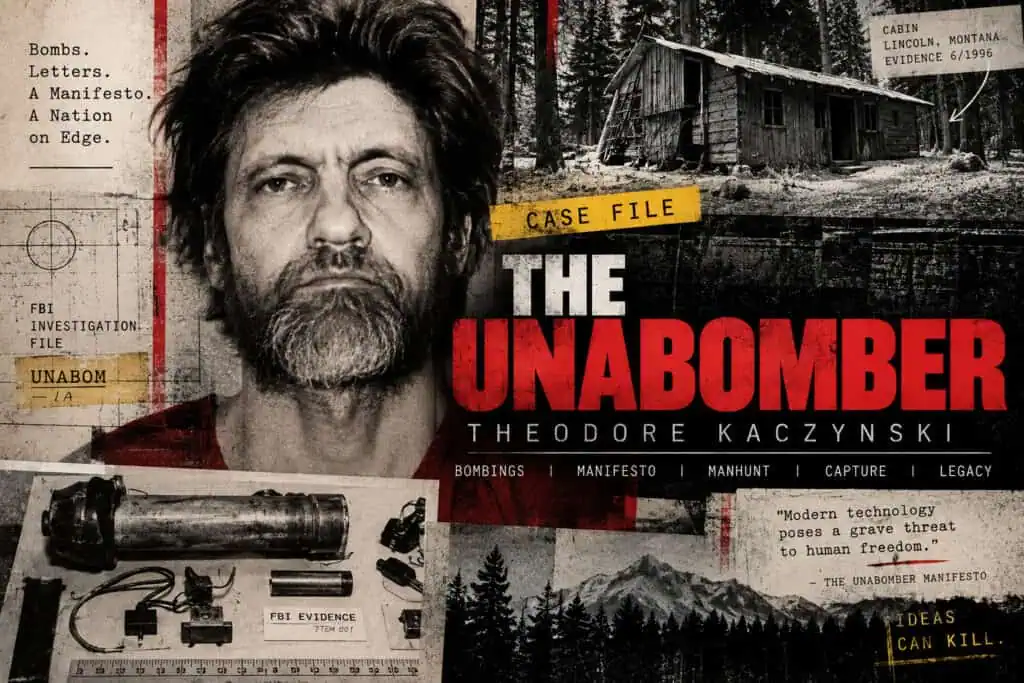
The FBI sought DNA because early Unabomber activity and family geography overlapped the Chicago area. No evidence established that Kaczynski committed the Tylenol murders.
The actual poisoner
The offender may be absent from the famous suspect list entirely. Cold cases become distorted when repeated attention to one person is mistaken for proof; the Black Dahlia file is another example of unsolved cases distorted by suspect mythology.
Toxicology & Capsule Anatomy
Why the product concealed the poison and why chemistry solved only part of the case
Cyanide disrupts cellular oxygen use
Victims can collapse rapidly because cyanide prevents cells from using oxygen effectively. Without a specific suspicion and test, sudden death may initially resemble another acute medical event.
Two-piece capsules could be reopened
The red-and-white gelatin shells contained loose powder. Before modern seals, a bottle could be opened and individual capsules manipulated without the obvious evidence consumers now expect.
Contaminated powder linked scenes
Chemical testing supplied the common-source proof that victim relationships could not. For a historical comparison in which exhumation, poison registers and chemical proof drove the case, see forensic evidence in poisoning cases.
Chemistry identifies poison, not poisoner
Exact compound identification does not automatically reveal where the material came from, who possessed it or when it entered the product.
Product & Lot Matrix
Manufacturing identifiers helped narrow what the contamination probably was not
| Lot / Evidence | Connection | Interpretive Value |
|---|---|---|
| MC2880 | Kellerman and Janus bottles were associated with this lot. | Initially supported a targeted lot recall, but could not explain all contaminated bottles. |
| 1910 MD / MB 2738 | Additional victim or recovered-bottle evidence involved other lots. | Expanded the crisis beyond a single production batch and strengthened the post-manufacture-tampering theory. |
| Multiple plants | Relevant capsules originated from more than one manufacturing location. | Made one accidental manufacturing contamination less plausible, though not every distribution theory was eliminated. |
| Recovered unused bottle | At least one contaminated bottle was purchased but not consumed. | Provided evidence independent of a fatality and potentially a cleaner product history than opened household bottles. |
Legal & Public-Health Legacy
No homicide prosecution; enormous changes to law, packaging and crisis response
The original murders remain uncharged
The absence of indictments means suspect files remain allegations, investigative theories or exclusions, not verdicts.
Lewis was convicted for the demand letter
The conviction did not establish that he poisoned a capsule, handled an implicated bottle or entered a relevant store.
Consumer-product tampering became a specific crime
Congress created a federal framework for tampering with consumer products, allowing later cases to be prosecuted under a statute shaped by the Chicago deaths.
Visible seals became the new baseline
Shrink bands, foil seals, glued cartons and consumer instructions made opening more visible. Solid caplets also reduced the vulnerability of two-piece powder capsules.
Exposure reduction came first
Warnings, product withdrawal and testing proceeded before investigators knew the offender or full distribution path.
The recall is not the whole story
Johnson & Johnson’s response became corporate crisis-management doctrine, but that narrative should not eclipse seven murders that remain unresolved.
Unresolved Questions
The void that remains after four decades of investigation
Where were the capsules contaminated?
Retail shelves remain the dominant theory, but the exact site, timing and sequence have never been proved in court.
Was one person responsible?
The geographic spread could fit one mobile offender or more than one participant. No accomplice evidence has been established, and the possibility that the responsible person never became a prominent suspect is familiar from another unidentified offender case.
What was the motive?
Extortion, corporate grievance, generalized terror and personal pathology have all been proposed. None is confirmed as the original offender’s motive.
How probative are old traces?
DNA or prints on retail bottles may belong to consumers, workers or investigators. Exclusion is useful; attribution is much harder. Similar problems recur in cold cases compromised by evidence limits, where age, handling and incomplete preservation restrict what surviving evidence can prove.
Were additional deaths missed?
Some commentators suspect unrecognized cyanide deaths, but the official confirmed original count remains seven. Suspicion cannot become a larger body count without evidence.
Has crisis mythology simplified the case?
The recall is rightly studied, yet a clean “retail tampering solved the system problem” narrative can overshadow unresolved evidence and the families’ lack of criminal closure.
Chicago Tylenol Murders Photos & Archival Visuals
Historical investigation and public-health imagery with institutional source trails
Largest product-tampering investigation
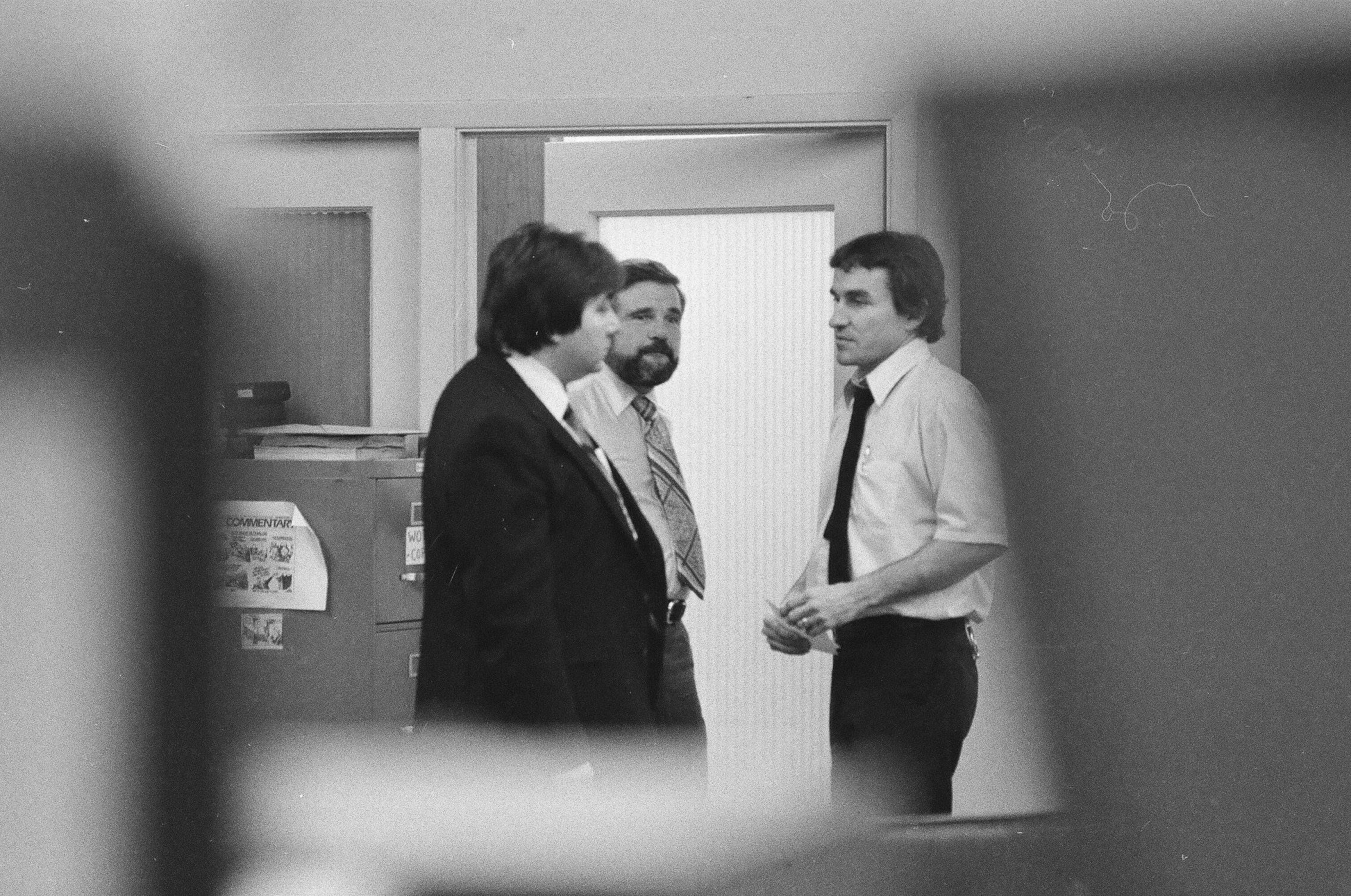
The FBI’s Chicago field-office history records nearly 120 investigators working the case and notes that no one was charged with the murders because evidence was insufficient to identify the culprit.
Open FBI historyTamper-resistant packaging after 1982
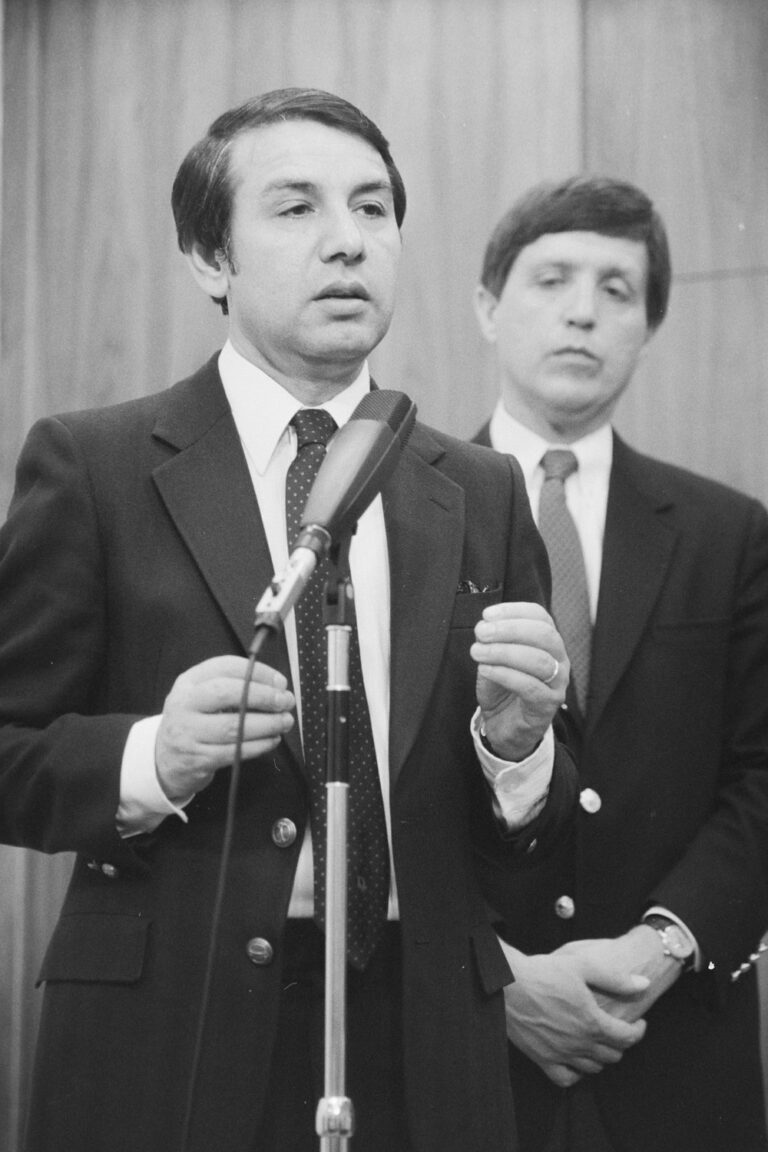
FDA history ties the 1982 poisonings to tamper-resistant packaging regulations and the later federal anti-tampering statute.
Open FDA historyChicago Tylenol Murders FAQ
Direct answers to the case’s highest-intent search questions
Were the Chicago Tylenol murders ever solved?
No. Seven people were confirmed murdered, but no one has been convicted of the original poisonings and the offender has not been publicly identified.
Who were the Tylenol murders victims?
The seven confirmed victims were Mary Kellerman, Adam Janus, Stanley Janus, Theresa Janus, Mary McFarland, Paula Prince and Mary Reiner.
Was James Lewis convicted of the Tylenol murders?
No. James W. Lewis was convicted for the extortion letter, not for the murders. He denied poisoning the capsules and was never charged with homicide.
How were the Tylenol capsules poisoned?
The leading theory is post-manufacture tampering: bottles were obtained after production, capsules were contaminated with potassium cyanide, and the bottles were returned to retail shelves.
How did investigators know Tylenol was the link?
Toxicology identified potassium cyanide, while bottle examination, receipts, store geography and lot tracing connected deaths that initially appeared unrelated.
How did the Tylenol murders change packaging?
The case accelerated tamper-evident packaging requirements for over-the-counter medications and shaped modern consumer-product tampering law.
Sources & Verification
Primary legal standards, federal case history and high-quality historical reporting
21 CFR § 211.132
The current federal regulation defines tamper-evident packaging requirements for over-the-counter human drug products.
Open eCFR rule18 U.S.C. § 1365
The consumer-product-tampering statute sets federal offences and penalties for altering products, communicating false information and related conduct.
Open U.S. CodeTamper-resistant OTC packaging
FDA guidance states that tamper-resistant packaging requirements for most OTC products were published on November 5, 1982 and ties the rules to 21 CFR § 211.132.
Open FDA guidanceUIC School of Public Health
UIC’s forty-year retrospective documents the seven confirmed fatalities, the scale of the recall and the public-health response.
Open UIC retrospective2009 FBI evidence review
The FBI publicly confirmed a complete review of evidence using newer forensic technology and stated that the renewed review had not produced charges at that time.
Open FBI archive2012 FBI cold-case update
The FBI described a task force re-interviewing witnesses, digitizing records and subjecting evidence to newer forensic examinations.
Open FBI updateChicago History Museum
The museum’s historical feature documents the crisis, its public-health response and its lasting effect on medication packaging.
Open museum featureCBS Chicago: PainKiller
The long-form project compiles police records, family interviews, suspect reporting, toxicology material and case chronology.
Open investigative projectDiscover more from The Dark Side of Humanity
Subscribe to get the latest posts sent to your email.