FILE NO. 0152Case status Unresolved

Gerd Wenzinger was a German physician whose medical license was revoked in 1990 for secretly filming patients. He became the primary suspect in the 1994 dismemberment murder of Dana Franzke after police discovered video evidence linking him to the crime.
Following his flight to Brazil, Wenzinger was arrested in Salvador amid allegations of drugging, torturing, and sexually abusing numerous women. Although Brazil approved his extradition to Germany in 1997, Wenzinger died by suicide in custody before standing trial, leaving his suspected homicides legally unresolved.
Suspected Homicide Offender
Berlin / Salvador
1994 to 1997
Medical Abuse
No Murder Trial
Gerd
Wenzinger
The Gerd Wenzinger case file: the doctor called the “Havel Ripper,” Dana Franzke, the videotape that broke the case, the unresolved Sabrina Graf link, allegations from scores of women in Brazil, and a cross-border prosecution that ended before a murder jury ever heard the evidence.
Record boundary
Wenzinger died before extradition and was never tried for murder. Dana Franzke’s case produced the strongest homicide evidence. Sabrina Graf’s killing was investigated as a possible link, but the surviving public record does not support calling her a legally confirmed victim of Wenzinger.
Who Was Gerd Wenzinger?
The defensible answer before the nickname takes over.
Direct answer
Gerd Wenzinger was a German physician whose medical licence was withdrawn after he secretly filmed female patients and who later became the principal suspect in the 1994 killing and dismemberment of 23-year-old Dana Franzke in Berlin. Video evidence linked him to Franzke’s remains and Berlin property. He was later arrested in Salvador, Brazil, amid allegations that he drugged, sexually abused and tortured many women. Germany sought his extradition, but Wenzinger hanged himself in Brazilian custody on 16 June 1997 before a German murder trial could test the full case. This case is useful precisely because the evidence is incomplete: it leaves one extremely strong homicide file, a second unresolved link, extensive abuse allegations and no final murder verdict.
Case Snapshot
Confirmed record, suspected links, and claims that require a warning label.
Dana Franzke
Berlin investigators publicly described Wenzinger as the urgent suspect in Franzke’s 1994 killing after video and property evidence connected him to the crime.
Sabrina Graf
A witness reportedly placed 19-year-old Sabrina Graf with Wenzinger before her dismembered remains were found later in 1994. Police investigated the possible connection, but the case was never adjudicated against him.
“17+ murders”
Press and later reference works attached multiple other homicides to Wenzinger, but he died before trial and public evidence for those attributions is uneven. This dossier does not convert suspicion into a body count.
Strongly supportedDana Franzke is the strongest homicide attribution in the public record because video and property evidence connected Wenzinger to her remains and Berlin location.
Suspected linkSabrina Graf belongs in the case as a serious possible link, but not as a confirmed Wenzinger murder because the allegation was never tested in a murder trial.
Alleged patternBrazilian reports describe many women alleging drugging, sexual abuse and torture. Those allegations should not be converted into a homicide count.
Rejected shorthandThe nickname “Havel Ripper” is a press label, not an evidentiary conclusion.
OccupationPhysician / general practitioner; his licence was withdrawn in 1990 after covert filming of female patients came to light.
Berlin propertySchönerlinder Weg in Berlin-Karow; investigators identified the property as the location tied to the Franzke evidence.
Key evidenceA videotape from Wenzinger’s possession became the decisive investigative bridge to Dana Franzke.
Brazilian allegationsPolice and a forensic psychologist reported allegations from roughly 90 to 100 women and a large video archive. These were abuse/torture allegations, not 90 to 100 proven homicides.
Legal endBrazil approved extradition to Germany in June 1997. Wenzinger died by suicide in custody before transfer.
Why the missing trial matters
Wenzinger’s death does not erase the investigative evidence, but it does limit what can be stated as legally established. A trial would have tested admissibility, witness memory, forensic interpretation, chain of custody and alternative explanations. Without that process, the responsible language is suspect, allegation and suspected link, not conviction.
Incomplete evidence is the point
The Wenzinger file is valuable because it shows how one exceptionally strong homicide attribution, a second unresolved link and a broad pattern of alleged abuse can coexist without a legally established serial-murder count.
The Medical Mask
The case starts before homicide, with abuse of professional access.
Patients secretly filmed
Contemporary reporting says Wenzinger lost his medical licence after authorities discovered that he had covertly filmed women during examinations with a hidden camera. Stuttgart prosecutors later recalled finding hundreds of videotapes and a monetary penalty. The episode matters because it documents boundary violations and recording behavior years before the Franzke investigation.
A profession is access, not diagnosis
The old case file described medicine itself as a route to a “God complex.” That is speculation. The stronger finding is narrower: Wenzinger had medical knowledge, access to patients, experience with sedating drugs and a documented history of covert recording. Those facts affected opportunity and evidence; they do not establish a psychiatric syndrome.
Dana Franzke

The victim whose case transformed rumor into a focused homicide investigation.
23 years old
Dana Franzke was 23. Reporting at the time described her as living with drug dependence and earning money through sex work in Berlin. Those circumstances increased exposure to predatory clients; they do not make her disappearance or death less consequential. A responsible account should resist the old “prostitute murder” shorthand that reduces the victim to a police category. The broader pattern of marginalized women and victim invisibility helps explain why sex workers can be deprioritized in predator investigations.
Recovery from the canal
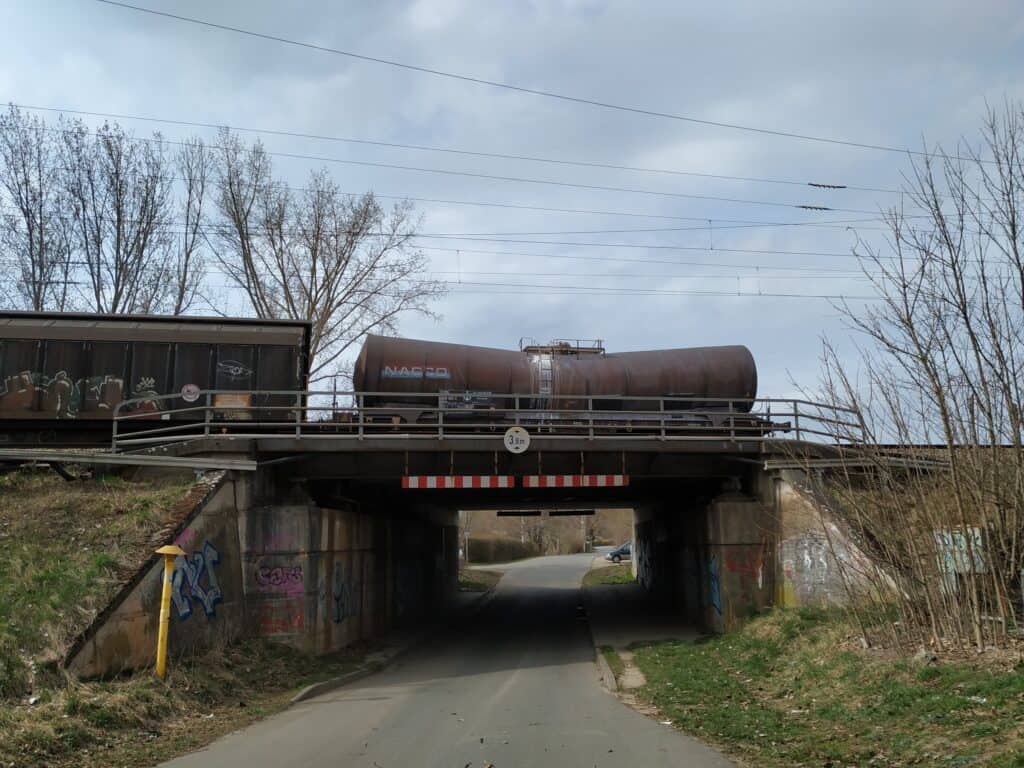
Her dismembered remains were recovered from the Oder-Havel Canal on Berlin’s northern periphery. Sources disagree on the exact number of recovered pieces, later reporting uses both 32 and 42, so this dossier records the discrepancy rather than pretending the archival record is cleaner than it is.
The name came later
Franzke was not immediately identified. Later reporting says a composite image shown on Aktenzeichen XY… ungelöst led to recognition by her mother. The delay is an important part of the case: unidentified remains and marginalized victim status can slow the construction of an investigative timeline.
Anesthesia-linked drugs
Public accounts state that multiple sedating or narcotic substances associated with anesthesia were detected. The significance is evidentiary: the toxicology was consistent with an offender who had medical knowledge. This dossier does not reproduce drug combinations, dosages or incapacitation instructions.
The Videotape
The evidence that moved Wenzinger from disturbing doctor to homicide suspect.
Stuttgart to Berlin
Contemporary Berliner Zeitung reporting says a video from Wenzinger’s possession reached Berlin investigators through Stuttgart police. Investigators said the recording showed Wenzinger dismembering Dana Franzke and removing her remains from the property. That identification gave police a suspect, a location and a direct evidentiary connection.
Do not call it “proof of snuff”
It is sometimes claimed that the case “validated snuff films.” That overstates what the surviving record establishes. The tape was horrifying homicide evidence, but public reporting does not justify turning it into a general criminological proof about a commercial “snuff film” phenomenon. The useful fact is simpler: Wenzinger’s compulsion to record conduct created evidence.
Sabrina Graf
A second dismemberment, and the limits of attribution.
Another young woman found dismembered
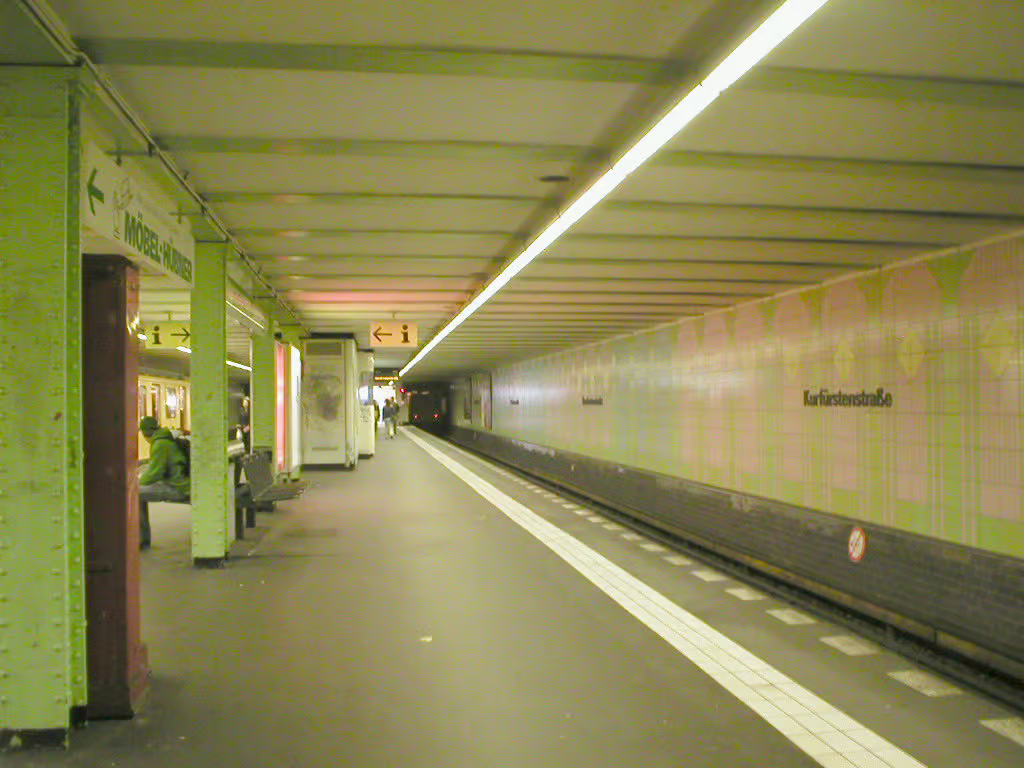
Sabrina Graf, 19, was identified after frozen body parts were found near the A1 between Hamburg and Lübeck. She, too, was reported to have worked in sex work around Berlin’s Kurfürstenstraße area.
Witness evidence, not a conviction
Later reporting says a neighbor believed she had seen Graf with Wenzinger. Earlier police statements, however, said investigators did not yet have evidence connecting him to her death. Because Wenzinger died before trial, the suspicion never received full adversarial testing. She belongs in the dossier as an unresolved possible link, not as a confirmed homicide count.
Salvador, Bahia
The case widened from German homicide investigation to mass allegations of filmed sexual violence.
Local victims came forward
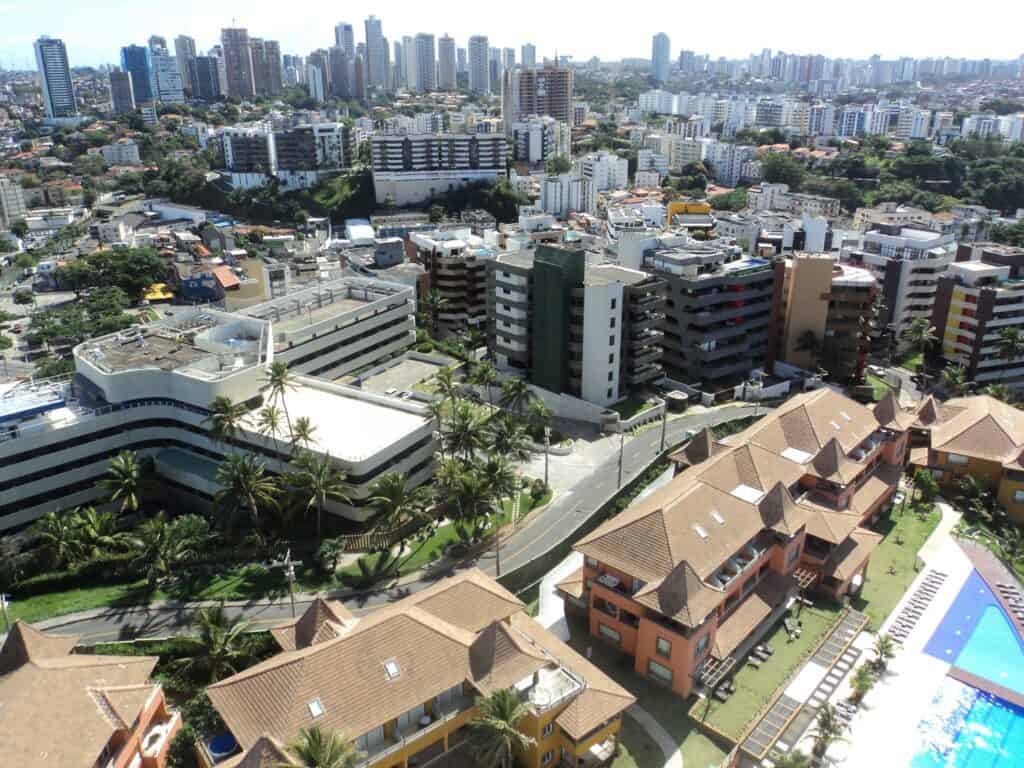
Brazilian reporting says Wenzinger was arrested in Salvador after allegations from women who said he drugged, sexually abused and tortured them. Contemporary police estimates referred to more than 90 or around 100 women passing through the pattern. Those numbers describe alleged abuse victims, not a homicide total.
A large VHS archive
A Bahia forensic psychologist later wrote that he interviewed several women and Wenzinger himself and encountered more than 100 recordings documenting abuse. The account is valuable because it comes from someone involved locally, but it remains a retrospective professional narrative rather than a full criminal-case inventory.
Money, mobility, inequality
Wenzinger’s move between Germany and Brazil highlights a recurring investigative problem: a mobile offender can exploit jurisdictional gaps, economic inequality and populations less likely to receive immediate institutional attention. The lesson is about coordination and victim access, not a generalized claim about Brazil or sex tourism.
Abuse evidence is not homicide evidence
Some press reports attributed multiple Brazilian killings to Wenzinger. Publicly available evidence is far thinner than the material surrounding Franzke. This dossier therefore separates documented abuse allegations from suspected homicide rather than combining them into an inflated serial-killer total.
Chronology
From medical misconduct to a cross-Atlantic extradition case.
1943
Born in St. Blasien
Reference sources place Wenzinger’s birth in Sankt Blasien in Germany’s Black Forest region; exact month/year details vary across secondary records.
1978
Medical practice
He established a general medical practice in Stuttgart.
1990
Licence withdrawn
Authorities discovered covert recordings of female patients. Contemporary reporting says hundreds of tapes were seized and Wenzinger was fined.
1991
Berlin-Karow property
Wenzinger moved to Berlin and acquired property on Schönerlinder Weg, later identified by homicide investigators as central to the Franzke case.
Jun 1994
Dana Franzke killed
Franzke disappeared and her dismembered remains were recovered from the Oder-Havel Canal.
Nov 1994
Sabrina Graf found
The 19-year-old’s dismembered remains were found near Bad Oldesloe. A possible Wenzinger link emerged later but was never adjudicated.
Feb 1996
Arrested in Salvador
Brazilian authorities detained Wenzinger amid allegations of sexual abuse and torture of women.
Jun 1996
Berlin case publicly breaks
Video evidence and a search of the Berlin property led investigators to identify Wenzinger as the principal suspect in Franzke’s killing; Germany sought extradition.
12 Jun 1997
Extradition approved
Brazil’s Supreme Federal Court approved the German request, according to later Brazilian legal and press records.
16 Jun 1997
Death in custody
Wenzinger was found hanged in his Salvador jail cell. His death ended the extradition and prevented a German murder trial.
Evidence Ledger
What can be stated strongly, and what remains allegation.
| Evidence / claim | What it supports | Boundary |
|---|---|---|
| Franzke video | Investigators said it showed Wenzinger dismembering Franzke and moving the remains. | Public reporting is not a substitute for the full original evidentiary file; no trial verdict followed. |
| Schönerlinder Weg search | Berlin police reported “clear evidence” at Wenzinger’s property linking him to Franzke. | Contemporary police withheld some details for investigative reasons. |
| Anesthesia-linked toxicology | Supports medical/chemical incapacitation as part of the Franzke case. | Does not by itself identify an offender. |
| 1990 covert patient recordings | Documents prior abuse of medical access and a sustained recording behavior. | Prior misconduct is not proof of later homicide. |
| Neighbor statement re Sabrina Graf | Supports reason to investigate a link. | Witness recollection never matured into a conviction or tested homicide finding. |
| Brazilian victim complaints / tapes | Supports a large pattern of alleged sexual abuse, drugging and torture. | Does not establish dozens of murders. |
| Extradition approval | Shows German charges/evidence met the legal threshold for surrender. | Extradition is not a murder conviction. |
Forensic Interpretation
Behavior first; diagnosis only where the record supports it.
The camera mattered
Repeated recording is one of the most distinctive documented behaviors in Wenzinger’s history: from covert patient videos to the later homicide evidence and Brazilian archive. It may reflect sexualization, control, replay value, documentation, or self-staging. The evidence supports calling it behaviorally central without pretending to know a single private motive.
A hypothesis, not a remote diagnosis
The alleged pattern (sexualized domination, prolonged suffering, recording and repeated victimization) raises a sexual-sadism hypothesis. But forensic diagnosis requires a much broader clinical record. See Sexual Sadism Disorder: what crime scenes cannot diagnose for the evidentiary distinction.
Schahriar Syndrome
Some accounts apply the “Schahriar Syndrome,” a psychoanalytic model proposed for some serial murderers. It can be discussed as a later interpretive framework, but it was not a court finding or a validated diagnosis of Wenzinger. Treating the five-part model as proven psychology would overstate the evidence. The same caution applies to overlapping labels discussed in forensic assessment of multiple paraphilic disorders.
Recording, captivity and possession
Other true-crime cases involve recording as part of domination or fantasy maintenance, but analogy is not identity. For a documented U.S. captivity case, see the Toy Box Killer court record and the tighter Toy Box Killer evidence boundary; for distinctions among killing, suffering and sexual arousal, see erotophonophilia and sexual homicide.
Institutional Failure Points
The case is as much about missed escalation as offender mythology.
Serious abuse preceded homicide suspicion
By 1990 authorities knew Wenzinger had secretly filmed women during medical examinations. The sanction ended his professional access, but it did not remove his capacity to offend elsewhere. The later case illustrates why professional discipline and criminal risk assessment are related but not interchangeable systems.
Sex workers carried the risk
Franzke, Graf and many of the women in Salvador were described through prostitution or drug use before they were described as people. That pattern can reduce urgency, distort media framing and make cross-jurisdiction victim matching harder. A victim-first archive should reverse that order. The same problem appears in cases involving unidentified victims, dismemberment and social marginalization.
Germany to Brazil
By the time Berlin investigators had a focused homicide case, Wenzinger was already in Brazilian custody. Extradition required a second legal system, translation of evidence and coordination across borders. The case ended four days after approval, before the core allegations could be tried.
Do not let the nickname become the evidence
“Havel Ripper” is a press label. It creates the expectation of a proven serial killer with a settled victim count. The actual record is messier: one very strong homicide case, one notable suspected link, multiple other suspicions, extensive sexual-violence allegations and no murder verdict. That distinction also matters when police failure is mistaken for offender brilliance.
Archival Geography
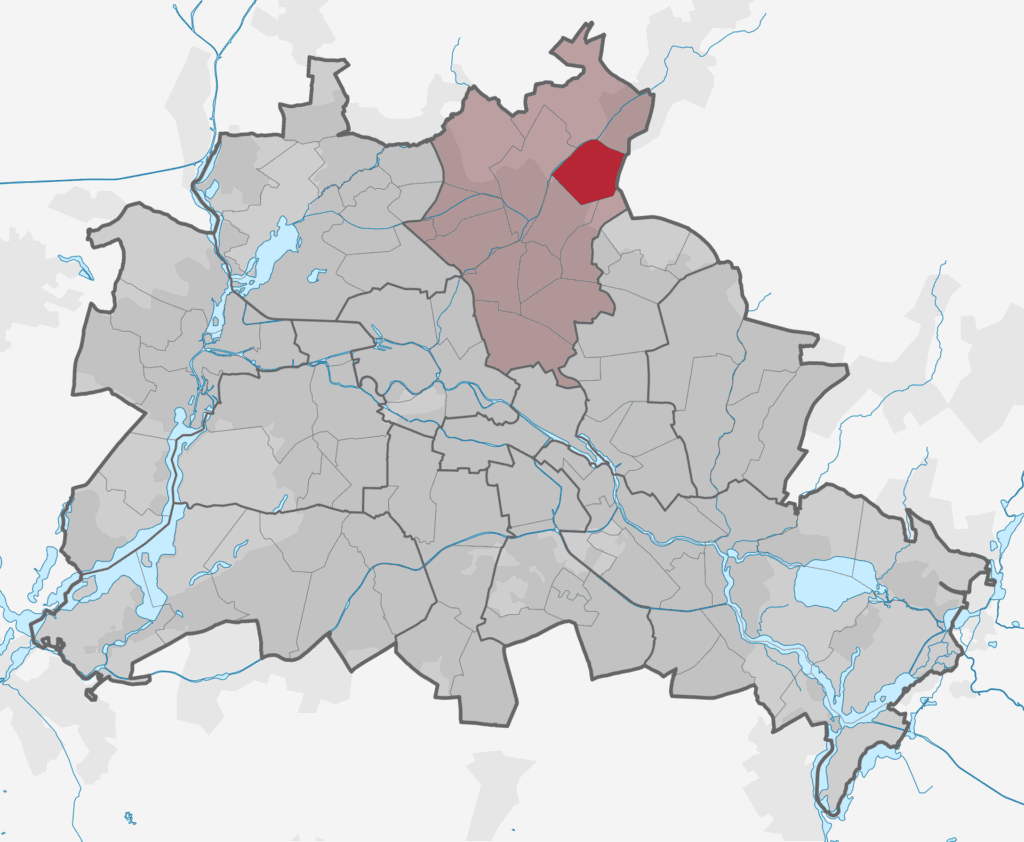
Context images only: no invented crime-scene photography.
Myth vs. Record
Several common claims need downgrading.
Myth: two confirmed murders
Too strong. Franzke was the strongest homicide case; Graf was a serious suspected link. Wenzinger died before either could be litigated to a murder verdict against him.
Myth: 17+ victims are established
No. Multiple other killings were investigated or attributed in press accounts, but the public record does not support presenting a precise serial-murder total as fact.
Myth: 100 Brazilian tapes = 100 murder victims
No. The tapes support a broad abuse/torture pattern. They do not establish that every woman was killed.
Myth: “snuff film” was criminologically proven
The Franzke recording was critical homicide evidence. That does not prove a commercial snuff-film industry or justify repeating dark-web lore as fact.
Myth: malignant narcissism / psychopathy established
These labels appear in retrospective profiling language, but the dossier should not present them as settled diagnoses without a traceable clinical evaluation.
Related Case Frameworks
Related reading that adds context without pretending every offender is the same.
Sexual Sadism
The site’s evidence standard for sexual sadism disorder and what crime scenes cannot diagnose explains the limits of assigning a clinical label from violent acts alone.
Erotophonophilia
The distinction between arousal from suffering, killing and post-mortem behavior is examined in erotophonophilia and sexual homicide.
David Parker Ray
For another documented case involving captivity, recording and allegations that outran the number of proven deaths, see the Toy Box Killer court record.
Healthcare Serial Killing
Wenzinger does not fit the classic hospital “Angel of Death” pattern. Compare that category with healthcare serial killers and the betrayal of care.
Marginalization
For a broader look at why vulnerable women can disappear into investigative blind spots, see marginalized women and victim invisibility.
Cleveland Torso Case
The unidentified victims, dismemberment and social marginalization record provides a useful comparison in how fragmented remains and vulnerable victim populations complicate attribution.
Frequently Asked Questions
Who was Gerd Wenzinger?
A German physician known as the “Havel Ripper”, whose medical licence was withdrawn after he secretly filmed female patients.
What crime was he suspected of?
The 1994 killing and dismemberment of 23-year-old Dana Franzke in Berlin.
What linked him to Dana Franzke?
Video evidence linked him to her remains and his Berlin property.
Was Sabrina Graf his victim?
Her killing was investigated as a possible link, but the public record does not support calling her a legally confirmed victim.
Where was he arrested?
In Salvador, Brazil, amid allegations that he drugged, sexually abused and tortured many women.
Was he ever tried for murder?
No. Brazil approved his extradition, but he hanged himself in Brazilian custody on 16 June 1997.
Source Ledger
Citations & Sources
Contemporary reporting first; later interpretation clearly marked.
Berliner Zeitung: June 1996
Key source on the video, Franzke investigation, 1990 licence loss, hundreds of seized tapes and the Sabrina Graf inquiry.
Berliner Zeitung: suspect identified
Police account of the Schönerlinder Weg evidence, Franzke suspicion, previous investigations and the initial caution around Sabrina Graf.
Berliner Zeitung: 2021 reconstruction
Long-form reconstruction of the Franzke case and the path to Wenzinger, useful for chronology while retaining caution around retrospective details.
Die Zeit: June 1997
Published days after Wenzinger’s death; documents his custody behavior and suicide threat, while also showing how dramatically victim-count claims varied in the press.
Folha / Agência Estado: 1996 to 1997
Reports the Salvador arrest, allegations involving scores of women, extradition developments and death in custody.
Forensic Psychology in Brazil
Retrospective first-person account by a Bahia psychologist who says he interviewed Wenzinger and several women and viewed a small portion of a much larger tape archive.
Editorial standard: Wenzinger died before a German murder trial. This dossier therefore uses “suspected,” “investigated,” and “alleged” where the record requires them. It does not transform press attribution into conviction, abuse tapes into homicide counts, or retrospective profiling into diagnosis. Last reviewed: September 2026.
Discover more from The Dark Side of Humanity
Subscribe to get the latest posts sent to your email.