FILE NO. 0192Case status Convicted
Case snapshot
- Victim: Sylvia Marie Likens, 16, born January 3, 1949, a paid boarder in the home of Gertrude Baniszewski at 3850 East New York Street, Indianapolis, from early July 1965
- Died: October 26, 1965, after about three months of abuse; the coroner counted more than 150 wounds
- Cause of death: A subdural hematoma from a severe blow to the right temple, with shock from prolonged damage to her skin and severe malnutrition contributing
- Indicted: Gertrude Baniszewski, her daughter Paula, her son John Jr. and two neighbourhood boys, Richard Hobbs and Coy Hubbard, for first degree murder on December 30, 1965
- Verdicts, May 19, 1966: Gertrude guilty of first degree murder; Paula guilty of second degree murder; John Jr., Hobbs and Hubbard guilty of manslaughter
- Never tried: Stephanie Baniszewski, 15, was charged with murder, testified for the state, and the charge was dropped
- Appeal and retrial: The Indiana Supreme Court reversed the 1966 convictions of Gertrude and Paula in 1970; in 1971 Gertrude was convicted of first degree murder again and Paula pleaded guilty to manslaughter
- Parole: Gertrude Baniszewski was paroled on December 4, 1985, after two 3 to 2 votes, and died in 1990
- Legacy: Indiana’s law requiring every adult, not only professionals, to report suspected child abuse is widely credited to her death
Gertrude Baniszewski was indicted for first degree murder by a Marion County grand jury on December 30, 1965, together with four young people from her household and her street, all of them under 18: her daughter Paula Baniszewski, her son John Baniszewski Jr. and two neighbourhood boys, Richard Hobbs and Coy Hubbard. On May 19, 1966 a jury found her guilty of first degree murder, and on May 25 she was sentenced to life imprisonment. The Indiana Supreme Court reversed that conviction on September 1, 1970 (Baniszewski v. State, 256 Ind. 1, 261 N.E.2d 359) because of prejudicial publicity, the refusal of a change of venue and the refusal of a separate trial. She was retried in 1971 and convicted of first degree murder again, and again sentenced to life. The Indiana Parole Board voted 3 to 2 to parole her in September 1985; a judge voided that vote under the state’s Open Door Law, and the board voted 3 to 2 again on December 3, 1985. She left the Indiana Women’s Prison on December 4, 1985, and died of lung cancer in Laurel, Iowa, on June 16, 1990. Her 17-year-old eldest daughter, Paula Baniszewski, convicted of second degree murder in 1966, pleaded guilty to voluntary manslaughter before the 1971 retrial. Her 12-year-old son, John Baniszewski Jr., and the neighbourhood boys Richard Hobbs and Coy Hubbard were convicted of manslaughter in 1966. The conviction of Gertrude Baniszewski stood at her death. Status last checked on October 23, 2026.
At the skating rink, Sylvia Likens would hold her younger sister’s hand so that Jenny, whose leg had been weakened by polio, could skate on her good foot. Her friends called her “Cookie”. She loved music, and the Beatles in particular, and she kept her mouth closed when she smiled because of a front tooth she had lost as a small child.
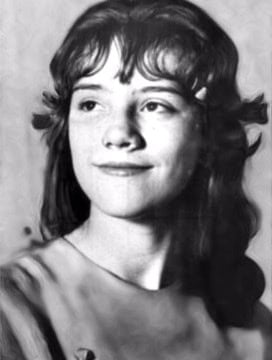
On the evening of October 26, 1965, police were called to a rented house at 3850 East New York Street on the east side of Indianapolis. In an upstairs bedroom, on a soiled mattress, they found the body of Sylvia Marie Likens. She was 16. She had been living in the house since early July as a paid boarder, along with her 15-year-old sister Jenny, while their parents, Lester and Elizabeth “Betty” Likens, travelled with a carnival. The woman who had agreed to look after the two girls for $20 a week, Gertrude Baniszewski, handed the officers a letter that she said explained everything. Jenny Likens, who had been coached in the same story, repeated it. Then she whispered to the police, “You get me out of here and I’ll tell you everything.”
What she told them became one of the most notorious criminal cases in Indiana history. Over roughly three months, a girl described by everyone who knew her as cheerful and protective of her younger sister had been beaten, starved, burned and finally confined in the basement of the house, by the adult who was paid to care for her and by children from that household and from the surrounding streets. The coroner counted more than 150 wounds. Neighbours had heard things. A school nurse had visited. A minister had been told. Nobody stopped it.
This article sets out what happened, who was charged and convicted, how the 1966 verdict was overturned and the case retried, how the woman at its centre came to be paroled in 1985 against a public campaign, and what the case changed. Indiana’s law that makes every adult, not just professionals, responsible for reporting suspected child abuse is widely credited to the death of Sylvia Likens.
Who Sylvia Likens was
Sylvia Marie Likens was born on January 3, 1949, the third of five children of Lester and Elizabeth “Betty” Likens, a couple who made their living working concession stands at carnivals and fairs. She was born between two sets of fraternal twins: an older brother and sister, Dianna, two years ahead of her, and a younger brother and sister, Jenny, one year behind. Her parents sold candy, beer and soda at carnival stands around Indiana through the summer months, moved often and were regularly short of money. Their marriage was unsettled. The family’s roots were in Lebanon, the seat of Boone County, northwest of Indianapolis, and Sylvia lived in Lebanon and in nearby Fayette at different times during her life.
The boys of the family often travelled with their parents to help with the stands. Sylvia and Jenny were usually kept away from the carnival circuit out of concern for their safety and their schooling, and they spent long stretches staying with relatives. That pattern, of two girls being placed with other adults while their parents worked the road, is the background to everything that followed.
Jenny Likens had polio as a child. One of her legs was weaker than the other, she walked with a noticeable limp and she wore a steel brace. Sylvia was protective of her. One detail that recurs in accounts of the sisters is the local skating rink, where Sylvia would hold Jenny’s hand so that she could skate on her good foot.
As a teenager Sylvia earned spending money by babysitting, running errands and doing ironing for friends and neighbours, and she often gave part of what she earned to her mother. She is described as friendly, confident and lively, with long, wavy, light brown hair. Her friends called her “Cookie”. She loved music, and the Beatles in particular. She kept her mouth closed when she smiled because she had lost a front tooth while roughhousing with one of her brothers as a young child, a small detail that would come back in the last hours of her life.
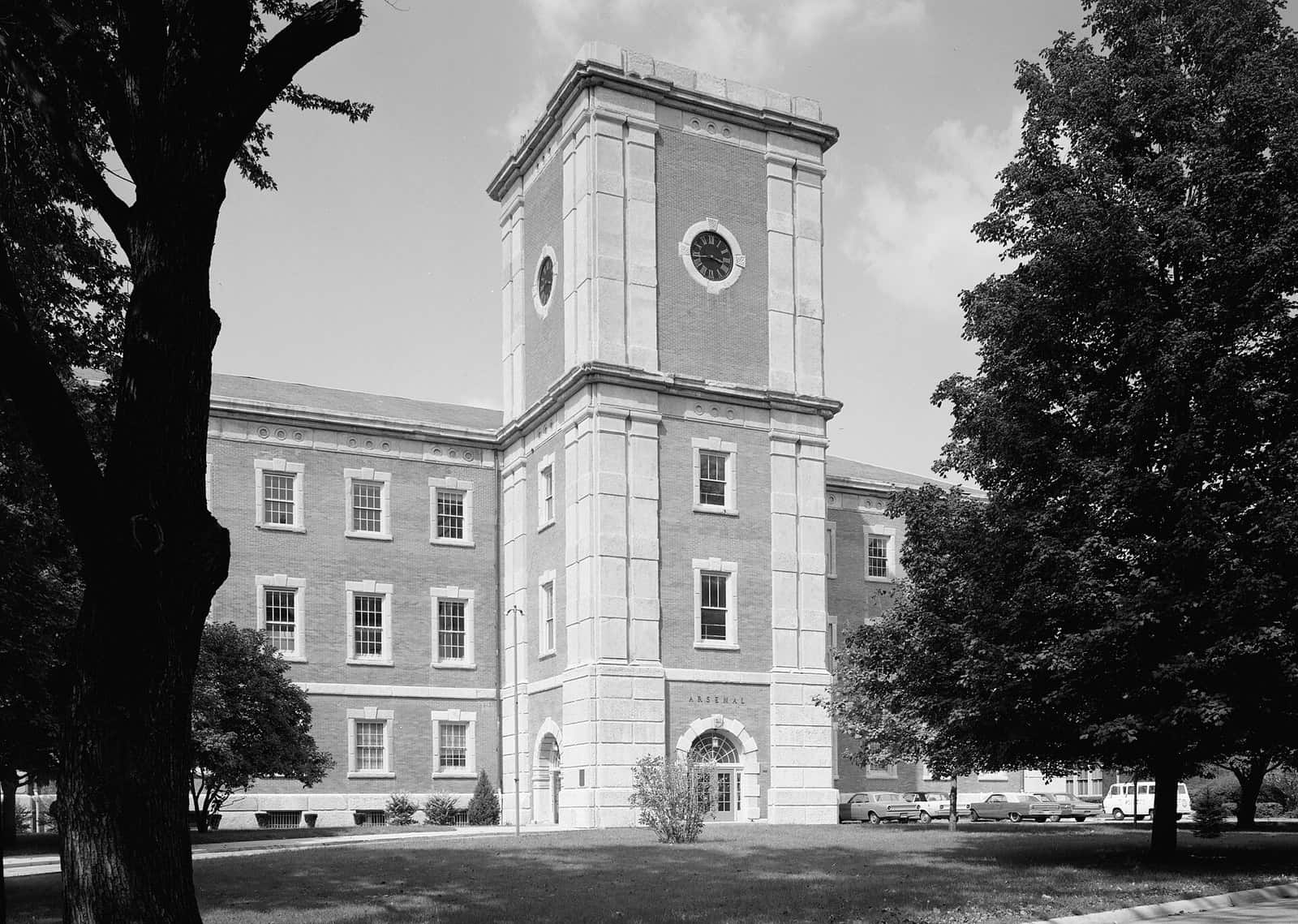
By June 1965 the two sisters were living with their parents in Indianapolis. Sylvia was 16 and Jenny was 15. Both had recently started at Arsenal Technical High School on the east side of the city, and it was there that they got to know two girls of their own age from a household on East New York Street, Paula and Stephanie Baniszewski.
How Sylvia Likens came to board with Gertrude Baniszewski
On July 3, 1965, the girls’ mother, Betty Likens, was arrested and jailed for shoplifting. Shortly afterwards their father, Lester Likens, made an arrangement with Gertrude Baniszewski, the mother of the two girls the sisters had met at school. She would take Sylvia and Jenny in as boarders, and he would pay her $20 a week until he and his wife came back from the carnival circuit to collect their daughters in November. According to the trial evidence as summarised in later accounts, she told him she would look after the girls as if they were her own children. He later testified, “We [he and Gertrude] got to talking, and she said she would take care of the children and treat them like her own.”
Gertrude Baniszewski was born Gertrude Nadine Van Fossan in Indianapolis on September 19, 1928, and was 36 when the girls moved in. She had left high school at 16 to marry, had been married and divorced three times and had then had a relationship with a younger man who left her shortly after the birth of their son in May 1964. By 1965 she lived alone with seven children: Paula (17), Stephanie (15), John (12), Marie (11), Shirley (10), James (8) and Dennis Lee Wright Jr., her one-year-old son. She was described at the time as a thin, chain-smoking asthmatic, suffering from depression. She relied mainly on irregular support payments from her former husband, a former Indianapolis policeman, and on odd jobs such as sewing and cleaning for neighbours. The rent on the house at 3850 East New York Street was $55 a month.
Shortly after the Fourth of July the sisters moved in. For the first couple of weeks there was little sign of trouble. Sylvia sang along to pop records with Stephanie, helped with the housework, and went with the Baniszewski children to Sunday school, where the pastor remarked on her piety.
Their parents came back to Indianapolis to visit when the carnival schedule allowed, in July and August and for the last time on October 5. On those visits, by every account, the girls showed no sign of distress. They were never alone with their parents, and Lester Likens later said he only ever went into the living room and, once, the kitchen. Jenny Likens would later insist that her parents should not be blamed: all they had done, she said, was trust a woman who promised to look after their daughters.
How the abuse began
The trigger, according to the trial testimony and every later account, was money. After about two weeks the $20 payments started arriving a day or two late. Gertrude Baniszewski took her frustration out on the two sisters, beating them with a paddle. Jenny Likens testified in 1966 that the abuse began about two weeks after the sisters moved in.
By the middle of August it had narrowed almost entirely to Sylvia. Jenny was beaten too, and on occasion was forced to hit her own sister under threat of being beaten herself, but it was Sylvia who became the household’s target. Accounts of the case, including the attorney who represented two of the boys at trial, have attributed this to jealousy of a girl who was young, attractive and well liked. Forrest Bowman said in 2014, “She had a miserable life. What I think this was ultimately about was jealousy.”
The pattern that emerged over the next two months is set out in the trial testimony, and Wikipedia’s account of the case summarises it in detail. Sylvia was beaten repeatedly, by Gertrude Baniszewski and, with her encouragement, by her children and by boys and girls from the neighbourhood. She was denied food and made to eat scraps. Gertrude Baniszewski and Paula once force-fed her a hot dog loaded with mustard and spices, with the help of a neighbourhood boy, Randy Lepper; she vomited, and was made to eat what she had brought up. She was falsely accused of theft and of sexual misconduct, accusations that were then used to justify further punishment. Gertrude Baniszewski kicked her repeatedly in the genitals during a lecture on the “evils” of premarital sex, and burned her fingertips with matches. Paula beat her with her mother’s police belt and pushed her down the basement stairs “two or three times”. Neighbourhood children burned her with lit cigarettes more than 100 times. She was put in scalding baths to “cleanse her of sin”, and Gertrude Baniszewski banged her head against the tub to revive her when she fainted. She was made to strip naked in the living room and penetrate herself with a glass Pepsi bottle in front of Gertrude Baniszewski and the teenagers in the house, so that she could, in Gertrude’s words, “prove to Jenny what kind of a girl you are.” Paula beat her so hard about the face, aiming at her teeth and eyes, that she broke her own wrist, then used the cast on that wrist to beat her again. A witness, Grace Sargent, testified that Paula boasted about it on a church bus.
The one thing Sylvia is said to have done in return was to repeat a rumour at school that Paula and Stephanie Baniszewski were prostitutes, after the household had spread similar accusations about her. When it came back to the house, she admitted it and apologised in tears. Stephanie’s 15-year-old boyfriend, Coy Hubbard, attacked her for it, slapping her, banging her head against the wall and flipping her backwards onto the floor, and Gertrude Baniszewski beat her with the paddle.
The sense that runs through the testimony is of a household in which abusing Sylvia had become normal and even social. Neighbourhood children came to the house to join in, sometimes using her as a practice dummy for judo throws. Marie Baniszewski later testified of Coy Hubbard: “He’d get down in a football huddle and he’d run right into [her abdomen] until she’d scream.” The adult in charge did not merely fail to stop it. She directed it. A former Indianapolis Star reporter who covered the trial put it this way in 2015, rejecting the familiar comparison to Lord of the Flies: “In this case, they had an adult supervising what they were doing. It wasn’t children going wild. It was children doing what they were told.”
Eventually Sylvia was kept home from school altogether, after she admitted taking a gym suit from school because she had not been given one. Jenny was also beaten for taking a single tennis shoe from school to wear on her strong foot.
The people who knew
The most painful part of the case is not the abuse itself but the number of people who saw some of it, heard some of it or were told about it, and did nothing that reached the police. The case is remembered in Indiana less as a single crime than as a series of missed chances.
The sisters themselves were afraid to tell. Jenny had been told that if she reported anything she would be treated the way her sister was, and she was bullied and beaten by girls in the neighbourhood when she hinted at what was happening. The defence later made an issue of this at trial. A lawyer for one of the boys described Jenny as “a sister who could limp three-and-a-half miles to a park but couldn’t take two or three steps out into New York Street to beg for help!” The prosecution’s answer, and the view taken by nearly everyone since, was that a frightened 15-year-old with a leg brace, living in the house of her abuser, was a victim, not a bystander. Forrest Bowman, who defended two of the boys, said in 2015 that Sylvia had probably never learned that adults would come to her aid: “She wasn’t conditioned to believe that anyone would help her.”
In September the sisters met their older sister, Dianna, by chance in a park and told her they were being abused, and that Sylvia was being singled out. They did not say where they were living, and Dianna at first thought they were exaggerating. When she found the house around October 1 and tried to visit, Gertrude Baniszewski refused to let her in. About two weeks later she ran into Jenny near the house and asked about Sylvia. Jenny told her, “I can’t tell you or I’ll get into trouble.” The Indianapolis Monthly account says Dianna contacted social services and that a worker came to the house but was told Sylvia had run away; the other sources consulted describe a school nurse’s visit instead. Either way, nothing came of it.
The visit that is well documented came from Arsenal Technical High School. The father of a neighbourhood boy, Michael Monroe, phoned the school anonymously to report that a girl covered in open sores was living at the Baniszewski house. Sylvia had not been in school for several days. A school nurse went to the house. Gertrude Baniszewski told her that Sylvia had run away the week before, that she was “out of control” and that her sores were the result of poor hygiene. The school did not follow up.
The couple who lived next door, Raymond and Phyllis Vermillion, visited the house twice while the sisters were boarding there. Both times, they later said, they saw Paula hitting Sylvia, who had a black eye, and heard her boast about it. On the second visit Sylvia seemed meek and withdrawn. They did not report it. A Baptist minister testified at trial that he had known a teenage girl was being punished in the house, but had accepted Gertrude Baniszewski’s claim that the girl was soliciting men and did not report it either.
On the last night of Sylvia’s life, a neighbour heard screaming and banging from the basement of the house. She later told police she had identified where the noise was coming from, but because it stopped at around 3 a.m., she did not call. Kassie Frazier, who leads the child advocacy center in Lebanon that now carries Sylvia’s name, summed up the lesson in 2016: “Some of the neighbors heard Sylvia scream and were too scared to do anything about it or just didn’t get involved.”
The basement and the last days
By early October Sylvia was badly injured, malnourished and dehydrated. She had become incontinent, and she was not allowed to use the bathroom. On October 6, as a punishment for wetting herself, Gertrude Baniszewski put her in the basement and tied her up. She was kept there for most of the remaining three weeks of her life, often without clothes, rarely fed and frequently denied water. At times she was tied to the basement stair railing with her feet barely touching the ground. The abuse continued there, with the participation of children from the household and the neighbourhood. She was restrained, gagged and put in scalding baths, and salt was rubbed into her wounds. Gertrude Baniszewski and John Jr. rubbed urine and faeces from the baby’s diaper into her mouth. As a punishment she was forced to insert an empty glass Coca-Cola bottle into her vagina in front of the Baniszewski children. Neighbourhood children were charged five cents apiece to come and see her, and to beat, scald and burn her.
On October 23, Gertrude Baniszewski ordered Sylvia to strip and told her, “You have branded my daughters; now I am going to brand you.” She began carving the words “I’m a prostitute and proud of it” into Sylvia’s abdomen with a heated needle, then had a neighbourhood boy, Richard Hobbs, finish it while she took Jenny to a grocery store. Marie Baniszewski, 11, later admitted she had heated the needle. Hobbs and 10-year-old Shirley Baniszewski then took Sylvia to the basement and used a heated anchor bolt to try to burn the letter “S” beneath her left breast. They put one part of the loop on backwards, and the deep burn scar looked like the number 3. Gertrude Baniszewski told her she would never be able to marry now. That night, Sylvia told her sister, “Jenny, I know you don’t want me to die, but I’m going to die. I can tell it.” Jenny repeated those words, sobbing, from the witness stand the following May.
The next day Gertrude Baniszewski made Sylvia write a letter to her parents, dictating the words. It was meant to suggest that Sylvia had run away and had been attacked by a gang of unnamed boys after agreeing to have sex with them. The prosecution later described the letter as the clearest evidence of premeditation. According to the trial evidence, the plan was for Sylvia to be blindfolded and left to die in a wooded area nearby.
On October 25, having overheard that plan, Sylvia tried to escape. She got as far as the front door before she was caught. Her injuries and weakness made running impossible. Gertrude Baniszewski forced crackers into her mouth and struck her across the face with a curtain rod until the rod bent at right angles, and Coy Hubbard took the rod and hit her once more, knocking her unconscious. She was dragged back to the basement. That night she screamed for help and banged on the basement walls with a shovel. The neighbour who heard it did not call the police.
October 26, 1965: the death of Sylvia Likens
By the morning of October 26, Sylvia could no longer speak clearly or control her movements. She was brought up to the kitchen and propped against a wall, unable to lift a glass of milk to her mouth, and was taken back down to the basement. In the afternoon, delirious, she could not get past the first four letters of the alphabet. She tried to bite a piece of fruit and said she could feel her teeth were loose. Jenny reminded her of the front tooth she had lost when she was seven, and then, as she often did, left the house to do garden work for a neighbour for a little money.
Later that afternoon Sylvia tried once more to leave the basement and collapsed before she reached the stairs. Shortly after 5:30 p.m., Richard Hobbs returned to the house and went down to the basement, where Stephanie Baniszewski, 15, was holding Sylvia’s emaciated, lacerated body. The two of them bathed her, dressed her in clean clothes and laid her on a mattress in an upstairs bedroom. Her last recorded words were a wish that her “daddy was here”. When they realised she had stopped breathing, Stephanie tried mouth to mouth resuscitation while her mother shouted that Sylvia was faking.
Then Gertrude Baniszewski panicked. She sent Richard Hobbs to a payphone to call the police. Officers arrived at about 6:30 p.m. She led them upstairs to the body and handed them the letter Sylvia had been made to write. She told them Sylvia had run off with a group of boys, come back that afternoon in a terrible state, and died despite her attempts at first aid.
Jenny Likens had been told what to say, and she said it. Then she asked the officers to take her out of the house, promising, “You get me out of here and I’ll tell you everything.” Her statement led police to arrest Gertrude Baniszewski and three of her children, Paula, Stephanie and John Jr., that night on suspicion of murder, and Richard Hobbs and Coy Hubbard were arrested the same day. By October 29 five more neighbourhood children, all of them minors, had been arrested and charged with injury to person: Michael Monroe, Randy Lepper, Darlene McGuire, Judy Duke and Anna Siscoe. They were released to their parents under subpoena as witnesses, and those charges were later dropped. Marie, Shirley and James Baniszewski, who were not charged, were placed with separate foster families.
Sylvia Likens was buried in Lebanon on October 29, 1965. More than 100 mourners attended the funeral at the Russell and Hitch Funeral Home. The Reverend Louis Gibson told them, “We all have our time (of passing), but we won’t suffer like our little sister suffered during the last days of her life.” A procession of 14 vehicles followed the hearse to Oak Hill Cemetery.
The autopsy and the charges
The autopsy found more than 150 separate wounds, at different stages of healing, together with severe emaciation. They included burns, extensive bruising and muscle and nerve damage. The coroner, Dr. Arthur Kebel, gave the cause of death as a subdural hematoma, bleeding on the brain, caused by a severe blow to the right temple. Shock from the prolonged damage to her skin, and severe malnutrition, were listed as contributing causes. A deputy coroner, Charles Ellis, later testified that she had been in a state of acute shock for two to three days before she died, and that aside from swelling, her body showed no evidence of direct sexual molestation. The Indiana Supreme Court, in its 1970 opinion, summarised the medical evidence as showing that she died “from a combination of burns, bruises, cuts and a head injury.”
On December 30, 1965, the Marion County grand jury returned first degree murder indictments against five people: Gertrude Baniszewski; her 17-year-old daughter Paula; her 12-year-old son John Jr.; and the neighbourhood boys Richard Hobbs and Coy Hubbard. All were charged with having beaten and kicked Sylvia and inflicted injuries that together killed her, with premeditated malice.
Stephanie Baniszewski, 15, had also been arrested and charged with murder. About three weeks before the indictments she was released on a writ of habeas corpus, her lawyer arguing that the evidence against her was insufficient. She agreed to testify for the state. The Supreme Court later noted that she had been granted a separate trial and that “The record does not show whether or not she was ever tried.” Prosecutors put her case to a grand jury again on May 26, 1966, but no separate trial ever took place, and the murder charge against her was dropped. She was never convicted.
At a pretrial hearing on March 16, 1966, psychiatrists told Judge Saul Isaac Rabb that the three defendants they had examined were competent to stand trial. Gertrude Baniszewski pleaded not guilty by reason of insanity.
The 1966 trial
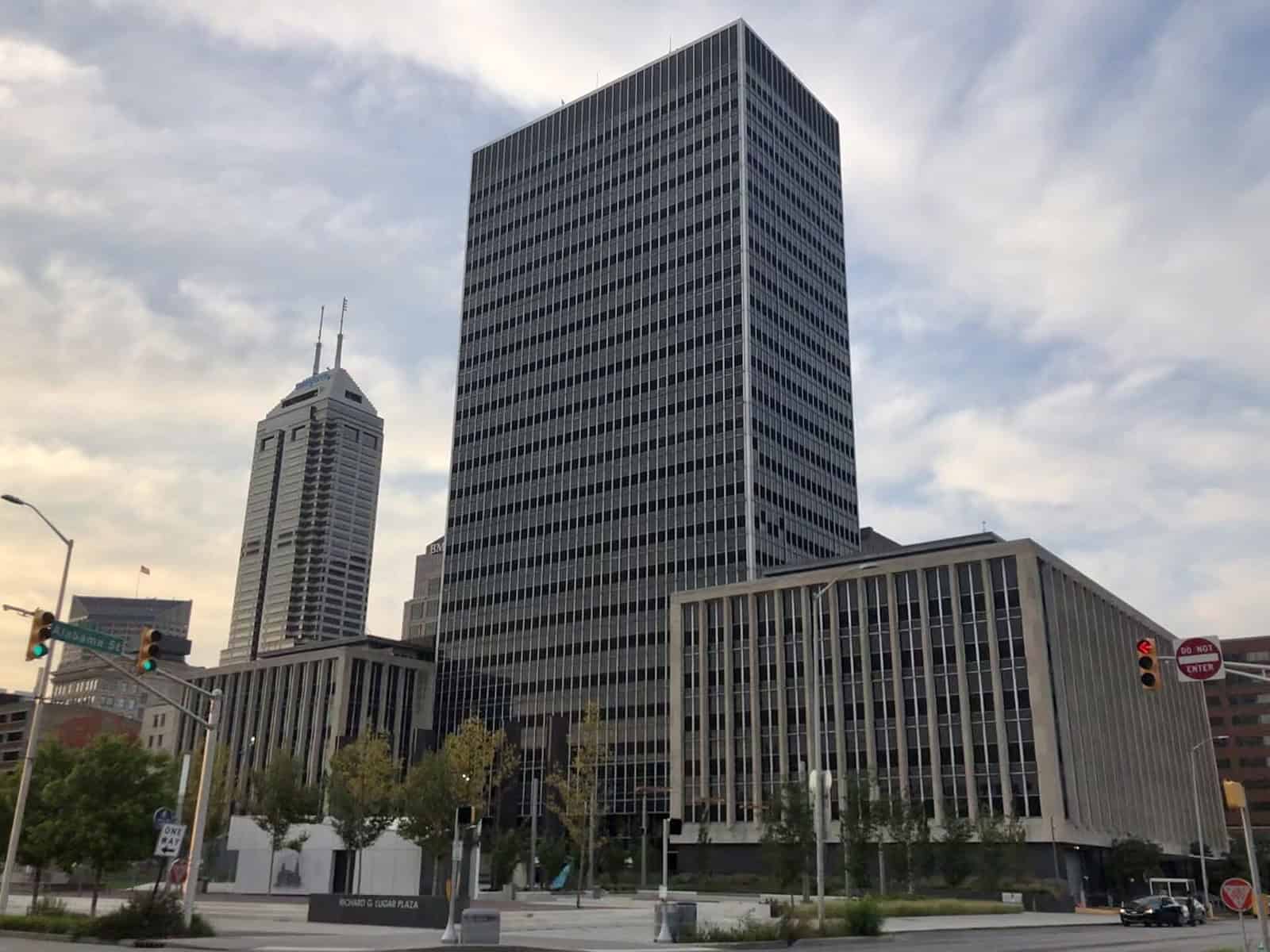
The joint trial of the five defendants opened on April 18, 1966, in Marion County Criminal Court at the City-County Building in downtown Indianapolis, before Judge Rabb. The prosecutors were Leroy K. New and Marjorie Wessner. Two days before the trial began they announced that they would seek the death penalty for all five defendants, including the 12-year-old. They persuaded the judge to try the five together, arguing that they had acted “in concert” and that separate trials would deny the jury the “total picture”.
Gertrude Baniszewski was represented by William Erbecker. Paula was represented by George Rice, Richard Hobbs by James G. Nedeff, and John Jr. and Coy Hubbard by Forrest Bowman. The lawyers for the four young defendants argued that their clients had been pressured into the abuse by Gertrude Baniszewski. Jury selection took several days; prospective jurors were questioned about the death penalty and about whether a mother was responsible for the behaviour of her children.
The trial was a sensation. The Indiana Supreme Court later listed some of the Indianapolis newspaper headlines from those weeks, among them “Courtroom Jammed as Torture Trial Opens,” “Two Women Scuffle For Seat at Trial” and “Sylvia Foresaw Death, Sister Sobs.” A table was set up in the courtroom specially for the press.
The medical evidence came early, from deputy coroner Charles Ellis on April 29. The central witness was Jenny Likens, who testified on May 2 and 3 against all five defendants. She described the abuse of her sister, said that Sylvia had done nothing to provoke it and that the rumours and accusations against her were false, and said that near the end Sylvia had been so dehydrated she could not cry tears. Several of the younger neighbourhood children who had been charged with injury to person also testified, describing what they had seen and, in some cases, what they had done themselves. Judy Duke, 13, said she had watched salt rubbed into the sores on Sylvia’s legs until she screamed. Randy Lepper smirked as he admitted hitting her on up to forty occasions. So did the Baptist minister who had not reported what he knew. Marie Baniszewski, 11, who had not been charged, broke down on the stand, admitted she had heated the needle used to carve Sylvia’s abdomen, and described her mother sitting and crocheting while a neighbourhood girl, Anna Siscoe, attacked Sylvia.
On May 11 Gertrude Baniszewski testified in her own defence. She denied responsibility, blamed her children and the neighbourhood children, called her home “such a madhouse” and said she had been too ill and depressed to control what happened in it. She said she had once “started to spank” Sylvia but had not been able to finish. Two days later Richard Hobbs testified in his own defence. He admitted his part in the carving on October 23 but insisted it had been light, and he repudiated an earlier statement in which he had said Gertrude Baniszewski told him she would kill the girl, admitting under cross-examination that he had lied about it. He was the only one of the co-defendants whose statement was used at trial who took the stand. On May 16 a court-appointed psychiatrist, Dr. Dwight Schuster, testified that Gertrude Baniszewski had been sane in October 1965 and remained sane. He held to that through more than two hours of cross-examination.
In closing, Marjorie Wessner pointed to the letter Sylvia had been made to write on October 24 as proof of a plan. Holding up a photograph of Sylvia from before that summer, she told the jury, “I wish she were here today, with eyes as in this picture,” eyes she described as “full of hope and anticipation.” William Erbecker argued that his client must be insane: “She committed acts of degradation that you wouldn’t commit on a dog … She has to be crazy, or she wouldn’t have permitted that.” Forrest Bowman attacked the decision to seek death sentences for juveniles. James Nedeff, for Richard Hobbs, called Sylvia “a girl so much sinned against and abused” and argued that his client was “guilty of immaturity and gross lack of judgement”, but not of murder.
Leroy New closed for the state. He said he would “speak through the mangled and shredded lips of Sylvia Likens,” told the jury that “Every mark on that girl’s body contributed directly to her death,” and asked again for the death penalty for all five: “Will we shy away from the most diabolical case to ever come before a court or jury?” On why Sylvia had not fled earlier, he offered a simpler answer than the defence: “I think she trusted in man … I think she did not believe these people would do this and continue to do it.”
Verdicts and sentences
The trial lasted 17 days before the jury of eight men and four women retired. On May 19, 1966, after about eight hours of deliberation, it returned its verdicts.
- Gertrude Baniszewski, 37: guilty of first degree murder, with a recommendation of life imprisonment rather than death.
- Paula Baniszewski, 17: guilty of second degree murder.
- John Baniszewski Jr., 12: guilty of manslaughter.
- Richard Hobbs, the neighbourhood boy who had called the police and testified in his own defence: guilty of manslaughter.
- Coy Hubbard, 15: guilty of manslaughter.
On May 25, Judge Rabb sentenced Gertrude and Paula Baniszewski to life imprisonment. John Jr., Hobbs and Hubbard were each sentenced to two to 21 years, to be served at the Indiana Reformatory. None of the five received the death penalty the prosecution had asked for.
Contemporary and later accounts describe Gertrude Baniszewski and her children crying and holding each other as the verdicts were read, while Hobbs and Hubbard showed no reaction. The sentences for the three boys, all of whom would be paroled in less than two years, were widely criticised then and since. One of the three, decades later, said publicly that he and his co-defendants should have received harsher sentences.
The verdicts are sometimes misreported. A 1985 UPI report said the son and the two neighbourhood boys “all pleaded guilty to manslaughter”. Trial accounts and other sources say they were convicted by the jury on May 19, 1966, after a full trial, and this article follows that account.
Reversal and retrial
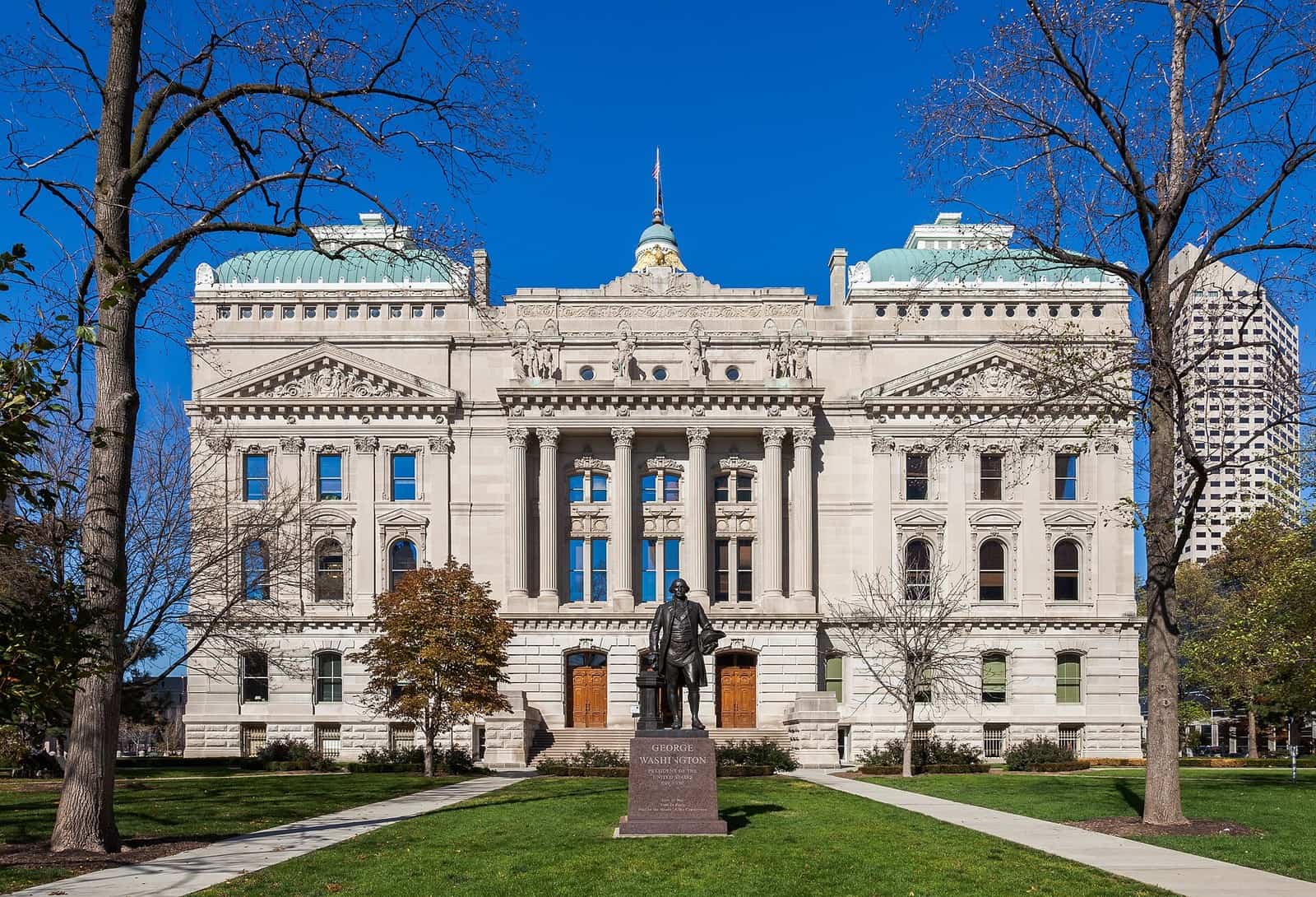
Gertrude Baniszewski appealed. On September 1, 1970, the Indiana Supreme Court reversed her conviction and ordered a new trial. The opinion, written by Judge Arterburn, did not question what had been done to Sylvia; it described the injuries as “particularly heinous”. Its concern was whether the trial had been fair, and it found “a number of reasons in combination and in support of each other that compel us to reverse this case.”
The court gave four main reasons.
- Publicity and venue. The defence had asked to move the trial out of Marion County because of saturation coverage in Indianapolis newspapers, television and radio, and had been refused. The court said she had “presented a very strong case for a change of venue” and compared the coverage to the publicity in Sheppard v. Maxwell, the 1966 United States Supreme Court case.
- Mistrial. The publicity continued during the trial, and the motion for a mistrial was denied.
- Separate trial. Four co-defendants had made statements implicating her, and those statements were put before the jury even though only one of those co-defendants testified and could be cross-examined. No conspiracy had been charged. The court said a separate trial should have been granted.
- Right to counsel. Police had questioned her and taken a written statement without telling her that the state would provide a lawyer if she could not afford one, contrary to Escobedo v. Illinois.
The court also noted that her motion for a new trial had been ruled on by a judge pro tempore rather than the trial judge, with no explanation given. It concluded: “We think justice would be better served if this case were retried in a more temporate atmosphere.” Paula Baniszewski’s conviction was reversed on the same grounds.
The retrial took place in 1971. Paula Baniszewski, by then in her early twenties, did not wait for a jury. She pleaded guilty to voluntary manslaughter, according to Wikipedia and Indianapolis Monthly, and was sentenced to two to 20 years by the Wikipedia account, or two to 21 years by the Indianapolis Monthly and Encyclopedia of Indianapolis accounts. The Encyclopedia describes the plea as involuntary manslaughter. She attempted to escape twice in 1971 and was released in December 1972, according to Wikipedia; Indianapolis Monthly gives March 1972 for her parole and March 1974 for her final release.
Gertrude Baniszewski went to trial again and was again convicted of first degree murder, and again sentenced to life imprisonment. The sources consulted do not agree on where the retrial was held; the Encyclopedia of Indianapolis says the new trial was ordered with a change of venue, but none of the sources consulted names the court.
Gertrude Baniszewski’s parole in 1985
Gertrude Baniszewski served her sentence at the Indiana Women’s Prison in Indianapolis. By the accounts of prison staff she was a model prisoner. She worked in the sewing shop, where by 1985 she was in charge of altering correction officers’ uniforms, and she became a kind of den mother to younger inmates, some of whom called her “Mom”. She took the name Nadine Van Fossan, combining her middle name and her maiden name, and described herself as a devout Christian.
When she became eligible for parole in 1985, the prospect caused uproar in Indiana. Jenny Likens and other members of the Likens family protested. Two anti-crime groups came to Indiana to oppose her release and organised pickets, and over two months campaigners gathered more than 40,000 signatures asking that she stay in prison for life.
On September 10, 1985, the Indiana Parole Board voted 3 to 2 in a closed session to parole her. Opponents sued, and Marion County Superior Judge Michael Dugan ruled that the board had violated the state’s Open Door Law and ordered a new hearing. It was held on December 3, 1985, at the Indiana Women’s Prison, with board chairman Lewis Gregory questioning her. She cried throughout. “I ask their (Likens’ family members) forgiveness,” she said. “I just wish it could be undone, but it can’t be undone.” She also said, “I’m not sure what role I had in it (the slaying) because I was on drugs at the time.” Medical and psychiatric records released by order of Judge Dugan described her as “healthy, stable pleasant and agreeable”. The board voted 3 to 2 again.
She walked out of the prison at about 8:30 a.m. on December 4, 1985, aged 57, 20 years after Sylvia’s death. Her parole sponsor, the Rev. Rubin Fields, met her at the gate. She told reporters, “So really, this is not a victory for me. I just wish, you know, people would please forgive me. I can’t undo anything.” The first thing she wanted to do, she said, was go to church. A man driving past shouted an obscenity at her. Parole board members said people released from life sentences were usually supervised on parole for five years.
She moved to Iowa and lived quietly in Laurel. She never accepted full responsibility, saying she could not remember what she had done and blaming the medication she had been prescribed for asthma. She died of lung cancer on June 16, 1990. Wikipedia gives her age as 61, the Encyclopedia of Indianapolis as 60; with a birth date of September 19, 1928, she was 61. When Jenny Likens saw the obituary she clipped it and mailed it to her mother, Betty, with a note: “Some good news. Damn old Gertrude died. Ha ha ha! I am happy about that.”
The reporter who covered the trial for the Indianapolis Star, asked in 2015 about the insanity defence, said: “I never thought she was insane. I thought she was a downtrodden, mean woman.”
What became of the others
The three boys convicted of manslaughter, John Baniszewski Jr., Richard Hobbs and Coy Hubbard, were paroled from the Indiana Reformatory on February 27, 1968, after less than two years, according to Wikipedia. The Encyclopedia of Indianapolis says they served 18 months and were paroled in 1967.
Richard Hobbs, who called the police, died of lung cancer on January 2, 1972, aged 21. Coy Hubbard stayed in Indiana and never changed his name, and was in trouble with the law repeatedly as an adult: he served a sentence for armed robbery in 1978 and was later tried for the 1977 murders of two young men and acquitted (the sources consulted give 1982 or 1983 for that trial). He was fired from his job shortly after the January 2007 premiere of An American Crime, and died in 2007. John Baniszewski Jr. later lived under another name, became a lay minister who counselled the children of divorced parents, and spoke publicly about the case. He died in 2005.
Paula Baniszewski changed her name after her 1972 parole, married and had two children. As Paula Pace she worked for 14 years as an aide to a school counselor at the Beaman-Conrad-Liscomb-Union-Whitten Community School in Conrad, Iowa, having hidden her conviction on her application. She was fired in 2012 when the school learned who she was. Stephanie Baniszewski, whose murder charge was dropped after she testified for the state, also changed her name and became a school teacher. Of the neighbourhood children, Anna Siscoe died on October 23, 1996, aged 44; Randy Lepper died on November 14, 2010, aged 56; and Michael Monroe died on February 16, 2023, aged 68.
Jenny Likens married and had two children. She remained traumatised for the rest of her life by what she had seen and endured, and depended on anxiety medication. She died of a heart attack on June 23, 2004, in Beech Grove, Indiana, aged 54. The house at 3850 East New York Street stood empty for years and fell into disrepair. Plans to turn it into a women’s shelter never raised the money, and it was demolished on April 23, 2009. The site is now a church parking lot.
Sylvia Likens, remembered: the memorial and Indiana’s reporting law
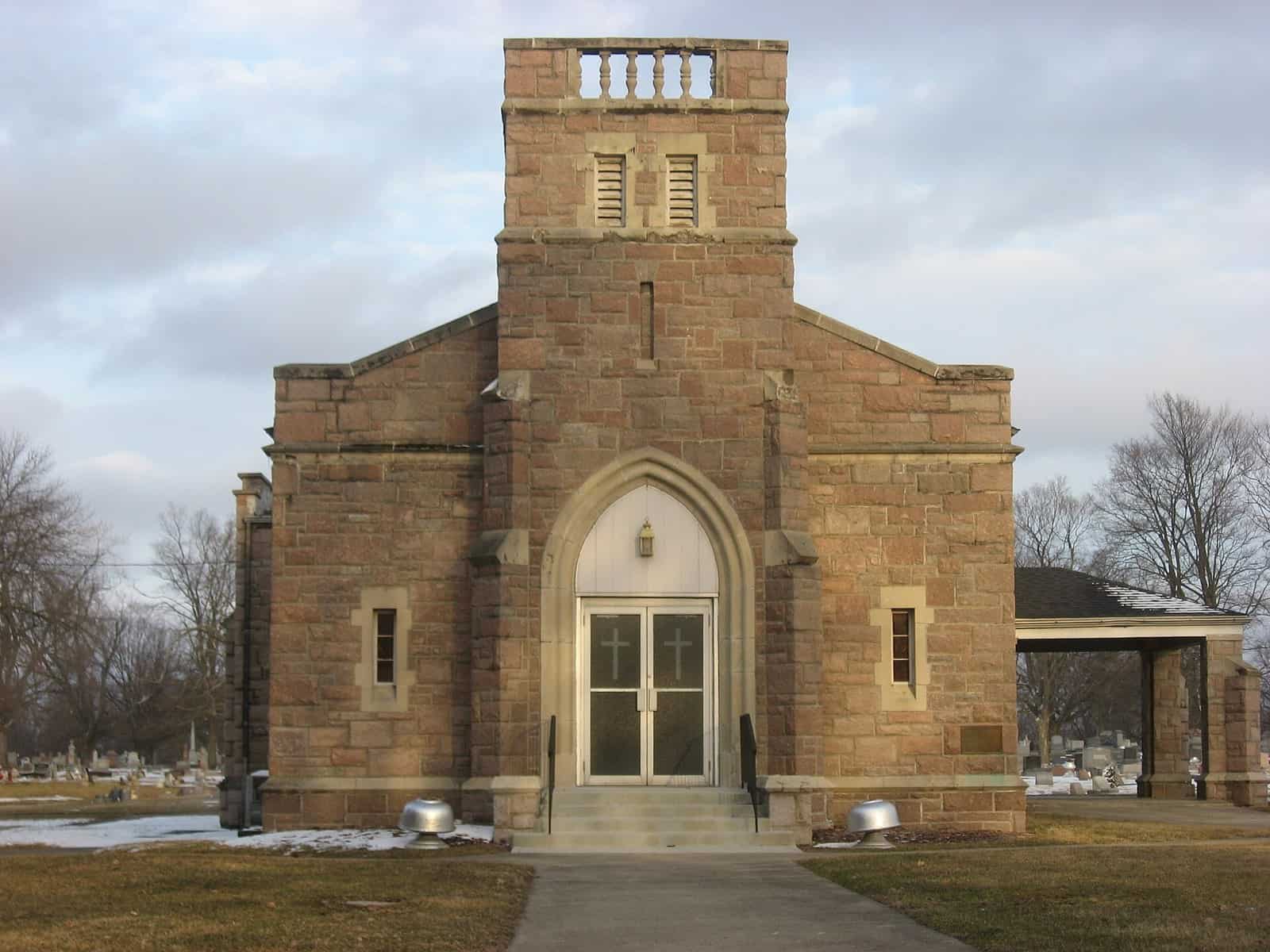
Sylvia Likens’s headstone at Oak Hill Cemetery carries an abbreviation of “Our Darling Daughter.” In June 2001 a six-foot granite memorial was dedicated to her in Willard Park on Washington Street in Indianapolis, attended by several hundred people. Its inscription reads in part: “This memorial is in memory of a young child who died a tragic death. As a result, laws changed and awareness increased.”
The law it refers to is Indiana’s universal duty to report. The case is widely credited with the state’s decision to require not only doctors, teachers and other professionals but every adult to report suspected child abuse. Kassie Frazier, executive director of the Boone County Child Advocacy Center, explained the difference in 2016: “Most states were saying professionals, doctors, lawyers, things like that, need to report child abuse if they knew about child abuse,” she said. “Indiana, after this case, decided that everybody needs to.” The Indiana government’s guidance today puts it plainly: “Any individual who has reason to believe that a child is a victim of child abuse or neglect must make a report.” Anonymous reports are accepted, and failing to report can be a Class B misdemeanour.
In 2016 the child advocacy center in Lebanon, founded in 2010 and serving Boone and Montgomery counties, was renamed Sylvia’s Child Advocacy Center. It conducts forensic interviews of children when abuse is reported, works with police, prosecutors and the Department of Child Services, and offers counselling and referrals. Frazier said that in the previous year alone the center had seen 199 children. “The most important thing that we can do is tell kids they are hurt and we are listening,” she said, something no one had done for Sylvia.
On October 26, 2015, the 50th anniversary of her death, people gathered in Lebanon to remember her and to honour all children who have died through abuse. The case has also been retold many times, in books, documentaries and two 2007 films, An American Crime and the looser adaptation The Girl Next Door, based on a 1989 novel by Jack Ketchum. Those retellings have kept the name in public memory. This article has tried to keep the focus on the documented facts, and on the girl at their centre.
What the case left behind
Sylvia Likens died in Indianapolis on October 26, 1965, aged 16, after about three months as a paid boarder in the home of Gertrude Baniszewski. The coroner found more than 150 wounds and recorded the cause of death as a subdural hematoma from a blow to the head, with shock and severe malnutrition contributing. The abuse was carried out by Gertrude Baniszewski and, at her direction and with her encouragement, by children from her household and her street. Her sister Jenny, who was also abused, broke the household’s cover story the night Sylvia died, and her testimony was at the centre of the trial.
In May 1966 a jury convicted Gertrude Baniszewski of first degree murder, her 17-year-old daughter Paula of second degree murder, and her 12-year-old son John Jr. and the neighbourhood boys Richard Hobbs and Coy Hubbard of manslaughter. The Indiana Supreme Court reversed the two murder convictions in 1970 because the trial had been unfair: prejudicial publicity, no change of venue and no separate trial. At the 1971 retrial Gertrude Baniszewski was convicted of first degree murder again, and Paula pleaded guilty to manslaughter. Stephanie Baniszewski, 15, was charged with murder but testified for the state, and the charge was dropped. Gertrude Baniszewski was paroled on December 4, 1985, after a contested 3 to 2 vote taken twice, and died in 1990. No one convicted in the case remained in prison past 1985.
The case also shows the adults who saw, heard or were told enough to act, and did not: a school, a nurse, a minister, next-door neighbours and a woman who heard screaming from a basement on the last night. Indiana’s answer was to make reporting the duty of every adult. Anyone in Indiana who has reason to believe a child is being abused or neglected can call the Department of Child Services hotline at 1-800-800-5556, and anonymous reports are accepted.
Where the accounts disagree
The sources agree on the date of Sylvia’s death, the cause of death, the defendants and the 1966 verdicts. They differ on several later details.
- When the three boys were paroled. Wikipedia says John Baniszewski Jr., Richard Hobbs and Coy Hubbard were paroled from the Indiana Reformatory on February 27, 1968; the Encyclopedia of Indianapolis says they served 18 months and were paroled in 1967.
- Paula’s plea at the retrial. Wikipedia and Indianapolis Monthly say she pleaded guilty to voluntary manslaughter; the Encyclopedia of Indianapolis says involuntary manslaughter.
- Paula’s sentence. Two to 20 years in the Wikipedia account; two to 21 years in the Indianapolis Monthly and Encyclopedia of Indianapolis accounts.
- Paula’s release. Wikipedia says she was released in December 1972; Indianapolis Monthly gives March 1972 for her parole and March 1974 for her final release.
- Where the 1971 retrial was held. The Encyclopedia of Indianapolis says the new trial was ordered with a change of venue; none of the sources consulted names the court.
- Gertrude Baniszewski’s age at death. Wikipedia says 61 and the Encyclopedia of Indianapolis says 60; her birth date of September 19, 1928, makes her 61.
- Coy Hubbard’s murder trial. He was tried for the 1977 murders of two young men and acquitted; the sources consulted give 1982 or 1983 for that trial.
- How the boys were convicted in 1966. A 1985 UPI report said the son and the two neighbourhood boys “all pleaded guilty to manslaughter”; trial accounts and other sources say a jury convicted them on May 19, 1966, after a full trial.
- Who came to the house after Dianna’s warning. Indianapolis Monthly says Dianna contacted social services and a worker came to the house and was told Sylvia had run away; the other sources consulted describe a school nurse’s visit instead.
Timeline
- September 19, 1928: Gertrude Nadine Van Fossan, later Gertrude Baniszewski, is born in Indianapolis.
- January 3, 1949: Sylvia Marie Likens is born, the third of five children of Lester and Elizabeth “Betty” Likens.
- June 1965: Sylvia and Jenny are living with their parents in Indianapolis and attending Arsenal Technical High School.
- July 3, 1965: Betty Likens is arrested for shoplifting.
- Shortly after July 4, 1965: The sisters move into 3850 East New York Street as boarders at $20 a week.
- About two weeks later: The beatings begin when a payment arrives late.
- Mid August 1965: The abuse narrows almost entirely to Sylvia.
- September 1965: The sisters tell their older sister, Dianna, they are being abused.
- Around October 1, 1965: Dianna finds the house and is refused entry.
- October 5, 1965: The parents’ last visit.
- October 6, 1965: Sylvia is put in the basement and tied up.
- October 23, 1965: Words are carved into her abdomen and she is burned with a heated bolt.
- October 24, 1965: She is made to write the letter to her parents.
- October 25, 1965: She tries to escape and is caught at the front door.
- October 26, 1965: Sylvia Likens dies; police arrive at about 6:30 p.m., and Jenny tells them what happened.
- October 29, 1965: Sylvia is buried in Lebanon; five more neighbourhood children have been charged with injury to person.
- December 30, 1965: Gertrude, Paula and John Baniszewski Jr., Richard Hobbs and Coy Hubbard are indicted for first degree murder.
- March 16, 1966: Pretrial hearing on competence.
- April 18, 1966: The joint trial opens.
- May 2 and 3, 1966: Jenny Likens testifies.
- May 11, 1966: Gertrude Baniszewski testifies.
- May 19, 1966: The jury returns its verdicts.
- May 25, 1966: Sentences are imposed.
- May 26, 1966: Stephanie Baniszewski’s case goes to a grand jury again; she is never tried, and the charge is dropped.
- February 27, 1968: The three boys are paroled, according to Wikipedia (1967 in the Encyclopedia of Indianapolis).
- September 1, 1970: The Indiana Supreme Court reverses Gertrude Baniszewski’s conviction.
- 1971: At the retrial Gertrude is convicted of first degree murder again; Paula pleads guilty to manslaughter.
- January 2, 1972: Richard Hobbs dies, aged 21.
- December 1972: Paula Baniszewski is released, according to Wikipedia.
- September 10, 1985: The parole board votes 3 to 2 to parole Gertrude Baniszewski; a judge later voids the vote.
- December 3, 1985: The board votes 3 to 2 again.
- December 4, 1985: Gertrude Baniszewski leaves the Indiana Women’s Prison.
- June 16, 1990: She dies of lung cancer in Laurel, Iowa.
- June 2001: A memorial to Sylvia is dedicated in Willard Park, Indianapolis.
- June 23, 2004: Jenny Likens dies in Beech Grove, Indiana, aged 54.
- 2005: John Baniszewski Jr. dies.
- January 2007: An American Crime premieres; Coy Hubbard dies later in 2007.
- April 23, 2009: The house at 3850 East New York Street is demolished.
- 2012: Paula Pace is fired from her school job in Iowa.
- October 26, 2015: The 50th anniversary is marked in Lebanon.
- 2016: The child advocacy center in Lebanon is renamed Sylvia’s Child Advocacy Center.
Frequently asked questions
What happened to Sylvia Likens?
In the summer of 1965, Sylvia Likens, 16, and her sister Jenny were left as paid boarders with Gertrude Baniszewski in Indianapolis while their parents worked the carnival circuit. Over about three months Sylvia was beaten, starved, burned and finally confined in the basement by Baniszewski and children from her household and street. She died on October 26, 1965.
How did Sylvia Likens die?
The coroner, Dr. Arthur Kebel, gave the cause of death as a subdural hematoma, bleeding on the brain, from a severe blow to the right temple. Shock from prolonged damage to her skin and severe malnutrition were listed as contributing causes, and the autopsy found more than 150 wounds at different stages of healing.
Who was convicted of Sylvia Likens’s death?
A jury convicted five people on May 19, 1966: Gertrude Baniszewski of first degree murder, her daughter Paula of second degree murder, and her son John Jr. and the neighbourhood boys Richard Hobbs and Coy Hubbard of manslaughter. Gertrude was convicted of first degree murder again at her 1971 retrial. Stephanie Baniszewski was charged but testified for the state and was never convicted.
Why was the 1966 verdict overturned?
The Indiana Supreme Court ruled on September 1, 1970, that Gertrude Baniszewski had not had a fair trial, citing saturation publicity, the refusal to move the case out of Marion County and the refusal of a separate trial. The court did not question what had been done to Sylvia, and Paula’s conviction was reversed on the same grounds.
What happened at the 1971 retrial?
Gertrude Baniszewski was convicted of first degree murder a second time and again sentenced to life. Paula pleaded guilty to manslaughter rather than face a jury; the sources differ on whether the plea was voluntary or involuntary manslaughter and on the dates of her release.
When was Gertrude Baniszewski paroled?
She left the Indiana Women’s Prison on December 4, 1985, after the parole board voted 3 to 2 twice: once in September, in a closed session a judge ruled had broken the Open Door Law, and again on December 3. More than 40,000 people had signed petitions against her release, and she died in Laurel, Iowa, in 1990.
What happened to Jenny Likens?
Jenny Likens was the key witness at the 1966 trial, testifying against all five defendants, and in 1985 she joined her family in protesting Gertrude Baniszewski’s parole. She died of a heart attack on June 23, 2004, in Beech Grove, Indiana, aged 54.
Who has to report child abuse in Indiana?
Every adult in Indiana, not only doctors, teachers and other professionals, who has reason to believe a child is being abused or neglected must make a report, a duty widely credited to Sylvia’s death. Reports go to the Department of Child Services hotline at 1-800-800-5556, anonymous reports are accepted, and failing to report can be a Class B misdemeanour.
Related case files
- Turpin Family Captivity Case: Jordan’s 911 Call That Exposed the System
- The House Built Around a Lie: Elisabeth Fritzl and the Josef Fritzl Case
Works Cited
Court decision
- Baniszewski v. State, 256 Ind. 1, 261 N.E.2d 359, Supreme Court of Indiana, September 1, 1970 (via Justia).
News reports
- UPI, December 3, 1985 (Brian Fuller); December 4, 1985 (Ed Stattmann).
- Indianapolis Monthly, “Looking Back On Indiana’s Most Infamous Crime, 50 Years Later,” October 2015.
- WTHR, “Boone County Child Advocacy Center to be renamed in honor of Sylvia Likens,” Emily Longnecker, November 2, 2016.
- The Lebanon Reporter, “Sylvia Likens’ legacy,” April 2020.
Reference
- Encyclopedia of Indianapolis, “Sylvia Likens Murder Case,” Vickie J. West, 2024.
- Wikipedia, “Murder of Sylvia Likens” (revision of October 15, 2026, retrieved October 23, 2026), used for the trial narrative and cross-checked against the sources above.
Child protection
- Sylvia’s Child Advocacy Center, “About Sylvia’s CAC.”
- Indiana state government (IN.gov), “Who is required to report child abuse or neglect?”
Image credits
- Sylvia Likens, about 1965: Lester and Elizabeth Grimes, via Wikimedia Commons. Public domain.
- Arsenal Technical High School, 1970: Jack Boucher, via Wikimedia Commons. Public domain.
- The City-County Building, Indianapolis, 2020: Momoneymoproblemz, via Wikimedia Commons. CC BY-SA 4.0.
- The Indiana Statehouse: Diego Delso, via Wikimedia Commons. CC BY-SA 3.0.
- The chapel at Oak Hill Cemetery, Lebanon: Nyttend, via Wikimedia Commons. Public domain.
SEO title (WordPress field): Sylvia Likens: The 1965 Indianapolis Case File, to match the H1. The current title tag adds “Murder”.