FILE NO. 0200
Nine lawmen died between 1932 and 1934 while Bonnie Parker and Clyde Barrow were on the run, and in May 1934 a six-man posse shot the couple to death on a Louisiana road. No court ever decided which of them, if either, killed anyone.
The car had backed into a ditch on a muddy road outside Commerce, Oklahoma. It was April 6, 1934. A city marshal named Percy Boyd had been shot in the head, and a man with a rifle was walking him to the stuck Ford as a hostage. Boyd lived. Two years later the Oklahoma Court of Criminal Appeals set down what he saw when he got there, in a case where Clyde Barrow and Bonnie Parker were named but could no longer be defendants: “Bonnie Parker was sitting at the wheel in the car.”
Hold on to that sentence. Less than seven weeks later both of them were dead, cut down on a Louisiana road by a six-man posse that included the former Texas Ranger Frank Hamer, after Henry Methvin, working through his family, had agreed to give them up in exchange for his own freedom. They went into legend as a pair. The lawmen who died in their path went onto markers that name them together. What no court ever did was sort out who did what. The FBI says Barrow was “suspected of numerous killings and was wanted for murder, robbery, and state charges of kidnapping.” Its own centennial history says of Parker: “Though she probably never fired a shot, she was his willing accomplice.” Others go further. A Texas state agency’s memorial pages name her as one of two killers. The Handbook of Texas repeats a witness who has her firing. A gang member’s statement says she shot at officers. Not one of those claims was ever tested before a jury. Here is who died and how many, what each witness and agency says happened, how Bonnie and Clyde died and who killed them, and which parts were ever proved in a courtroom.
Start with what is not in dispute. Officers shot Clyde Barrow and Bonnie Parker to death near Sailes, Bienville Parish, Louisiana, on May 23, 1934, and neither of them was ever tried for a single killing.12 Barrow’s one conviction, for burglary after his 1930 arrest in Waco, came before the killings began; it carried 14 years at hard labor, and he was paroled in February 1932.3 Bonnie Parker was never convicted of anything. On June 17, 1932, a grand jury at Kaufman, Texas, declined to indict her.4 Three associates were convicted of killings: Henry Methvin of the murder of Constable Cal Campbell, Joe Palmer of the murder of the prison guard Major Crowson, and, by a secondary account, W. D. Jones for his role in the shooting of Deputy Malcolm Davis.567 The FBI counts 13 murders the two “were believed to have committed”; the Bienville Parish Journal counts 12 men killed by the gang, 9 of them lawmen.12 The nine officers who died were Eugene C. Moore, Malcolm Davis, Wes Harryman, Harry McGinnis, Henry Humphrey, Major Crowson, E. B. Wheeler, H. D. Murphy and Cal Campbell. Every killing laid at Barrow’s or Parker’s door below is the account or allegation of the source named, not a court finding.
Who Bonnie Parker and Clyde Barrow were: Rowena, Telico and West Dallas
Rewind a quarter century. Clyde Chesnut Barrow was born just outside Telico, Texas, on March 24, 1909, the son of Henry Barrow3; the Handbook of Texas says the family moved to Dallas in 1922. Bonnie Parker was born at Rowena, Texas, on October 1, 1910, to Henry and Emma Parker.4 She had an older brother, Hubert, known as Buster, and a younger sister, Billie. Her father, a bricklayer, died in 1914. Her mother took the children to what the Handbook calls “Cement City” in West Dallas, to be near relatives. That was home: “Cement City,” West Dallas.4
Depending on who describes her, she was a schoolgirl poet or a bored waitress, and she came in three sizes. Kristi Strickland’s entry in the Texas State Historical Association’s Handbook has an honor student in the public schools who wrote poetry, read romance novels and, at “four-feet-ten and eighty-five pounds,” hardly looked like a future criminal. The FBI’s 2008 centennial story has her “just shy of five feet tall, all of 90 pounds, a part-time waitress and amateur poet from a poor Dallas home who was bored with life and wanted something more.” A caption on the FBI’s own case page says she “was listed as” five feet, five inches and 100 pounds. None of the three explains its figure.
She was already married. In 1926, the Handbook says, she wed her longtime sweetheart, Roy Thornton. The marriage was “tumultuous,” but she refused to divorce him. She worked at Marco’s Cafe in Dallas until it closed in November 1929, around the time Thornton went to prison on a five-year sentence. The FBI put it more bluntly: when she met Barrow, “Bonnie was 19 and married to an imprisoned murderer.” The federal paperwork never let the marriage go. Identification Order No. 1227, the Division of Investigation’s wanted notice of May 21, 1934, issued two days before she was killed, names her first as “Mrs. Roy Thornton”: in full, “Mrs. Roy Thornton, aliases Bonnie Barrow, Mrs. Clyde Barrow, Bonnie Parker.”8
Christopher Long’s Handbook entry on Barrow skips most of the childhood and goes straight to the rap sheet. First arrest, 1926, for stealing an automobile. Then four years of “a string of robberies in and around Dallas.” Long closes on a line that cuts against every later film: for all the glamour, the two were “in reality small-time hoods whose largest haul was only $1,500.”
January 1930: they meet, and a pistol for a Waco cell
January 1930, Texas. On when and where they met, every account agrees.14 The FBI’s case page says Parker was 19 and Barrow was 21 and unmarried. Its centennial story makes him “a few months short of 21” and calls her “already an ex-wife (though not officially divorced).” They were, the Bureau wrote, “just kids.”
Then he was gone. The centennial story says Barrow was arrested “a few days after they met.” Strickland says he was jailed “a month later,” and that while he sat in a cell she wrote him letters pleading with him to stay out of trouble once he got out.
She also got him out. While Barrow awaited trial in Waco, Long writes, he escaped “with a handgun slipped to him by Bonnie” and fled north. Strickland dates it to early March and says she “smuggled into his cell a pistol.” The FBI agrees: “He escaped using a gun Bonnie had smuggled to him.”41 Three sources, one story. None of them mentions any charge against her for it.
Freedom did not last. Long says Barrow was caught “a week later in Middletown, Ohio.” Strickland says he was recaptured there after a robbery. The centennial story tells a bigger tale, “They robbed their way across the Midwest, until Clyde was captured and thrown in jail once more,” which would put Parker on the road with him. Neither Handbook entry sends her north. What came next is the only conviction of Barrow’s life that any of these accounts set out. Long: “Barrow was found guilty and sentenced to a fourteen-year term at hard labor in the state penitentiary.”3 Strickland says he reached the Eastham Prison Farm on April 21, 1930.4 Unwilling to endure the work on the state plantation, Long writes, Barrow “had another convict chop two toes off his left foot with an axe.” Wikipedia dates the amputation to late January 1932, notes that some accounts say he did it himself, and says he limped for the rest of his life.
He never finished the term. In February 1932, Long writes, Barrow “was given a general parole and released.”3 He came out, Strickland says, “more bent on destruction than before,” and Parker “was more determined than ever to prove her loyalty to him, even to the extent of assuming his manner of living.” That is the Handbook reading her mind. No word of hers is quoted to back it up.
From 1932, the FBI’s 2008 summary says, the couple “crisscrossed the countryside in a series of stolen cars.” They soon had company. Long’s entry brings in a third rider: “Reunited with Bonnie and joined by bank robber Raymond Hamilton, Barrow began a series of violent holdups in the Southwest and Midwest.” The FBI case page calls Hamilton “a young gunman.”
Kaufman jail and a killing in Hillsboro
The dying began while Bonnie Parker was locked up. After Barrow’s release, Strickland writes, the couple “began robbing grocery stores, filling stations, and small banks.” In March 1932 Parker was caught in a failed robbery attempt and jailed in Kaufman, Texas. It is the one stretch of her life where her legal standing is perfectly clear, because it is the one time a grand jury looked at her.
She was still behind bars when a shopkeeper died in Hillsboro, and nobody can even agree on his name. Strickland: “Clyde murdered merchant J. W. Butcher of Hillsboro on April 27, 1932.” The Bienville Parish Journal, in a 2024 report on the replaced ambush marker, calls him John Bucher, a 61-year-old storeowner, killed in Hillsboro, Texas, on April 30, 1932, “during a robbery.” The FBI’s case page, listing the crimes the Bureau linked to the pair, says only that “Clyde allegedly murdered a man at Hillsboro, Texas.” The Bureau’s word is “allegedly,” and it is the right one. None of these sources shows Barrow charged with the killing, and he never stood trial for it.
On June 17, 1932, Strickland writes, “the grand jury met in Kaufman and no-billed Bonnie, thus securing her release.”4 A no-bill means the grand jury declined to indict. It is the only formal ruling on her conduct that any of these sources reports, and it went her way. She spent it on Clyde. “Within a few weeks she connected with Clyde,” the entry goes on. “Once again, they were on the run.”
Stringtown, Sherman and Temple
Seven weeks later, an outdoor bandstand in Stringtown, Oklahoma. August 5, 1932. Two men sat in a car holding an open container of whiskey. According to published accounts collected by the Texas History Notebook, a history site that has compiled each of the Barrow gang’s law enforcement victims, Sheriff C. G. Maxwell and Eugene C. Moore walked up to make an arrest. The men inside were later identified as Barrow and Hamilton. Someone in the car opened fire. Maxwell was wounded. Moore was killed with “a shot to the forehead.” The Notebook makes him deputy Eugene Clyde Moore, 31, of Atoka; the Parish Journal calls him a “30-year-old undersheriff.” He left a wife and three children and was buried in the Rose Hill Cemetery at Calera, Oklahoma. He was the first lawman to die.
Was Bonnie Parker there? The Notebook says only that she “was said to have been there with Barrow and Hamilton.” Strickland goes further and gets at least one thing wrong: “The couple killed two officers in Atoka, Oklahoma, where they had attended a dance and were apprehended in the parking lot.” Only one officer died that night. The sheriff survived. The FBI says Barrow “murdered one sheriff and wounded another at Stringtown,” promoting Moore above the deputy’s post the Notebook gives him. As far as any of these sources show, nobody was ever tried for Moore’s death.
Two more Texans were dead before the year was out. On October 11, 1932, the Bienville Parish Journal says, a 57-year-old butcher named Howard Hall was killed during a robbery in Sherman. On December 26, 1932, a 27-year-old named Doyle Johnson was shot in Temple “when the gang tried to steal his car,” and died the next day. Strickland pins both on the couple, who “gunned down a grocery-store owner in Sherman, Texas, a citizen in Temple.” The FBI puts murder and robbery at Sherman on Barrow alone. Nobody says whose finger was on the trigger in either one.
The gang was changing shape. Hamilton, the FBI says, “left them several months later and was replaced by William Daniel Jones in November.” Jones was often mistaken for the outlaw Pretty Boy Floyd, the Bureau adds. He would soon be known for something else. Within weeks he was in the car on Winetka Avenue, and his own statement would become the earliest claim that Bonnie Parker fired at police.
January 6, 1933: a trap on Winetka Avenue
January 6, 1933. A house at 3111 N. Winetka Avenue in Dallas, the home of Barrow’s aunt Lillie McBride. Inside, a group of officers lay in wait for a man named Odell Chandler, wanted, the Texas History Notebook says, drawing on the Brownsville Herald, in a Grapevine bank robbery of the week before. They were not waiting for Barrow. Among them was Malcolm Simmons Davis, 51, a Tarrant County deputy sheriff.
A small coupe passed the house slowly, several times, then stopped. That is the Herald’s account as the Notebook tells it. A man with a sawed-off shotgun got out and walked to the porch. A woman inside, told by officers to let any visitor in, opened the door. The visitor apparently saw the six or so officers inside and fired through a window. They fired back. Davis and another officer ran around the house from the back door. Someone in the car started shooting too, and Davis took two shotgun blasts. The Notebook says he is believed to have died instantly. He was single, and he was buried in Grapevine Cemetery.7
The man on the porch was later identified as Barrow. The one in the car was W. D. Jones. This time somebody paid. The Notebook says Jones “was later arrested, tried, convicted and sentenced to fifteen years in prison for his role in the shooting.” No court document for his case was found, so that conviction rests on the Notebook alone.7
Then Jones talked. In a 27-page statement, the Notebook says, he denied taking part in the shooting and said the visit was to get information about Hamilton, then in jail in Hillsboro. And he put a gun in Bonnie Parker’s hand. “Jones stated that Bonnie Parker was also in the car and that she fired a pistol several times at the officers.” Consider the source: a man blaming others for gunfire he was convicted of joining. No other witness cited here puts her in the car, and she was never charged in Davis’s death.
A prescription bottle and a federal warrant
Washington did not come into the case over any killing. It came in over a medicine bottle. The FBI’s case page says the Bureau, then called the Bureau of Investigation, “became interested in Clyde and Bonnie in December 1932 through a singular bit of evidence.” The trail ran backward through two stolen Fords. One, taken in Pawhuska, Oklahoma, turned up abandoned near Jackson, Michigan, in September. At Pawhuska, officers learned that another Ford, stolen in Illinois, had been left behind there. In that car was a prescription bottle.
Agents followed the bottle to a drug store in Nacogdoches, Texas, and the medicine to a woman who turned out to be Barrow’s aunt. She had recently had visitors, the FBI says: Clyde Barrow, Bonnie Parker and Clyde’s brother L. C., driving the Ford stolen in Illinois. L. C. Barrow had gotten the empty bottle from the woman’s son.1
That car became the federal case that followed them to the end. On May 20, 1933, the FBI says, the United States Commissioner at Dallas issued a warrant charging them with interstate transportation of the stolen Illinois car, from Dallas to Oklahoma.1 A year later the Division of Investigation’s Identification Order No. 1227, dated May 21, 1934, named the owner: the complaint charged them with transporting a Ford coupe, the property of Dr. E. L. Damron of Effingham, Illinois, “from Dallas to Pawhuska, Oklahoma, on or about September 16, 1932.”8 On paper it was a stolen-car case, issued under the National Motor Vehicle Theft Act. The warning printed at the foot said something else: the two “constantly travel together and extreme caution must be exercised by arresting officers as they are wanted in connection with assault and murder of officers.”
By 2009 the FBI said “the investigative case records of our Dallas Field Office” ran to “nearly 1,000 pages,” and dated the hunt to “almost exactly a year before their deaths,” which fits the May 1933 warrant better than the December 1932 start the case page gives. A thousand pages, and not one federal murder charge against either of them in any federal paper cited here.
Joplin, April 13, 1933
By spring the car was crowded. In March 1933, the FBI says, Clyde’s brother, Ivan M. “Buck” Barrow, “was released from the Texas State Prison on March 23, 1933, having been granted a full pardon by the governor,” and joined Clyde with his wife, Blanche. That made five. The Handbook says the two couples rented a small garage apartment in Joplin, Missouri, as a hideout.
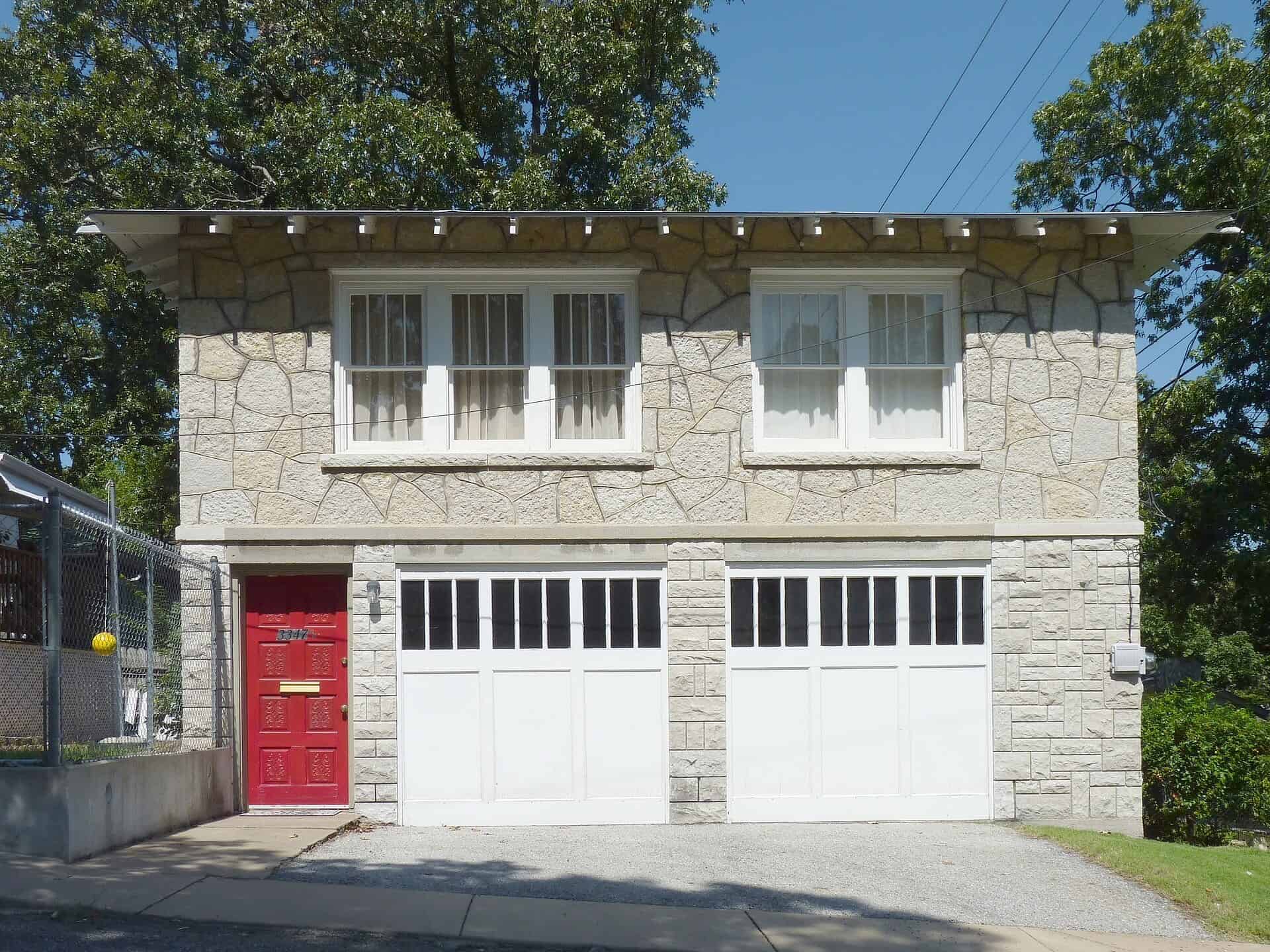
The neighbors noticed. Late-hour comings and goings, the Newton County Sheriff’s Office says, were reported to the Highway Patrol, and troopers found the car’s registration did not match the renters. The officers figured they had bootleggers. Joplin police got a search warrant, and at 4:00 p.m. five lawmen went to the house at 3347 1/2 Oak Ridge Drive: Constable John Wesley “Wes” Harryman of Shoal Creek Township, Troopers George Kahler and Walter Grammer of the Missouri State Highway Patrol, and Joplin Detectives Thomas DeGraff and Harry L. McGinnis. (The Notebook spells the second trooper’s name Grammar.)
Clyde Barrow was at the garage door when they pulled up, the sheriff’s office says, and they drove into the driveway to keep him from closing it. Harryman jumped out and caught a shotgun blast. McGinnis, getting out the other side, was hit by another blast from the garage and fired back. Then automatic rifle fire from the apartment windows tore into him, “nearly severing his right arm.” Kahler ran out of ammunition. DeGraff sent Grammer for help. Harryman died on the way to the hospital: 42, a farmer elected constable in November 1932, leaving a wife, Atha. McGinnis, 53, a widower, died later. The gang rammed the police car that partly blocked the garage and was gone, the Notebook says.97
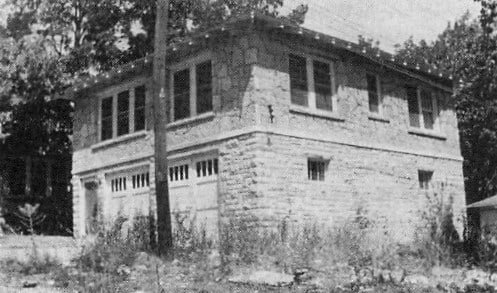
Who pulled the triggers is anyone’s guess. The Notebook says the whole gang, “Buck, Blanche, Clyde, Bonnie and W. D. Jones,” opened fire. Strickland says officers “were met by the four inhabitants and a barrage of bullets.” Blanche Barrow, questioned by federal agents after her capture later that year, told it differently. A Kansas City office report in the FBI Vault, as mobfiles.org describes it, gives her statement “that Bonnie Parker was upstairs in the front of the house; that she and Marvin were upstairs in the back of the house,” with the men downstairs. Marvin is the report’s name for Buck, which puts him upstairs too. It is her word alone. Nobody was ever tried for the two Joplin deaths.
What they left behind became more famous than the shootout. The Notebook lists Buck’s pardon papers, guns, jewelry, a camera and “two rolls of unprocessed film.” Long says “a roll of film.” Strickland says “six rolls of film, from which many of the famous photographs of the couple came.” Among the poses, the Notebook says, was Parker with a shotgun and a cigar. She “supposedly hated” the published pictures.7
Wellington, Alma and the woods near Dexter
Then their luck turned. On June 10, 1933, Strickland writes, Parker “was burned after their car rolled over an embankment near Wellington, Texas,” and was treated at a nearby farmhouse. The officials who came to investigate were kidnapped and later turned loose in Oklahoma. The FBI lists it as abducting “a sheriff and the chief of police at Wellington.”
Less than two weeks later a town marshal was dying, and the accounts disagree on nearly everything about it. He was Henry D. Humphrey of Alma, Arkansas. The Texas History Notebook says that on the night of June 22, 1933, two unknown men tied him up and stole his handgun during a bank burglary. The next day, carrying a borrowed revolver, he and Deputy Sheriff Ansel Salyers of Crawford County went after a car stolen in a Fort Smith grocery robbery, came on it wrecked, and blocked the road. Humphrey took a shotgun blast to the chest. He died on June 26, 1933, at 51, and left a wife and children.
Who fired is unresolved. The Notebook says the shooter “was later assumed to be Buck Barrow,” that Buck confessed to a sheriff before he died that he and another man had killed the marshal, and that Clyde Barrow was not there. A man named Hubert Bleigh was charged and never tried. The second gunman, the Notebook says, was later thought to be W. D. Jones, and Jones “would later state that it was the deceased Buck Barrow who actually killed Humphrey.” The Bienville Parish Journal calls the marshal Henry Dallas Humphrey, puts the shooting at Fayetteville on June 23, and says officers “tried to arrest members of the gang.” Strickland puts it on the couple: “Near Alma, Arkansas, the two killed the town marshall.” Of all the accounts cited here, that sentence alone puts Bonnie Parker at the scene.10
Twice that summer, the law found them first. Long says that at Platte City, Missouri, “the gang once again was ambushed by police officers,” and that Buck was killed and Blanche taken into custody. The Bureau’s own report from the time puts the end farther north. A Kansas City office report in the FBI Vault, as mobfiles.org describes it, says a man named Ed Penn found a camp with “bloody bandages” in woods near Dexter, Iowa, that “A party of about 15 officers” moved on it, and that “The attack was made shortly after daybreak on Monday July 24, 1933.” Buck was wounded and taken with Blanche. Clyde, Bonnie and a third man ran for it on foot. “Marvin Barrow died from his wound,” the report says.11 The FBI’s case page dates the Iowa shootout July 29. The Notebook says Buck died on July 21, which cannot be right if the raid was on the 24th.
“Bloody bandages” were one trace of the gang in Iowa.11 Guns told another part of the story. On August 29, 1933, the Dallas special agent in charge, F. J. Blake, wrote to the Director that “4 Browning automatic rifles were recovered from members of the Barrow gang, some of which have been traced to Government armories,” and warned that “the Government is furnishing ammunition and equipment to these outlaws.”12 A separate federal case, number 8008 in the Northern District of Texas, accused Hamilton, Clyde C. Barrow, Bonnie Parker, Henry Methvin, Joe Palmer and Hilton Bybee of stealing weapons from a Texas National Guard armory. Its catalog entry lists no outcome.
The Eastham Prison Farm break, January 16, 1934
Eastham Prison Farm, Texas, a winter morning in 1934. A Ford coupe sat at the edge of the woods. What happened next is the clearest account any court ever gave of what Bonnie Parker did, set out in Palmer v. State, the appeal of the convict who killed a guard that day. It is also the morning that put Frank Hamer on their trail.
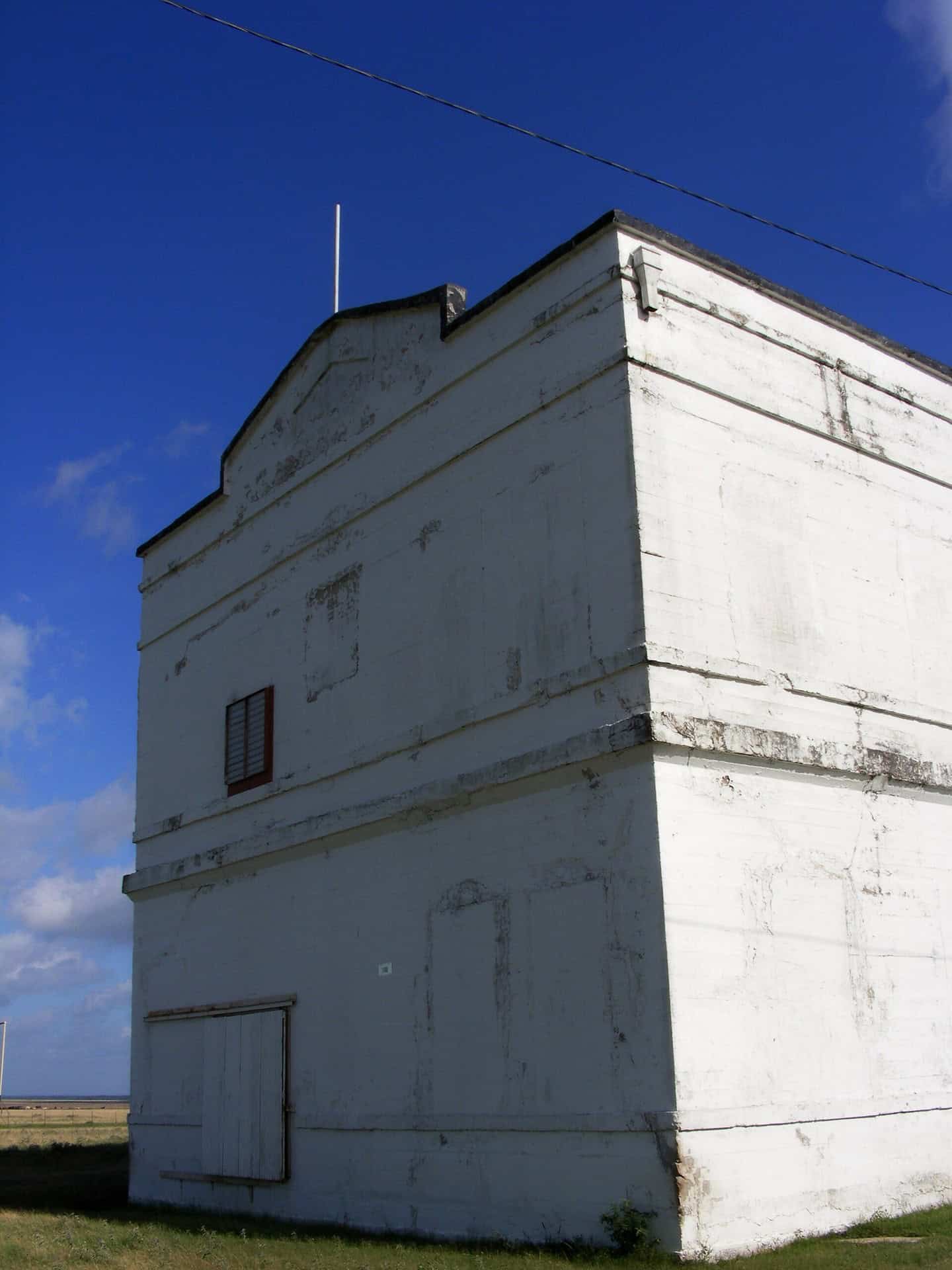
The court called the state’s case “uncontroverted testimony.” James Mullins, a convict discharged from Eastham on January 10, 1934, had agreed to help Raymond Hamilton and others break out. He “went to Dallas, where he procured several automatic pistols, some shotguns and Browning high-powered rifles, which he, Clyde Barrow, Bonnie Parker and Floyd Hamilton, brother of Raymond, carried to Eastham farm in Barrow’s V-8 Ford coupe.” Mullins hid two .45 automatic pistols where Hamilton and Joe Palmer could reach them. Then, at about 7 a.m. on January 16, the opinion says, “Mullins, Clyde Barrow and Bonnie Parker parked their V-8 Ford coupe at the edge of the woods near Eastham farm” and waited.
On the farm, Hamilton had slipped into the wrong work squad. When the guard of squad No. 1, Olin Bozeman, asked another guard, Major Crowson, to report it, “without provocation, appellant mortally wounded deceased by shooting him in the abdomen with a .45 automatic pistol.”6 Bozeman was hit too and survived. Then, “while covered by an automatic rifle barrage fired by Mullins and Clyde Barrow,” Palmer, Hamilton and two other convicts ran for Barrow’s car and were driven away. The Texas History Notebook names the other two as Henry Methvin and Hilton Bybee. Remember Methvin. The Notebook also says Bozeman was hit in the hip, “apparently by convict Raymond Hamilton.”
Crowson was taken to a hospital in Huntsville and died on January 27, 1934. Major was his given name, the Notebook says, not his rank. He was 33, single, and was buried in Lovelady. Before he died he named his killer, and the court quoted him: “I am positive that it was Joe Palmer who shot me.”613
So what did Bonnie Parker do at Eastham? In the court’s telling, she helped bring the guns and waited with the car. The opinion does not say she fired, and no one else cited here does either. The FBI’s case page tells it more loosely: the prisoners were released “by Clyde, accompanied by Bonnie,” and the pistols “had been previously concealed in a ditch by Barrow.” The court says Mullins hid them; the Notebook says Palmer hid them in a brush pile. The FBI says Hamilton was serving sentences “totaling more than 200 years”; the Notebook cites newspaper reports of 263 years. Long’s Handbook entry goes furthest, saying “the two” freed the prisoners, “in the process machine-gunning several guards and killing one.”
Palmer was convicted of Crowson’s murder in Grimes County, on a change of venue from Walker County, and sentenced to death; the appeals court affirmed. The Notebook says Palmer and Hamilton were “both executed on May 10, 1935.” None of the cases cited here charged Barrow or Parker with Crowson’s death. But Eastham cost them something worse than a charge. Strickland says “the head of the Texas prison system and the governor hired former Texas Ranger captain Francis (Frank) Hamer to track down the couple,” and the Handbook’s entry on Hamer says prison director Marshall Lee Simmons hired him in February 1934 “as a special investigator for the Texas prison system.”14 The hunt had a hunter.
Easter Sunday near Grapevine, 1934
Easter Sunday, April 1, 1934, about 3:00 p.m., near Grapevine, Texas. Three Texas Highway Patrol motorcycle officers were riding out to do some target shooting, the Texas History Notebook says. Polk Ivy rode ahead. Behind him were Edward Bryan Wheeler, 26, and Holloway Daniel Murphy, 22. The Department of Public Safety’s memorial pages say each man “stopped his motorcycle near Parker and Barrow’s car, thinking a motorist needed assistance. When he approached, he was shot.” Both were killed. Wheeler had joined the patrol on January 8, 1930, and was married to the former Doris Elizabeth Brown. Murphy had joined on September 18, 1933. A 2021 column in the Longview News-Journal says “It was his first day on patrol,” and that his fiancée, Marie Tullis, wore her wedding dress only to his funeral.
The DPS pages name the killers outright: both men were shot “by the infamous criminals Bonnie Parker and Clyde Barrow.” No official claim cited here goes further toward making Parker a killer, and it is contested. Strickland’s Handbook entry leans on a single witness, and hedges: “Bonnie reportedly walked over to one of the officers and rolled him over with one foot,” then fired at him and said, “look-a-there, his head bounced just like a rubber ball.” The Notebook explains why that account is doubted. The witness was a farmer, William Schieffer, whose story “is discounted for various reasons.” He is said to have later changed it to blame Floyd Hamilton and Parker’s sister, Billie Parker Mace.1516
Other witnesses saw something else. A United Press story of April 2, as the Notebook summarizes it, quoted Mr. and Mrs. Fred A. Giggal of Dallas, who said that “the taller of two killers” stood over the fallen officers and fired, then he and a woman drove off. Other accounts name Methvin, Raymond Hamilton and Barrow in various combinations. The Longview column has Parker leveling “her rifle,” but gives no source. The Notebook’s verdict: “it is likely not possible to obtain a reliable account of these murders.”17
The governor did not name Parker. The day after the shooting, Miriam A. Ferguson offered a $500 reward for Clyde Barrow, Ray Hamilton or “other persons who killed Highway Patrolmen, E. B. Wheeler and H. D. Murphy.” As far as the Notebook knows, “no one was arrested and tried for the murders of the officers.” Five days later the guns went off again, in Oklahoma.
Commerce, Oklahoma, April 6, 1934
Which brings us back to the muddy road outside Commerce. Constable Calvin “Cal” Campbell, 60, drove out there with Percy Boyd and did not come back. He left two sons and five daughters, the Texas History Notebook says. His is the only one of these killings that ended with someone from the car convicted of murder, and the court’s account of it is the fullest picture of what Parker did while a man was killed.
The Oklahoma Court of Criminal Appeals laid out the state’s evidence. “Between 9 and 10 o’clock a.m. on April 6, 1934, Clyde Barrow, Bonnie Parker and the defendant, Henry Methvin, fugitives from justice, were in a Ford car parked on the road running West from Highway 66.” Campbell and Boyd, the city marshal, drove out after a report. The Ford backed about 100 yards and stuck in a ditch. A man jumped out with a Browning automatic rifle and opened fire. Boyd was hit in the side of the head and went down. Campbell was hit “about the center of the body, resulting in almost instant death.” Boyd testified that he did not know whether Methvin was the man shooting. Methvin, he said, came up with a rifle, took his pistol and said, “Get up and come with me.” Then: “Bonnie Parker was sitting at the wheel in the car.” A neighbor, Mrs. May Phelps, testified that she saw “a woman dressed in red in the car that was in the ditch.”
Barrow had a passing truck chain the Ford out of the ditch, put Boyd in the back seat and drove all the way to Fort Scott, Kansas, before letting him go. There, Boyd testified, Barrow said “he was sorry he had to shoot the old man, or something like that.” Methvin’s defense was fear of Barrow. He testified that Clyde Barrow did the shooting, that he himself had been asleep, that Barrow ordered him to bring the officers up, and that “Bonnie Parker handed him a gun.” He said he heard Barrow tell Boyd, “I am sorry I had to kill that old man.” The jury did not buy it. The appeals court said the defense had “entirely failed and was properly discredited by the jury.”
The charging document said Methvin acted “conjointly with Clyde Barrow and Bonnie Parker.” The FBI’s case page says the constable “was mortally wounded by Bonnie and Clyde” at “Miami, Oklahoma,” a different town from the court’s. Methvin was found guilty on September 20, 1935, after a mistrial in March, and sentenced to death; in 1936 the appeals court cut the sentence to life imprisonment. Boyd recovered, became Miami’s police chief, and died in 1940, the Notebook says. Of the three people the court put in that Ford, Henry Methvin was the only one who lived to stand trial.5 The reason starts with his family.
How did Bonnie and Clyde die? The Methvin bargain and the Highway 154 ambush
By one witness’s account, the deal was in motion before Commerce even happened. John Joiner, who lived near Castor, Louisiana, testified at Methvin’s trial that about the first of March 1934 he made arrangements through the Methvins to reach the officers of their parish. At a meeting with Sheriff Henderson Jordan, Lester Kandale, “a Department of Justice man from New Orleans,” Frank Hamer, and Bob Alcorn, a Dallas County deputy, Joiner said he laid out the offer: Henry Methvin was willing to put Barrow and Parker “on the spot” for his freedom. The officers drew up a written agreement. The court spells the agent Kandale; the FBI’s 2009 story names New Orleans Special Agent Lester Kindell and says he “did not participate in the fatal ambush.”
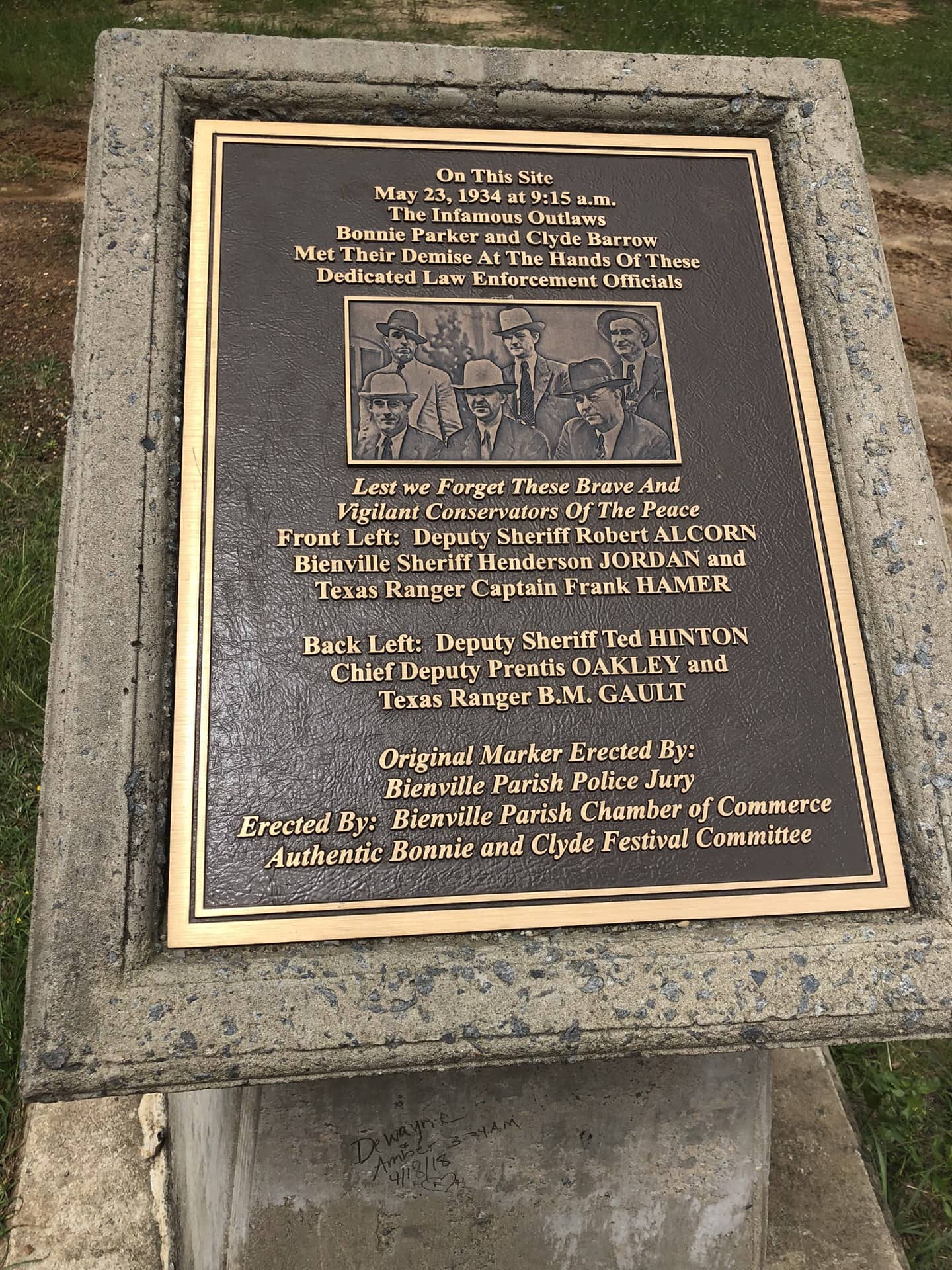
The timing came from a party. The FBI’s case page says Bonnie and Clyde, with some of the Methvins, “had staged a party at Black Lake, Louisiana, on the night of May 21, 1934, and were due to return to the area two days later.” That same day, May 21, the Division issued Identification Order No. 1227.8 A marker text at the site says Ted Hinton’s account had the posse in place by 9 p.m. on the 21st; other accounts say they set up the evening of the 22nd. Who killed Bonnie and Clyde is not in dispute. Six men waited: Sheriff Jordan and his chief deputy, Prentiss Oakley, of Bienville Parish; Hamer and B. M. Gault, former Texas Rangers; and Alcorn and Ted Hinton, Dallas County deputies.
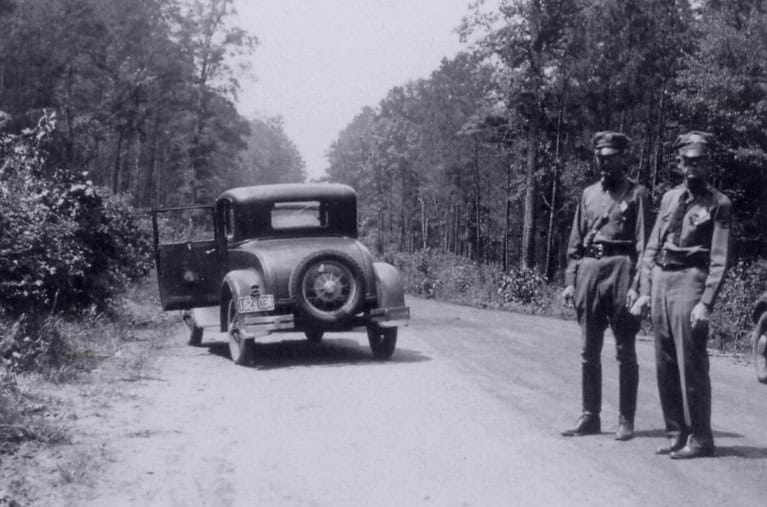
May 23, 1934. The FBI’s centennial story sets the scene: “Around nine in the morning, Bonnie and Clyde drove up in their tan Ford.” Methvin’s father, Ivy, stood by his truck as if it had broken down, and they slowed. “It was a trap.” Ivy ducked away. The officers opened fire. The Bureau’s case page says the two were killed instantly.1 Both Handbook entries put the time at 9:15 a.m. and the count at “a barrage of 167 bullets.”43 Wikipedia, citing the parish coroner J. L. Wade, says his report listed 17 entrance wounds on Barrow’s body and 26 on Parker’s, including several head shots to each and one that severed Barrow’s spinal cord. The same article says the first bullet, fired by the Louisiana officer Prentiss Oakley, hit Barrow in the head, and that the undertaker, C. F. “Boots” Bailey, had trouble embalming the bodies because of all the bullet holes. Strickland: “Bonnie Parker was found riddled with bullets, holding a machine gun, a sandwich, and a pack of cigarettes; Clyde Barrow, barely recognizable, was clutching a revolver.” The Parish Journal: “Bonnie and Clyde both had weapons on their laps.” Going by their birth dates, Clyde Barrow was 25. Bonnie Parker was 23. No court reviewed the shooting. The only legal finding on it cited here comes in passing, from the Oklahoma appeals court: Methvin’s information led “to their justifiable killing by officers of the law.” Governor Ferguson’s pardon of Methvin, dated August 14, 1934, used the same phrase.
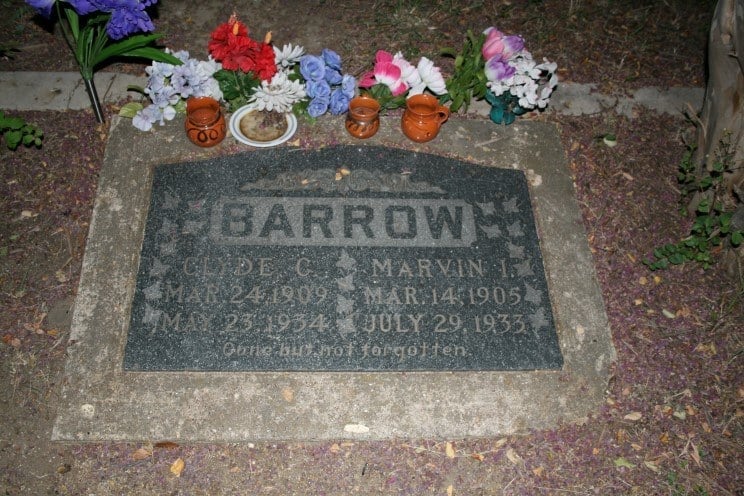
Even the place goes by three names. The FBI says near Sailes, in Bienville Parish. The Handbook entries say near Black Lake and in Gibsland. The Parish Journal puts it on LA 154 near Sailes.2 The car was hauled to Arcadia, Strickland writes, and the bodies went to Dallas, where “Thousands viewed” them before burial in the two families’ plots.
How many people did Bonnie and Clyde kill? Markers for the lawmen
Today two stones stand at the ambush site, and they are not on the same side. The first reads: “At this site, May 23, 1934, Clyde Barrow and Bonnie Parker were killed by enforcement officers.” The plaque on the second honors the posse: “Lest we forget these brave and vigilant conservators of the peace.” Someone stole that plaque in April 2023, the Bienville Parish Journal says, and the parish Police Jury replaced it in 2024. “It’s not a memorial to Bonnie and Clyde,” Perry Carver of the Gibsland ambush museum told a local paper.
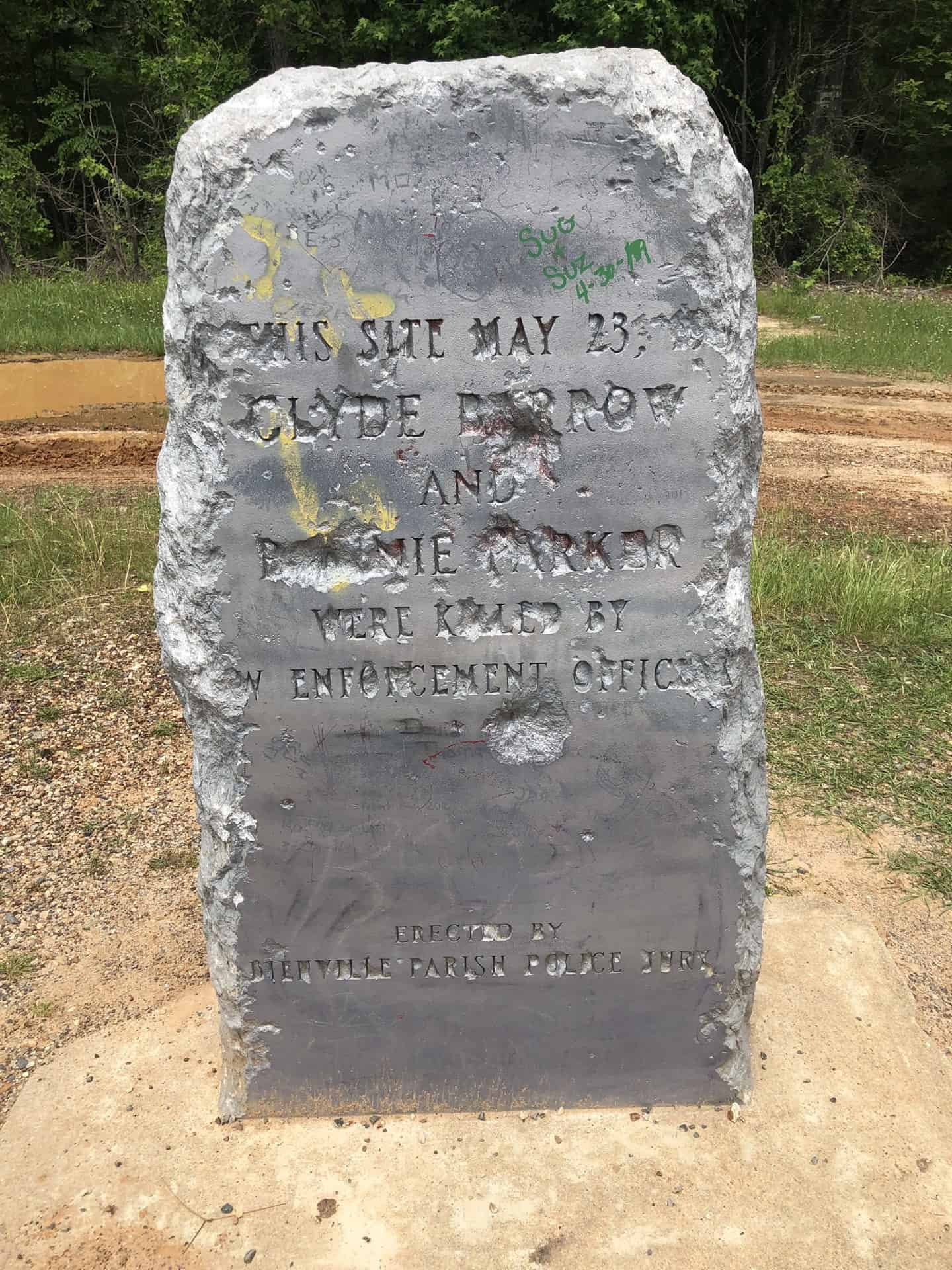
So how many people did Bonnie and Clyde kill? It depends on who is counting, and no court ever counted. The FBI says the two “were believed to have committed 13 murders.” The Parish Journal says the gang caused “the deaths of 12 men, 9 of which were lawmen.” The FBI’s centennial story says Barrow allegedly killed “at least a dozen people.” The Handbook calls them “both ruthless killers.” No court ever said so of either one. The officers named above are Moore, Davis, Harryman, McGinnis, Humphrey, Crowson, Wheeler, Murphy and Campbell; the civilians are Bucher or Butcher, Hall and Johnson. Three associates were convicted for three of those deaths, Jones’s on a secondary account. Barrow and Parker were never tried for any of them.12
Timeline
- March 24, 1909: Clyde Chesnut Barrow is born just outside Telico, Texas.3
- Oct. 1, 1910: Bonnie Parker is born at Rowena, Texas.4
- January 1930: Every saved account agrees they met in Texas in January 1930.14
- Early March 1930: Barrow escapes the Waco jail with a pistol Parker smuggled to him.41
- April 21, 1930: Barrow is sent to the Eastham Prison Farm.4
- February 1932: Barrow is paroled.3
- June 17, 1932: A Kaufman grand jury declines to indict Parker.4
- Jan. 6, 1933: Deputy Malcolm Davis is killed in Dallas.7
- April 13, 1933: Constable Harryman and Detective McGinnis are killed.97
- May 20, 1933: The U.S. Commissioner at Dallas issues a warrant over the stolen Illinois car.1
- June 23, 1933: Marshal Henry Humphrey is shot; he dies June 26. Who fired is unresolved.10
- July 24, 1933: Officers raid the camp; Buck Barrow is wounded and Blanche captured.11
- Jan. 16, 1934: Guard Major Crowson is mortally wounded; he dies Jan. 27.613
- February 1934: Frank Hamer is hired as a special investigator.14
- April 1, 1934: Patrolmen Wheeler and Murphy are killed. The accounts conflict.151617
- April 6, 1934: Constable Cal Campbell is killed outside Commerce, Oklahoma.5
- May 21, 1934: The Division of Investigation issues its wanted notice.8
- May 23, 1934: A posse of six kills Barrow and Parker on the road near Sailes.12
- Sept. 20, 1935: Methvin is found guilty of Campbell’s murder.5
What no one has settled
No court tried Clyde Barrow or Bonnie Parker for any killing. Only Methvin, Palmer and, by a secondary account, Jones were convicted for any of them. Who fired at Stringtown, Joplin, Alma and Grapevine has never been settled. The claims that Parker fired rest on Jones’s statement, a discounted witness and later accounts; the court opinions place her at the wheel, handing over a gun and carrying weapons to Eastham. The harboring case against Mary Pitts and others, and the armory case naming the couple, show no outcome in their catalog entries.
Of the three convictions, two rest on court opinions. Methvin was sentenced to death for Campbell’s murder, and the sentence was reduced to life on appeal in 1936.5 Palmer was sentenced to death for Crowson’s murder and executed on May 10, 1935.613 Jones got fifteen years for his role in the shooting of Deputy Davis, but no court document for his case was found.7
Frequently asked questions
Were Bonnie and Clyde ever convicted of murder?
No. Neither was ever tried for any killing. Clyde Barrow’s one conviction came before the killings began: after his 1930 arrest in Waco on burglary charges, the Handbook of Texas says, he was found guilty and sentenced to fourteen years at hard labor, and he was paroled in February 1932. Bonnie Parker was never convicted of any crime. In 1932 a grand jury at Kaufman, Texas, declined to indict her.
Did Bonnie Parker shoot at police?
Nobody can say for certain. The FBI’s centennial history says: “Though she probably never fired a shot, she was his willing accomplice.” The claims that she fired rest on W. D. Jones’s statement, a discounted witness and later accounts. The court opinions place her at the wheel, handing over a gun and carrying weapons to Eastham. She was never charged in any officer’s death.
Who was convicted of the gang’s killings?
Three associates. Henry Methvin was convicted of the murder of Constable Cal Campbell, and his death sentence was reduced to life on appeal. Joe Palmer was convicted of the murder of prison guard Major Crowson and sentenced to death. W. D. Jones was convicted of a role in the shooting of Deputy Malcolm Davis and got fifteen years, per a secondary source.
How did Bonnie and Clyde die?
A six-man posse shot them to death on Highway 154 near Sailes, Bienville Parish, Louisiana, on May 23, 1934. Henry Methvin had agreed to put them “on the spot” for his freedom, and his father, Ivy, stood by his truck as if it had broken down. Both Handbook entries give the time as 9:15 a.m. and the count as “a barrage of 167 bullets.” Wikipedia, citing the parish coroner, says his report listed 17 entrance wounds on Barrow’s body and 26 on Parker’s. Going by their birth dates, Barrow was 25 and Parker was 23.
Who killed Bonnie and Clyde?
A six-man posse: Sheriff Henderson Jordan and his chief deputy, Prentiss Oakley, of Bienville Parish; Frank Hamer and B. M. Gault, former Texas Rangers; and Bob Alcorn and Ted Hinton, Dallas County deputies. Hamer had been hired in February 1934 as a special investigator for the Texas prison system. Wikipedia says the first bullet, which struck Barrow in the head, was fired by Oakley.
How many people did Bonnie and Clyde kill?
The count depends on the source. The FBI says the two “were believed to have committed 13 murders.” The Bienville Parish Journal says the gang caused “the deaths of 12 men, 9 of which were lawmen.” The FBI’s centennial story says Barrow allegedly killed “at least a dozen people.” No court ever found either of them guilty of any of those deaths.
Sources and notes
- FBI, History, Famous Cases, Bonnie and Clyde.
- Bienville Parish Journal, Ribbon cut on new Bonnie & Clyde Ambush marker, October 23, 2024.
- Handbook of Texas Online, Christopher Long, Barrow, Clyde Chesnut.
- Handbook of Texas Online, Kristi Strickland, Parker, Bonnie.
- Oklahoma Court of Criminal Appeals, Methvin v. State, 1936 OK CR 105.
- OpenJurist, Palmer v. State, 128 Tex. Crim. 293, 81 S.W.2d 76 (1934).
- Texas History Notebook, Law Officers Killed by the Barrow Gang: Victims 1 Through 4.
- Mob Files, Identification Order No. 1227: Bonnie Parker and Clyde Champion Barrow (21 May 1934).
- Newton County Sheriff’s Office (Missouri), Remember the Fallen, honor roll entry for Constable J. W. Harryman.
- Texas History Notebook, Victim Number 5, Humphrey.
- Mob Files, Bureau report on the raid near Dexter, Iowa, 24 July 1933.
- Mob Files, Letter from SAC F. J. Blake, Dallas, to the Director, 29 August 1933: Browning automatic rifles recovered from the Barrow gang.
- Texas History Notebook, Major Crowson, Victim Number 6.
- Handbook of Texas Online, Hamer, Francis Augustus.
- Texas Department of Public Safety, Highway Patrolman H.D. Murphy.
- Texas Department of Public Safety, Highway Patrolman Edward Bryan Wheeler.
- Texas History Notebook, The Barrow Gang Grapevine Murders.
- Bienville Parish Journal, Stolen Bonnie and Clyde Ambush Posse Historical Marker Replaced, September 6, 2024.
- FBI, FBI 100 series, An Odd Couple of Crime, May 2008.
- FBI, Bonnie and Clyde Redux, May 2009.
- The Historical Marker Database, Bonnie Parker and Clyde Barrow Ambush Site Historical Marker.
- Longview News-Journal, James: Remembering Holloway Daniel Murphy, April 3, 2021.
- Mob Files (CourtListener text), Methvin v. State, 60 P.2d 1062.
- Mob Files (CourtListener text), Palmer v. State, 81 S.W.2d 76.
- Mob Files, 8250: United States v. Mary Pitts, alias Mary O’Dare, et al..
- Mob Files, 8008: United States v. Raymond Hamilton, et al..
- Mob Files, Bonnie Parker.
- Mob Files, Clyde Barrow.
- Texas History Notebook, Cal Campbell, Victim 9.
- Wikipedia, Bonnie and Clyde.
- Images: Wikimedia Commons, credited in each caption.
- Photo: AbeEzekowitz, via Wikimedia Commons. CC BY-SA 3.0.
- Photo: Federal Bureau of Investigation, via Wikimedia Commons. Public domain.
- Photo: Lance L Lowry, via Wikimedia Commons. CC BY 3.0.
- Photo: Federal Bureau of Investigation, via Wikimedia Commons. Public domain.
- Photo: Acarlin0577, via Wikimedia Commons. CC BY-SA 4.0.
- Photo: Acarlin0577, via Wikimedia Commons. CC BY-SA 4.0.
- Photo: Michael W. Pocock, via Wikimedia Commons. CC0.