FILE NO. 0189Case status Convicted
Case snapshot
- Victim: Lana Jean Clarkson, 40, actress and model, shot in the foyer of Phil Spector’s house in Alhambra on the morning of February 3, 2003
- Charged: Harvey Phillip Spector with murder, with a firearm allegation, on September 20, 2004
- First trial: 2007, before Judge Larry Paul Fidler; mistrial after jury deadlocked 10 to 2
- Retrial: 2008 to 2009; guilty of second degree murder on April 13, 2009, with firearm finding
- Sentence: May 29, 2009, 15 years to life for the murder plus four years for the gun (19 years to life)
- Appeals: Affirmed by California Court of Appeal May 2, 2011; further review denied; federal habeas dismissed 2015
- Died: In state custody January 16, 2021, of natural causes (daughter said COVID-19 complications); never released
Harvey Phillip Spector was charged on September 20, 2004 with the murder of Lana Clarkson, with an allegation that he personally used a firearm. His first trial, in 2007, ended in a mistrial after the jury deadlocked 10 to 2. At a retrial a jury found him guilty of second degree murder on April 13, 2009, and found that he personally used a firearm. On May 29, 2009 he was sentenced to 15 years to life for the murder plus four years for the gun, a total of 19 years to life. The California Court of Appeal affirmed the conviction on May 2, 2011. Every further appeal failed. Spector died in state custody on January 16, 2021, without ever being released. The conviction stands.
At about five in the morning on February 3, 2003, a driver waiting in the motor court of a hilltop house in Alhambra heard a sharp noise. He would later describe it as a “pow” or a “bang.” Seconds later the back door opened and his employer stepped onto the porch with a revolver in his right hand. “I think I killed somebody,” Phil Spector said, according to the driver’s testimony.
Behind him, in a chair in the foyer, sat Lana Clarkson. She was 40. She had met Spector a few hours earlier at the door of a Sunset Boulevard nightclub, where she had worked for about a month, and she had asked to be driven to her car. It took two juries and six years to settle in law what happened in that foyer.
Lana Clarkson
Lana Jean Clarkson was born on April 5, 1962, in Long Beach, California, to Donna and James M. Clarkson. She grew up in the hills of Sonoma County, where she went to Cloverdale High School and Pacific Union College Preparatory School, and she had a brother, Jessee, and a sister, Fawn. The family later moved to the San Fernando Valley, and she went into acting and modeling.
Her first speaking part was in Fast Times at Ridgemont High in 1982. She appeared on the dance floor behind Michelle Pfeiffer in Scarface. Her first big role was in the thriller Blind Date. Then came Roger Corman. She played a warrior in his Deathstalker (1983), and that part led to the title role in Barbarian Queen (1985), which Corman later called “the original Xena”. She appeared in the John Landis spoof Amazon Women on the Moon in 1987 and made five features for Corman in all.
The sword and sorcery films gave her a cult following. In the 1980s she volunteered weekly at Project Angel Food. As she approached her thirties the work slowed. In 2001 she wrote, produced and directed a showcase reel of her own called Lana Unleashed.
On Christmas Eve 2001 she accidentally fractured both wrists. By the fall of 2002 she was asking to go on auditions again, and she beat out almost 500 actors and models for a print advertisement. In early January 2003 she took a part-time job as a hostess at the House of Blues in West Hollywood. CNN reported it paid nine dollars an hour.
Her mother Donna described the last weeks of her daughter’s life at the retrial. On January 9 they picked up 200 copies of new headshots. A print shoot was set for February 8. On January 22 she was hired for an infomercial. On Saturday, February 1, she went to Comic-Con to sign autographs, and that night she worked at the club. On Sunday she sent an RSVP to a friend’s party that said “Can’t wait, love, Lana.” That afternoon mother and daughter went shopping for flat shoes. When they parted, Donna Clarkson testified, her daughter said “Thank you for the shoes, Mom. I love you.”
Who Phil Spector was
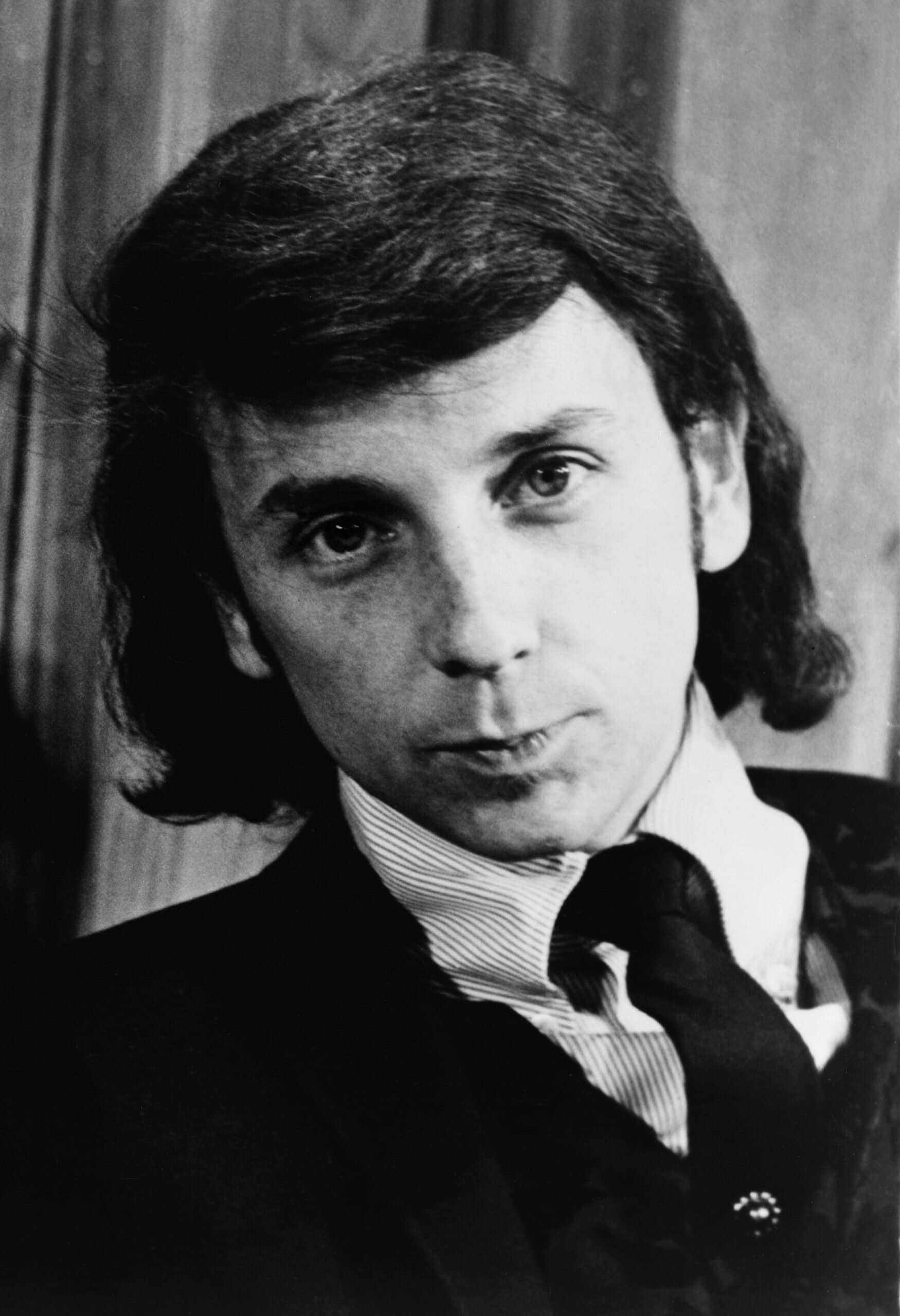
Harvey Phillip Spector was born in the Bronx on December 26, 1939, to a Russian Jewish family. His father died when he was a boy, and in 1953 his mother moved the family to Los Angeles, where he went to Fairfax High School. In 1958 he and friends formed the Teddy Bears, and his song “To Know Him Is to Love Him” went to number one on the Billboard Hot 100.

In late 1961 he and Lester Sill founded Philles Records. Working at Gold Star Studios in Hollywood, he made records for the Crystals, Darlene Love, the Ronettes and the Righteous Brothers, stacking instruments into the dense, echoing production that came to be called the Wall of Sound. He described what he made as “little symphonies for the kids.” In the early 1970s he produced the Beatles’ Let It Be and solo records for John Lennon and George Harrison, then worked with Leonard Cohen and the Ramones. He was inducted into the Rock and Roll Hall of Fame in 1989.
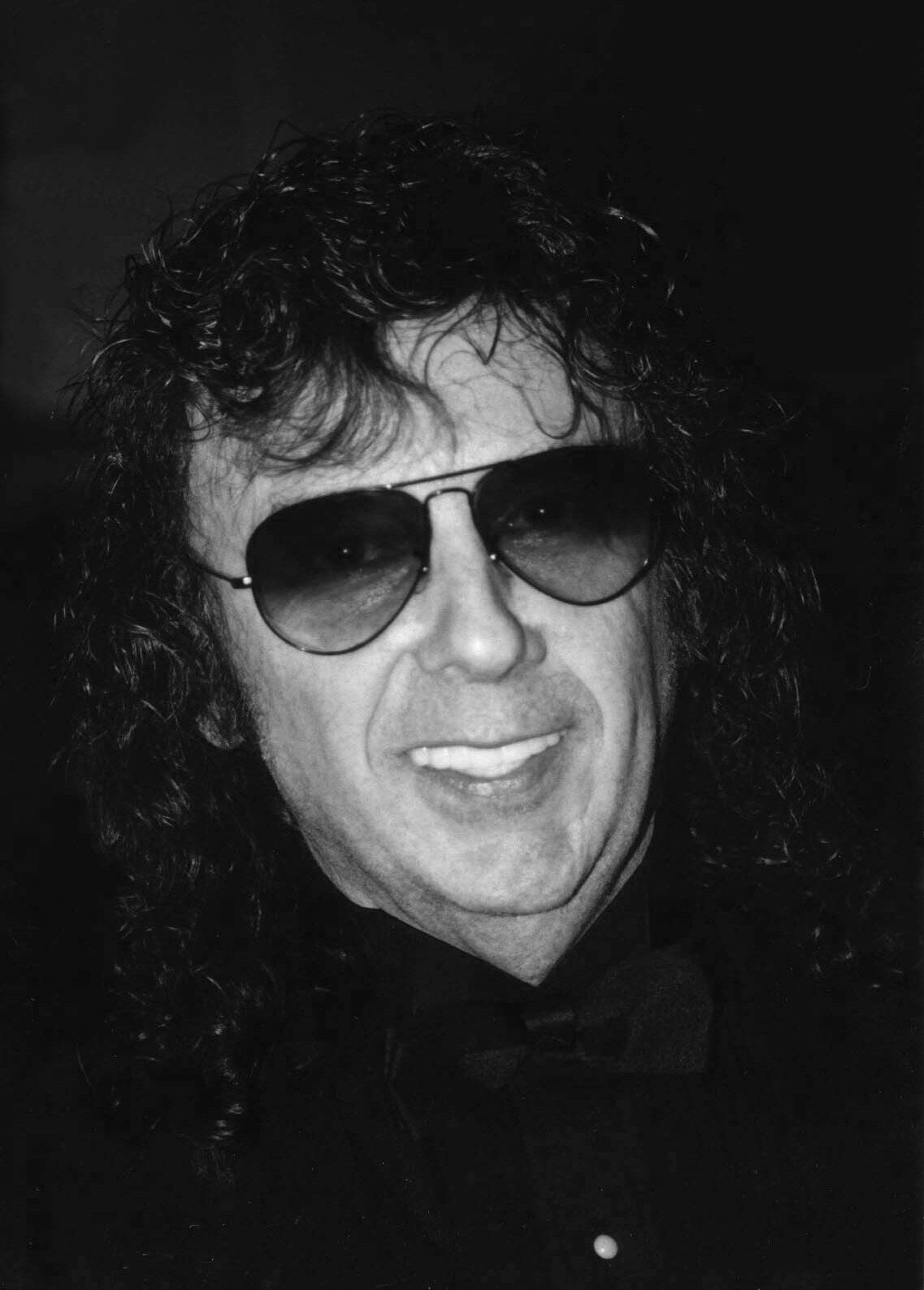
The other side of the story was already public long before 2003. His second wife, the Ronettes singer Veronica “Ronnie” Bennett, wrote in a 1990 memoir that he had imprisoned her in his California mansion and that she escaped barefoot in 1972. Weeks before Clarkson died, he told the Telegraph journalist Mick Brown, “I would say I’m probably relatively insane, to an extent,” and that he had “devils inside that fight me.”
He married three times: to Annette Merar, to Ronnie Bennett, and in September 2006, while awaiting trial, to Rachelle Short. In 1982 he had twins with Janis Zavala; their son Phillip Spector Jr. died of leukemia in 1991.
The last night

The fullest account of Sunday, February 2, 2003, is the summary of the retrial evidence in the 2011 opinion of the California Court of Appeal. Its central witness was Adriano De Souza, a Brazilian-born valet who drove for Spector as a backup chauffeur.
That evening De Souza collected Spector at the house in Alhambra. They picked up a friend and went to dinner. Spector later went to the House of Blues on Sunset Boulevard. Lana Clarkson was being trained to work the door of the Foundation Room, the private VIP area. She stopped Spector because they did not have the right wristbands. Spector said, “Do you know who I am?”
Spector ordered Bacardi 151. He asked Clarkson if she needed a ride. They left about 2:20 a.m. By the Mercedes, De Souza heard Spector say, “Let’s go to the Castle, let’s go to the Castle.” Clarkson told him she was tired and asked to be driven to her car. At the parking structure she moved her car, then got back into the Mercedes. Spector screamed at her, “Don’t talk to the driver, don’t talk to the driver.”
The castle in Alhambra
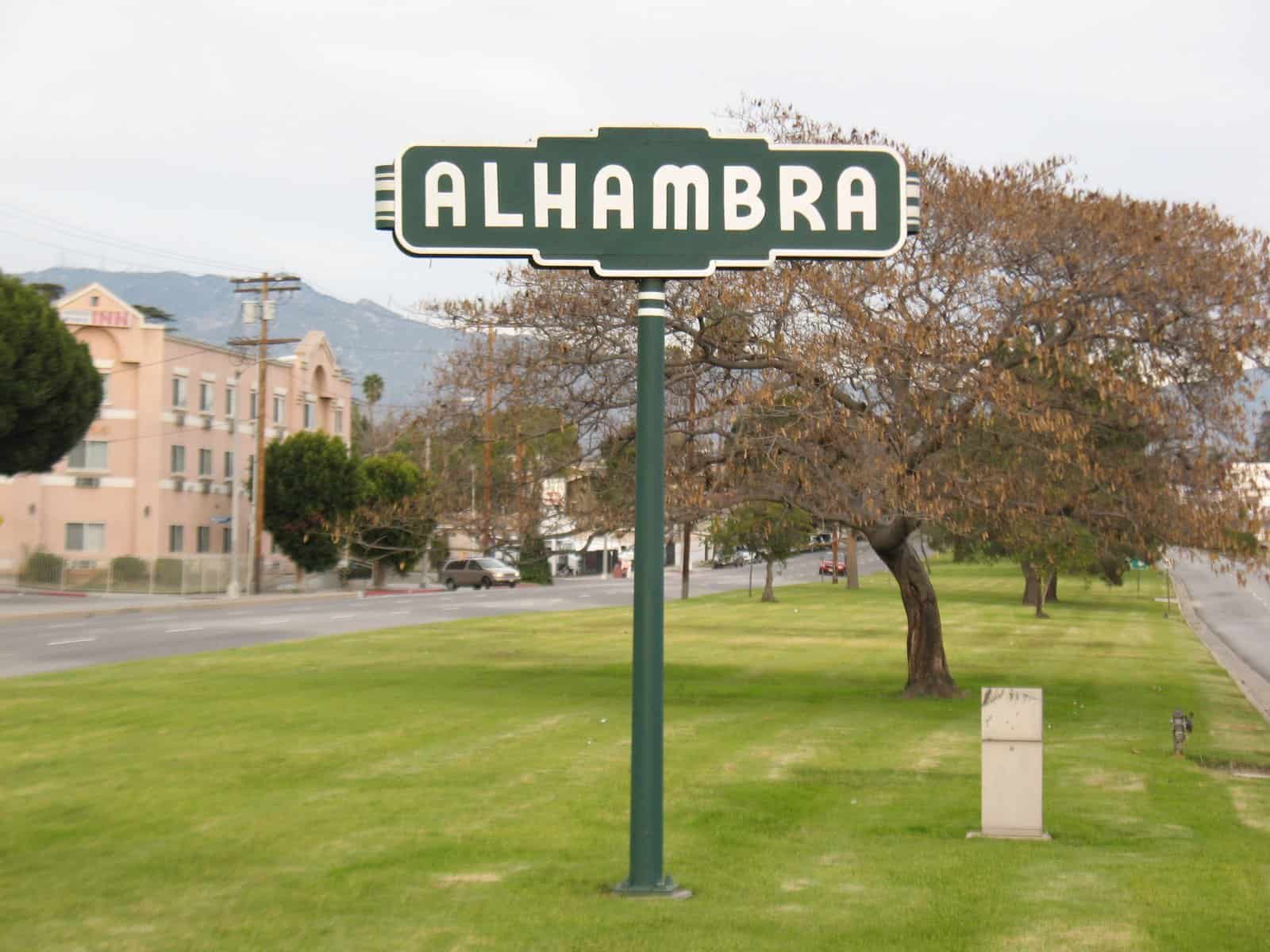
On the drive east to Alhambra, De Souza testified, he smelled alcohol from the back seat. They reached the house about 3:00 a.m. De Souza parked in the motor court about six feet from the rear door.
Around 5:00 a.m. he was startled by a sharp noise that sounded like a “pow” or a “bang.” Seconds later Spector opened the back door and stepped onto the porch with a revolver in his right hand. Spector said, “I think I killed somebody.”
Through the open door De Souza could see Clarkson, slumped half in a chair and half on the floor, with blood on her face. De Souza ran. From the main gate he called 911. The call was logged at 5:02 a.m. “I think my boss killed somebody,” he told the dispatcher.
Officers moved up the wooded drive. Spector came out of the back door and, ordered to raise his hands, turned and walked back inside, saying, “Hey, guys, you’ve got to come see this.” They followed him in and detained him.
What the police found
This article describes the scene only as far as the court case needs it, and uses no photographs of it. Officers found Lana Clarkson in a chair in the foyer near the back door. Her right hand rested on her purse, and the purse straps were wrapped around her shoulder and twisted around the arm of the chair. Prosecutors pointed to the purse over her shoulder as evidence that she was trying to leave when she was shot.
Under her left calf lay a .38 calibre, six-shot Colt Cobra revolver, loaded with five live rounds and a spent one under the hammer. It was bloody on both sides of its wooden grips and on the trigger guard. Pieces of an artificial tooth were found in the gun’s front sight and across the foyer. There was blood on the doorknob and on the latch of the back door.
The first trial
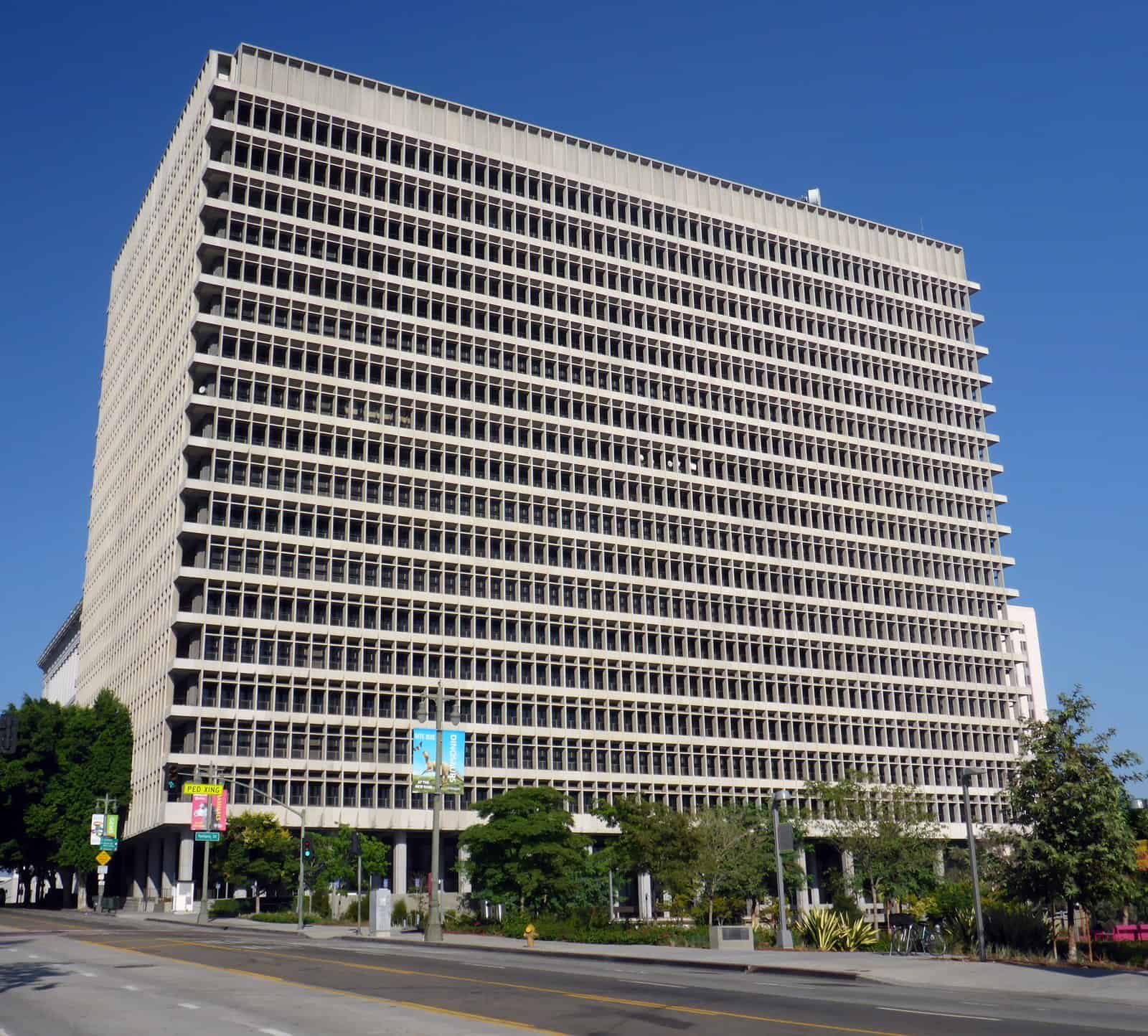
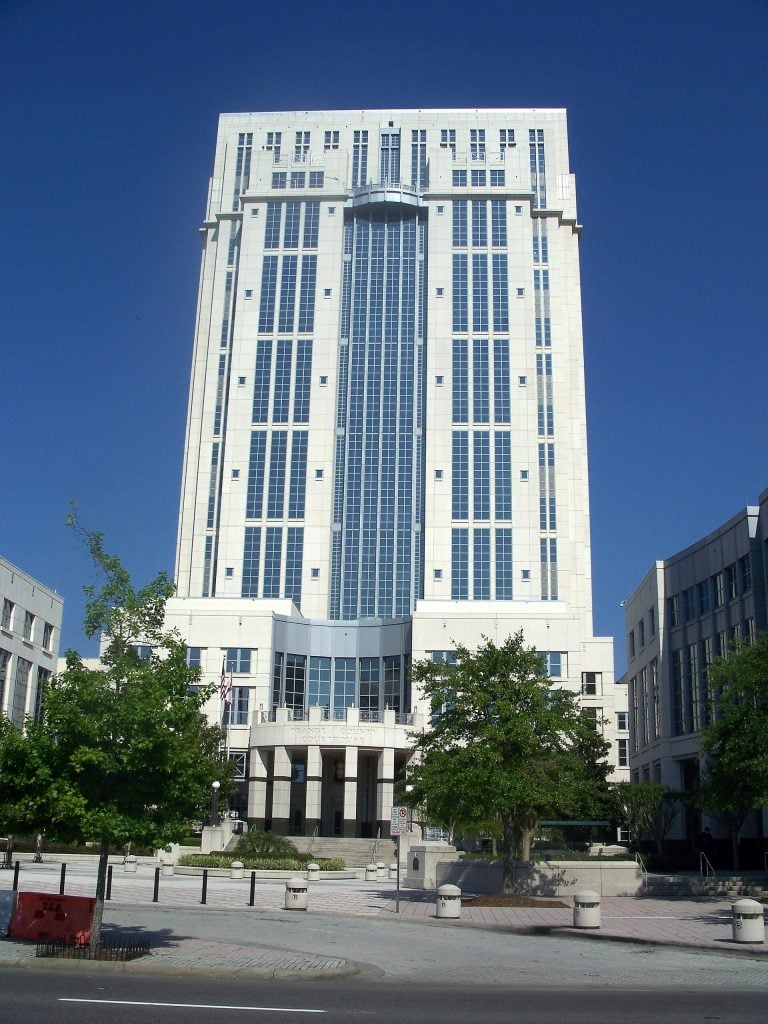
The case came to trial four years after Clarkson’s death, in Department 106 on the ninth floor of the Clara Shortridge Foltz Criminal Justice Center on Temple Street in downtown Los Angeles, the courthouse where the O.J. Simpson murder trial had been heard. Until a jury decided otherwise, Spector was presumed innocent.
The first trial began in 2007 before Judge Larry Paul Fidler. The jury of nine men and three women got the case on September 10, 2007. On September 18 the foreman announced they were deadlocked 7 to 5. Fidler reinstructed them. On September 26, 2007, the jury told Fidler for the second time that it was hopelessly deadlocked, now 10 to 2. Fidler declared a mistrial and discharged the jurors. Spector, 67, remained free on $1 million bail. The district attorney’s office announced it would try him again.
Five women
The heart of the prosecution’s case was the testimony of five women who said that Spector, over about 20 years, had pulled a gun on them, in each account at night or in the small hours and when they wanted to leave. Judge Fidler allowed the evidence at both trials. None of the incidents was charged in the Clarkson case.
Devra Robitaille. A British pianist, she worked for Spector in the 1970s. At a party at his Beverly Hills home, probably in 1975, she felt a gun barrel touch her temple when she wanted to leave. She testified that he was very drunk, held a shotgun and said he would blow her head off if she left.
Dianne Ogden. She met Spector in 1982. In March 1989, at his house in Pasadena, as she said she was going home, he appeared with a rifle and screamed, “You’re not fucking leaving.”
Dorothy Melvin. The personal manager of the comedian Joan Rivers, she dated Spector from 1989 to mid-1993. In July 1993, at his Pasadena house, she woke before dawn to find him pointing a .38 revolver at her car. He hit her in the head with the gun.
Melissa Grosvenor. A New York waitress. In late 1992 or early 1993, at his Pasadena house, she said she wanted to leave. She testified that he came back with a handgun, pointed it inches from her face and said, “If you leave, I’m going to kill you.”
Stephanie Jennings. A photographer. In January 1995 at a Rock and Roll Hall of Fame event in New York, when she refused to come to his suite, he came into her room with a gun and sat blocking the door.
On appeal Spector argued this was inadmissible character evidence. The Court of Appeal disagreed. Five women testified, but some described more than one incident, so the court counted seven separate armed assaults on women in very specific circumstances and held that, under the doctrine of chances, they tended to show “the unlikelihood that this time it was the woman, not Spector, who reached for a gun.”
The retrial and the verdict
The second trial, again before Judge Fidler, was not televised. It started in October 2008. The defence was argued by Doron Weinberg. The prosecutors were Alan Jackson and Truc Do.
The evidence was largely the same: De Souza, the forensic witnesses, the five women (with Dianne Ogden now on videotape). In closing, Truc Do called Spector “a very dangerous man” with a history of “playing Russian roulette with women.”
On April 13, 2009, after about 30 hours of deliberation, the jury found Spector guilty of second degree murder and found true the allegation that he personally used a firearm. He showed no obvious reaction. His wife Rachelle sobbed. Fidler refused to let him stay free on bail and he was taken into custody that day.
Sentencing
On May 29, 2009, Fidler sentenced Spector to the maximum: 15 years to life for the murder and four years for the gun, 19 years to life in all. The LA Times reported that the only decision left to the judge was when the first parole hearing would come, and that he chose 2028, when Spector would be 88. Spector declined to address the court.
Donna Clarkson told the judge that her grief was made worse by the way her daughter had been portrayed. “I am very proud of Lana and the wonderful and special person she was,” she said. “All our plans together are destroyed. Now I can only visit her in the cemetery.”
The appeals
Spector’s state appeal raised four main claims, including that the five women’s accounts were inadmissible character evidence. On May 2, 2011, the California Court of Appeal rejected every claim and affirmed. The California Supreme Court denied review on August 17, 2011, and the United States Supreme Court denied certiorari on February 21, 2012.
On June 18, 2012, Spector filed a federal habeas petition. It was dismissed with prejudice in July 2015. The Supreme Court denied certiorari again on January 9, 2017.
Prison and death
Spector served his sentence in the California state prison system. From October 2013 he was held at the California Health Care Facility, a prison hospital in Stockton. In 2014 it was reported that he had lost the ability to speak. He filed for divorce from Rachelle Spector in April 2016.
He died on Saturday, January 16, 2021. The California Department of Corrections and Rehabilitation announced that California Health Care Facility inmate Phillip Spector “was pronounced deceased of natural causes at 6:35 p.m.” at an outside hospital. He was 81. The department’s release gave his age as 80, but he was born on December 26, 1939. His daughter, Nicole Audrey Spector, later said he died of complications related to COVID-19. He had served almost 12 years and was never released.
Ronnie Spector, on Instagram, called him “a brilliant producer but a lousy husband.”
The civil case and after
Donna Clarkson also sued Spector for wrongful death. In February 2012 her lawyer told the Los Angeles Times that the case had been settled and that the terms would stay confidential.
In 2013 Al Pacino played Spector in a David Mamet film about the first trial. In 2022 Showtime premiered Spector, a four-part documentary series that gave equal attention to Clarkson and to Spector, with participation from Clarkson’s family.
Where the accounts disagree
- How Lana Clarkson died. The defence said she shot herself, and forensic witnesses testified for Spector that the evidence pointed to a self-inflicted wound. Prosecutors pointed to the purse still over her shoulder as a sign she was trying to leave. The 2009 jury convicted Spector of second degree murder, and that verdict stands.
- How Spector died. The California Department of Corrections and Rehabilitation announced death by natural causes. His daughter, Nicole Audrey Spector, later said he died of complications related to COVID-19.
- Uncertain dates. Devra Robitaille’s account was dated only to “probably” 1975, and Melissa Grosvenor’s to late 1992 or early 1993.
Timeline
- December 26, 1939: Harvey Phillip Spector is born in the Bronx.
- 1953: His mother moves the family to Los Angeles.
- 1958: The Teddy Bears’ “To Know Him Is to Love Him” reaches number one on the Billboard Hot 100.
- Late 1961: Spector and Lester Sill found Philles Records.
- April 5, 1962: Lana Jean Clarkson is born in Long Beach, California.
- 1972: Ronnie Bennett, by her own account in a 1990 memoir, escapes his mansion barefoot.
- Probably 1975: Devra Robitaille’s account of a shotgun at a Beverly Hills party.
- 1982: Clarkson’s first speaking part, in Fast Times at Ridgemont High.
- 1983 and 1985: Deathstalker and Barbarian Queen.
- March 1989: Dianne Ogden’s account of a rifle at the Pasadena house.
- 1989: Spector is inducted into the Rock and Roll Hall of Fame.
- Late 1992 or early 1993: Melissa Grosvenor’s account of a handgun at the Pasadena house.
- July 1993: Dorothy Melvin’s account of a .38 revolver at the Pasadena house.
- January 1995: Stephanie Jennings’s account of a gun at a Rock and Roll Hall of Fame event in New York.
- Christmas Eve 2001: Clarkson fractures both wrists.
- Early January 2003: Clarkson starts as a hostess at the House of Blues.
- February 3, 2003, about 2:20 a.m.: Spector and Clarkson leave the House of Blues.
- February 3, 2003, about 5:00 a.m.: Clarkson is shot in the foyer of the Alhambra house. De Souza’s 911 call is logged at 5:02 a.m.
- September 20, 2004: Spector is charged with murder, with a firearm allegation.
- September 2006: Spector marries Rachelle Short.
- September 10, 2007: The first jury gets the case.
- September 26, 2007: Mistrial after the jury deadlocks 10 to 2.
- October 2008: The retrial begins.
- April 13, 2009: Guilty of second degree murder, with a firearm finding. Spector is taken into custody.
- May 29, 2009: Sentenced to 19 years to life.
- May 2, 2011: The California Court of Appeal affirms.
- August 17, 2011: The California Supreme Court denies review.
- February 2012: The wrongful death suit is reported settled.
- February 21, 2012: The US Supreme Court denies certiorari.
- June 18, 2012: Spector files a federal habeas petition.
- October 2013: He is moved to the California Health Care Facility in Stockton.
- July 2015: The habeas petition is dismissed with prejudice.
- April 2016: Spector files for divorce from Rachelle Spector.
- January 9, 2017: The US Supreme Court denies certiorari again.
- January 16, 2021: Spector dies in state custody.
- 2022: Showtime premieres the documentary series Spector.
What the case left behind
Lana Clarkson, 40, was shot through the mouth in the foyer of Phil Spector’s house in Alhambra at about 5 a.m. on February 3, 2003, a few hours after he met her at the House of Blues. His driver testified that Spector came out holding a revolver and said, “I think I killed somebody.” The defence said she shot herself. The first jury, in 2007, split 10 to 2 and could not reach a verdict. The second, in 2009, convicted him of second degree murder with a firearm finding, after hearing five women testify that he had threatened them with guns when they tried to leave. He was sentenced to 19 years to life. Every appeal failed. He died in state custody on January 16, 2021. In law, Spector killed Lana Clarkson.
Frequently asked questions
What was Phil Spector convicted of?
Harvey Phillip Spector was charged on September 20, 2004 with the murder of Lana Clarkson, with an allegation that he personally used a firearm. At a retrial a jury found him guilty of second degree murder on April 13, 2009. On May 29, 2009 he was sentenced to 19 years to life. The conviction stands.
Who was Lana Clarkson?
She was a 40 year old actress and model from Long Beach, California, who played the title role in Roger Corman’s Barbarian Queen in 1985. Her work slowed as she approached her thirties, and in early January 2003 she took a part-time job as a hostess at the House of Blues in West Hollywood. She met Spector there on the last night of her life.
Why were there two trials?
His first trial, in 2007, ended in a mistrial after the jury deadlocked 10 to 2. The second jury, in 2009, convicted him of second degree murder.
What did the defence argue?
The defence said Clarkson shot herself. At the first trial in 2007 the defence called forensic pathologists, among them Vincent DiMaio and Werner Spitz, who testified that she died of a self-inflicted wound.
Who were the five women who testified?
Devra Robitaille, Dianne Ogden, Dorothy Melvin, Melissa Grosvenor and Stephanie Jennings each testified that Spector had threatened them with a gun, in each account when they wanted to leave. None of those incidents was charged. The Court of Appeal held that the evidence was properly admitted under the doctrine of chances.
Did his appeals succeed?
No. The California Court of Appeal affirmed the conviction on May 2, 2011. All further appeals and petitions failed. Spector died in state custody on January 16, 2021, without ever being released.
How did Phil Spector die?
He died on January 16, 2021, while held at the California Health Care Facility, a prison hospital in Stockton. The state corrections department said he died of natural causes at an outside hospital. His daughter later said the cause was complications related to COVID-19.
Works Cited
Court decisions
- People v. Spector (2011) 194 Cal.App.4th 1335, California Court of Appeal, May 2, 2011.
- Spector v. Diaz (C.D. Cal. 2015) 115 F.Supp.3d 1121.
- Supreme Court of the United States, order lists of February 21, 2012 and January 9, 2017.
Government sources
- California Department of Corrections and Rehabilitation, “Inmate Phillip Spector Dies of Natural Causes,” news release, January 17, 2021.
News reporting
- CNN, reporting on Lana Clarkson and the trials, including September 26, 2007 (first mistrial) and May 29, 2009 (sentencing).
- CBS News, April 13, 2009 (verdict).
- Los Angeles Times, May 30, 2009 (sentencing).
- The Guardian, September 27, 2007 (first mistrial) and February 4, 2012 (civil settlement).
- NBC Los Angeles, case timeline and trial reporting.
- BBC News, reporting on Phil Spector’s career and death.
- Pitchfork, reporting on Phil Spector’s career and death.
- Mick Brown, “‘I’m probably insane. I have devils inside’,” The Daily Telegraph, February 4, 2003.
- Los Angeles Times, “Spector trial expert backs suicide theory,” June 27, 2007, and “Medical expert in Spector case calls death a spur of the moment suicide,” July 26, 2007 (defence expert testimony).
- American Bar Association, Litigation Journal, “A Law at War with Itself: Character Evidence and the Doctrine of Chances,” Summer 2024 (five women, seven incidents).
Reference
- Wikipedia, “Phil Spector” and “Lana Clarkson” (background and cross-checked).
Image credits
- Phil Spector in 1965: unknown photographer, New York World-Telegram and Sun collection, Library of Congress Prints and Photographs Division, via Wikimedia Commons. Public domain.
- Phil Spector with the Modern Folk Quartet, 1965: Robert W. Young, KRLA Beat (Beat Publications), November 6, 1965, via Wikimedia Commons. Public domain (published without a copyright notice).
- Phil Spector 2000: John Mathew Smith and www.celebrity-photos.com, via Wikimedia Commons. CC BY-SA 2.0.
- House of Blues, Sunset Boulevard, May 2006: Mike Dillon, via Wikimedia Commons. CC BY-SA 3.0 (also GFDL).
- Alhambra welcome sign: Jey0h, via Wikimedia Commons. CC BY 3.0.
- Clara Shortridge Foltz Criminal Justice Center, 2014: Coolcaesar, via Wikimedia Commons. CC BY-SA 4.0.