FILE NO. 0191Case status Convicted
Case snapshot
- The victims: Agnes Anne LeRoi, an X-ray technician, and her roommate Hedvig “Sammy” Samuelson, shot in their rented bungalow on North Second Street, Phoenix, in October 1931
- The discovery: Their bodies were found on October 19, 1931, in trunks shipped as baggage from Phoenix and held at the railway station in Los Angeles
- Charged: Winnie Ruth Judd, a 26-year-old medical secretary, with two counts of murder on October 20, 1931
- Convicted: Of the first degree murder of Anne LeRoi on February 8, 1932, and sentenced to hang; never tried for the death of Hedvig Samuelson
- Appeal: Conviction affirmed by the Arizona Supreme Court on December 12, 1932 (Judd v. State)
- Insanity: Found insane in 1933 and committed to the state hospital in Phoenix, from which she escaped repeatedly
- Sentence: Death sentence commuted to life on May 11, 1952; commuted again in October 1971, and paroled on December 22, 1971
- Jack Halloran: A Phoenix businessman, indicted as an accomplice on December 30, 1932; the charge was dismissed on January 25, 1933, and he was never tried or convicted
- Died: Phoenix, October 23, 1998, aged 93
Winnie Ruth Judd was charged with two counts of murder in Maricopa County, Arizona, on October 20, 1931. She was tried only for the murder of Agnes Anne LeRoi, and on February 8, 1932, a jury in the Maricopa County Superior Court found her guilty of first degree murder and fixed the punishment at death. The Arizona Supreme Court affirmed the conviction on December 12, 1932 (Judd v. State, 41 Ariz. 176). She was never tried for the death of Hedvig Samuelson. In 1933, after a sanity hearing, she was found insane and committed to the state mental hospital in Phoenix. Her death sentence was commuted to life imprisonment on May 11, 1952. Governor Jack Williams commuted her sentence again in October 1971, making her eligible for parole, and she was paroled on December 22, 1971. English Wikipedia reports that she received an absolute discharge from parole in 1983. She died in Phoenix on October 23, 1998, aged 93. Jack Halloran, a Phoenix businessman, was indicted as an accomplice in December 1932; the charge was dismissed in January 1933 and he was never convicted of any crime in the case.
The trunks were leaking. On the morning of Monday, October 19, 1931, two trunks shipped as baggage from Phoenix were being held at the railway station in Los Angeles. Railroad staff had noticed an odor and a leak, and the baggage agent ordered them held. Around noon a young woman came with her brother to claim them. Asked to open them, she said she would fetch her husband, and did not come back. When police opened the trunks, they found the bodies of two women from Phoenix: Agnes Anne LeRoi, an X-ray technician, and her roommate, Hedvig Samuelson, known to her friends as Sammy.
The woman who walked away was Winnie Ruth Judd, a 26-year-old medical secretary who worked with LeRoi at a Phoenix clinic. The press called her the “Tiger Woman” and the “Blonde Butcher”, and the case became the “Trunk Murders”. She was convicted and sentenced to hang, then declared insane, and spent most of the next four decades in the Arizona State Hospital, escaping repeatedly. She was paroled in 1971 and died in 1998.
Judd told many versions of what happened, and researchers still argue over whether she acted alone, killed in self-defense, or was insane. This article sets out what the court records and other published sources say, attributes every claim about anyone else’s involvement to its source, and notes where the sources disagree.
From Indiana to Mexico to Phoenix
Winnie Ruth McKinnell was born on January 29, 1905, the daughter of a Methodist minister, the Reverend H.J. McKinnell, and his wife, Carrie, as English Wikipedia names them. English Wikipedia and the Phoenix New Times place her birth in Oxford, Indiana; the Arizona Memory Project, run by the Arizona State Library, gives Darlington, Indiana. She went by her middle name, Ruth.
As a young woman she married a much older physician, Dr. William C. Judd, and the sources give different ages. English Wikipedia says she married at 17 a World War I veteran “more than twenty years her senior”. The Arizona Memory Project says she married at 19 and puts the gap at 22 years. The Phoenix New Times described her in 1931 as “the 26-year-old bride of a 48-year-old doctor”, and the Los Angeles Times obituary gave his age at the time as 56. The couple moved to Mexico, where, according to the Phoenix New Times, he worked “as a medic for American silver miners and became addicted to morphine.”
The Arizona Memory Project says the couple settled in Los Angeles and that she “was diagnosed with tuberculosis.” In 1930, it says, she left Los Angeles and her husband “for the dry air of Phoenix.” English Wikipedia says that by 1930 the couple were mostly living apart, although they “remained in constant communication.” In Phoenix she worked first as a governess to a wealthy family. The Phoenix New Times says she met Halloran while nannying for the Leigh Ford family of West Lynwood Street, and that the Hallorans lived next door.
During that time, English Wikipedia says, she met John J. “Happy Jack” Halloran, a 44-year-old Phoenix businessman “who was active in the city’s political and social circles.” He was married. The Phoenix New Times described him as the co-owner of the Halloran-Bennett Lumber Company and as “one of a dozen country club playboys”. The paper reported that their affair began on Christmas Eve of 1930. The Arizona Memory Project calls him a “lumber giant” and says that Judd and Halloran became involved while both were still married.
What is documented about Halloran is set out in its own section below. No court ever found that he took part in the killings.
The Grunow Clinic and the bungalow at 2929 North Second Street
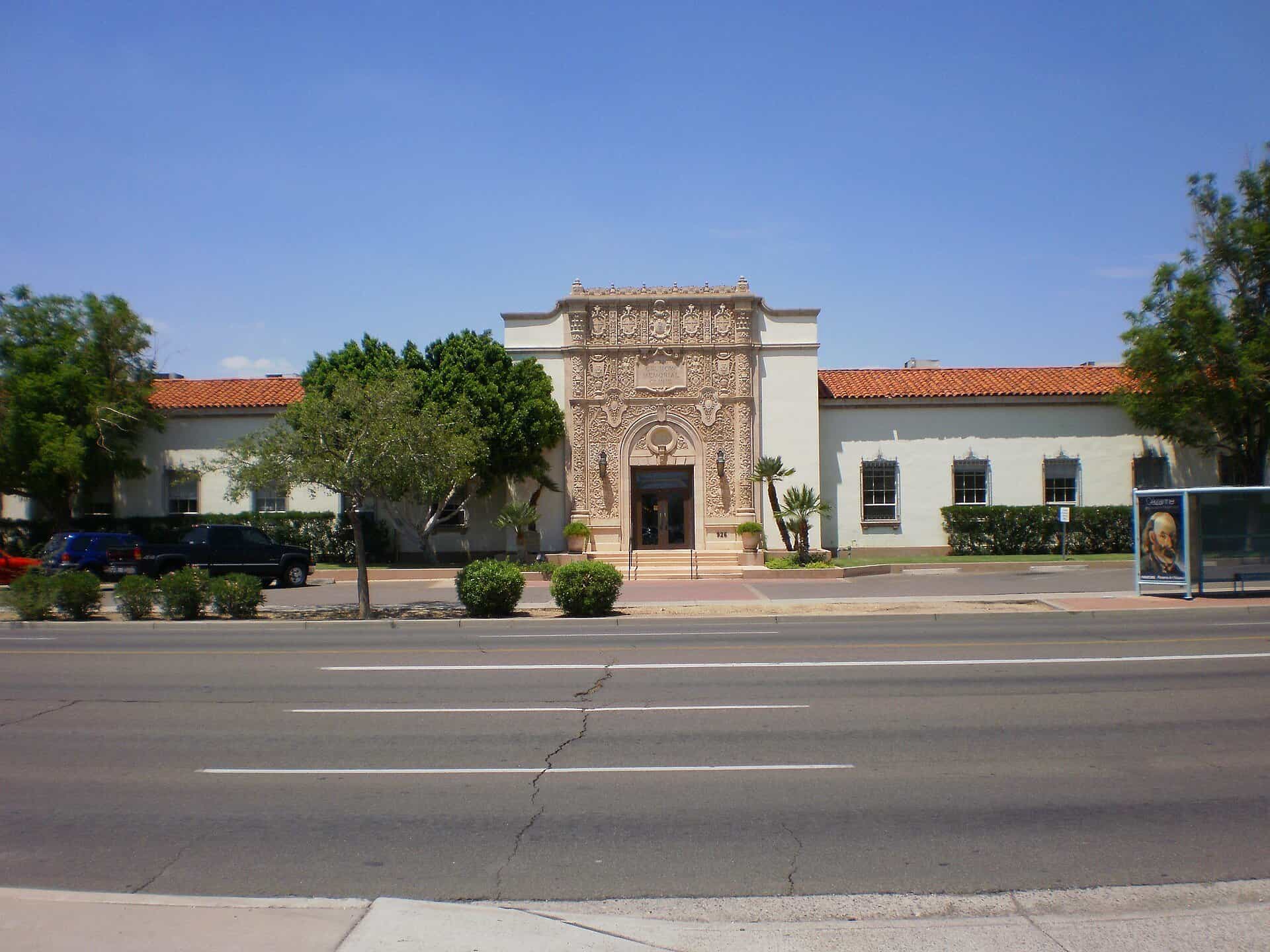
Judd later took a job as a secretary at the Lois Grunow Memorial Clinic in Phoenix. There she met Agnes Anne LeRoi, an X-ray technician who went by Anne. LeRoi shared a rented bungalow at 2929 North Second Street with Hedvig Samuelson. English Wikipedia gives Samuelson’s full name as Sarah Hedvig Samuelson and says the two women had come to Phoenix together from Alaska after Samuelson contracted tuberculosis. The Arizona Supreme Court’s opinion spells LeRoi’s name “Agnes Ann Le Roi”. Other sources write it as Agnes Anne LeRoi, and English Wikipedia says she used the name Anne Alexandra LeRoi.
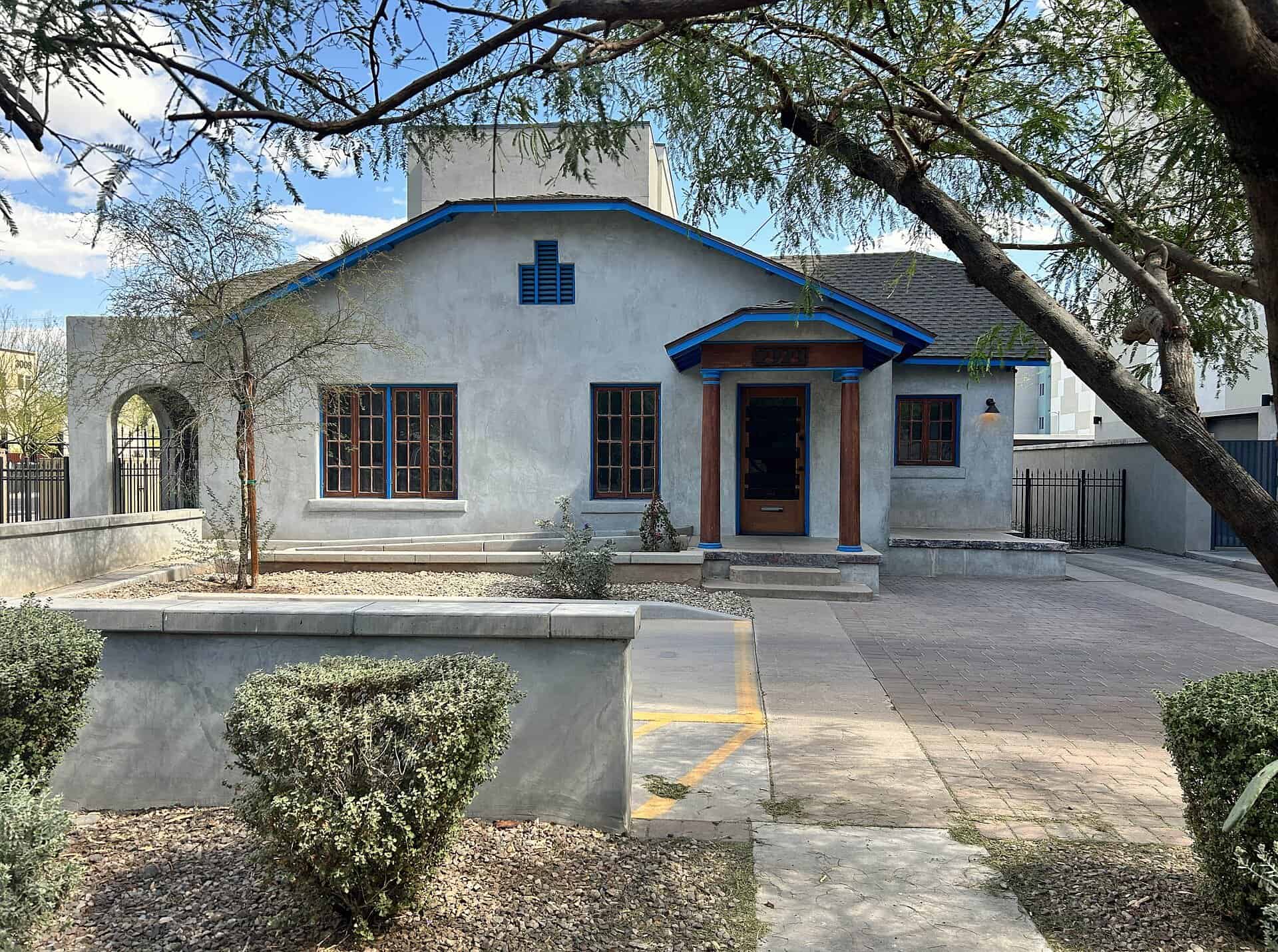
The three women became close. The Arizona Supreme Court wrote that the three “were intimately acquainted with one another” and that Judd was a frequent visitor at the Second Street bungalow. For a couple of months in 1931, English Wikipedia says, Judd lived with them, but “differences developed between the women” and she returned to her own apartment, which the court placed at 1130 East Brill Street.
The Arizona Memory Project says the women spent many nights “playing cards and entertaining local business men.” English Wikipedia says LeRoi and Samuelson were also friendly with Halloran. The Phoenix New Times described the two roommates only as women “who may have been lovers”, and this article does not treat that as established.
The ages of the two women are also given differently. English Wikipedia says that in October 1931 Judd was 26, LeRoi 27 and Samuelson 24. The Los Angeles Times obituary gave LeRoi’s age as 32 and Samuelson’s as 24.
October 16 and 17, 1931: what the court found
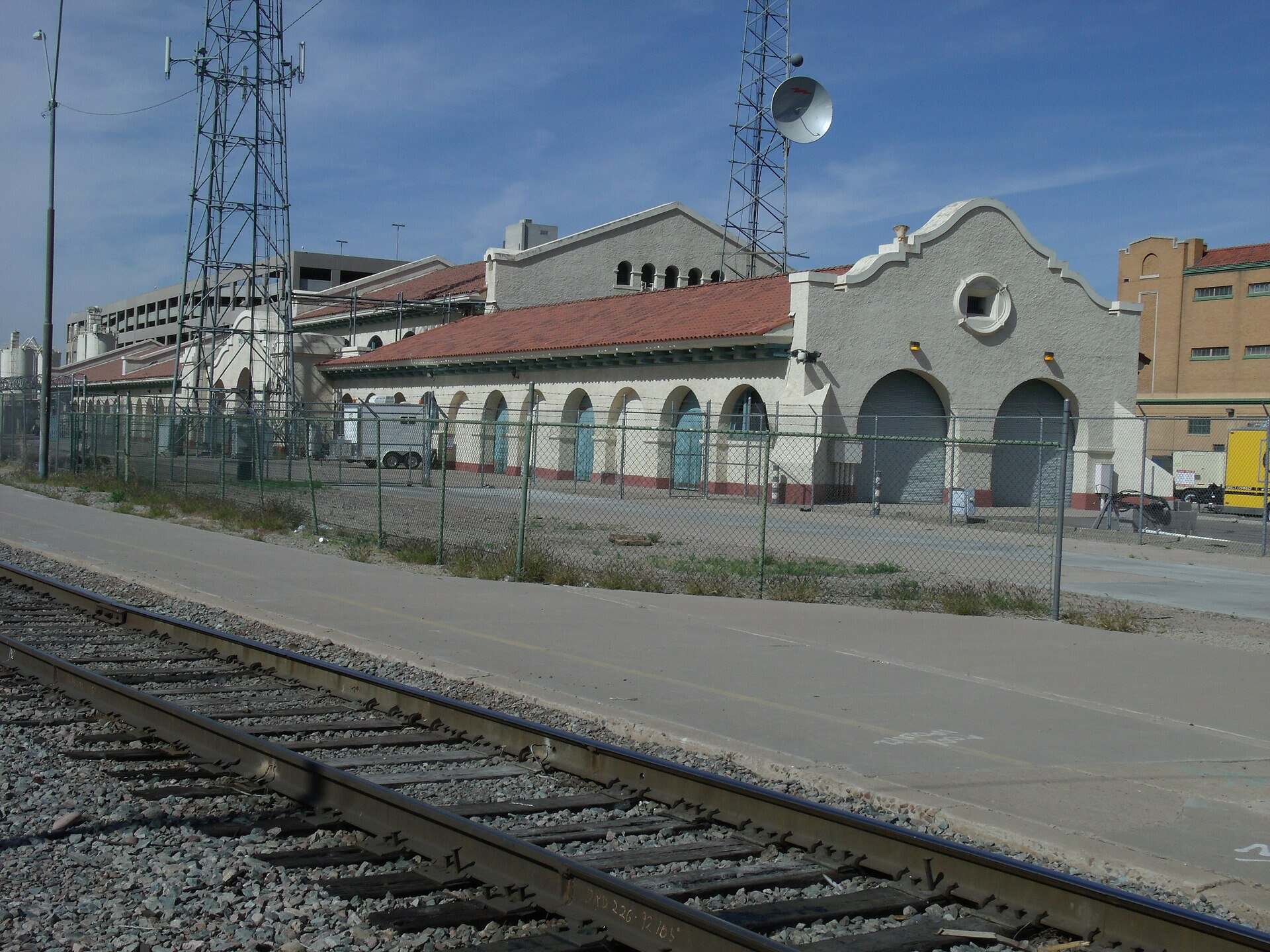
The Arizona Supreme Court’s opinion in Judd v. State is the most reliable outline of the state’s evidence. At about 10:30 on the night of Friday, October 16, 1931, two witnesses who lived on opposite sides of the bungalow at 2929 North Second Street each heard three shots that they took to be pistol shots coming from it.
A streetcar conductor testified that on the night of October 16 or 17 Judd rode his car to the Thomas Road crossing, about three blocks from the bungalow, and that he picked her up there again at 11:25. A nurse at the Grunow Clinic testified that on the morning of Saturday, October 17, Judd telephoned her at the clinic, tried to imitate LeRoi’s voice, said she was Mrs. LeRoi, and said she would not be in to work that day.
That evening, about ten minutes before 10 o’clock, Judd called a Phoenix transfer company and asked it to collect a trunk from 2929 North Second Street for the 10:40 train to Los Angeles. When the men arrived, she pointed out a heavy “packer” trunk standing in the front room. Told it was too heavy to go as baggage, she had them take it to 1130 East Brill Street, her own apartment.
On the afternoon of Sunday, October 18, Judd’s landlord and his son drove her from Brill Street to the Union Station in Phoenix with two trunks, a large packer trunk and a small steamer trunk, a suitcase, a grip and a hat box. She checked the trunks as baggage to Los Angeles on the Golden State Limited and kept the rest with her.
The timing became one of the most argued points in the case. The state put the shooting on Friday night. Judd’s drain letter, described below, put it on Saturday morning, and the defense called a neighbor who said he heard screams and two shots at about six that morning, and four witnesses who saw her left hand bandaged that day. The Phoenix New Times reported that in a 1933 affidavit she said the “true” time was “on or about the hour of eleven o’clock on Friday night”, and that in a private letter written days later she put the shootings on Saturday morning again.
The trunks in Los Angeles
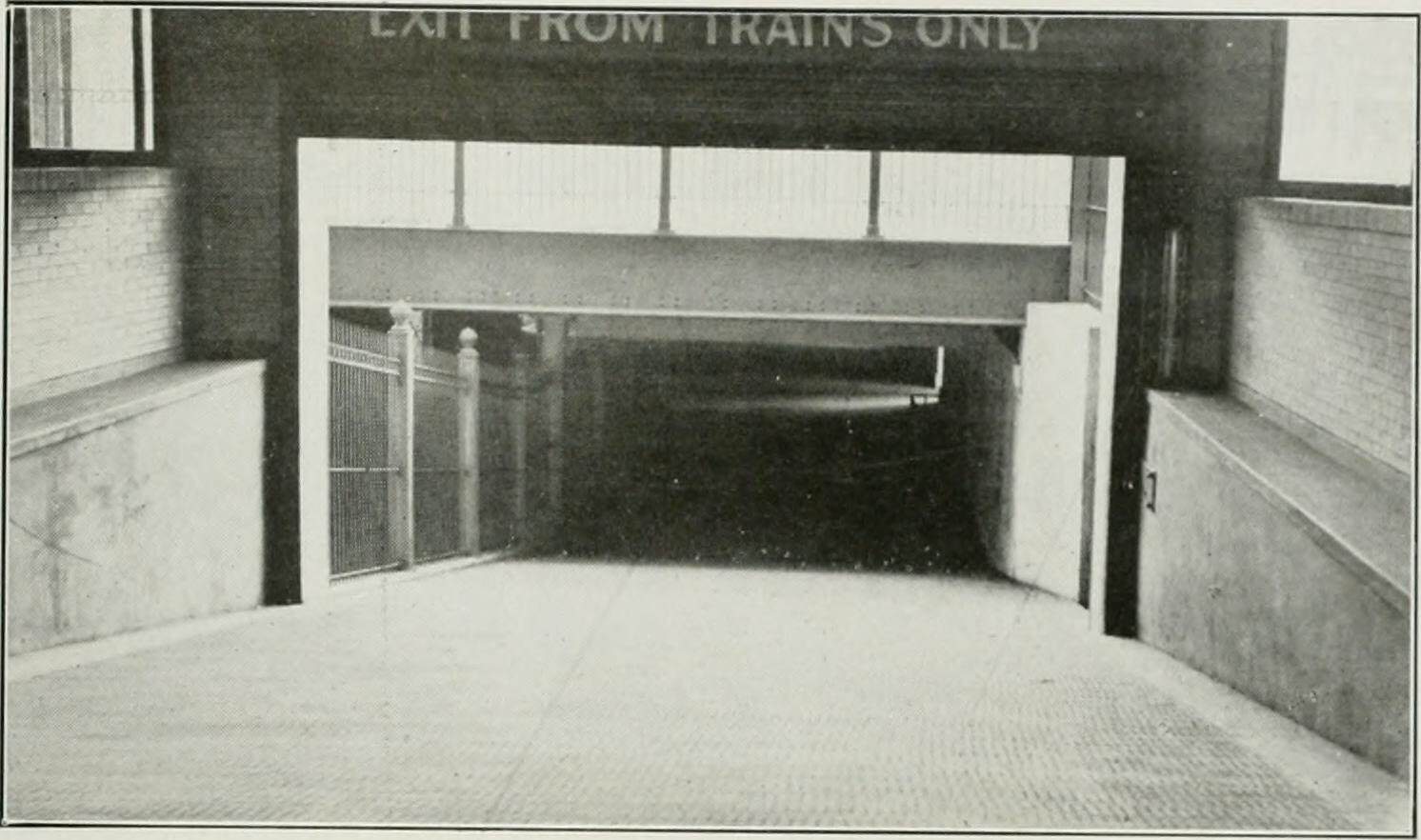
The baggageman on the Golden State Limited noticed an offensive odor coming from one of the trunks and a leak of what he believed to be blood. When the train reached Los Angeles on the morning of Monday, October 19, he told the Los Angeles baggage agent, who ordered the trunks held. English Wikipedia says the railroad men first suspected smuggled deer meat.
Judd left her hand luggage in the ladies’ waiting room at the station and never went back for it. Around noon she returned with her brother, Burton McKinnell, a junior at the University of Southern California, to claim the trunks. The agent told her they would have to be inspected before they were released and asked her to open them. In the court’s words, she said she did not have the keys “and would have to phone her husband to bring them down to the station.” “The trunk checks were given to her and she departed never to return,” the court wrote.
An officer from the police department was then called, and he opened the trunks. The larger trunk held the body of LeRoi. The smaller trunk and the suitcase held the body of Samuelson, which had been dismembered. In the hat box, among other things, police found a kit of surgeon’s tools, a scalpel and a .25 caliber automatic pistol. Tests later matched the pistol to a bullet removed from LeRoi’s body and to shells found with Judd’s luggage and in her Brill Street apartment.
English Wikipedia says the police were called at about 4:30 p.m. and that Judd’s brother had no idea what was in the trunks. The Phoenix New Times quoted from a police interview in which her brother said she had told him “to take those trunks and dump them in the ocean, and not to ask any questions”.
Six days in hiding and the drain letter
Once the trunks were opened, Judd became the object of what the Los Angeles Times later called “a huge dragnet”. On October 20, 1931, before she was found, the Maricopa County attorney, Lloyd J. Andrews, filed two criminal complaints in the justice court of the East Phoenix precinct. The Arizona Supreme Court later recorded that in each one “Winnie Ruth Judd was charged with the crime of murder.”
She was hiding in Los Angeles. While she was there, she wrote a long letter on postal telegraph blanks, apparently meant for her husband, tore it up, and tried to flush it down a toilet in the Broadway Department Store. The pipe clogged and the pages were recovered. At trial it was known as the “drain letter”. The Supreme Court described it as containing an account of the events leading to the killings and “a graphic, if somewhat incoherent, description” of what it said had happened.
In the drain letter Judd described a struggle with Samuelson over a gun in which she was shot in the hand. According to the Phoenix New Times, the letter then had her shooting LeRoi to remove her as a witness. The state introduced it as an admission of guilt, and her own lawyers did not object. The Phoenix New Times called it “a meandering, nonsensical tale” and noted that she soon backed away from parts of it.
She surrendered after almost a week. The date is given differently in the sources. English Wikipedia says she gave herself up to police at a funeral home on Friday, October 23, 1931, and the Phoenix New Times quoted a Los Angeles County Jail medical report dated October 23. The Arizona Supreme Court’s opinion says she “surrendered to the Los Angeles police on October 24th”. She had a bullet wound in her left hand. She was returned to Phoenix.
Back in Phoenix, English Wikipedia says, the landlord charged ten cents a person for tours of the bungalow, and the mattresses from both beds were missing when police arrived. At the trial Judd’s lawyers complained that “the entire population of Maricopa County visited that place.”
The fight over the house on Second Street
The case first reached the Arizona Supreme Court before Judd had been charged in the trial court. Sheriff J. R. McFadden had taken possession of the bungalow because, the court said, officials believed evidence “would have been destroyed or mutilated” otherwise.
Her lawyers, Paul W. Schenck, Herman Lewkowitz and J. B. Zaversack, were refused access, and the superior court ordered, without notice to the county, that they be allowed to inspect the bungalow and her apartment “without restriction”.
On November 23, 1931, in State ex rel. Andrews v. Superior Court, the supreme court set the order aside at the request of the county attorney and the sheriff. Justice Lockwood held that no case against Judd was yet pending in the superior court, so it had no jurisdiction to make the order. A 1954 Arizona Supreme Court opinion described it as the test of an “inspection order” in “the famous Winnie Ruth Judd murder case”.
Trial at the Maricopa County Courthouse
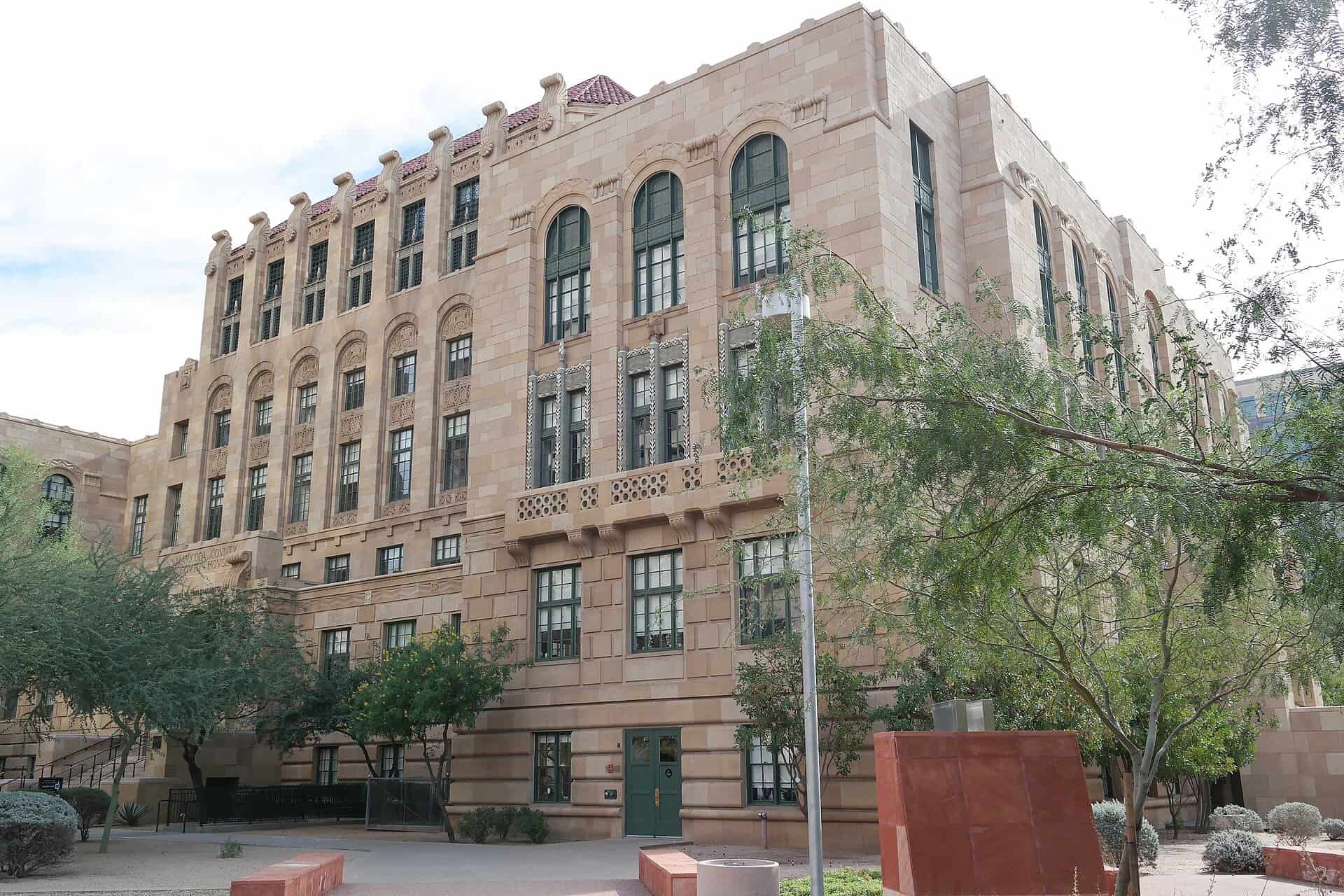
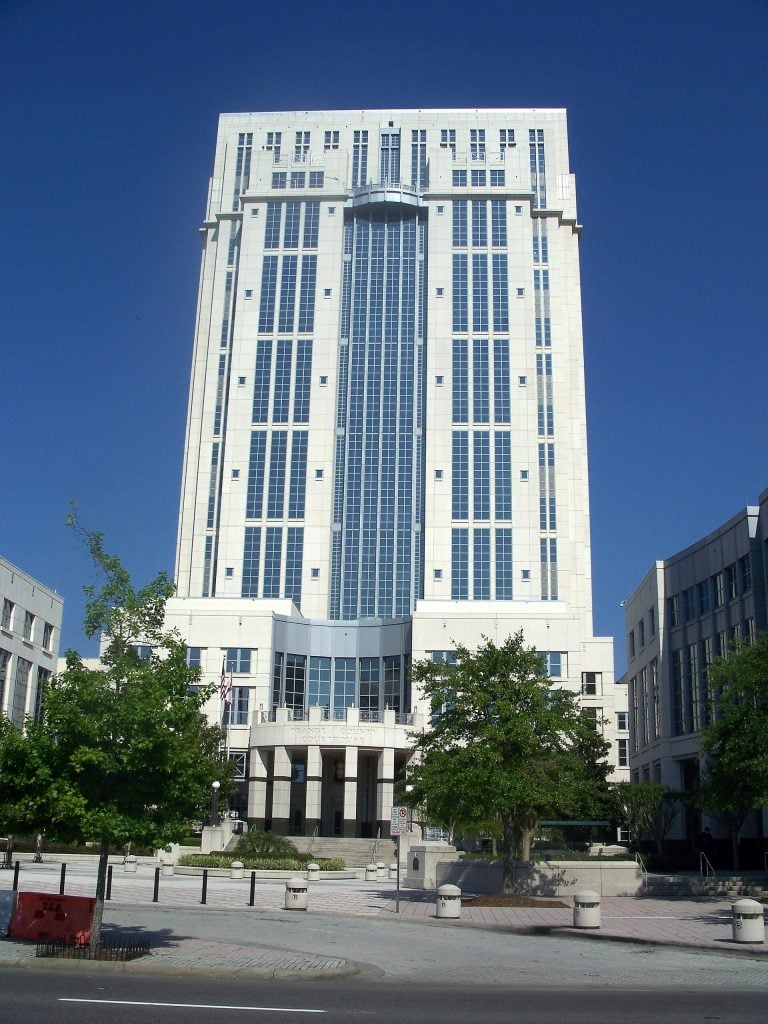
Judd’s trial began on January 19, 1932, at the Maricopa County Courthouse in downtown Phoenix, with Judge Howard C. Speakman presiding. She was tried on one count only, the murder of Agnes Anne LeRoi. The state never tried her for the death of Hedvig Samuelson, and English Wikipedia notes that, because LeRoi’s body had not been dismembered, the dismemberment was never directly at issue. The trial judge told the jury so in plain terms: “the defendant is not on trial for the killing of Hedvig Samuelson.”
The prosecution argued that Judd had acted with premeditation and that they had quarreled over Halloran. English Wikipedia says the state also argued that she had shot herself in the hand to support a self-defense claim.
Judd did not take the witness stand. Most of her evidence, the supreme court said, went to insanity. Her lawyers did not formally argue self-defense, although the Saturday witnesses supported parts of the drain letter.
Why Judd did not testify has been argued about ever since. In 1933, the Phoenix New Times reported, the state pardon board recorded her husband’s account that her lawyers had considered a self-defense plea but were afraid that under cross-examination she might give a different account of the killings. Jerry Lewkowitz, whose father was on her defense team, told the paper that Judd once told him the newspaper owner William Randolph Hearst, who she said was paying her lawyers in exchange for exclusive stories, had wanted her kept off the stand. The Phoenix New Times doubted that account. Neither claim was tested in court.
On February 8, 1932, the jury found Judd guilty of first degree murder and fixed the penalty at death. Judge Speakman sentenced her to hang, and she was sent to the state prison at Florence.
The appeal: Judd v. State
The Arizona Supreme Court decided the appeal on December 12, 1932. Chief Justice McAlister was ill, and Joseph S. Jenckes, a superior court judge, sat in his place and wrote the opinion, with Justices Ross and Lockwood concurring. The court grouped twelve assignments of error under five headings.
Insanity. The defense had asked the trial judge to instruct the jury on the so-called “irresistible impulse” doctrine. The trial judge refused. The supreme court said Arizona had always followed the “right and wrong” rule instead, declined to adopt the irresistible impulse doctrine, and found no error in the instructions given.
The juror. After the verdict, the defense moved for a new trial on the ground that one juror, Dan Kleinman, had been biased against Judd from the start. Two men swore they had heard him say before trial that she was guilty and should be hanged. Kleinman “emphatically denied” it, a state witness contradicted one of the accounts, and the court found no abuse of discretion in refusing a new trial. English Wikipedia adds that four jurors swore affidavits saying they had voted for death only after Kleinman, a former mayor of Mesa, persuaded them it was the best way to make Judd name any accomplice.
Self-defense. The defense argued that the trial judge should have instructed the jury on self-defense, even though it had not formally raised it. The court disagreed. It said the state’s evidence showed three shots fired in a dark house late at night, no struggle, no outcry, and “two women dead of gunshot wounds fired from a weapon held in close contact with their respective heads.” It found “No slightest evidence of self-defense on the part of the perpetrator of the deed.” It added that the drain letter itself refuted a self-defense reading.
The court also rejected the remaining points, including one about the cross-examination of a defense expert, Dr. George W. Stephens, superintendent of the state hospital. Its conclusion was one sentence: “The judgment of the lower court is affirmed.”
Decades later the journalist Jana Bommersbach asked a retired chief justice of the Arizona Supreme Court, Jack D. H. Hays, to review the trial and appeal. According to English Wikipedia, Hays concluded that the premeditation evidence was thin, that without Kleinman she would have been convicted of no worse than second degree murder, that the jury should have been offered self-defense, and that Kleinman’s conduct warranted a new trial. That was one retired judge’s opinion, given at an author’s request. It is not a ruling.
Jack Halloran: indicted, charge dismissed
Halloran was not a defendant at Judd’s trial, and he did not testify there. On December 30, 1932, after new testimony from Judd, a Maricopa County grand jury indicted him as an accomplice to murder. The state archives hold the register for criminal case 11928, the Halloran indictment, and its records guide says plainly that “Jack Halloran was indicted but not convicted.”
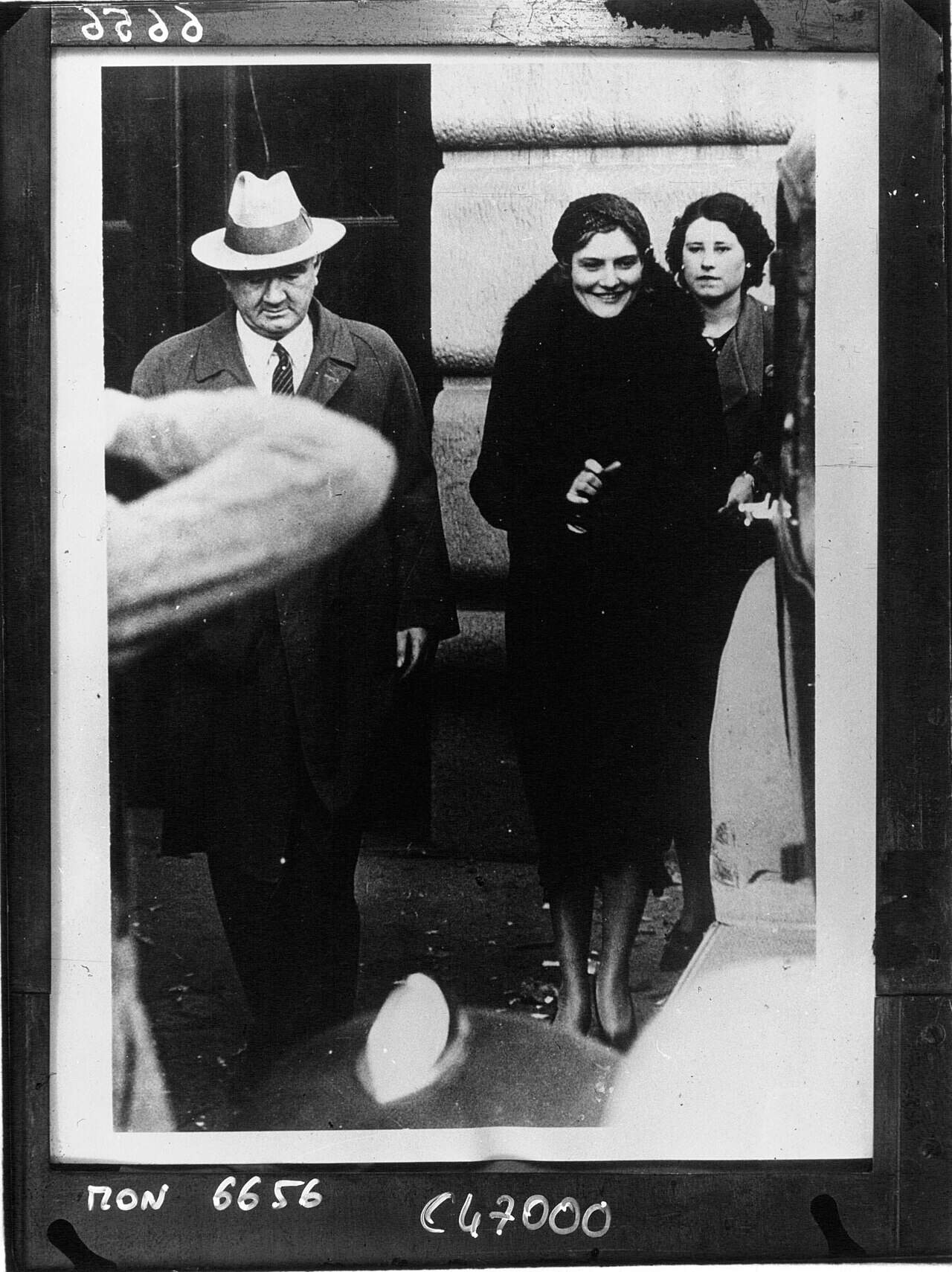
A preliminary hearing on the charge was held in mid-January 1933. Judd was the main witness and testified, English Wikipedia says, for almost three days. She said the women attacked her during an argument over Halloran and that she killed them in self-defense. She testified that she met Halloran soon afterward, that he came back to the bungalow with her, and that after seeing the bodies he brought a “great, heavy trunk” from the garage and told her not to tell anyone.
Halloran did not testify. His lawyer told the court that Judd’s story was nothing more “than the story of an insane person”, and argued that if the killings were self-defense, there was no crime for Halloran to have concealed. On January 25, 1933, the judge released Halloran, saying the state’s case was inconsistent and that trying him would be “an idle gesture”. The Phoenix New Times summarized it the same way: the complaint against him “was dismissed after Ruth testified that she killed in self-defense”.
The charge was dismissed. Halloran was never tried and never convicted of any crime connected with the deaths of LeRoi and Samuelson. English Wikipedia says he lost business associates and social standing anyway. He died in 1976.
Judd went on accusing him for decades, in versions that changed. At different times, according to the Phoenix New Times, she said that he helped hide the bodies, that he arranged for a doctor to dismember Samuelson’s body, and that it was his plan to send the trunks to Los Angeles. In other versions, including the 1933 confession letter described below, he did not appear at all. None of these claims has been tested in a court.
Death row, the pardon board and the sanity hearing
After the appeal, Judd’s hope lay with the Board of Pardons and Paroles and with the question of her sanity. The sources give the timing differently. English Wikipedia says the hanging was set for February 17, 1933, and the Los Angeles Times obituary said she was declared insane “Less than 72 hours before her scheduled hanging”. The Arizona Memory Project says that “Days before her execution” she was called back to court for an insanity hearing.
The Phoenix New Times reported that Judd’s husband appeared before the pardon board on March 22, 1933, and that the board’s written decision of March 30, 1933, denied commutation of her death sentence. According to the decision, her husband told the board that Judd first said she had dismembered Samuelson’s body herself and later denied it, and that he found it hard to believe Halloran “had anything to do with that”.
The Phoenix New Times also described an affidavit of March 20, 1933, now in the state archives, in which a correspondent of Judd’s brother recounted a meeting with Halloran’s lawyer. According to the affidavit, the lawyer suggested that a written statement from Judd clearing Halloran might help persuade the pardon board to commute her sentence. It is one person’s sworn account of another’s words, never tested in court.
The day after the board’s decision, the paper reported, a new lawyer, Howard G. Richardson, sought a new trial on the ground that her trial lawyer had failed to argue self-defense or let her testify. In an affidavit with that motion, Judd said she had first claimed the killings happened on Saturday morning to keep her husband from learning of her affair with Halloran, and that the true time was Friday night. Richardson then asked her for a private letter setting out the whole truth. She wrote it on April 6 and 8, 1933.
The Phoenix New Times reported that on the day Richardson read the letter and locked it away, Judd tried to kill herself. The Washington Times, in an International News Service dispatch from the prison at Florence dated April 10, 1933, reported that the day before she had tried to swallow a double-edged razor blade, and that a matron and a guard stopped her and carried her to a cell stripped bare. She survived.
English Wikipedia describes a ten-day sanity hearing that found her mentally incompetent, after which she was sent to the Arizona State Asylum for the Insane in Phoenix on April 24, 1933. The Arizona Court of Appeals, reviewing the history in 1970, called the outcome a “post trial adjudication of insanity” and said she was transferred to the state hospital after it.
The ruling did not set aside her conviction. English Wikipedia describes her death sentence as having been overturned at this point, but the Court of Appeals’ account of her history says otherwise: it records that on May 11, 1952, the governor “commuted her death sentence to life imprisonment”, so the death sentence stood until then.
The confession letter of April 1933
For almost 70 years the letter Judd wrote to Richardson in April 1933 was unknown to the public. The Phoenix New Times reported that Richardson locked it away because it contradicted the self-defense account he had just put before the court. Judd herself called it “my first and only confession.”
In the letter, as the Phoenix New Times and English Wikipedia describe it, Judd wrote that she alone planned and carried out the killing of LeRoi, whose taunts, she said, had driven her to distraction over Halloran. She wrote that she had not meant to harm Samuelson, and that Samuelson was killed after she came upon the scene and fought Judd for the gun. She wrote that she handled and moved the bodies by herself and that no one helped her. The letter places the shootings on Saturday morning. It does not mention Halloran as a participant. This article does not quote the letter’s descriptions of the killings and their aftermath.
The letter came back into view through the state archives. According to the Phoenix New Times, the confession and a set of letters Judd wrote in 1953 to Richardson’s widow, Fern, asking repeatedly for it to be returned, were donated anonymously, in 2001 according to the archives’ processing notes or in 2002 according to a librarian at the Arizona Historical Society. The widow did not send it back. The Arizona Memory Project now makes it available online.
The Phoenix New Times gathered several readings of it.
- Larry Debus, Judd’s lawyer from 1969, told the paper it was “the first version of her story I’ve ever read that really matches up with things she told me privately.”
- Mel McDonald, a former superior court judge, called it the most plausible account he had read. “The guy who gets screwed in this story is Halloran,” he told the paper.
- Jim Dobkins, co-author of the 1973 book Winnie Ruth Judd: The Trunk Murders, called it “just another of her many confessions, the one attempt to have Halloran named as an accomplice.”
- Samuelson’s great-niece, Sunny Worel, a research librarian, wrote to the reporter before her death in July 2014 that the letter might have been meant to help an insanity plea, since it was written while Judd hoped to be sent to the hospital instead of the gallows.
No court has ever considered the letter. It is one more of Judd’s accounts, written under sentence of death.
The State Hospital and the escapes
The hospital in Phoenix was Judd’s home, on and off, for most of the next four decades. The Phoenix New Times put her time there at 36 years, the Arizona Memory Project at 38, and the Los Angeles Times said she spent “most of the next 40 years in a mental hospital.”
The number of escapes is one of the least consistent details in the sources:
- English Wikipedia says she escaped six times between 1933 and 1963.
- The Phoenix New Times and the Arizona Memory Project both say seven.
- The Los Angeles Times obituary said four.
- The state archives guide lists escapes twice in 1939, once each in 1947 and 1951, twice in 1952, and a final one in 1962.
The archives also hold governor’s office files on an escape plan in 1941 and 1942 and on a 1952 escape, and a 1939 legislative petition asking the pardon board to remove the death penalty.
The most famous of the early escapes is the one in which, English Wikipedia says, she walked all the way to Yuma along the old Southern Pacific railroad tracks. The Los Angeles Times obituary turned the story around, saying she walked “from the Yuma-area hospital to Phoenix, about 150 miles.” The hospital was in Phoenix, not Yuma.
In 1952 her legal position changed. On May 11, 1952, according to the Arizona Court of Appeals, the governor “commuted her death sentence to life imprisonment.” English Wikipedia names the governor as J. Howard Pyle.
In 1953, the Phoenix New Times reported, she was preparing for a new sanity hearing. She remained at the hospital.
Marian Lane: Winnie Ruth Judd’s years in California
Her last escape lasted years. The Phoenix New Times and the state archives guide date it to 1962. English Wikipedia gives a precise date, October 8, 1963, and says she used a key to the hospital’s front door that a friend had given her. The Arizona Memory Project says that this time she was gone “for over six years.”
She went to Northern California and took another name. The Phoenix New Times and the Arizona Memory Project give it as Marian Lane, and English Wikipedia’s article opens by listing Marian Lane as one of her names, although its account of the escape uses “Marian Kane”. English Wikipedia says she was a live-in maid for a wealthy Bay Area family; the Arizona Memory Project says she was a nanny. The Los Angeles Times said she worked as a maid in San Francisco “for more than six years”.
Her identity was eventually discovered. The Arizona Memory Project says a police investigation finally found her, and that she was extradited to Arizona in 1969. English Wikipedia says she was taken back on August 18, 1969.
Back to prison, and the fight for parole, 1969 to 1971
Her return started a legal fight recorded in the case law. According to the Arizona Court of Appeals, the state hospital found “no evidence of mental disease” and transferred her back to the Arizona State Prison on August 22, 1969. On August 29 she applied to the pardon board for commutation.
The board held a hearing on October 27, 1969. Her later court complaint alleged that the evidence showed she had “completely rehabilitated herself”. On October 31, 1969, a majority of the board voted to deny the application.
Her lawyers went to court. English Wikipedia says she had hired the San Francisco defense attorney Melvin Belli, who in turn hired Larry Debus to handle her case. On December 4, 1969, she filed a complaint in the Maricopa County Superior Court asking for review of the board’s decision. She alleged that the board had acted arbitrarily and denied her due process, and asked the court to order it to recommend commutation. On January 23, 1970, Judge Jerry H. Glenn refused to dismiss it.
The board took that order to the Arizona Court of Appeals. In an opinion by Judge Stevens on April 14, 1970, the court noted that the power to commute rests with the governor, within limits set by the Legislature, including the board’s role. It held that the superior court could require the board’s record to be sent up to it “to determine the presence or absence of due process and the presence or absence of a meaningful hearing”. But it also held that the superior court could not direct the board to make a particular recommendation, and could not “substitute its recommendation for that of the Board.” Rehearing was denied in a short supplemental opinion, and further review was denied on June 16, 1970.
The final step came outside the courts. English Wikipedia says Governor Jack Williams agreed to sign for her release as long as the arrangement was kept “hush, hush”, and that when Belli called a press conference demanding her immediate release, Debus fired him.
On October 26, 1971, after the board recommended clemency, Williams commuted her sentence so that she would be eligible for parole. She was paroled and released on December 22, 1971. The state archives guide and the Arizona Memory Project call it a pardon; this article follows English Wikipedia and the 1970 case in calling it a commutation. In 1983, English Wikipedia says, the state issued her an “absolute discharge,” meaning she was no longer on parole.
Later life and death
After her release, Judd went back to the life she had built under her assumed name. The Arizona Memory Project says she returned to northern California as Marian Lane, and that she “was instructed never to tell her story or talk about any part of it ever again.” English Wikipedia says she later lived in Stockton and moved back to Phoenix a few years before her death.
She did talk about the case to some people. Jana Bommersbach interviewed her for the book that became The Trunk Murderess. Jerry Lewkowitz, a trial lawyer whose father had been on her defense team, visited her in her last years. “She was a little old lady, but she was still gorgeous,” he told the Phoenix New Times.
Winnie Ruth Judd died on October 23, 1998. She was 93. The Los Angeles Times said she “died in her sleep” in Phoenix, and the Phoenix New Times said she died of natural causes at her home in Sunnyslope. English Wikipedia notes that it was 67 years to the day after her surrender. By then, the Phoenix New Times reported, she was known as Marian Lane, and most of the people who knew who she really was chose to believe her old story that she had killed her friends in self-defense.
Theories about a second person
The central argument about the case has been whether Judd acted alone. The only charge brought against anyone else was dismissed. Everything in this section is a claim made by a named researcher or writer, none of it proven in a court, and no one other than Judd has ever been found responsible for either death.
Jana Bommersbach. The journalist re-examined the case in Phoenix New Times articles and in The Trunk Murderess: Winnie Ruth Judd (Simon and Schuster, 1992). English Wikipedia summarizes her conclusions that police and prosecutors were biased against Judd and that there was evidence suggesting she was innocent. She wrote that some Phoenix police believed Judd was covering for Halloran. She cited reports that Halloran’s car had been seen at the scene and argued that Judd lacked the surgical skill and strength the aftermath required. She also suggested, based on early newspaper reports that LeRoi had been shot with a larger bullet, that a second gun might have been used.
Bommersbach also wrote about a rumor involving a doctor. A nurse told her that in 1936 Judd said a physician had visited her in prison and said he was going to confess, and a Phoenix lawyer said the doctor died the day before an appointment with him. This article does not name the doctor: he was never charged, and the story reaches us third hand.
The answers to her. English Wikipedia notes that Bommersbach’s conclusions, and her objectivity given the personal relationship she formed with Judd, have been questioned by others who studied the case.
- Charles Kelly, a retired Arizona Republic reporter, said the autopsy report confirms a .25 caliber bullet was recovered from LeRoi.
- Jerry Lewkowitz said his father would have used a second gun as “a great defense” if there had been one.
- The paper itself reported that all the bullets kept in the state archives, from both women and from Judd’s hand, are .25 caliber.
- Philip Warbasse, a Los Angeles researcher, said of Bommersbach that “She started out as a reporter of the case, and ended up playing angel to Winnie Ruth Judd.”
- Mel McDonald argued that a married man in Halloran’s position would have risked exposure of an affair before he risked helping to cut up and ship bodies: “No reasonable person is going to choose the second one.”
Where that leaves the case. Judd’s own accounts point in every direction. In 1933 she testified that Halloran helped her, then wrote a private letter saying no one did, and later in life she again claimed self-defense. Each researcher has picked a version, and each has been answered by another.
Anne LeRoi and Sammy Samuelson
The two women who died are harder to see in the surviving accounts than Judd. Agnes Anne LeRoi, who went by Anne, worked as an X-ray technician at the Grunow Clinic. Hedvig Samuelson, whom friends called Sammy, had come to Phoenix with LeRoi from Alaska after she contracted tuberculosis. They shared the bungalow on North Second Street.
Samuelson’s family did not let her disappear into the story. Her great-niece, Sunny Worel, a research librarian, spent years on the case. The Phoenix New Times reported that she traveled to Juneau, Alaska, where Samuelson had once lived, and produced an exhaustive 242-page document on every detail of the case. She died in 2014, at 46.
The Tiger Woman and the Trunk Murderess in popular culture
The case was national headline news. The Phoenix New Times says tabloid reporters dubbed her “The Velvet Tigress”. Bommersbach later wrote that crime reporters of the era acted as “judge and jury”, and English Wikipedia summarizes her view that the press helped create an atmosphere in which Judd could not have had a fair trial.
English Wikipedia lists a 1934 episode of the radio series Calling All Cars; Murderess: The Winnie Ruth Judd Story (2007), a film with an all-marionette cast by Scott Coblio; a 2009 Deadly Women episode; Megan Abbott’s 2009 novel Bury Me Deep; a 2024 stage play, The Truth About Winnie Ruth Judd, by Cathy Dresbach and Ben Tyler; and Laurie Notaro’s 2024 novel The Murderess.
The nonfiction shelf began with Winnie Ruth Judd: The Trunk Murders by J. Dwight Dobkins and Robert J. Hendricks (Grosset and Dunlap, 1973), followed by Bommersbach’s book in 1992.
What remains unsettled
The conviction for Anne LeRoi’s murder stands, and Judd was never tried for Hedvig Samuelson’s death. Beyond that, the sources leave much unsettled.
- When the women died. The jury heard evidence pointing to Friday night, October 16, 1931. Judd’s own accounts gave both Friday night and Saturday morning.
- Whether anyone helped her afterward. Judd accused Halloran for decades, and he was indicted, but the case against him was dismissed in January 1933 and he was never tried. The 1933 letter says no one helped her. No court has ever found that another person took part.
- Why she never testified at trial. Her husband’s account and Jerry Lewkowitz’s point to different reasons.
- The jury. Affidavits that a juror had prejudged the case were rejected by the trial judge and the supreme court. A former chief justice, reviewing the case decades later for an author, thought the juror’s conduct should have meant a new trial.
- Her mental state. A jury found her sane enough to be convicted, a 1933 hearing found her insane, and in 1969 the state hospital found no evidence of mental disease.
- Her later life. How many times she escaped, when the last escape began, and what name she used in California all differ from source to source.
Where the accounts disagree
The sources agree on the victims, the trunks, the 1932 conviction for Anne LeRoi’s murder, the 1971 parole and the 1998 death. They differ on a long list of details.
- Her birthplace. English Wikipedia and the Phoenix New Times say Oxford, Indiana; the Arizona Memory Project says Darlington, Indiana.
- Her age at marriage and her husband’s age. English Wikipedia says she married at 17 a man “more than twenty years her senior”; the Arizona Memory Project says she married at 19 and puts the gap at 22 years. The Phoenix New Times called her in 1931 the bride of a 48-year-old doctor; the Los Angeles Times gave his age at the time as 56.
- The victims’ ages. English Wikipedia gives LeRoi as 27 and Samuelson as 24; the Los Angeles Times gave LeRoi as 32 and Samuelson as 24.
- LeRoi’s name. The Arizona Supreme Court spelled it “Agnes Ann Le Roi”; other sources write Agnes Anne LeRoi, and English Wikipedia says she used the name Anne Alexandra LeRoi.
- Friday night or Saturday morning. The state’s witnesses put the shots at about 10:30 on Friday night, October 16, 1931. The drain letter and the defense’s Saturday witnesses put them on Saturday morning. Judd’s 1933 affidavit said Friday night; her private letter written days later said Saturday morning.
- The surrender date. English Wikipedia says Friday, October 23, 1931, and the Phoenix New Times quoted a jail medical report dated October 23; the Arizona Supreme Court said October 24.
- The hanging date and when she was found insane. English Wikipedia says the hanging was set for February 17, 1933; the Los Angeles Times said she was declared insane less than 72 hours before it; the Arizona Memory Project says she was called back for an insanity hearing days before her execution. English Wikipedia puts her committal on April 24, 1933, after a ten-day hearing.
- Overturned or commuted. English Wikipedia describes her death sentence as overturned after the 1933 hearing; the Arizona Court of Appeals records that the governor commuted it to life imprisonment on May 11, 1952.
- Years in the hospital. The Phoenix New Times says 36, the Arizona Memory Project 38, and the Los Angeles Times “most of the next 40 years”.
- The number of escapes. English Wikipedia says six; the Phoenix New Times and the Arizona Memory Project say seven; the Los Angeles Times said four; the state archives guide lists escapes twice in 1939, once each in 1947 and 1951, twice in 1952, and once in 1962.
- The walk to or from Yuma. English Wikipedia says she walked to Yuma along the Southern Pacific tracks; the Los Angeles Times said she walked from a “Yuma-area hospital” to Phoenix. The hospital was in Phoenix.
- The last escape. The Phoenix New Times and the state archives guide date it to 1962; English Wikipedia gives October 8, 1963.
- Lane or Kane. The Phoenix New Times, the Arizona Memory Project and the opening of English Wikipedia’s article give her California name as Marian Lane; English Wikipedia’s account of the escape says Marian Kane.
- Maid or nanny. English Wikipedia and the Los Angeles Times say she worked as a maid; the Arizona Memory Project says nanny.
- Pardon or commutation. The state archives guide and the Arizona Memory Project call the 1971 release a pardon; English Wikipedia and the 1970 court case describe commutation.
- When the confession letter was donated. The archives’ processing notes say 2001; a librarian at the Arizona Historical Society said 2002.
- What her brother knew. English Wikipedia says he had no idea what was in the trunks; the Phoenix New Times quoted a police interview in which he said she told him to dump them in the ocean.
Timeline
- January 29, 1905: Winnie Ruth McKinnell is born in Indiana (Oxford or Darlington, depending on the source).
- 1930: She moves to Phoenix, leaving her husband in Los Angeles; by Christmas Eve 1930, according to the Phoenix New Times, her affair with Jack Halloran has begun.
- 1931: She works at the Grunow Clinic and lives for a couple of months with Anne LeRoi and Sammy Samuelson.
- October 16, 1931: At about 10:30 p.m., neighbors hear three shots from the bungalow at 2929 North Second Street.
- October 17, 1931: Judd phones the clinic imitating LeRoi; that evening a transfer company moves a heavy trunk to her apartment.
- October 18, 1931: She checks two trunks at Phoenix Union Station for Los Angeles.
- October 19, 1931: The trunks are opened in Los Angeles after she walks away from the station.
- October 20, 1931: Two murder complaints are filed in Maricopa County.
- October 23 or 24, 1931: She surrenders in Los Angeles.
- November 23, 1931: The Arizona Supreme Court sets aside the order to open the bungalow to her lawyers.
- January 19, 1932: Her trial opens at the Maricopa County Courthouse.
- February 8, 1932: She is convicted of first degree murder and sentenced to death.
- December 12, 1932: The Arizona Supreme Court affirms the conviction.
- December 30, 1932: Jack Halloran is indicted as an accomplice.
- January 25, 1933: The charge against Halloran is dismissed.
- February 17, 1933: Her hanging date, according to English Wikipedia.
- March 30, 1933: The pardon board denies commutation.
- April 6 and 8, 1933: She writes the confession letter to Howard G. Richardson; soon afterward she tries to swallow a razor blade at Florence.
- April 24, 1933: She is committed to the state asylum in Phoenix, according to English Wikipedia.
- 1939 to 1952: Escapes in 1939, 1947, 1951 and 1952, according to the state archives guide.
- May 11, 1952: Her death sentence is commuted to life imprisonment.
- 1953: She writes to Fern Richardson asking for the letter back.
- 1962 or October 8, 1963: Her last escape; she lives in California as Marian Lane.
- August 1969: She is returned to Arizona and, on August 22, to the state prison.
- October 31, 1969: The pardon board denies commutation.
- April 14, 1970: The Arizona Court of Appeals rules on the board’s review.
- October 26, 1971: Governor Jack Williams commutes her sentence.
- December 22, 1971: She is paroled and released.
- 1973: Winnie Ruth Judd: The Trunk Murders is published.
- 1976: Jack Halloran dies.
- 1983: She receives an absolute discharge from parole, according to English Wikipedia.
- 1992: Jana Bommersbach publishes The Trunk Murderess.
- October 23, 1998: Winnie Ruth Judd dies in Phoenix, aged 93.
- 2001 or 2002: The confession letter is donated anonymously to the state archives.
- July 2014: Sunny Worel dies.
- September 24, 2014: The Phoenix New Times publishes the confession letter story.
Frequently asked questions
What was Winnie Ruth Judd convicted of?
A Maricopa County jury convicted her on February 8, 1932, of the first degree murder of Agnes Anne LeRoi and fixed the penalty at death, and the Arizona Supreme Court upheld the verdict. Prosecutors never tried her for the death of Hedvig Samuelson, whose body was found in the second trunk.
Why was she never hanged?
With her execution approaching in 1933, a sanity hearing found her insane and she was sent to the state hospital in Phoenix instead of the gallows. The finding left the conviction in place, and in 1952 the governor commuted her death sentence to life imprisonment.
How did she get out?
Several times by escaping, most famously in a last escape that kept her free in California for more than six years until 1969. Her lawful release came after Governor Jack Williams commuted her sentence in October 1971: she was paroled on December 22, 1971, and later discharged from parole altogether.
When did Winnie Ruth Judd die?
She died in Phoenix on October 23, 1998, aged 93, by then living as Marian Lane. Accounts say she died in her sleep, of natural causes, 67 years to the day after her surrender.
Where is the Winnie Ruth Judd house?
The bungalow stands on North Second Street in Phoenix. It was numbered 2929 in 1931 and is now 2947, and it was the home of Agnes Anne LeRoi and Hedvig Samuelson, not of Judd.
Was Jack Halloran convicted in the Trunk Murders?
No. He was indicted as an accomplice on December 30, 1932, but the charge was dismissed on January 25, 1933, and he was never tried or convicted of any crime connected with the deaths. He died in 1976.
Works Cited
Court decisions
- Judd v. State, 41 Ariz. 176, 16 P.2d 720 (Ariz. 1932), opinion of December 12, 1932, via the Caselaw Access Project, Harvard Law School Library.
- State ex rel. Andrews v. Superior Court, 39 Ariz. 242, 5 P.2d 192 (1931), on the inspection of the North Second Street house, via the Caselaw Access Project.
- State ex rel. Mahoney v. Superior Court, 78 Ariz. 74, 275 P.2d 887 (1954), via the Caselaw Access Project.
- State ex rel. Arizona State Board of Pardons and Paroles v. Superior Court, 12 Ariz. App. 77, 467 P.2d 917 (1970), and supplemental opinion on rehearing, via the Caselaw Access Project.
Archives
- Arizona State Library, Archives and Public Records, “Note on records relating to Winnie Ruth Judd 1931 to 1998” (special guide; Internet Archive copy), including the Maricopa County Superior Court register for criminal case 11928.
- Arizona Memory Project, Winnie Ruth Judd collection description, and “Murder & Mayhem: The Strange Saga of Winnie Ruth Judd”.
Newspapers
- Robrt L. Pela, “Ruthless: A Long-Lost Confession Letter May Finally Tell the Real Story of Winnie Ruth Judd”, Phoenix New Times, September 24, 2014.
- Los Angeles Times, “Winnie Ruth Judd; Trunk Murderess”, October 25, 1998.
- The Washington Times, “Mrs. Judd Attempts to Swallow Safety Razor Blade”, International News Service, April 10, 1933, page 3, via historyworm.com.
Reference
- English Wikipedia, “Winnie Ruth Judd”, revision 1378921087 (revision of October 6, 2026), and its cited sources as listed there.
Image credits
- The bungalow on North Second Street, March 2025: Truecrimenoirwithalyssa, via Wikimedia Commons. CC BY 4.0.
- The Lois Grunow Memorial Clinic, 2010: Chloe93, via Wikimedia Commons. CC BY-SA 3.0.
- Phoenix Union Station, 2014: Tony the Marine, via Wikimedia Commons. CC BY-SA 3.0.
- Central Station, Los Angeles, 1920: California Public Utilities Commission, via Wikimedia Commons (file record “Central Station L.A.jpg”). Public domain (published in the United States before 1929).
- Winnie Ruth Judd leaving court, January 1933: Acme Newspictures, via Gallica, via Wikimedia Commons. Public domain.
- The Maricopa County Courthouse, 2013: Visitor7, via Wikimedia Commons. CC BY-SA 3.0.
Browse every case in the Case File Index
Related Dark Side Files
Keep going