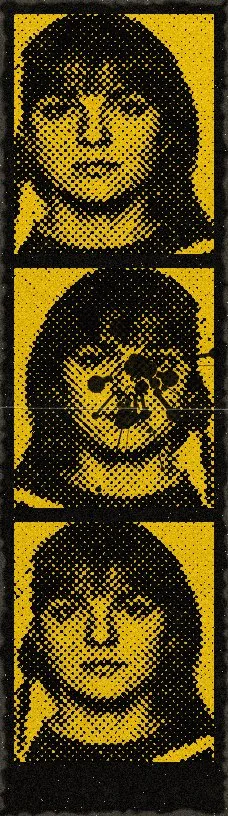
FILE NO. 0018Case status Convicted
Rebuilt as a Case File from the court and police record
This file began in 2024 as a psychological essay. It now sets out the record: the 17 killings Dahmer confessed to and the 16 he was convicted of, the May 1991 police failure, Tracy Edwards’ escape, what police found in the apartment, the 1992 sanity trial, the Ohio plea and his death in prison in 1994. The original analysis is kept in §14, with its errors corrected. Claims from Josef Benson’s 2026 book, Infinity Land, are attributed to Benson.1212131625
Sources: UPI and Los Angeles Times archives, The Seattle Times, The Washington Post, AP, court records, University Press of Mississippi, Publishers Weekly · Start with the docket ↓
Jeffrey Dahmer
Seventeen men and boys drugged, strangled and dismembered between 1978 and 1991, a 14-year-old handed back to his killer by police, the escape that ended it, the trial that found him sane, and the prison beating that killed him.
Convicted of 16 murders · 15 life terms in Wisconsin, 1 in Ohio · died Nov. 28, 1994
The details of the killings come from the 1991 criminal complaints as quoted by UPI, police and trial testimony, and wire and newspaper reports from 1991 to 1994. Much of it is Dahmer’s own account to detectives, and the file says so. No crime-scene photographs are freely licensed, so none are shown.
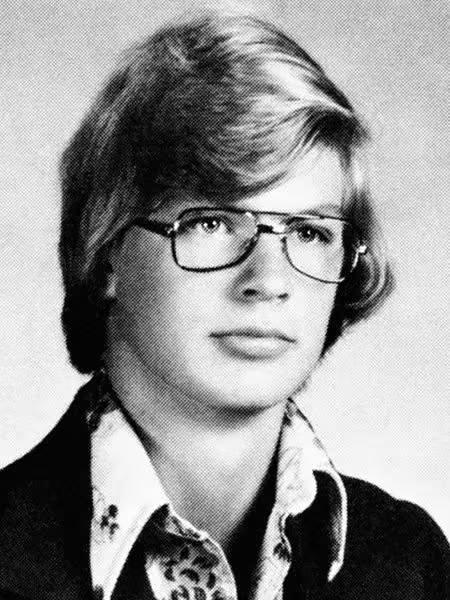
- Convicted (Wis.)
- 15 counts · guilty pleas Jan. 13, 1992; found sane Feb. 15, 1992, 10 to 2 on every count1012
- Sentenced (Wis.)
- Feb. 17, 1992 · 15 consecutive life terms, the Wisconsin maximum13
- Court (Wis.)
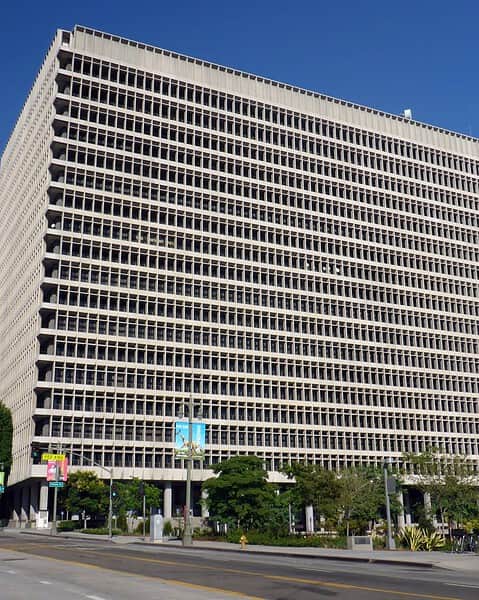
- Milwaukee County Circuit Court · Judge Laurence C. Gram Jr.10
- Prosecutor
- District Attorney E. Michael McCann11
- Convicted (Ohio)
- May 1, 1992 · pleaded guilty to aggravated murder of Steven Hicks · Summit County, Judge James Williams13
- Sentenced (Ohio)
- Life without parole, consecutive to the Wisconsin terms · the maximum, as Ohio had no death penalty in 197813
- Earlier conviction
- Second-degree sexual assault and enticing a child for immoral purposes (1988 offense; sentenced May 1989)123
- Died
- Nov. 28, 1994 · beaten at Columbia Correctional Institution, Portage, Wis.16
- Cause of death
- Multiple skull fractures and brain trauma (preliminary autopsy)17
- Case
- Milwaukee · 1991
- Scene
- 924 N. 25th St.
Items in the record
- Human head in the refrigerator61
- Heads in a freezer; four heads in all26
- Seven skulls, three painted2
- Torsos in a 57-gallon drum12
- Vat and containers of acid6
- Dresser of photographs of mutilated bodies6
SRC: complaint via UPI; LA Times, July 24, 1991
Jeffrey Dahmer confessed to 17 killings and was convicted of 16. He was beaten to death in prison on Nov. 28, 1994.
Dahmer confessed to 17 killings and was convicted of 16: 15 in Milwaukee County in February 1992 and one in Summit County, Ohio, on May 1, 1992.21213 Steven Tuomi’s killing, to which he confessed, was never charged.3 He was serving 16 life terms when he was beaten at Columbia Correctional Institution on Nov. 28, 1994. He was 34.1617
Convicted · deceased · case closed · as of Friday, October 9, 2026.
This file states documented details plainly: drugging, strangulation, sex with the dead, dismemberment, cannibalism and the keeping of remains, including those of two 14-year-old boys. Most of it is quoted from criminal complaints, police testimony and Dahmer’s own statements, and each passage is attributed. Claims from Infinity Land are Josef Benson’s and are marked as his.
Jeffrey Dahmer at a glance
Direct answer and case snapshot · as of Friday, October 9, 2026
Who was Jeffrey Dahmer?
Jeffrey Dahmer killed 17 men and boys between 1978 and 1991, by his own confession: one in Ohio in 1978 and 16 between 1987 and 1991, 15 of them charged in Milwaukee County. He lured them with offers of money to pose for photographs, watch videos or drink, drugged them, usually strangled them, often had sex with the bodies, photographed and dismembered them, and kept heads, skulls, hearts and other parts. He was arrested on July 22, 1991, after Tracy Edwards escaped from his apartment. A Milwaukee jury found him sane in February 1992, and he received 15 consecutive life terms; an Ohio court added a 16th in May 1992. A fellow inmate beat him to death on Nov. 28, 1994.128121316
Ohio, 1978: the first killing in Bath Township
Early life, the Hicks killing, the 1991 identification and the separate Ohio case
The first killing at the family home
On June 18, 1978, at his family’s home in Bath Township, Ohio, Dahmer picked up Steven M. Hicks, 18, of Coventry Township, who was hitchhiking. By Dahmer’s own account, he killed Hicks, dismembered the body in a crawl space, disposed of the flesh, smashed the bones and buried them behind the house.13 The Los Angeles Times reported in 1994 that Dahmer said he choked Hicks with a barbell, then smashed the corpse with a sledgehammer and scattered the bone fragments.15
On Sept. 24, 1991, after Dahmer’s confession, the Summit County coroner identified remains found in the woods at the house as Hicks’, and a Summit County grand jury indicted Dahmer on two counts of aggravated murder (the same death, with different specifications) and one count of kidnapping.4 Because the killing happened in Ohio, it was prosecuted there, separately from the Wisconsin case.13
Early life
Jeffrey Lionel Dahmer was born on May 21, 1960, in Milwaukee.3637 His father, Lionel Dahmer, held a PhD in chemistry from Iowa State and worked as a chemist for PPG Industries; his mother was Joyce (Flint) Dahmer. They married in 1959, and Jeffrey had a younger brother. In 1968 the family bought a home on West Bath Road in Bath Township, Ohio, and he graduated from Revere High School.36 As a teenager, his lawyer told the jury in 1992, he was fascinated with animal bones.11
In 1978 Lionel sued for divorce and moved to a hotel; Joyce moved to Wisconsin with the younger son, leaving Jeffrey alone in the Bath house that summer. He killed Steven Hicks there on June 18, 1978. The divorce was final on July 20, 1978.36 He attended Ohio State University for the fall 1978 quarter, from Sept. 20 to Dec. 8, according to the university registrar; Lionel Dahmer later wrote that his grade-point average was 0.45.38
He enlisted in the U.S. Army in January 1979, trained as a medical specialist at Fort Sam Houston, Texas, and served as a combat medic in Baumholder, West Germany. In March 1981 his superiors decided his drinking impaired his ability to function as a soldier, and he received an honorable discharge. A fellow service member later claimed Dahmer repeatedly raped him over a 17-month period; that is an allegation, not a finding.39 Back in Ohio in September 1981, he was arrested for drunk and disorderly conduct, fined and given a suspended jail sentence, and his parents sent him to live with his grandmother in the Milwaukee area.23
The 1988 sexual assault conviction
The conviction, the sentence and the early release
The 1988 sexual assault conviction
Dahmer was convicted of second-degree sexual assault and enticing a child for immoral purposes. The victim was Somsack Sinthasomphone, as Lionel Dahmer’s 1994 memoir and the family’s 1992 federal lawsuit name him. He was 13, the older brother of Konerak Sinthasomphone, whom Dahmer killed in 1991.1234950
In May 1989 he was sentenced to 12 months in jail with work release, so he could keep his job at the Ambrosia Chocolate factory, plus five years of probation and registration as a sex offender. He was released two months early.23 In August 1991, District Attorney E. Michael McCann said his parole on the 1989 conviction had been revoked.3
How Dahmer lured, drugged and killed, 1987 to 1991
Method, from the complaints and the testimony
How he lured, drugged and killed
According to the criminal complaints and his confession as reported, Dahmer lured young men and boys with offers of money to pose for photographs, watch videos or drink. He gave them drinks laced with sleeping pills, usually strangled them, by hand or with a strap, and often had sex with the bodies. He photographed them before and during dismemberment and kept heads, skulls, hearts, biceps and other parts.1210
His own lawyer, Gerald Boyle, told the jury Dahmer “surgically experimented with the bodies… trying to preserve them as zombies.”11 Dahmer told NBC’s Dateline in 1994: “That’s why I tried to create living zombies with… acid and the… the drill.”15 The site’s file on the “zombie” experiments and the genius myth looks at how those experiments have been mythologized.
Detective Dennis Murphy testified that Dahmer told him he “kept the skulls of the good-looking ones.” On cannibalism, Murphy quoted him: “the only time I did was a bicep… it was big and I wanted to try it.” Dahmer seasoned it with Crisco and meat tenderizer and fried it in a skillet. “He said it tasted like beef,” Murphy testified.11 Prosecutor McCann told the jury Dahmer “preferred live but drugged men” and said “he wouldn’t have killed them if they would have stayed for two weeks.”11
For context on the paraphilias involved, see homicidal necrophilia, necrophilia in forensic psychology and other documented cannibalism cases, including the Armin Meiwes case.
The 17 men and boys he confessed to killing
Each name, date and record status, from the criminal complaints
| # | Victim and date | From the complaints and reports | Record |
|---|---|---|---|
| 1 | Steven M. Hicks, 18June 1978 | Coventry Township, Ohio. Picked up hitchhiking; killed at the family home in Bath Township; bones smashed and buried, by Dahmer’s account.13 | CONVICTED (OHIO) |
| 2 | Steven W. Tuomi, 28Last heard from Sept. 15, 1987 | Dahmer confessed. No remains were found and he was never charged.23 | NEVER CHARGED |
| 3 | James “Jamie” Doxtator, 14January 1988 | West Allis. Met at a bus stop and offered money to pose nude; drugged and strangled. “He dismembered him and smashed the bones with a sledgehammer and disposed of them… He did not keep any portion of this individual,” the complaint says.3 | CONVICTED |
| 4 | Richard Guerrero, 23March 1988 | Milwaukee. Met at the Phoenix Bar; drugged and killed at Dahmer’s grandmother’s house in West Allis.3 | CONVICTED |
| 5 | Anthony Sears, 24March 26, 1989 | Milwaukee. Killed at the grandmother’s house in West Allis; body parts later taken to the apartment.2 | CONVICTED |
| 6 | Raymond Smith, also known as Ricky Beeks, 33Spring or early summer 1990 | Milwaukee.2 | CONVICTED |
| 7 | Edward “Eddie” Smith, 28Summer 1990 | Milwaukee. Met at the Phoenix Bar; drugged, strangled and dismembered; four or five photographs taken.3 | CONVICTED |
| 8 | Ernest Miller, 24Sept. 3, 1990 | Milwaukee. Dahmer “disposed of the flesh except for the biceps which he kept in the freezer,” painted the skull and bleached the skeleton.2 | CONVICTED |
| 9 | David C. Thomas, 23Autumn 1990 | Milwaukee. Photographed during dismemberment; no parts kept “because the man wasn’t his type.” His girlfriend identified him from photographs found in the apartment.2 | CONVICTED |
| 10 | Curtis Straughter, 18Feb. 18, 1991 | Milwaukee.2 | CONVICTED |
| 11 | Errol Lindsey, 19April 7, 1991 | Milwaukee.2 | CONVICTED |
| 12 | Anthony “Tony” Hughes, 31May 24, 1991 | Madison; deaf. Killed after leaving a Milwaukee nightclub.12 | CONVICTED |
| 13 | Konerak Sinthasomphone, 14May 27, 1991 | Milwaukee. Returned to Dahmer by police the same night (§05).27 | CONVICTED |
| 14 | Matt Turner, also known as Donald Montrell, 20 or 21June 30, 1991 | Chicago. Met at the Chicago Gay Pride parade; drugged, strangled with a strap and dismembered; head in the freezer, body in the 57-gallon barrel.12 | CONVICTED |
| 15 | Jeremiah Weinberger, 23July 7, 1991 | Chicago. Met July 6 at a Chicago gay bar; stayed two days. When he wanted to leave, the complaint says, Dahmer “gave him a drink with a sleeping potion in it and strangled him manually,” photographed and dismembered him, and kept his head in the freezer and his body in the drum.12 | CONVICTED |
| 16 | Oliver Lacy, 23July 15, 1991 | Milwaukee. Drugged and strangled; Dahmer had anal sex with the body. “He dismembered him and placed the man’s head in the bottom of the refrigerator in a box and kept the man’s heart in the freezer to eat later.”1 | CONVICTED |
| 17 | Joseph Bradehoft, 25July 19, 1991 | Greenville, Ill., living in Milwaukee. Met at a bus stop; drugged, strangled with a strap and dismembered; head in a freezer, body in the barrel.1 | CONVICTED |
Confessed to 17, convicted of 16
Ages and dates are those given in the 1991 criminal complaints as reported by UPI. Fifteen of the killings were charged in Milwaukee County; Hicks was charged in Ohio; Tuomi was never charged because no remains were found.234 Doxtator and Konerak Sinthasomphone were 14. Both were named by police and prosecutors in 1991.36
May 27, 1991: how police returned a drugged 14-year-old to Dahmer
May 27, 1991, the firings that followed and the 1994 reinstatement
The 14-year-old and the three officers
According to the criminal complaint, Dahmer met the 14-year-old at a shopping mall. At the apartment the boy posed for two photographs, was given a drugged drink and passed out. Dahmer had oral sex with him and went out for beer. When he came back he found the boy staggering in the street as police arrived.2 Witnesses saw the boy on the street “naked and bleeding.” Dahmer told the officers the boy was drunk and was his 19-year-old lover, and the officers escorted the boy back into the apartment.7
After they left, the complaint says, Dahmer “killed Sinthasomphone by strangling him and then had oral sex with him and then he took more photographs and dismembered the body and kept the skull.”2 The Los Angeles Times later described him as “a victim of a crude lobotomy attempt.”15 Konerak was the younger brother of the boy Dahmer had sexually assaulted in 1988.1
Two officers fired, then reinstated
The officers were John A. Balcerzak, 34, Joseph T. Gabrish, 28, and Richard W. Porubcan, 25. A neighbor, Glenda Cleveland, phoned Balcerzak afterward and repeatedly said the male was just a child. Police Chief Philip Arreola criticized Balcerzak for ignoring her.5
On Sept. 6, 1991, Arreola fired Balcerzak and Gabrish and stayed Porubcan’s firing for a year. He said they failed to take witness names, failed to take “an obviously incapacitated child” into custody and failed to enforce curfew. A state investigation had concluded the officers committed no crimes.57
On Apr. 27, 1994, Reserve Judge Robert Parins ordered the city to rehire Balcerzak and Gabrish with back pay.45 The New York Times reported about $55,000 each in back pay and quoted Parins: “It is shocking to one’s sense of fairness.”48 The Fire and Police Commission then vacated both discharges and imposed a 60-day suspension without pay, and the department reinstated the officers.46 Balcerzak later became president of the Milwaukee Police Association.47 Porubcan, whose firing had been stayed, was not part of the 1994 ruling.545
July 22, 1991: Tracy Edwards’ escape and the arrest
July 22, 1991: the man who got away
Tracy Edwards’ escape
Tracy Edwards, then 32, had seen Dahmer around the neighborhood. They met that day at a downtown mall, and Dahmer invited him back to the apartment, where Edwards expected others to join them.89 Inside were bottles of acid on the floor, power tools, pictures of naked men and weightlifters on the wall, a large fish tank and a foul, rotten smell.8
When Edwards said he wanted to leave, Dahmer slipped a handcuff onto one of his wrists and held a long knife to his chest. “He told me that he was going to kill me and eat my heart out,” Edwards said.8 At the 1992 trial he testified that Dahmer put a knife to his groin, lay across him with his head on his chest and listened to his heart.22 Edwards never let him cuff the second wrist.
For almost five hours he talked and drank to buy time. At about 11:30 p.m. he punched Dahmer in the face and ran, the cuff still on his wrist, and flagged down a police car about a block away. He led the officers back. Dahmer was calm until they asked for the handcuff key in the bedroom. Police found photographs of dead bodies and body parts and arrested him.89
What police found in the apartment on North 25th Street
The apartment, from the complaints and police accounts, and its demolition
What police found in the apartment
Police found a human head in the refrigerator (at least two, the Los Angeles Times reported), more heads in a freezer, four human heads in all, seven skulls, three of them painted, a heart in the freezer, torsos in a 57-gallon drum, a vat and containers of acid, a dresser full of photographs of mutilated bodies, videotapes and a wall-mounted video camera. The remains of 11 people were in the apartment.126
Hazardous-materials crews in protective suits and breathing gear removed the drum and the body parts. Neighbors had complained for months about the smell; Dahmer told one that his freezer had broken and the meat had rotted.6
The Oxford Apartments razed
In August 1992 the Campus Circle Project, a nonprofit renovating the area around Marquette University, announced that it would buy the building, the Oxford Apartments, from its private owners for $350,000, working with the social service agency Career Youth Development, and raze it. Art Murchison of Career Youth Development said the land would become “a grassy area with flowers to represent life rather than death and pain which the building represents.”42 By mid-November the last tenants had moved out,43 and the building was demolished in November 1992.4344
Confession and charges, July to August 1991
From four counts to 15, the identifications, the FBI’s role and the Ohio indictment
Confession and charges
The day after his arrest Dahmer admitted the killings. “I carried it too far, that’s for sure,” he told detectives.15
He was charged with four homicides on July 25, 1991, before Judge Frank Crivello. By Aug. 6 the count was 12 and bail was set at $5 million. By Aug. 22 he faced 15 counts, with habitual-criminality enhancers. He waived a preliminary hearing.123 On Sept. 24 a Summit County, Ohio, grand jury indicted him for the Hicks killing.4
Identifying the dead and the FBI’s role
Identification was led by the Milwaukee County Medical Examiner. On July 26, 1991, Medical Examiner Jeffrey Jentzen said: “On the 10 identifications that have been confirmed, fingerprints have been the primary identification in three of the cases, with dental identification the primary method in seven cases with the assistance of anthropology and photographs that have been recovered.” He said deterioration made the exact time and cause of death hard to determine.41
According to the FBI’s own account, after weighing jurisdiction under the federal kidnapping statute, the Bureau offered its laboratory and identification services to Milwaukee authorities. Evidence from the apartment, “from physical remains to tools used to torture and dismember victims,” went to FBI Headquarters, where the Bureau “ran DNA profiles; conducted chemical, biological, and tool mark analyses; undertook photographic and computer examinations.” Agents checked for links to unsolved murders in Ohio, Florida and Germany, where Dahmer had been stationed, and behavioral analysts took part.40
The 1992 sanity trial: why the jury found him sane
Guilty pleas, a contested insanity claim and a 10 to 2 verdict
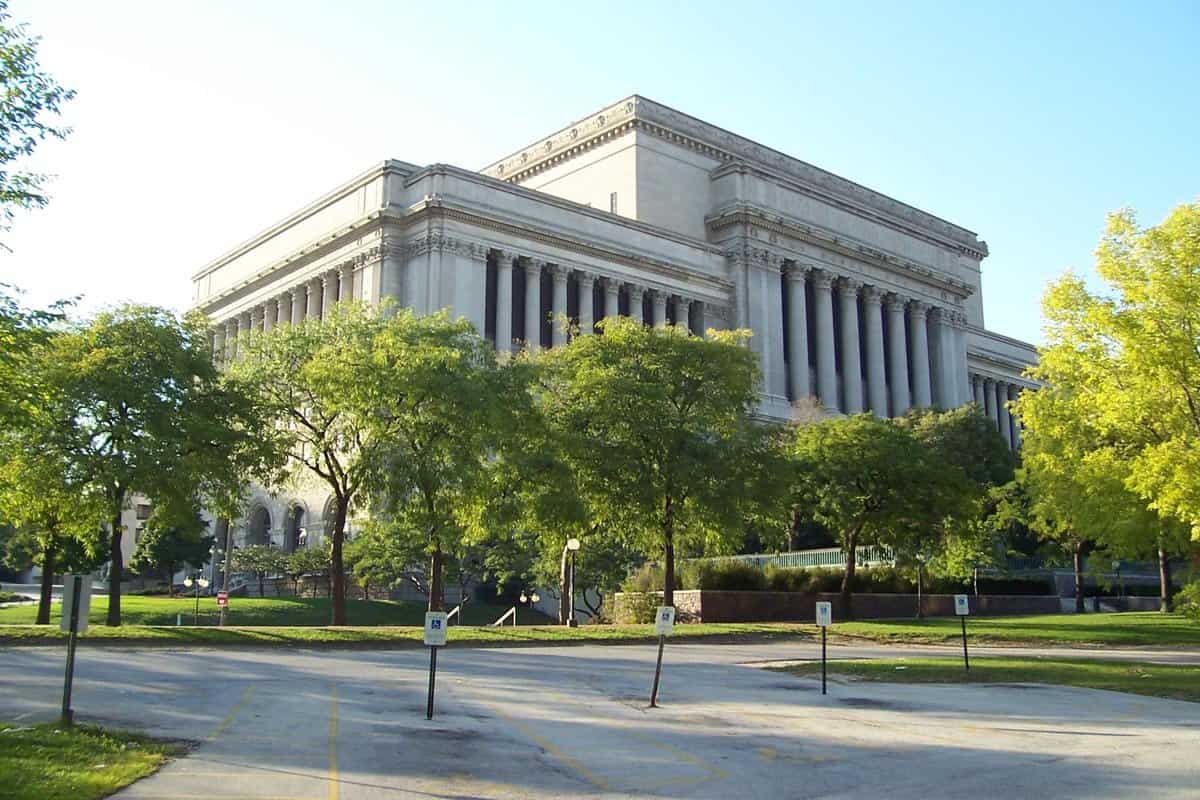
Guilty pleas, sanity contested
On Jan. 13, 1992, at Dahmer’s request, Boyle changed his plea to guilty on all 15 counts while keeping the insanity claim, which moved the case straight to a trial on his sanity. Boyle dropped his motions to suppress the apartment evidence and the confession. Judge Laurence C. Gram Jr. refused to move jury selection out of Milwaukee County.10
Jury selection began Jan. 27, and opening statements were given on Jan. 30. Boyle told the jury “this is not an evil man but a sick man.” He described Dahmer’s teenage fascination with animal bones and a planned attack on a jogger with a sawed-off baseball bat, and said Dahmer “ate body parts so that these poor people he killed would become alive again in him.” McCann answered: “please don’t let this murderous killer fool you.”11
There were 12 days of testimony, including from three men who had escaped from Dahmer. On Saturday, Feb. 15, 1992, the jury of seven men and five women deliberated for nearly five hours and found him sane on every count by a vote of 10 to 2. Wisconsin required 10 of 12 jurors to agree.12
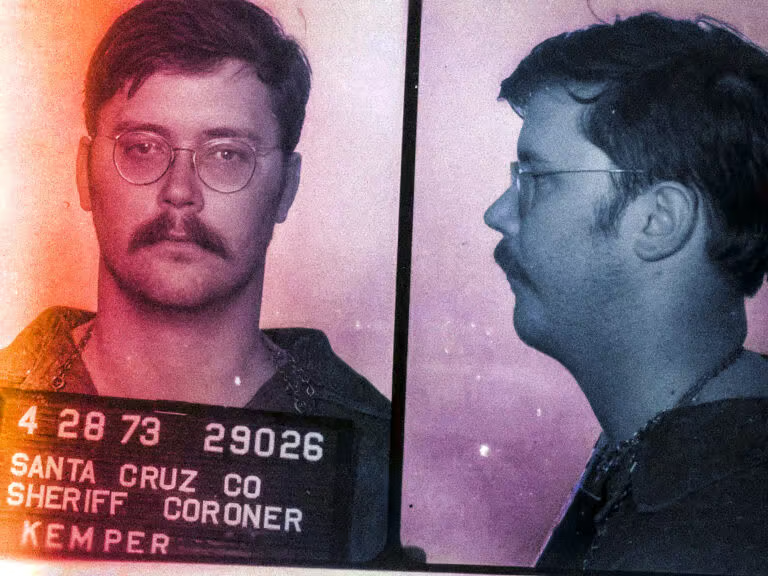
Other trials where a jury weighed the same question: another Wisconsin jury that rejected a mental-disease defence, Edmund Kemper’s rejected insanity defence and the Arthur Shawcross sanity trial.
What the experts said about his mental state
The mental-health experts who testified split 4 to 3. The two court-appointed experts said Dahmer was legally sane.12 Dr. Park Dietz, hired by the state, concluded he was not insane under Wisconsin law.15 The jury agreed with the experts who found him sane.12
The labels sometimes attached to Dahmer online, including borderline personality disorder, are not diagnoses reported from the trial in the sources reviewed for this file; the analysis in §14 treats them as interpretation. For how investigators sort offenders, see organized and disorganized offender labels.
Sentence: 15 life terms in Wisconsin and a 16th in Ohio
February and May 1992
15 consecutive life terms
Judge Gram sentenced Dahmer to 15 consecutive life terms, the maximum under Wisconsin law: mandatory life plus 10 years on each of the first two counts and consecutive life terms on the rest.13 The Los Angeles Times reported that he would not have been eligible for parole for 936 years.15
Dahmer told the court: “I tried and failed and created a holocaust. Thank God there will be no more harm that I can do.”13
For another 1992 serial-murder case, see Andrei Chikatilo, convicted the same year.
The 16th life term
On Friday, May 1, 1992, in Summit County Common Pleas Court in Akron, Dahmer, 31, pleaded guilty to the aggravated murder of Steven Hicks. Judge James Williams sentenced him to life without the possibility of parole, consecutive to the 15 Wisconsin terms. That was the maximum, since Ohio had no death penalty in 1978. The prosecutor was Lynn Slaby.13
Martha Hicks, Steven’s mother, told the court: “My son will be 18 forever.”13 She called Dahmer a “monster” and said, “if I could, I would [pull the switch] on this animal.”14
Death at Columbia Correctional Institution, November 28, 1994
The chapel attack, the work detail and the killer’s account
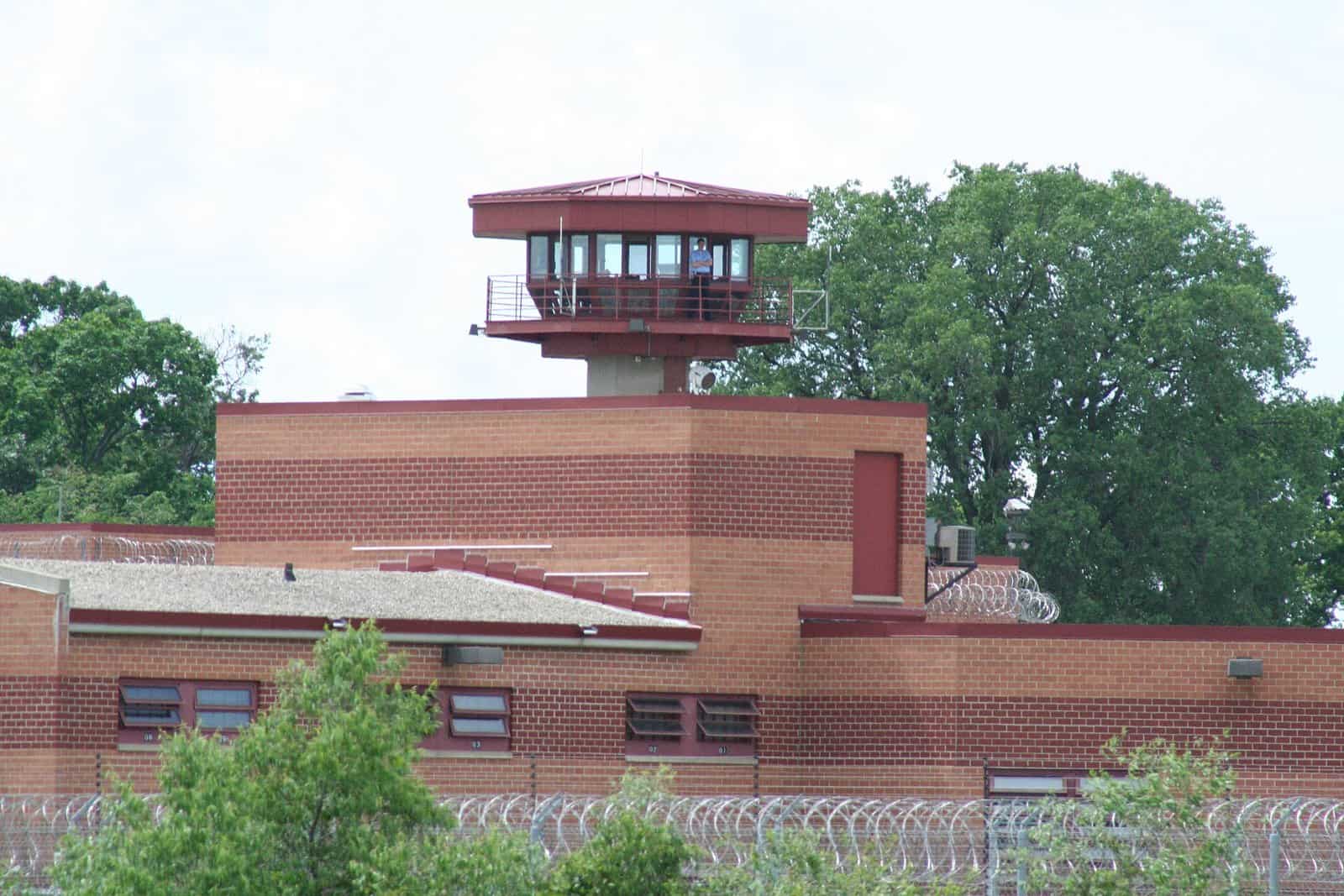
The first attack
Beaten to death on a work detail
At 7:50 a.m., Dahmer and another inmate, Jesse Anderson, were escorted to a janitorial work detail in the recreation area without direct guard supervision. Dahmer was found about 20 minutes later, still breathing, lying in a pool of blood. He died at 9:11 a.m. Central time on the way to Divine Savior Hospital, prison officials said. Corrections Secretary Michael Sullivan said he had been on janitorial duty for three weeks.16
A preliminary autopsy found multiple skull fractures and brain trauma. He was 34.17 Jesse Anderson, 37, serving life for murdering his wife, was also beaten and died on Nov. 30, 1994.1816
Officials found a bloody broom handle but would not confirm it was the weapon, and the sheriff’s department said it had not determined “what, if any, weapon was used.”17
Christopher Scarver
Christopher J. Scarver, then 25, was serving life for the 1992 murder of Steven J. Lohman, a Wisconsin Conservation Corps employee, and would not have been eligible for parole until 2042. In 1991 and 1992 psychiatric interviews he had called himself the “son of God” and the “chosen one,” AP reported.18
In 2015 Scarver gave his own account: he said he used a 20-inch metal bar from the weight room and struck Dahmer twice in the head and face in a staff locker room. He described Dahmer’s pranks and a “poke” in the back, and claimed guards deliberately left them alone. Those are his statements, not findings.1920
According to the same 2015 report, Scarver changed his plea to no contest in exchange for a transfer to a federal prison and received two more life terms.19 A federal court ruling in his own case says he arrived at the federal medical center in Springfield in May 1995.21
Infinity Land (2026): what Josef Benson’s book claims
A new book, its single source and what is still uncorroborated
The book and its source
Infinity Land: The Untold Story of Jeffrey Dahmer, by Josef Benson, an associate professor of literatures and languages at the University of Wisconsin-Parkside, was published by University Press of Mississippi in September 2026 (252 pages, 11 black-and-white illustrations).252728
According to the publisher, the book is based on Benson’s interviews with a woman identified only as “Meko,” who arrived in Milwaukee from Thailand as a 13-year-old refugee in 1988 and developed a friendship with Dahmer over three years, “along with Laotian victims Somsack and Konerak Sinthasomphone.”27 Publishers Weekly says she met Dahmer “as a teenager in 1989.”28
What the book claims
Benson’s publisher says the book presents “exclusive, never-before-revealed information” about how Dahmer chose victims, his daily life, a “personal fascination with Adolf Hitler” and his views on Milwaukee’s Black community, and about places he frequented, including the Milwaukee Rescue Mission and the Charles Allis Museum.2627
Benson claims, based on his interviews with Meko, that Dahmer had victims who were never reported, and the publisher’s description names one of them as the adult film performer Billy London. No police, prosecutor, court or news source found for this file links anyone of that name to Dahmer. The claim is uncorroborated. Dahmer confessed to 17 killings and was convicted of 16.27213
Benson also argues that Milwaukee’s segregation and its police relations let Dahmer “operate with near-total impunity,” and that “Dahmer’s crimes were American crimes.”28
What Publishers Weekly said
Reviewing the book on July 21, 2026, Publishers Weekly said it “promises more than it delivers,” that Benson “fails to convert his subject’s surprise into a significant statement,” and that he “sometimes parrots Dahmer’s own self-serving accounts.”28
Dahmer still draws imitators and obsessives. The site’s file on a Russian killer fixated on Dahmer is one example.
Aftermath: survivors, families and the Milwaukee police
What followed for the officers, the families and the man who escaped
Survivors, families and the Milwaukee police
Balcerzak and Gabrish were fired in September 1991 and Porubcan’s firing was stayed for a year, after a state investigation found the officers had committed no crimes.57 On Apr. 27, 1994, a judge ordered Balcerzak and Gabrish reinstated with back pay, and both returned to the department after a 60-day suspension. Balcerzak later became president of the Milwaukee Police Association.454647
The families spoke in court. In Akron, Martha Hicks called Dahmer a “monster.”14
Tracy Edwards, who escaped on July 22, 1991, testified at the 1992 trial.22 In January 2012 a Milwaukee County judge, Rebecca Dallet, sentenced him to a year and a half in prison and two years of extended supervision after he pleaded guilty to aiding a felon in connection with the July 2011 drowning of Johnny Jordan, who went into the Milwaukee River from a downtown bridge. He had been charged with first-degree recklessly endangering safety; that charge was reduced in a plea deal. He was also ordered to pay $2,520 in restitution to Jordan’s mother. A co-defendant, Timothy Carr, pleaded guilty to first-degree recklessly endangering safety and received four years. The criminal complaint accused Edwards of helping throw Jordan from the bridge; that was never proved, and prosecutors said they would have had trouble proving he helped lift Jordan. His only conviction in the case is aiding a felon.22
Inside Dahmer’s mind: the original analysis
Interpretation from the 2024 essay, with corrections
The original 2024 essay, kept and corrected
This is the psychological essay this page first published in 2024. It is interpretation, not record, and its sources are the books listed as notes 30 to 35. Errors have been fixed: the dictionary opener and an inaccurate charge line are gone, a sentence about his father now names Lionel Dahmer, and borderline personality disorder is no longer presented as a diagnosis.
Preliminary remarks
Dahmer. The name alone conjures images of unspeakable horror: a man whose crimes transcended the typical boundaries of human depravity. This isn’t for the faint of heart. We’re delving into the darkest recesses of the human psyche, dissecting not just the acts, but the compulsions that fueled them. Consider this your warning: what follows is a descent into the abyss, a glimpse into the mind of a man who turned his deepest desires into a macabre reality.
Dahmer’s genesis: beyond the banality of a “broken home”
Attributing Jeffrey’s crimes solely to a troubled upbringing is an insult to both the complexity of human behavior and the victims he so callously discarded. Yes, his childhood was far from idyllic, but let’s dispense with the “woe is me” narrative and dissect the actual precursors to his descent.
A. Family dynamics: a petri dish for dysfunction, not destiny
- A house divided: Jeffrey’s parents weren’t monsters; they were profoundly unhappy, their relationship a toxic cocktail of resentment and emotional distance.30 While this environment didn’t predestine Dahmer to become a killer, it likely normalized conflict, fostered emotional detachment, and stunted his ability to form healthy relationships.
- The mother’s shadow: His father, Lionel Dahmer, was largely absent, consumed by his academic pursuits. This left Joyce Dahmer, prone to theatrics and mental health struggles, as the primary influence. While her struggles don’t excuse Jeffrey’s actions, they likely contributed to his distorted perception of intimacy and the role of women in relationships.
- Death as a childhood companion: Dahmer’s fascination with death wasn’t just morbid curiosity; it was a coping mechanism. Roadkill, dissected animals, a collection of bones: these weren’t just “boyish” hobbies; they were a way to control and dissect something he couldn’t understand: his own burgeoning emotions.31
B. The budding predator: social isolation and the rise of fantasy
Jeffrey Lionel Dahmer wasn’t born a monster, he was forged in the crucible of social isolation and fuelled by increasingly disturbing fantasies.
- The awkward outcast: Jeffrey wasn’t a loner by choice; he was ostracized, his social awkwardness and burgeoning alcoholism making him a target for ridicule. This isolation, coupled with his internal struggles, further fueled his retreat into fantasy: a world where he could exert control and escape the pain of rejection.
- Homosexuality and the shame spiral: Dahmer’s emerging homosexuality, in the less-than-tolerant climate of the 1970s, added another layer of shame. Unable to reconcile his desires with societal expectations, he further retreated into a world where fantasies could be acted out without judgment: at least in his own mind.
- The blurring of reality: Jeffrey’s fantasy world became increasingly intertwined with his waking life. What began as morbid curiosity transformed into a compulsion to control, possess, and ultimately, consume: a dangerous blurring of the lines between thought and action.
From fantasy to reality: Dahmer’s modus operandi
Dahmer’s crimes weren’t impulsive outbursts; they were meticulously planned, reflecting a chillingly methodical approach to satisfying his increasingly twisted desires.
A. The prey: seeking vulnerability and the illusion of connection
- Targeting the marginalized: His victims weren’t random. He primarily targeted young men, often of racial minorities, who were perceived as vulnerable or transient. This selection process speaks to a desire to exert power over those he deemed powerless, to create a captive audience for his twisted fantasies.32
- The promise of companionship: Jeffrey understood loneliness. He used it to his advantage, luring victims with offers of money, beer, or simply the promise of companionship. This exploitation of basic human needs (connection, belonging) was key to gaining access to his victims.
B. The ritual of control: drugs, domination, and the quest for permanence
- Drugging and subduing: Dahmer wasn’t a physically imposing man. He relied on drugging his victims, rendering them unconscious and vulnerable to his will. This act of rendering them helpless was a crucial part of his ritual, asserting his dominance and control over their fate.
- The act of killing, a perverted expression of desire: Dahmer’s killings weren’t simply about eliminating witnesses; they were an integral part of his fantasy. Strangulation, his preferred method, allowed him to prolong the experience, to savor the power he held over life and death.
- Postmortem acts, a desperate attempt at possession: Dahmer’s necrophilia and cannibalism weren’t just shocking acts; they were a desperate, and ultimately futile, attempt to create a permanent connection with his victims. By consuming them, he sought to make them a part of him, to quell the loneliness and emptiness that consumed him.33
Dahmer’s psyche: a psychological minefield
Dahmer wasn’t “insane” in the legal sense. He was, however, profoundly disturbed.
The labels below are this post’s 2024 interpretation of his behavior. They are not diagnoses reported from the 1992 trial, where the experts split 4 to 3 and the jury found him legally sane (§09).
- A. Borderline personality disorder, as an interpretation: His intense fear of abandonment, his unstable relationships, and his impulsive behaviors could be read as consistent with BPD.34 On this reading, it may have played a role in his desperate attempts to prevent his victims from leaving, even if it meant taking their lives.
- B. Schizotypal personality disorder, eccentricity on the brink of delusion: Dahmer’s fascination with the occult, his bizarre fantasies, and his increasingly detached behavior suggest schizotypal traits. This disorder, often characterized by a distorted perception of reality, likely contributed to his blurring of fantasy and reality, fueling his horrific acts.
- C. Sexual sadism disorder, the twisted intersection of pleasure and pain: His crimes weren’t just about sex; they were about the power dynamics of inflicting pain and control. His sexual sadism, intertwined with his necrophilia, reveals a deeply disturbed psyche, one that found gratification in the suffering of others.
Missed opportunities: the system’s failures and our collective blind spot
Dahmer wasn’t some criminal mastermind; he was a deeply troubled individual who exploited societal blind spots and benefited from a series of missed opportunities.
A. Ignoring the obvious: from animal cruelty to runaway victims
- The boy who dissected animals: His disturbing childhood behaviors (the animal dissections, the morbid fascination with death) weren’t just “phases.” They were red flags, screaming for intervention, that were tragically ignored.
- The escaped victim: Konerak Sinthasomphone, a 14-year-old boy, managed to escape Dahmer’s apartment, naked and disoriented. Police, swayed by his lies and their own biases, returned the boy to his abuser, missing a critical opportunity to stop the carnage.35 The record of that night is in §05.
B. The “not in my backyard” syndrome: apathy as an accomplice
- Dahmer’s neighbors: Complaints about foul odors, strange sounds, and Dahmer’s erratic behavior were largely ignored. Apathy, a reluctance to get involved, and a “not in my backyard” mentality allowed Dahmer to operate with impunity for far too long.
Dahmer’s legacy: a grim reminder and a call to action
Jeffrey Lionel’s crimes weren’t just a horrific anomaly; they were a symptom of larger societal failings.
- Early intervention is paramount: We cannot afford to dismiss early warning signs of troubled behavior. Animal cruelty, social isolation, and morbid fascinations must be taken seriously and addressed with appropriate intervention.
- Challenging our biases: Dahmer’s victims were often marginalized and overlooked. We must confront our own biases and recognize that vulnerability can take many forms, and no one deserves to be ignored or dismissed.
- The ongoing quest for understanding: Dahmer’s case, while horrifying, provides invaluable insights into the complexities of human behavior. We must continue to study and learn from such cases, not to glorify the perpetrators, but to better understand and prevent future tragedies.
Concluding observations
Jeffrey’s crimes weren’t just about murder and cannibalism; they were a manifestation of deep-seated psychological disturbance, societal apathy, and a series of tragic failures. His case remains a stark reminder that monsters aren’t born; they’re created, and it’s our collective responsibility to recognize the warning signs, to challenge our biases, and to intervene before fantasy becomes a horrifying reality..
Jeffrey’s story is a chilling testament to the fact that evil does not emerge from a vacuum. It is often nurtured in an environment of neglect, indifference, and ignorance. His actions were undoubtedly monstrous, but they were also symptomatic of larger societal issues that we must confront if we are to prevent such atrocities from recurring.
Post-mortem: This analysis, while extensive, barely scratches the surface of Dahmer’s twisted psyche. It’s not meant to be a complete picture; it’s a starting point: a challenge to delve deeper, to confront the uncomfortable truths, and to commit ourselves to understanding the darkness, not to celebrate it, but to prevent it. Because out there, right now, another Dahmer is taking shape. And it’s our job to stop him before he claims his first victim.
Court-exhibit wall: the record in its own words
Complaints, testimony and statements, transcribed
“He dismembered him and placed the man’s head in the bottom of the refrigerator in a box and kept the man’s heart in the freezer to eat later.”
Dahmer “gave him a drink with a sleeping potion in it and strangled him manually and then took photos of him and dismembered him and then took more photos and kept the man’s head in the freezer and the body in the 57-gallon drum.”
Dahmer “killed Sinthasomphone by strangling him and then had oral sex with him and then he took more photographs and dismembered the body and kept the skull.”
“He dismembered him and smashed the bones with a sledgehammer and disposed of them… He did not keep any portion of this individual.”
The officers failed to take “an obviously incapacitated child” into custody.
“the only time I did was a bicep… it was big and I wanted to try it.” “He said it tasted like beef.”
“He told me that he was going to kill me and eat my heart out.”
“I tried and failed and created a holocaust. Thank God there will be no more harm that I can do.”
Jeffrey Dahmer timeline: 1978 to 1994, and after
Dated entries from the record
Move to Bath Township
The family buys a home on West Bath Road, Bath Township, Ohio.36
The first killing
Steven Hicks, 18, killed at the family home in Bath Township, Ohio, by Dahmer’s account.13
U.S. Army
Combat medic in Baumholder, West Germany; honorably discharged over his drinking.39
Two killings in 1988
James Doxtator, 14, and Richard Guerrero, 23.3
A killing at the grandmother’s house
Anthony Sears, 24, killed in West Allis.2
First charges
Four homicide counts before Judge Frank Crivello.1
Ten victims identified
Medical examiner: three identified mainly by fingerprints, seven by dental records.41
FBI laboratory support
The FBI runs DNA, chemical, biological, tool mark, photographic and computer examinations and checks Ohio, Florida and Germany for links.40
15 counts
Charges reach 15, with habitual-criminality enhancers.3
Two officers fired
Balcerzak and Gabrish fired; Porubcan’s firing stayed.5
Ohio indictment
Summit County grand jury indicts Dahmer for the Hicks killing.4
Guilty pleas
Guilty on all 15 counts, insanity contested.10
Found sane
Jury finds him sane on every count, 10 to 2.12
15 life terms
Consecutive life terms, the Wisconsin maximum.13
16th life term
Guilty plea in Akron to the aggravated murder of Steven Hicks.13
Building bought
The Campus Circle Project agrees to buy the Oxford Apartments for $350,000 to raze it.42
Chapel attack
An inmate tries to cut his throat; scratches only.16
Edwards sentenced
Pleads guilty to aiding a felon; 1.5 years in prison.22
What is established and what is not
Each claim, with its status in the record
| Claim | Status | Basis |
|---|---|---|
| Dahmer confessed to 17 killings and was convicted of 16 | ESTABLISHED | UPI, 1991 to 19922313 |
| Steven Tuomi’s killing was never charged | ESTABLISHED | UPI, Aug. 19913 |
| The jury found him sane, 10 to 2, on every count | ESTABLISHED | UPI, Feb. 15, 199212 |
| Cause of death: multiple skull fractures and brain trauma | ESTABLISHED | Preliminary autopsy, UPI17 |
| The weapon was a broom handle | UNCONFIRMED | Found at the scene; officials would not confirm it17 |
| The weapon was a 20-inch metal bar | SCARVER’S ACCOUNT | His 2015 statements1920 |
| Scarver pleaded no contest | 2015 REPORT ONLY | New York Post, 2015; no 1995 article found19 |
| The July 1994 chapel weapon | CONFLICTING | Razor blade (LA Times) or sharpened toothbrush (UPI)1516 |
| Matt Turner’s age | CONFLICTING | 21 or 20 in UPI reports12 |
| Tracy Edwards threw Johnny Jordan from a bridge | ALLEGATION | Not proved; convicted only of aiding a felon22 |
| Unreported victims named in Infinity Land | UNCORROBORATED | Benson’s claim; no police, court or news source27 |
| Dahmer had borderline personality disorder | NOT A FINDING | Not a reported trial diagnosis; interpretation only |
| Two fired officers were reinstated in 1994 | ESTABLISHED | Court order Apr. 27, 1994; 60-day suspension4546 |
| The 1988 victim was Somsack Sinthasomphone | ESTABLISHED | Lionel Dahmer’s 1994 memoir; 1992 federal suit4950 |
| Dahmer was born in Milwaukee on May 21, 1960 | ESTABLISHED | Akron Beacon Journal; Britannica3637 |
| The day demolition began, Nov. 16 or 17, 1992 | CONFLICTING | Wire and newspaper captions differ44 |
Jeffrey Dahmer FAQ
Short answers from the record
How many people did Jeffrey Dahmer kill?
How did Jeffrey Dahmer get caught?
Did Jeffrey Dahmer plead insanity?
What disorder did Jeffrey Dahmer have?
The experts at his trial split 4 to 3 on his sanity, and the two court-appointed experts said he was legally sane. The specific diagnoses are not in the sources reviewed for this file, and labels such as borderline personality disorder are interpretations, not trial findings.12
How did Jeffrey Dahmer die?
Why didn’t Jeffrey Dahmer get the death penalty?
His 15 consecutive life terms were the maximum under Wisconsin law. In Ohio, life without parole was the maximum because Ohio had no death penalty in 1978, when Hicks was killed.13
Sources
Wire, newspaper, court and publisher records
UPI, July 25, 1991: complaint, “Man killed victims, saved heart to eat”
Lacy, Weinberger, Turner, Bradehoft counts; 1988 case
Notes 1
Open source ↗UPI, Aug. 6, 1991: “Dahmer charged with dozen killings”
Victims, ages, dates; skulls and heads; Konerak complaint
Notes 2
Open source ↗UPI, Aug. 22, 1991: “Dahmer facing three additional charges”
Doxtator, Guerrero, Eddie Smith; 15 counts; Tuomi
Notes 3
Open source ↗UPI, Sept. 24, 1991: “Dahmer indicted in boyhood home”
Ohio indictment; Hicks remains
Notes 4
Open source ↗UPI, Sept. 6, 1991: “Two cops fired for returning naked boy to Dahmer”
Officers, Glenda Cleveland, firings
Notes 5
Open source ↗Los Angeles Times, July 24, 1991
Apartment findings; hazmat; neighbors
Notes 6
Open source ↗Los Angeles Times, Sept. 7, 1991
Konerak “naked and bleeding”; firings; state investigation
Notes 7
Open source ↗The Seattle Times, Aug. 2, 1991
Tracy Edwards’ account of the escape
Notes 8
Open source ↗UPI, July 25, 1991: “Survivor says he felt he was confronting Satan”
Edwards’ escape and age
Notes 9
Open source ↗UPI, Jan. 13, 1992: “Dahmer changes plea to guilty”
Plea change; Judge Gram
Notes 10
Open source ↗UPI, Jan. 30, 1992: opening statements
Boyle, McCann, Detective Murphy
Notes 11
Open source ↗UPI, Feb. 15, 1992: “Jury finds Dahmer sane”
Verdict, vote, experts
Notes 12
Open source ↗UPI, May 1, 1992: the Ohio life sentence
Ohio plea; Wisconsin sentence; statements
Notes 13
Open source ↗The Washington Post, May 2, 1992
Martha Hicks’ statements
Notes 14
Open source ↗Los Angeles Times, Nov. 29, 1994
Death; Dietz; 936 years; Dateline quote
Notes 15
Open source ↗UPI, Nov. 28, 1994: “Dahmer killed in prison”
Work detail; time of death; chapel attack
Notes 16
Open source ↗UPI, Nov. 29, 1994: autopsy
Cause of death; broom handle unconfirmed
Notes 17
Open source ↗AP via Deseret News, Nov. 30, 1994
Scarver; Anderson
Notes 18
Open source ↗New York Post, April 28, 2015
Scarver’s account; no-contest plea
Notes 19
Open source ↗ABC7 New York, 2015
Scarver’s account
Notes 20
Open source ↗U.S. District Court, W.D. Wis., Scarver ruling
Springfield arrival, May 1995
Notes 21
Open source ↗AP via Wisconsin Law Journal, Jan. 23, 2012
Edwards’ 2012 plea and sentence; trial testimony
Notes 22
Open source ↗Biography.com, Jeffrey Dahmer timeline
1988 charges and 1989 sentence; address
Notes 23
Open source ↗NextShark, on the 1988 and 1991 cases
Naming of the 1988 victim
Notes 24
Open source ↗University Press of Mississippi, Infinity Land
Book details
Notes 25
Open source ↗Project MUSE, Infinity Land
Book description and claims
Notes 26
Open source ↗UBC Press, Infinity Land (distributor)
Publisher description; Benson bio
Notes 27
Open source ↗Publishers Weekly, July 21, 2026
Review of Infinity Land
Notes 28
Open source ↗Akron Beacon Journal, Dec. 5, 2023
Birth date; family; Bath Township; divorce
Notes 36
Open source ↗Britannica, Jeffrey Dahmer
Birthplace: Milwaukee
Notes 37
Open source ↗The Lantern (Ohio State), Oct. 2022
Ohio State, fall 1978
Notes 38
Open source ↗Military.com, Sept. 27, 2022
Army service and discharge
Notes 39
Open source ↗FBI.gov, “Serial Killers, Part 7: Jeffrey Dahmer,” Aug. 8, 2014
FBI laboratory and identification support
Notes 40
Open source ↗UPI, July 26, 1991: victims identified
Medical examiner on fingerprint and dental identifications
Notes 41
Open source ↗UPI, Aug. 13, 1992: building to be razed
Campus Circle Project purchase
Notes 42
Open source ↗UPI, Nov. 14, 1992: building to be razed
Last tenants out; demolition that week
Notes 43
Open source ↗Deseret News, Nov. 17, 1992 (wire photo caption)
Demolition begins
Notes 44
Open source ↗UPI, Apr. 27, 1994: officers to get jobs back
Reinstatement order
Notes 45
Open source ↗Wisconsin Court of Appeals, 2000 WI App 50 (No. 98-2889)
60-day suspension; reinstatement
Notes 46
Open source ↗Police1, March 6, 2006
Balcerzak as union president
Notes 47
Open source ↗The New York Times, Apr. 28, 1994 (summary)
Back pay; Parins quote
Notes 48
Open source ↗Lionel Dahmer, A Father’s Story (William Morrow, 1994)
Names the 1988 victim
Notes 49
Open source ↗Federal civil rights suit against the City of Milwaukee, 785 F. Supp. 1343 (E.D. Wis. 1992)
Estate of Sinthasomphone v. City of Milwaukee; plaintiffs include minor sibling Somsack
Notes 50
Open source ↗Masters, B. (1993). The Shrine of Jeffrey Dahmer. Hodder & Stoughton.
Original 2024 analysis, note [1]
Notes 30
FBI Law Enforcement Bulletin (1992). “Serial Murder: Multi-Disciplinary Perspectives for Investigators.” Vol. 61, No. 2.
Original 2024 analysis, note [2]
Notes 31
Holmes, R. M., & Holmes, S. T. (2009). Profiling Violent Crimes: An Investigative Tool. Sage Publications.
Original 2024 analysis, note [3]
Notes 32
Schwartz, A. (1992). The Man Who Could Not Kill Enough: The Secret Murders of Milwaukee’s Jeffrey Dahmer. Citadel Press.
Original 2024 analysis, note [4]
Notes 33
American Psychiatric Association (2013). Diagnostic and Statistical Manual of Mental Disorders (5th ed.). American Psychiatric Publishing.
Original 2024 analysis, note [5]
Notes 34
Davis, D. (1991). The Jeffrey Dahmer Story: An American Nightmare. St. Martin’s Paperbacks.
Original 2024 analysis, note [6]
Notes 35
Numbered notes
- UPI, July 25, 1991: complaint, “Man killed victims, saved heart to eat” www.upi.com
- UPI, Aug. 6, 1991: “Dahmer charged with dozen killings” www.upi.com
- UPI, Aug. 22, 1991: “Dahmer facing three additional charges” www.upi.com
- UPI, Sept. 24, 1991: “Dahmer indicted in boyhood home” www.upi.com
- UPI, Sept. 6, 1991: “Two cops fired for returning naked boy to Dahmer” www.upi.com
- Los Angeles Times, July 24, 1991 www.latimes.com
- Los Angeles Times, Sept. 7, 1991 www.latimes.com
- The Seattle Times, Aug. 2, 1991 archive.seattletimes.com
- UPI, July 25, 1991: “Survivor says he felt he was confronting Satan” www.upi.com
- UPI, Jan. 13, 1992: “Dahmer changes plea to guilty” www.upi.com
- UPI, Jan. 30, 1992: opening statements www.upi.com
- UPI, Feb. 15, 1992: “Jury finds Dahmer sane” www.upi.com
- UPI, May 1, 1992: the Ohio life sentence www.upi.com
- The Washington Post, May 2, 1992 www.washingtonpost.com
- Los Angeles Times, Nov. 29, 1994 www.latimes.com
- UPI, Nov. 28, 1994: “Dahmer killed in prison” www.upi.com
- UPI, Nov. 29, 1994: autopsy www.upi.com
- AP via Deseret News, Nov. 30, 1994 www.deseret.com
- New York Post, April 28, 2015 nypost.com
- ABC7 New York, 2015 abc7ny.com
- U.S. District Court, W.D. Wis., Scarver ruling www.wiwd.uscourts.gov
- AP via Wisconsin Law Journal, Jan. 23, 2012 wislawjournal.com
- Biography.com, Jeffrey Dahmer timeline www.biography.com
- NextShark, on the 1988 and 1991 cases nextshark.com
- University Press of Mississippi, Infinity Land www.upress.state.ms.us
- Project MUSE, Infinity Land muse.jhu.edu
- UBC Press, Infinity Land (distributor) www.ubcpress.ca
- Publishers Weekly, July 21, 2026 www.publishersweekly.com
- Akron Beacon Journal, Dec. 5, 2023 www.beaconjournal.com
- Britannica, Jeffrey Dahmer www.britannica.com
- The Lantern (Ohio State), Oct. 2022 www.thelantern.com
- Military.com, Sept. 27, 2022 www.military.com
- FBI.gov, “Serial Killers, Part 7: Jeffrey Dahmer,” Aug. 8, 2014 www.fbi.gov
- UPI, July 26, 1991: victims identified www.upi.com
- UPI, Aug. 13, 1992: building to be razed www.upi.com
- UPI, Nov. 14, 1992: building to be razed www.upi.com
- Deseret News, Nov. 17, 1992 (wire photo caption) www.deseret.com
- UPI, Apr. 27, 1994: officers to get jobs back www.upi.com
- Wisconsin Court of Appeals, 2000 WI App 50 (No. 98-2889) www.wicourts.gov
- Police1, March 6, 2006 www.police1.com
- The New York Times, Apr. 28, 1994 (summary) www.nytimes.com
- Lionel Dahmer, A Father’s Story (William Morrow, 1994) www.goodreads.com
- Federal civil rights suit against the City of Milwaukee, 785 F. Supp. 1343 (E.D. Wis. 1992) hallapproved.com
- Masters, B. (1993). The Shrine of Jeffrey Dahmer. Hodder & Stoughton.
- FBI Law Enforcement Bulletin (1992). “Serial Murder: Multi-Disciplinary Perspectives for Investigators.” Vol. 61, No. 2.
- Holmes, R. M., & Holmes, S. T. (2009). Profiling Violent Crimes: An Investigative Tool. Sage Publications.
- Schwartz, A. (1992). The Man Who Could Not Kill Enough: The Secret Murders of Milwaukee’s Jeffrey Dahmer. Citadel Press.
- American Psychiatric Association (2013). Diagnostic and Statistical Manual of Mental Disorders (5th ed.). American Psychiatric Publishing.
- Davis, D. (1991). The Jeffrey Dahmer Story: An American Nightmare. St. Martin’s Paperbacks.
Browse every case in the Case File Index
Discover more from The Dark Side of Humanity
Subscribe to get the latest posts sent to your email.