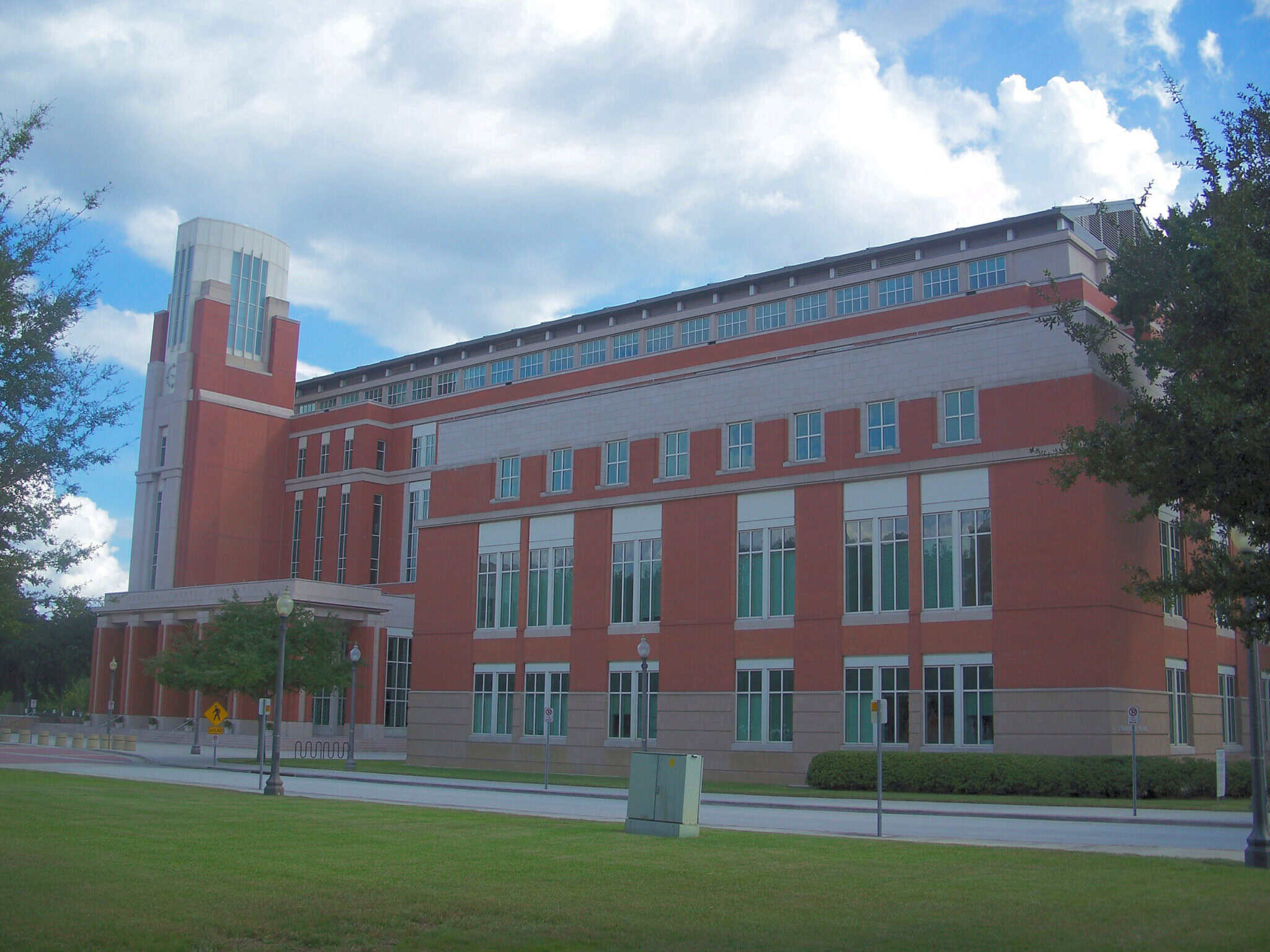
FILE NO. 0124Case status Convicted
Edmund Kemper Murders
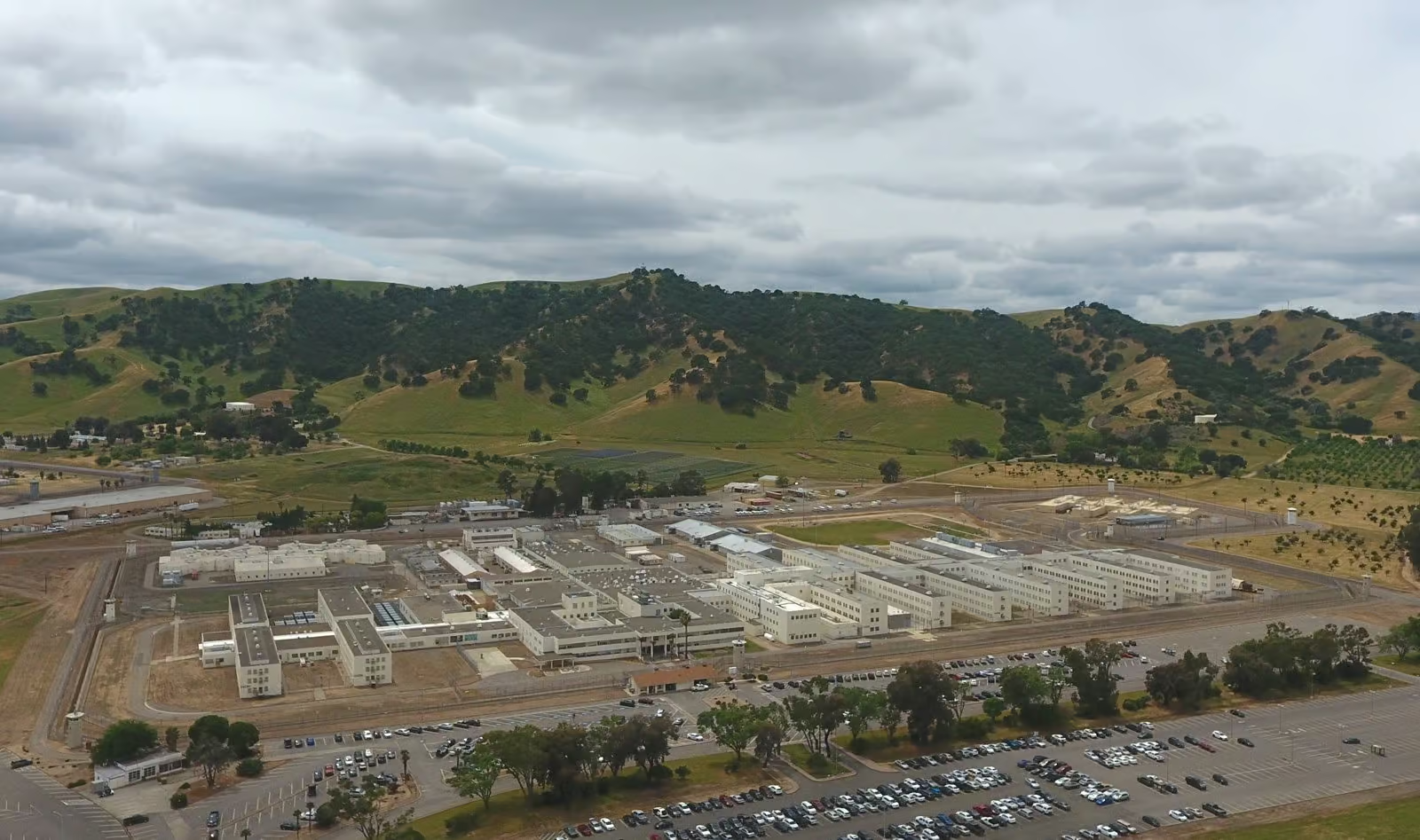
Victims, crime scenes, evidence, confession, conviction and parole status in the definitive Edmund Kemper case dossier.
North Fork · Santa Cruz County · Aptos · Pueblo · Vacaville
Last fact-checked: October 2026
Scope.
Edmund Emil Kemper III has ten known homicide victims: his paternal grandparents in 1964 and eight adult-series victims in 1972–1973. This evidence-led dossier separates the juvenile record from the Santa Cruz murders, names the victims, distinguishes physical corroboration from confession-dependent material, and tracks the trial, conviction and current parole status.
Who Was Edmund Kemper?
Edmund Emil Kemper III is an American serial murderer convicted of eight first-degree murders committed in California in 1972 and 1973. He had previously killed his paternal grandparents in 1964 when he was fifteen, bringing his known homicide total to ten. His adult victims included six young women and girls, his mother Clarnell Strandberg, and her friend Sara “Sally” Hallett. Kemper surrendered after telephoning authorities from Colorado in April 1973. A jury rejected his insanity defence and convicted him on eight murder counts in November 1973.
- Known victims
- 10
- Adult convictions
- 8 first-degree murders
- Adult series
- May 1972–April 1973
- Primary geography
- Santa Cruz County
- Arrest
- Pueblo, Colorado
- 2024 parole
- Denied 7 years
- Custody
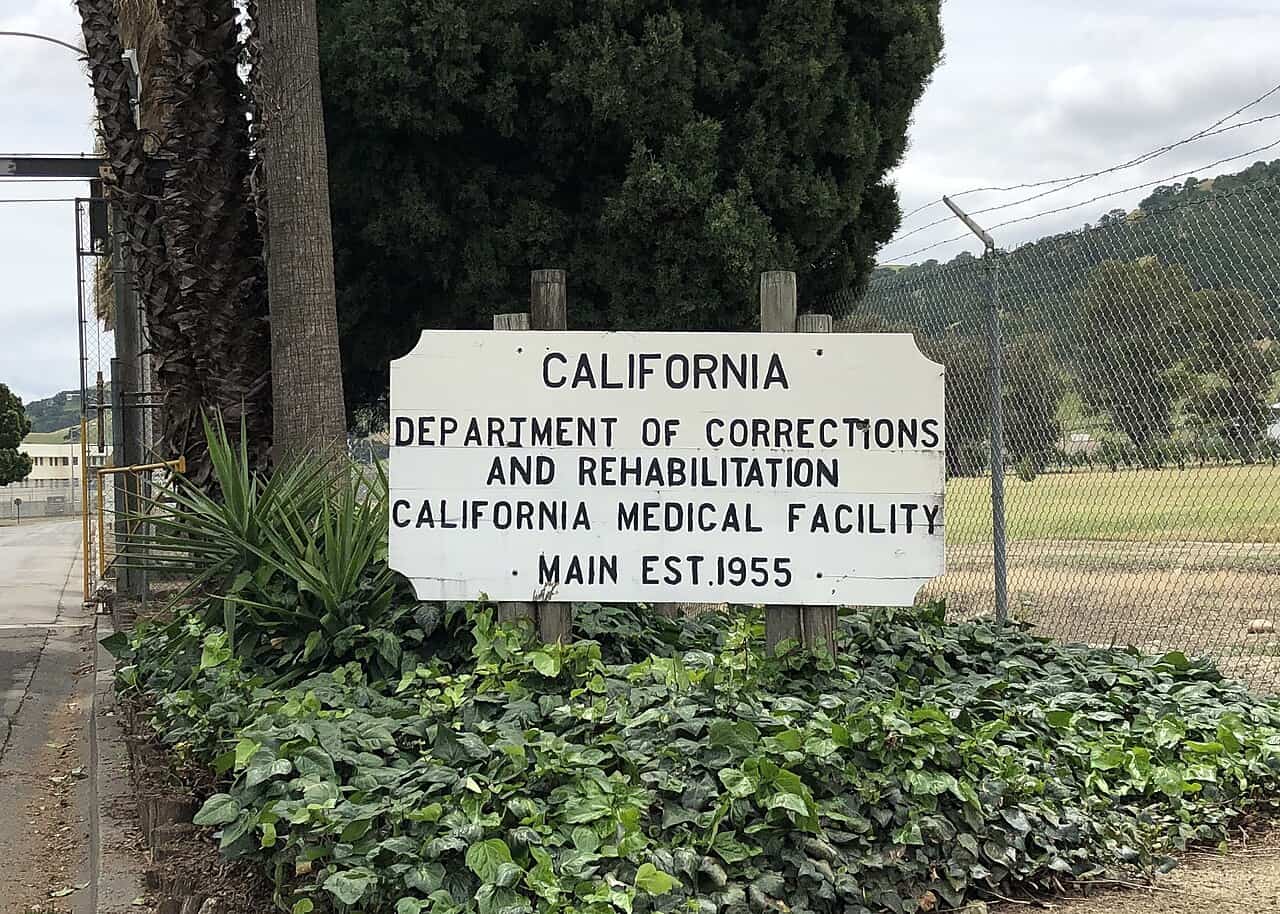
- CMF Vacaville
- Evidence model
- Physical + confession
Edmund Emil Kemper III is an American serial murderer responsible for ten known homicides in California. In 1964, he killed his paternal grandparents as a juvenile. Between 1972 and 1973, he murdered six young women, his mother, and her friend across Santa Cruz County.
Kemper surrendered by telephoning authorities from Colorado in April 1973. A jury rejected his insanity defense, convicting him of eight counts of first-degree murder in November 1973. He received life imprisonment, and California’s Board of Parole Hearings most recently denied him parole for seven years in July 2024.
Forensic-content notice. This page discusses fatal gunshot, sharp-force and blunt-force injury; strangulation; sexual violence; decapitation; dismemberment; postmortem mutilation; decomposition and fragmented recovery. No corpse photographs are displayed. Graphic detail is included only where it explains evidence, scene sequence or investigative significance.
Quick Answers About Edmund Kemper
Short answers for readers who need the case basics before the detailed evidence record.
How many people did Edmund Kemper kill?
Edmund Kemper has ten known homicide victims. He killed his paternal grandparents in 1964 as a juvenile and was later convicted of eight first-degree murders committed between 1972 and 1973.
How was Edmund Kemper caught?
Kemper was not captured through a conventional manhunt. After killing his mother and her friend in April 1973, he drove east and telephoned Santa Cruz authorities from Pueblo, Colorado, confessed, supplied case details and waited for police.
Was Edmund Kemper convicted?
Yes. On November 8, 1973, a jury rejected Kemper’s insanity defence and convicted him of eight counts of first-degree murder.
Is Edmund Kemper still in prison?
Yes. He is serving life imprisonment and is held at California Medical Facility in Vacaville. California’s Board of Parole Hearings denied Edmund Kemper parole for seven years at his July 9, 2024 suitability hearing; his next parole hearing is due in 2031.
Edmund Kemper’s Victims
Edmund Kemper’s 10 known homicide victims span two separate legal records: the 1964 killings of his paternal grandparents and eight murders committed between 1972 and 1973.
Victim portraits on the public record
Five archival portraits, each identified and credited. The other five victims are listed by name only; no authenticated open-licence portrait was located and none is invented.
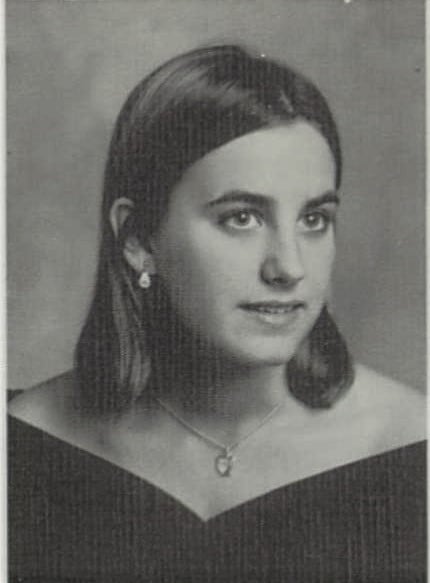
Author: Unknown (yearbook) · Licence: Public domain (Commons tag) · Wikimedia Commons, File:Mary_
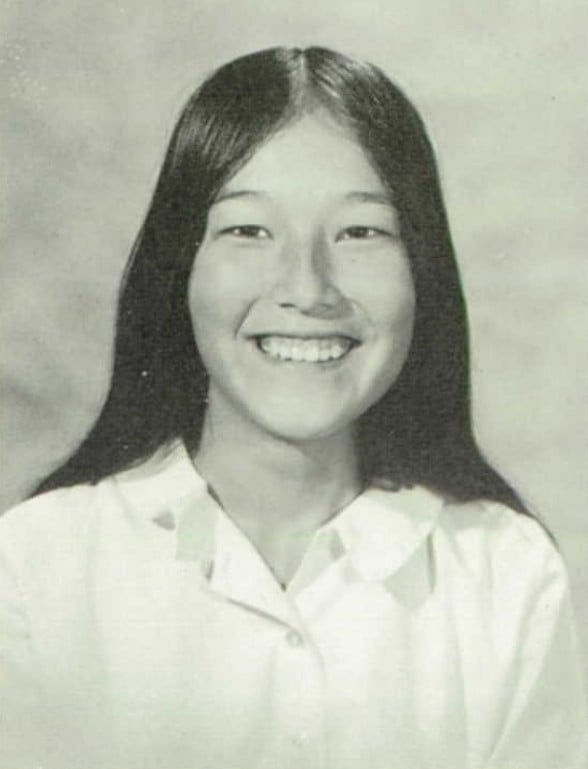
Author: Unknown (yearbook) · Licence: Public domain (Commons tag) · Wikimedia Commons, File:Aiko_

image record
Author: Unknown author (Adolfo Camarillo High School yearbook) · Licence: Public domain (Commons tag) · Wikimedia Commons, File:Cynthia_

Author: Unknown author (university ID) · Licence: Public domain (Commons tag) · Wikimedia Commons, File:Rosalind_

image record
Author: Anonymous photographer; scan by Hamzacetins · Licence: CC BY-SA 4.0 (
Maude Matilda Kemper
Age 66 · August 27, 1964 · North Fork, California
Kemper’s paternal grandmother. She and her husband were killed at their ranch when Kemper was fifteen. Her death belongs to the juvenile commitment record, not the eight-count 1973 prosecution.
Edmund Emil Kemper Sr.
Age 72 · August 27, 1964 · North Fork, California
Kemper’s paternal grandfather. He was killed after returning to the ranch. Kemper contacted authorities after the two deaths.
Mary Ann Pesce
Age 18 · May 7, 1972 · Santa Cruz County
A Fresno State student travelling with Anita Luchessa. The pair accepted a ride and disappeared. Pesce’s remains were partially recovered; the scene history spans a vehicle, an apartment and mountain disposal sites.
Anita Mary Luchessa
Age 18 · May 7, 1972 · Santa Cruz County
A Fresno State student travelling with Mary Ann Pesce. Kemper was convicted of her murder, but her remains have not been recovered. That unresolved recovery gap must not be mistaken for uncertainty about the conviction.
Aiko Koo
Age 15 · September 14, 1972 · Santa Cruz County
A high-school student travelling to dance class. She was the youngest victim in the adult series. Later scene reconstructions rely heavily on Kemper’s confession.
Cynthia Ann “Cindy” Schall
Age 18 · January 1973 · Santa Cruz County coast / Aptos
A young hitchhiker whose remains were recovered in separate coastal locations. Contemporary KPIX footage documented the identification and fragmented recovery.
Rosalind Heather Thorpe
Age 23 · February 5, 1973 · UC Santa Cruz / Santa Cruz County
A UC Santa Cruz student who accepted a ride with Alice Liu. Both were shot inside the vehicle and later dismembered; several details are confession-dependent.
Alice Helen Liu
Age 20 · February 5, 1973 · UC Santa Cruz / Santa Cruz County
A UC Santa Cruz student and Rosalind Thorpe’s companion. Some secondary sources incorrectly call her “Allison”; contemporary identification records use Alice Helen Liu.
Clarnell Elizabeth Strandberg
Age 52 · April 1973 · Ord Street, Aptos
Kemper’s mother. She was attacked while asleep in her apartment. Her body and that of her friend were discovered after Kemper’s telephone confession.
Sara Taylor “Sally” Hallett
Age 59 · April 1973 · Ord Street, Aptos
A friend of Clarnell Strandberg. Kemper invited her to the apartment after killing Strandberg, strangled her and concealed her body in a closet. No authenticated open-license portrait was located for this edition.
Editorial rule. A missing portrait is not replaced by an invented face. Image captions identify the archive and licensing route. Republishers should verify the individual Commons file page before commercial reuse.
Edmund Kemper: Subject File
The offender record is presented as procedural documentation, not personality branding.
Record Split
1964:
two juvenile homicides followed by psychiatric commitment.
1972–1973:
eight adult murders prosecuted in Santa Cruz County.
Critical distinction:
the common “ten victims” total combines two legal records. It does not mean there were ten counts in the 1973 case.
Kemper’s Institutional History
Commitment, release and supervision failures are context, not excuses.
Atascadero, 1964–1969
Kemper entered a secure psychiatric institution after killing his grandparents. Later popular narratives claim he learned to manipulate testing and memorized preferred answers. Those claims derive largely from retrospective accounts and should not replace the actual clinical file.
The defensible institutional question is narrower: what risk information existed, how was it evaluated, and what controls remained after release?
Release and record handling
He was released at twenty-one and later lived in the Santa Cruz area. Accounts differ on the exact administrative path by which his juvenile history was sealed, expunged or unavailable to local authorities.
A publication should obtain the California Youth Authority and court records before making a categorical claim that one specific official “erased” the danger.
The mother-son relationship has become one of the most frequently discussed psychological dimensions of the Kemper case; see our deeper analysis of Kemper’s relationship with his mother .
Geography of the Edmund Kemper Murders
The murders were not one scene. Vehicles, residences, roads, mountains, coastline and burial sites formed a distributed forensic system.
SCHEMATIC / NOT TO SCALE / MULTI-JURISDICTION RECOVERY
Why geography matters
Primary scenes:
the lethal assault sites, often inside a vehicle or residence.
Secondary scenes:
apartments, trunks and rooms used for postmortem activity.
Disposal scenes:
mountain terrain, coastal cliffs, ocean water and the Ord Street yard.
Recovery scenes:
where remains or effects were actually found, sometimes far from the attack site.
Each movement generated opportunities for hair, blood, fibres, soil, fingerprints and witness evidence, but also broke the body into separate investigative jurisdictions.
Kemper’s adult series unfolded during a period when Santa Cruz County was confronting multiple highly publicized homicides, including Herbert Mullin’s Santa Cruz killing spree .
Edmund Kemper Murder Timeline
Open each entry. Every row closes independently and identifies its evidentiary level.
27 AUG 1964
Grandparents killed at North Fork ranch
Confirmed juvenile homicide record
Kemper shot Maude and Edmund Kemper Sr. with a .22-calibre rifle. He contacted authorities and entered the juvenile psychiatric system. Later retellings add postmortem acts that are not equally documented in accessible primary records.
1964–1969
Atascadero commitment
Institutional record
Kemper was confined at Atascadero State Hospital. His later release is central to the institutional history but does not diminish his personal responsibility for subsequent crimes.
18 DEC 1969
Released on parole
Confirmed; details vary by source
He was released at age twenty-one. The later clearing or sealing of juvenile records and the quality of risk assessment are often discussed, but popular accounts frequently oversimplify the legal and clinical process.
07 MAY 1972
Mary Ann Pesce and Anita Luchessa disappear
Convicted; reconstruction partly confession-dependent
The two students accepted a ride. Kemper later described restraint, stabbing and strangulation, transport to his apartment, postmortem sexual violence, decapitation and dismemberment. Physical recovery corroborated parts of the account; Luchessa’s remains remain missing.
14 SEP 1972
Aiko Koo killed
Convicted; confession-dependent sequence
Koo accepted a ride while travelling to dance class. Kemper’s account described failed suffocation, manual or ligature strangulation, sexual assault and postmortem dismemberment. The exact sequence relies substantially on his statements.
JAN 1973
Cynthia Schall killed and remains dispersed
Convicted; materially corroborated
Schall was shot in the head inside the vehicle. Her body was taken to the Aptos residence, dismembered and deposited along the coast; her head was buried in the yard. Coastal recovery and later yard excavation corroborated core parts of the confession.
05 FEB 1973
Rosalind Thorpe and Alice Liu killed
Convicted; mixed physical and confession evidence
Both women were picked up near UC Santa Cruz and shot inside the vehicle. Kemper drove through the campus area with the victims in the car, later transporting, dismembering and disposing of the remains.
APR 1973
Clarnell Strandberg and Sally Hallett killed
Convicted; Aptos scene directly recovered
Strandberg was attacked in bed with a claw hammer and a knife. Postmortem mutilation followed. Hallett was later invited to the apartment, strangled and concealed in a closet.
23–24 APR 1973
Telephone confession and arrest in Pueblo
Confirmed arrest record
After driving east, Kemper telephoned Santa Cruz authorities, gave details and waited for police. Investigators initially struggled to treat the call as genuine because he was known to some officers.
25–27 APR 1973
Aptos and vehicle searches
Contemporary newsfilm
Police recovered the bodies at Ord Street, excavated a human skull from the yard and examined the trunks of two cars. Contemporary KPIX footage shows photography, fingerprint processing, item logging and bagging.
08 NOV 1973
Eight first-degree murder convictions
Court-established
A jury rejected the insanity defence and found Kemper guilty on eight counts. The two 1964 deaths were not counts in this adult prosecution.
09 JUL 2024
Parole denied for seven years
Official BPH record
California’s Board of Parole Hearings recorded a seven-year denial. The official result is the current procedural status used in this dossier.
Scene Doctrine
How to read a graphic reconstruction without mistaking it for an autopsy transcript.
Separate attack, transport, postmortem and recovery locations.
Identify firearm, sharp-force, blunt-force, asphyxial and postmortem injuries.
Compare the confession with bodies, objects, traces, witnesses and scene discoveries.
Do not invent wound counts, defensive injuries or laboratory results absent the original records.
Graphic does not mean speculative. The most responsible scene writing is often highly specific about what is unknown: wound sequence, time of death, transfer mechanism, contamination and whether an injury occurred before or after death.
Edmund Kemper Crime Scenes
Six reconstructed scene complexes. Explicit detail is tied to evidentiary purpose and ranked by source quality.
Explicit forensic material begins here. The panels describe fatal injury, sexual violence and postmortem alteration. They do not contain corpse photographs or invented medical quotations.
North Fork Ranch: Maude and Edmund Kemper Sr.
Confirmed core / later details disputed
Entry and setting.
The killings occurred at the grandparents’ rural North Fork property. There is no evidence of forced entry because Kemper lived at the home.
Lethal mechanism.
The core record is a .22-calibre rifle shooting. Maude was shot first; Edmund Sr. was shot after returning to the property. Popular summaries vary on exact wound count and postmortem stabbing, so those particulars are not stated as settled autopsy fact here.
Scene control.
Kemper remained at the property long enough to decide what to do next, then contacted his mother and authorities. The scene was not a stranger-abduction scene; it was a domestic juvenile homicide with an immediate known suspect.
Evidence boundary.
The full juvenile police file and autopsy packet are not openly digitized. Any graphic wound map presented without those records would be reconstruction, not documentation.
Vehicle / Alameda Apartment / Mountains: Pesce and Luchessa
Convicted / confession partly corroborated
Initial control.
Kemper used the enclosed passenger compartment and pre-positioned restraints or weapons to turn a ride into captivity. Later accounts describe one woman being placed in the trunk while the other was attacked in the rear seat.
Fatal violence.
His statements described stabbing and strangulation. The order and individual allocation of wounds are not consistently reported across secondary sources, and the accessible record does not provide complete autopsy tables for both victims.
Postmortem handling.
The bodies were transported to Kemper’s apartment, where he admitted sexual contact with the corpses, decapitation and removal of the hands. Dismemberment and separation of identifying parts increased the number of scenes and complicated recovery.
Recovery.
Pesce’s remains were partially recovered in the Santa Cruz mountain area. Luchessa’s remains have never been located. Her unresolved recovery is an evidentiary absence, not an invitation to invent a burial site.
Vehicle / Apartment / Disposal Route: Aiko Koo
Convicted / sequence confession-dependent
Control attempt.
Koo was trapped inside the vehicle. Kemper described an attempted suffocation that failed, followed by strangulation. Some accounts identify a scarf or manual pressure; the precise mechanism is not established as a single fact in the public record.
Sexual violence.
He admitted assault while Koo was unconscious or dying and postmortem sexual contact. These details are included because they explain the forensic classification of the scene, not for spectacle.
Postmortem alteration.
He transported the body to his residence, decapitated and dismembered it, and separated the hands. This destroyed anatomical relationships that would otherwise assist wound interpretation.
Forensic limitation.
Accessible public summaries do not reproduce a complete pathology report. The dossier therefore avoids unsupported claims about defensive injuries, exact ligature marks or time of death.
Vehicle / Ord Street / Pacific Coast: Cynthia Schall
Contemporary recovery corroboration
Fatal injury.
Schall was shot in the head with a .22-calibre handgun while in the vehicle. The firearm was later reported discarded and was not part of a modern ballistic re-examination.
Secondary scene.
Kemper took the body to his mother’s Aptos residence while she was away. He admitted postmortem sexual violence and dismemberment in the house.
Disposal.
Body sections were cast from coastal cliffs into the Pacific. Tidal action separated and moved the remains. KPIX reported the recovery of the upper torso, a hand and lower torso in separate locations; identification linked the fragments to Schall.
Buried evidence.
Her head was buried in the backyard at Ord Street. Police excavation after the confession supplied powerful physical corroboration of a detail unlikely to have been guessed.
UC Santa Cruz / Vehicle / Disposal Sites: Thorpe and Liu
Convicted / route partly confession-dependent
Approach.
Thorpe and Liu accepted a ride near UC Santa Cruz. The campus parking connection helped Kemper appear legitimate and reduced the perceived risk of entering his car.
Gunfire in a confined space.
Both women were shot inside the vehicle. Blood, biological material and hair in a passenger compartment and trunk would become high-value transfer evidence, although 1973 testing could not provide modern DNA profiles.
Movement through campus.
Kemper later described driving through a gate area with the victims still inside the car. The episode demonstrates why the vehicle was not merely transportation: it was an attack site, concealment space and evidence container.
Postmortem handling.
The bodies were transported, sexually violated after death, decapitated, dismembered and dispersed. Exact disposal coordinates and the attribution of individual body parts should not be stated without the original recovery reports.
Ord Street, Aptos: Strandberg and Hallett
Directly recovered / trial-linked
Bedroom attack.
Strandberg was asleep when struck with a claw hammer. Kemper then cut her throat. Blood distribution at a bed scene would be expected to distinguish impact, sharp-force injury and subsequent movement, but the complete pattern-analysis report is not publicly available.
Postmortem mutilation.
Kemper decapitated and further mutilated his mother’s body. Later accounts describe removal of the larynx or vocal structures and attempted disposal. These acts are confession- and trial-report dependent; they are not presented as a complete autopsy quotation.
Second victim.
Hallett was invited to the apartment under a false pretext, strangled and placed in a closet. Concealment delayed casual discovery but did not represent sophisticated scene cleaning.
Police recovery.
After Kemper’s calls, officers entered the residence and recovered both bodies. KRON footage from April 25 shows police activity and District Attorney Peter Chang outside the apartment. The residence, yard and vehicles became a linked scene complex.
Evidence in the Edmund Kemper Case
A property-ledger view of the case. EKF numbers are editorial locators, not original law-enforcement exhibit numbers.
Chain-of-custody warning:
Publicly accessible material does not provide the complete Santa Cruz County property ledger, laboratory worksheets or every courtroom exhibit number. The table below records provenance only to the level supported by contemporary footage, archive indexes and later reporting.
| Locator | Item | Recovery / provenance | Processing or description | Case linkage | Status |
|---|---|---|---|---|---|
| EKF-EX-01 | Telephone confession and taped statements | Pueblo, Colorado / Santa Cruz authorities | Calls and later recorded interviews contained victim, location and disposal details. | Corroborated by bodies at Ord Street, yard excavation, coastal recovery and other scene findings. | Court-established core; statement details require transcript review |
| EKF-EX-02 | .22-calibre rifle | North Fork ranch, 1964 | Weapon used in the juvenile killings of Maude and Edmund Kemper Sr. | Linked by immediate confession and scene investigation; not an exhibit in the 1973 eight-count trial. | Confirmed juvenile record |
| EKF-EX-03 | .22-calibre handgun | Adult-series vehicle scenes | Reported weapon in the Schall, Thorpe and Liu shootings. | Kemper said he discarded it at sea. No accessible record establishes recovery or modern comparison testing. | Confession-dependent; weapon reportedly unrecovered |
| EKF-EX-04 | Kemper and Strandberg vehicles | Ord Street / Santa Cruz investigation | Contemporary footage shows investigators photographing, dusting, logging and bagging trunk contents from two cars. | The vehicle associated with multiple victims was shown to the jury during trial according to contemporary newspaper reporting. | Contemporary newsfilm and trial reporting |
| EKF-EX-05 | Bloodstained knife, hair and blood traces | Reported from Kemper’s car | A Register-Pajaronian account, later reproduced, described a bloodstained knife, hair and blood evidence. | Potentially links vehicle to attacks and body transport; full laboratory worksheets are not openly available. | Contemporary-reported; laboratory detail unavailable |
| EKF-EX-06 | Shovel and red dishpan | Vehicle trunk search | Items photographed or reported during the April 1973 vehicle examination. | Consistent with digging and body handling, but an object’s presence alone does not prove a specific use. | Contemporary-reported physical evidence |
| EKF-EX-07 | Human skull recovered from backyard | Ord Street, Aptos | Police excavated a skull after the confession; contemporary KPIX reporting connected the yard search to Schall. | Strong independent corroboration of hidden-remains information. | Physically corroborated |
| EKF-EX-08 | Coastal remains of Cynthia Schall | Santa Cruz County coastline | Separate body sections recovered after ocean disposal were identified as Schall. | Recovery pattern corroborated dismemberment, transport and sea disposal. | Contemporary identification record |
| EKF-EX-09 | Bodies of Clarnell Strandberg and Sally Hallett | Ord Street apartment and closet | Recovered after Kemper’s confession directed officers to the residence. | Directly established the final two homicides and validated the call. | Court-established physical evidence |
| EKF-EX-10 | Victim effects and identification materials | Vehicle / apartment / disposal-related searches | Contemporary local-news indexes record recovery of a slaying victim’s effects; later accounts describe purses, IDs and personal items. | May connect victims to Kemper-controlled locations, but item-by-item provenance requires the original property ledger. | Partly documented; exact inventory unavailable |
| EKF-EX-11 | Scene photographs, fingerprint lifts and evidence sacks | Vehicles and Aptos scene | KPIX footage visibly documents photography, fingerprint processing and labelled bagging. | Preserves scene condition and item provenance within the limits of 1973 documentation. | Contemporary visual record |
| EKF-EX-12 | Autopsy and coroner records | Santa Cruz County and recovery jurisdictions | Pathology records would establish cause, wound sequence, postmortem alteration and identification methods. | The complete packets are not freely digitized. Secondary summaries must not be substituted for line-by-line pathology. | Known to exist; not fully accessible |
Vehicle Laboratory
The car functioned as approach mechanism, restraint space, shooting site, transport container and trace-evidence reservoir.
SCHEMATIC EVIDENCE ZONES · NOT TO SCALE
- A Trunk: concealment, transport
- B Rear seating: restraint area
- C Driver controls, door surfaces
Zones after the KPIX 1973 processing footage and the confession record
Evidence zones
A. Trunk:
concealment and transport; reported shovel, dishpan, knife, hair and blood evidence.
B. Rear seating:
restraint and assault area in confession-based reconstruction; potential blood spatter, hair, fibres and contact transfer.
C. Driver controls and door surfaces:
fingerprints, handling patterns and possible cleaning.
KPIX footage from April 27, 1973 shows investigators photographing trunk contents, placing items into labelled sacks and dusting surfaces. That footage is stronger evidence of process than later dramatic recreations.
Pathology and Autopsy Limits
Cause-of-death language must come from medical findings, not from the offender’s confidence or a documentary narrator.
Firearm trauma
The established adult series includes .22-calibre head shootings. Without full autopsy diagrams, the dossier does not assign entry/exit paths, range-of-fire characteristics or survival intervals.
Strangulation and asphyxia
Kemper described manual, ligature and attempted suffocation methods. Hyoid injury, neck-muscle hemorrhage, petechiae and ligature pattern would matter, but those findings are not reproduced here without the reports.
Blunt and sharp force
The final Aptos scene involved a claw hammer and knife. Exact strike count, impact sites, arterial injury and sequence require the coroner record.
Postmortem alteration
Decapitation and dismemberment can erase wound relationships, create tool-mark questions and move tissue between scenes. Postmortem injury must not be counted as an additional cause of death.
Sexual violence
Confessions describe assaults before or after death. In 1973, serology and microscopy could assist; modern DNA profiling was not yet available.
For the clinical distinction between postmortem sexual acts in homicide and unsupported diagnostic shorthand, see necrophilia in the context of sexual homicide .
Decomposition and marine exposure
Ocean immersion, scavenging and separation complicate identification, toxicology, time-of-death estimates and discrimination between trauma and postmortem damage.
No fabricated autopsy sheet. Complete wound counts, organ weights, toxicology values and defensive-injury findings are omitted unless a primary pathology record is available.
Edmund Kemper’s Confession: What Was Corroborated?
A confession is evidence. It is not self-validating, and it does not make every later embellishment true.
Corroborated nodes
• Two bodies located inside the Ord Street residence.
• A skull excavated from the backyard after the statement.
• Coastal recovery consistent with Schall’s dismemberment and sea disposal.
• Vehicle and property searches yielding trace and handling evidence.
• Victim-specific route, disposal and property details used by investigators.
Confession-only or weakly exposed nodes
• Exact emotional motive offered years later.
• Precise dialogue attributed to victims.
• Exact sequence of some sexual and postmortem acts.
• Claims about what police “should have known.”
• Later interview anecdotes unsupported by contemporaneous reports.
Investigation and Arrest of Edmund Kemper
The confession accelerated the case, but the work that made it prosecutable was scene recovery, identification, documentation and corroboration.
Immediate response
Santa Cruz investigators verified the Pueblo call, entered the Aptos residence and secured bodies, yard, vehicles and related locations.
Search expansion
Investigators and search teams examined mountain areas, the coastline and disposal routes described in the statements.
Case assembly
The prosecution combined recorded admissions, physical recoveries, identification evidence, vehicle evidence, pathology and scene testimony.
1973 technology boundary
No publicly verified DNA development has altered the known Edmund Kemper victim record as of this dossier’s latest review. The 1973 case therefore remains anchored in confession corroboration, scene recovery, contemporary documentation, pathology, trace evidence, identification records and trial testimony.
Edmund Kemper Trial and Conviction
The jury’s task was not whether the killings occurred, but whether the insanity defence displaced criminal responsibility.
Eight first-degree murders
Kemper pleaded not guilty by reason of insanity. Court-appointed psychiatrists testified, the recorded confession was played, and the jury found him legally sane and guilty on eight counts on November 8, 1973.
The adult counts concerned Pesce, Luchessa, Koo, Schall, Thorpe, Liu, Strandberg and Hallett.
Life imprisonment
He received life terms under the law then in effect. Secondary sources vary in their shorthand description of the sentence structure; the operative point is that he remains in California custody and continues to undergo parole-suitability review.
The 1964 grandparents’ killings remained a separate juvenile matter.
Media Myth Versus Evidence
The offender’s articulate interviews became a second crime scene: one in which myth can contaminate public memory.
“He solved the case for police.”
Myth audit
His confession was crucial, but officers still had to recover bodies, excavate the yard, identify remains, process vehicles, document scenes and prove legal sanity.
“Every detail he told interviewers is verified.”
Myth audit
No. Some details are corroborated; others survive only because he repeated them in influential interviews.
“His intelligence made the crimes sophisticated.”
Myth audit
The final scene contained two bodies in a residence, a buried skull in the yard and evidence in vehicles. Articulation is not forensic sophistication.
For the broader evidence problem with “genius killer” storytelling, see our analysis of serial killer IQ and the “genius” myth .
“The victims are interchangeable co-eds.”
Myth audit
They ranged from fifteen to fifty-nine and included high-school and university students, a mother and her friend. Naming them changes the historical frame.
Edmund Kemper Parole Status
The last verified procedural event is an official seven-year parole denial in July 2024.
Official result
Latest verified parole decision:
California’s Board of Parole Hearings denied Edmund Kemper parole for seven years at his July 9, 2024 suitability hearing. His next parole hearing is due in 2031 (KRON4, July 2024).
California’s Board of Parole Hearings lists Edmund Emil Kemper III, CDC number B52453, with a July 9, 2024 subsequent suitability hearing and a result of deny seven years .
Open the official July 2024 results
What this does not prove
A parole denial is not a new homicide finding, a forensic reclassification or proof of an additional victim. Health reports, institutional behaviour and risk evaluations belong to the custody record and should not be blended with the 1973 evidence ledger.
Unresolved Questions
A solved prosecution can still contain missing remains, inaccessible records and uncertain reconstruction details.
Where are Anita Luchessa’s remains?
Open evidentiary question
Kemper was convicted of her murder, but her remains have not been recovered. Publicly naming an unverified disposal site would be irresponsible.
What survives in evidence storage?
Open evidentiary question
The accessible record does not provide a current item-by-item inventory of biological samples, weapons, clothing, vehicle swabs, slides, tissue blocks or fingerprint lifts.
Can every postmortem claim be independently proven?
Open evidentiary question
No. Some were supported by recovered body condition; others remain dependent on the confession and later interviews.
Are there additional victims?
Open evidentiary question
No publicly verified 2026 official finding adds a victim to the known record. Speculation based on travel or similarity is not identification.
Where are the full autopsy and laboratory packets?
Open evidentiary question
Archive indexes and newsfilm confirm records and procedures, but the complete medical and property files are not openly digitized in the sources used here.
Forensic Glossary
Terms used in the scene files and evidence locker.
Autopsy finding
Forensic term
An observation made during postmortem examination. It should be distinguished from an offender’s description of what occurred.
Chain of custody
Forensic term
The documented transfer, storage and handling history of an evidentiary item. This dossier’s EKF exhibit numbers are editorial locators, not original police exhibit numbers.
Confession-dependent
Forensic term
A detail whose public support comes principally from the accused person’s statement rather than independent physical evidence.
Corroboration
Forensic term
Independent evidence that confirms a material detail of a statement, such as a body recovered where the speaker said it was hidden.
Dismemberment
Forensic term
Postmortem or perimortem separation of body parts. It can obstruct identification and create multiple recovery scenes.
Forensic limitation
Forensic term
A constraint caused by available technology, incomplete recovery, contamination, documentation gaps or unavailable records.
Postmortem
Forensic term
Occurring after death. A postmortem injury does not establish cause of death.
Primary scene
Forensic term
The location where the lethal assault occurred. A body may later be moved to secondary scenes.
Secondary transfer
Forensic term
Movement of blood, hair, fibres or other material through an intermediate person or object rather than direct contact.
Scene reconstruction
Forensic term
An evidence-based account of event order. It must identify uncertainty and should not exceed the physical record.
Citations & Sources
Sources and Image Records
Primary and contemporary records are separated from later syntheses. Every external link opens in a new tab.
California Board of Parole Hearings: July 2024 Results
Official table recording a seven-year parole denial for Edmund Emil Kemper III on July 9, 2024.
KRON4: Santa Cruz Serial Killer Ed Kemper Denied Parole
July 12, 2024 report on the July 2024 parole denial, stating that his next chance for parole is slated for 2031.
Bay Area Television Archive: Edmund Kemper Murders
KRON footage from outside Ord Street on April 25, 1973, documenting the active scene and officials present.
Bay Area Television Archive: Examining Kemper’s Car for Evidence
KPIX footage of two vehicle-trunk searches, photography, fingerprint work, logging and evidence bagging on April 27, 1973.
Bay Area Television Archive: The Remains of Cindy Schall Are Identified
KPIX report on the fragmented coastal recovery and identification of Cynthia Schall.
Santa Cruz Public Libraries: Transcript Reveals Details in Kemper Case
Index record for the June 12, 1973 Santa Cruz Sentinel article on the confession transcript.
Santa Cruz Public Libraries: Gruesome Details on Tape at Trial
Index record for October 25, 1973 reporting on the recorded confession played at trial.
Santa Cruz Public Libraries: Jury Finds Kemper Guilty
Index record for the November 8, 1973 verdict report.
Santa Cruz Public Libraries: Slaying Victim’s Effects Found
Index record concerning effects associated with Cynthia Schall.
The Charley Project: Anita Mary Luchessa
Case entry recording Luchessa’s disappearance, conviction context and the continuing absence of her remains.
NIST, DNA Mixture Interpretation: A Brief History
Background for why the 1973 investigation predated forensic DNA profiling.
National Academies: Strengthening Forensic Science in the United States
Authoritative discussion of evidence collection, validation, interpretation and forensic-system limitations.
FBI, Serial Murder: Pathways for Investigations
Evidence-based investigative guidance that cautions against myth-driven profiling.
A&E, Case File: Ed Kemper
Recent overview used for orientation and cross-checking; spellings and granular details may differ from primary records.
Biography: Edmund Kemper
Later narrative overview of the adult series, trial and incarceration. Used only where clearly labelled as secondary.
Wikimedia Commons: Edmund Kemper category
File pages for public-domain government photographs and licensing details.
Wikimedia Commons: Victims of Edmund Kemper category
Openly accessible yearbook and identification images with individual file-page rights information.
Image credits
- EXHIBIT P-01. Credit: Jesstess87 / Wikimedia Commons. Licence: CC BY-SA 4.0. Source: California Medical Facility entrance sign.jpg.
Browse every case in the Case File Index
Discover more from The Dark Side of Humanity
Subscribe to get the latest posts sent to your email.