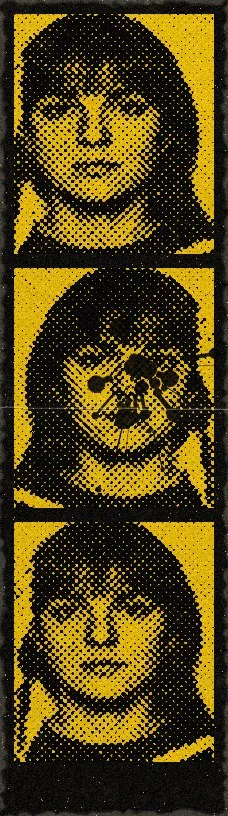
FILE NO. 0227
Case file: TDSH-CF-1975-USA. Updated: October 7, 2026. Legal status: pleaded guilty June 29, 2020, to 13 counts of first-degree murder and 13 counts of kidnapping to commit robbery; sentenced August 21, 2020, to life without the possibility of parole.
Joseph James DeAngelo Jr., the Golden State Killer, was a police officer in two small California towns in the 1970s and later spent 27 years as a truck mechanic at a grocery warehouse outside Sacramento (KCRA, April 2018). On June 29, 2020, at 74, he pleaded guilty in Sacramento County Superior Court to 13 counts of first-degree murder and 13 counts of kidnapping to commit robbery, and admitted 161 uncharged crimes against 61 more victims. On August 21, 2020, he was sentenced to life in prison without the possibility of parole (joint DA press release, June 29, 2020; joint DA sentencing release, Aug. 21, 2020).
Those pleas closed a case that had carried four different names. In the Central Valley town of Visalia in the mid-1970s, an unknown burglar was called the Visalia Ransacker. In the eastern suburbs of Sacramento from 1976, a masked attacker was the East Area Rapist. In Southern California, an unknown killer of couples was the Original Night Stalker. In 2013 the writer Michelle McNamara called him the Golden State Killer, and that name stuck (Los Angeles magazine, 2013; factual basis read at the June 29, 2020 plea hearing). Prosecutors say all four were one man, and DeAngelo admitted the crimes in court.
By the prosecution’s count, he committed crimes against 87 victims at 53 crime scenes in 11 California counties between 1975 and 1986 (People’s sentencing memorandum, 2020; joint DA sentencing release, Aug. 21, 2020). He was identified in April 2018 through investigative genetic genealogy, a technique that traced crime-scene DNA through the family trees of distant relatives. The exact methods investigators used were not fully disclosed until later reporting (joint DA press release, June 29, 2020; Los Angeles Times, Dec. 8, 2020).
This case file is built from the court record wherever possible: the plea and sentencing releases from the six district attorneys who jointly prosecuted him, the factual bases prosecutors read into the record, the People’s sentencing memorandum, victim impact statements the prosecution published, and the FBI’s 2016 public appeal. News reporting fills gaps, and is credited in the sentence wherever only one outlet reported a detail. Where sources disagree on a date, an age or a number, this file either uses the court record’s wording or leaves the detail out.
In this case file: the 13 people he killed; quick answers; his legal status; the four names; his early life and police career as the record describes it; Visalia; the Sacramento series; the Maggiore killings; the East Bay; Southern California; the DNA links; Michelle McNamara; the genealogy search; the arrest; the death-penalty notice, the plea and the survivors’ statements; the sentence and prison; a timeline; myths and corrections; what remains unknown; and the sources and image credits.
Content note: this page discusses murder, rape and the sexual assault of minors. It does not show crime-scene imagery and does not describe the attacks in detail. Survivors are named only where they have identified themselves publicly, on the record. If you have been affected by sexual violence, in the US you can call the National Sexual Assault Hotline at 1-800-656-4673 or reach RAINN online.
Contents
- Golden State Killer victims: 13 people killed between 1975 and 1986
- Quick answers
- Legal status: guilty pleas and sentence
- The names: Visalia Ransacker, East Area Rapist, Original Night Stalker, Golden State Killer
- Early life, the Navy and police work, as the record describes it
- Visalia, 1974 to 1975
- Sacramento, 1976 to 1978: the East Area Rapist series
- The Maggiore killings
- Contra Costa and the East Bay, 1978 to 1979
- Southern California, 1979 to 1986
- The DNA links and the cold case
- Michelle McNamara and “I’ll Be Gone in the Dark”
- How the Golden State Killer was caught: investigative genetic genealogy
- Arrest of Joseph James DeAngelo and the interview room
- The death-penalty notice, the plea and the survivors’ statements
- Sentence and prison
- Timeline
- Myths and corrections
- What remains unknown
- Sources and image credits
Golden State Killer victims: 13 people killed between 1975 and 1986
DeAngelo admitted murdering 13 people in four counties. The list below follows the dates and spellings in the district attorneys’ sentencing release; where the release gives a date that the underlying factual basis describes as a span, both are explained (joint DA sentencing release, Aug. 21, 2020; factual basis read at the June 29, 2020 plea hearing). Ages come from the prosecution’s outline of charged cases unless noted, and are left out where official documents disagree (Outline of Charged Cases, 2020).
| Victim | Date (per DA release) | Place | County |
|---|---|---|---|
| Claude Snelling | September 11, 1975 | Visalia | Tulare |
| Katie Maggiore, 20 | February 2, 1978 | Rancho Cordova | Sacramento |
| Brian Maggiore, 21 | February 2, 1978 | Rancho Cordova | Sacramento |
| Debra Alexandria Manning, 35 | December 30, 1979 | Goleta | Santa Barbara |
| Robert Offerman, 44 | December 30, 1979 | Goleta | Santa Barbara |
| Lyman Smith, 43 | On or about March 13, 1980 | Ventura | Ventura |
| Charlene Smith | On or about March 13, 1980 | Ventura | Ventura |
| Keith Harrington, 24 | August 21, 1980 | Dana Point | Orange |
| Patrice Harrington | August 21, 1980 | Dana Point | Orange |
| Manuela Witthuhn, 28 | February 6, 1981 | Irvine | Orange |
| Cheri Domingo, 35 | July 27, 1981 | Goleta | Santa Barbara |
| Gregory Sanchez, 27 | July 27, 1981 | Goleta | Santa Barbara |
| Janelle Cruz, 18 | May 5, 1986 | Irvine | Orange |
Claude Snelling (Visalia, 1975)
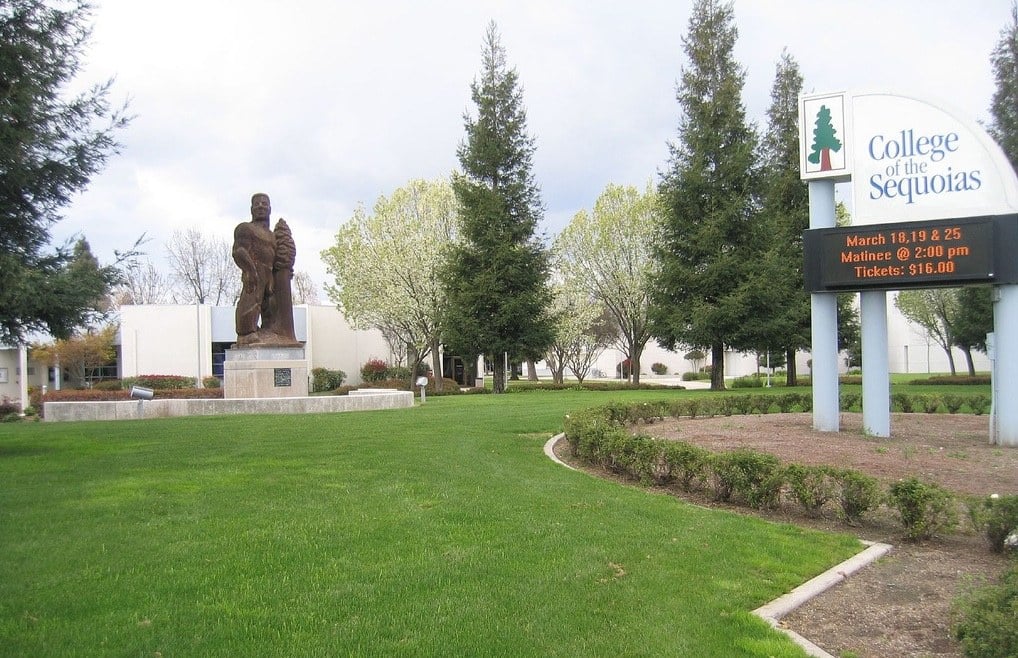
Claude Snelling taught journalism at the College of the Sequoias in Visalia. His daughter, Elizabeth Snelling Hupp, told the court in 2020 that he was a Sunday School teacher, a church deacon and “such a gentle soul and loving, kind-hearted man,” who liked hiking in the mountains with her and would help her “figure things out on my own” rather than preach (Elizabeth Snelling Hupp, victim impact statement, 2020).
In the early hours of September 11, 1975, a masked intruder took 16-year-old Beth Snelling from her bedroom and out of the house. Her father ran out after them and was shot twice; he died on the way to the hospital. Prosecutors told the court that the bullet matched a revolver stolen in a Visalia burglary that August, and that in 2018 Beth Snelling and other witnesses picked DeAngelo out of photo lineups from encounters in 1975 (factual basis read at the June 29, 2020 plea hearing; Hupp statement). “My dad died saving my life that night and is my hero!” she wrote (Hupp statement).
Katie and Brian Maggiore (Rancho Cordova, 1978)
Brian Maggiore was stationed at Mather Air Force Base, and he and Katie had recently married. Shortly after 9 p.m. on February 2, 1978, they took their dog for a walk in their Rancho Cordova neighborhood, east of Sacramento. Both were shot and killed after being chased into a nearby backyard (factual basis read at the June 29, 2020 plea hearing; FBI Sacramento, June 15, 2016). The FBI identified him as Sergeant Brian Maggiore (FBI Sacramento, June 15, 2016). Their case is told in full in The Maggiore killings.
Debra Manning and Robert Offerman (Goleta, 1979)
Debra Alexandria Manning, 35, and Robert Offerman, 44, were both doctors; the factual basis refers to them as Dr. Debra Manning and Dr. Robert Offerman (factual basis read at the June 29, 2020 plea hearing; Outline of Charged Cases). Los Angeles magazine described Offerman as an osteopath (Los Angeles magazine, 2013). On the weekend of December 29 and 30, 1979, Manning was staying at Offerman’s condominium in Goleta, near Santa Barbara. The two had planned to play tennis with friends that Sunday morning; when the friends arrived and nobody answered, they found the couple dead inside (factual basis read at the June 29, 2020 plea hearing).
Lyman and Charlene Smith (Ventura, 1980)
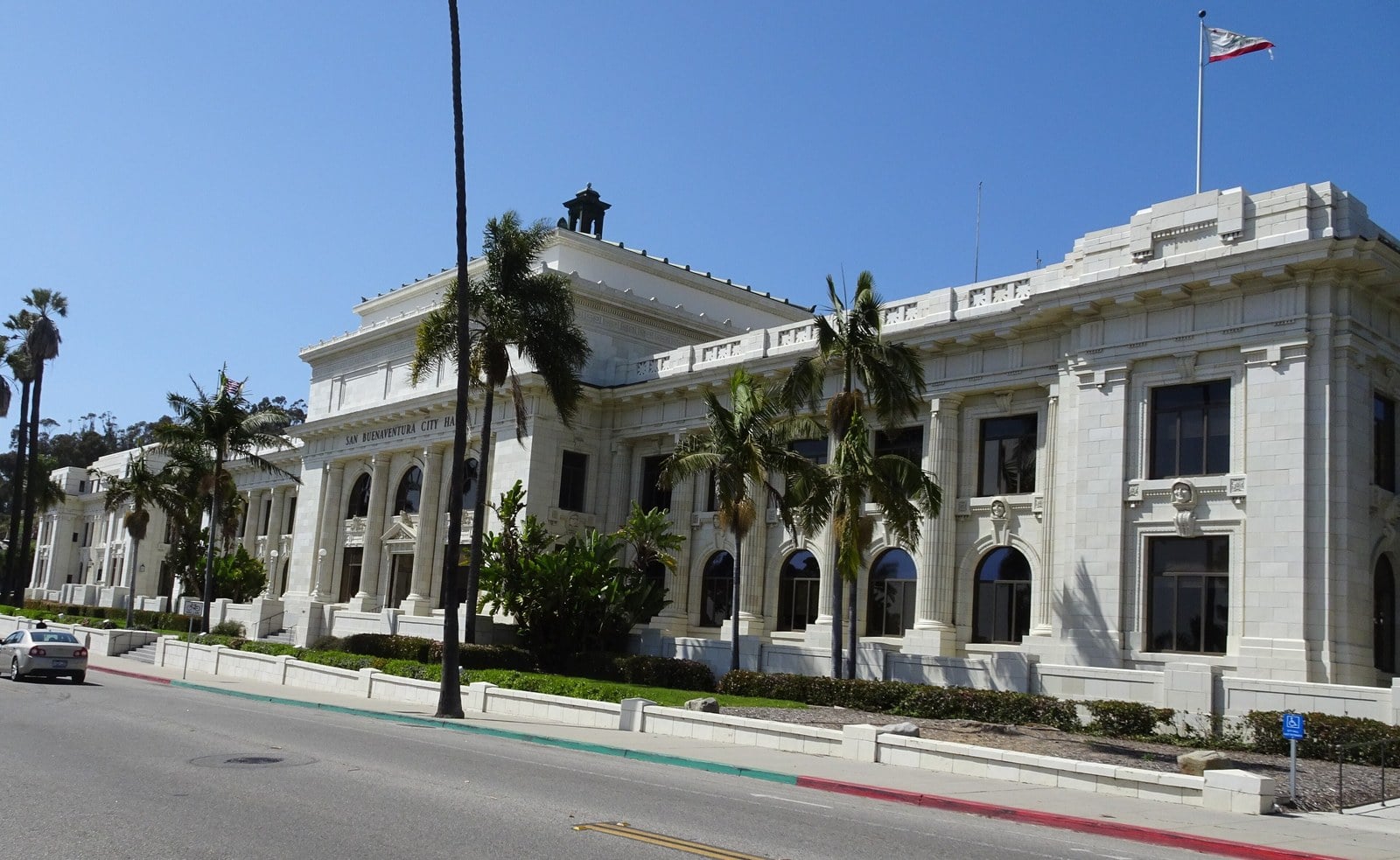
Lyman Smith, 43, was a former deputy district attorney for Ventura County (factual basis read at the June 29, 2020 plea hearing; Outline of Charged Cases). He and his wife, Charlene, were last known to be alive on the evening of March 13, 1980, when Charlene spoke by phone with a relative about dinner plans and a family ski trip; the relative said she “sounded the happiest she had ever heard her.” Lyman Smith’s 12-year-old son found them in their Ventura home three days later (factual basis read at the June 29, 2020 plea hearing). Evidence preserved from this case, decades later, produced the DNA profile that identified DeAngelo (factual basis read at the June 29, 2020 plea hearing). Lyman Smith’s daughter, Jennifer Carole, became one of the most visible family members during the case (Los Angeles Times, Dec. 8, 2020; The Guardian, Aug. 18, 2020).
Keith and Patrice Harrington (Dana Point, 1980)
Keith Harrington, 24, was a fourth-year medical student, and Patrice Harrington was a pediatric trauma nurse. They had been married about three months and lived in a gated community in Dana Point, in a house owned by Keith’s father (factual basis read at the June 29, 2020 plea hearing). Prosecutors’ sentencing paperwork dates their deaths to August 21, 1980; the factual basis says they were last heard from on the night of August 19 and found two days later (joint DA sentencing release, Aug. 21, 2020; factual basis read at the June 29, 2020 plea hearing). “Yesterday marked 40 years to the day that a stranger walked into Patti and Keith Harrington’s Dana Point home and robbed the newlyweds of the life that they had just begun to build together,” Orange County District Attorney Todd Spitzer said at the 2020 sentencing (Tulare County DA release, Aug. 21, 2020). Keith’s brother, Bruce Harrington, later paid for the campaign behind a 2004 California ballot measure that requires DNA samples from people arrested on felony charges (NBC News, April 2018).
Manuela Witthuhn (Irvine, 1981)
Manuela Witthuhn was 28 and lived with her husband, David, in Irvine (factual basis read at the June 29, 2020 plea hearing). The factual basis says she was last heard from on the night of February 5, 1981; the sentencing release dates her death to February 6 (factual basis read at the June 29, 2020 plea hearing; joint DA sentencing release, Aug. 21, 2020). Her brother-in-law, Drew Witthuhn, spoke for the family in 2020, including her parents, Horst and Ruth Rohrbeck. He brought a family photograph to court and described her as “very petite” and “no physical threat to anyone or anything,” and said that his family had chosen to “celebrate Manuela’s life rather than continue to mourn” (Drew Witthuhn, victim impact statement, 2020).
Cheri Domingo and Gregory Sanchez (Goleta, 1981)
Cheri Domingo, 35, and Gregory Sanchez, 27, were killed in Goleta on July 27, 1981 the same community where Manning and Offerman had been killed 19 months earlier (Outline of Charged Cases; joint DA sentencing release, Aug. 21, 2020). Cheri Domingo’s daughter, Debbi Domingo McMullan, spoke publicly through the case and told the Los Angeles Times in 2020 that she had no reservations about the genealogy methods used to identify her mother’s killer (Los Angeles Times, Dec. 8, 2020).
Janelle Cruz (Irvine, 1986)
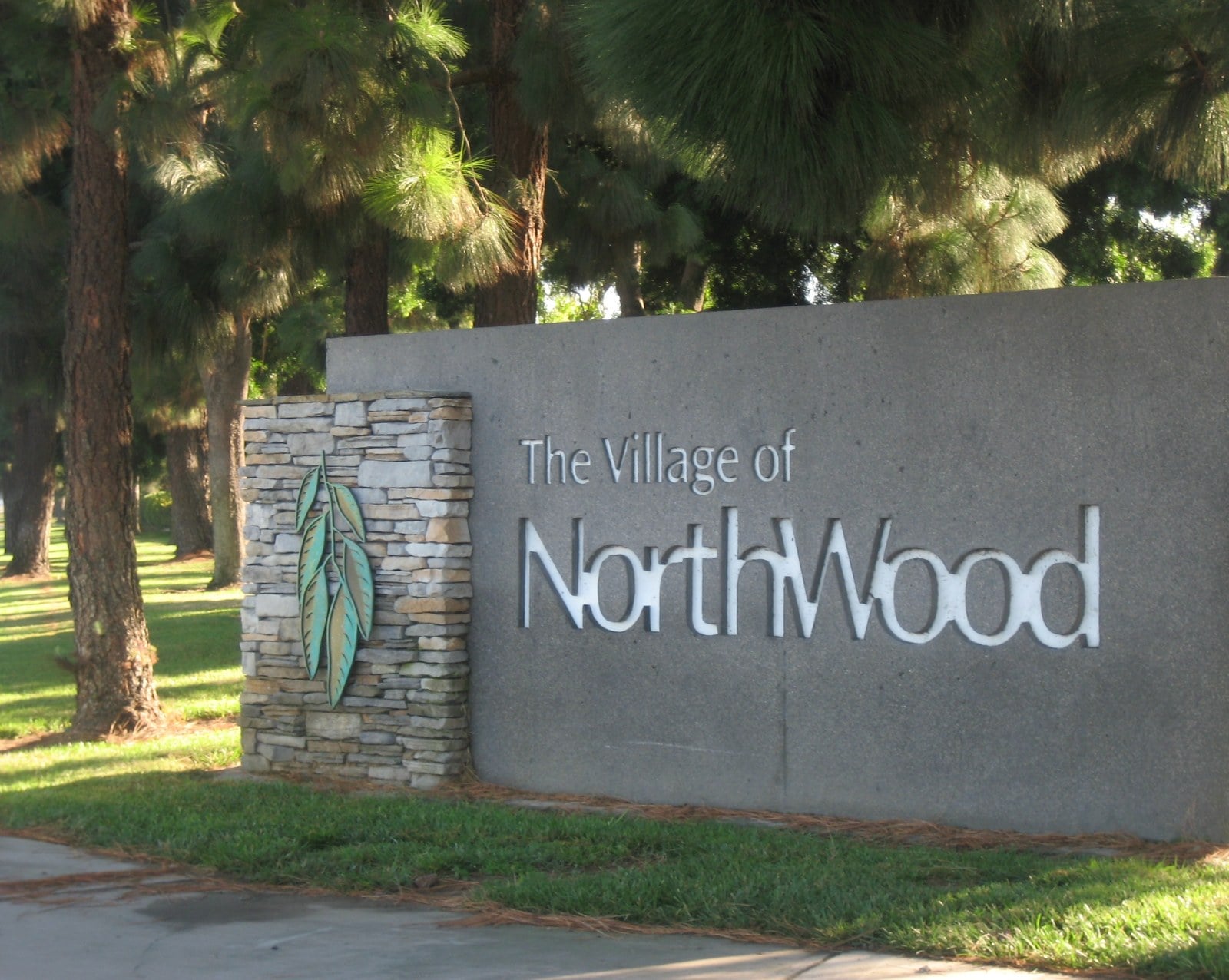
Janelle Cruz was 18 and lived in the Northwood Village area of Irvine with her mother, stepfather and younger brother. In May 1986 her family left for a vacation in Mexico and she stayed home; a friend from work who visited that evening left at about 11 p.m. (factual basis read at the June 29, 2020 plea hearing). Her sister, Michelle Cruz, wrote that the attack happened on the evening of May 4 and that Janelle died shortly after, on May 5 (Michelle Cruz, victim impact statement, 2020).
“Janelle was my big sister,” Michelle Cruz told the court. “She was the one person who always had my back. She was my best friend.” Janelle, she wrote, “had dreams of going to college, living in her first apartment, getting married, having children.” The sisters loved music and going to the beach; one of their favorite songs was “Mr. Blue” by Yaz (Michelle Cruz statement). Janelle Cruz is the last murder victim attributed to DeAngelo (FBI, June 15, 2016; joint DA sentencing release, Aug. 21, 2020).
The survivors
Most of the people DeAngelo attacked survived. The prosecution’s count of 87 victims includes the 13 people he killed, dozens of women he raped, men he tied up during those attacks, and others whose homes he broke into (People’s sentencing memorandum; Exhibit 3, uncharged counts). The court papers identify nearly all of them by Jane Doe or John Doe numbers. This file names only survivors who have identified themselves publicly, and it does not connect any of them to a numbered count.
Quick answers
- Who is the Golden State Killer? Joseph James DeAngelo Jr., a former police officer from the Sacramento area. He pleaded guilty in 2020 to 13 murders and 13 kidnappings and admitted dozens of uncharged crimes, including rapes (joint DA press release, June 29, 2020).
- What was he convicted of? 13 counts of first-degree murder with special circumstances and 13 counts of kidnapping to commit robbery, with firearm and knife enhancements (joint DA sentencing release, Aug. 21, 2020).
- What was his sentence? Life without the possibility of parole: in the prosecutors’ wording, 11 consecutive life sentences without the possibility of parole for the 13 murders, a consecutive life term for kidnapping to commit robbery, and a consecutive eight-year determinate term for the weapon enhancements (joint DA sentencing release, Aug. 21, 2020).
- Where is he now? The California Department of Corrections and Rehabilitation moved him to the Protective Housing Unit at California State Prison, Corcoran, in January 2021 (ABC7, January 2021). In November 2025, prosecutor Thien Ho told CNN he was still in a protective unit at a Central Valley prison (CNN, Nov. 20, 2025).
- How was he caught? Through investigative genetic genealogy: DNA from a 1980 Ventura County murder was compared with genealogy databases, investigators built family trees, and in April 2018 they tested DNA from his trash (factual basis read at the June 29, 2020 plea hearing).
- Why wasn’t he charged with the rapes? Prosecutors could not file charges for the 1970s rapes because the statute of limitations had run out; he admitted them as uncharged crimes instead (The Guardian, Aug. 18, 2020; joint DA press release).
- Why no death penalty? Prosecutors in four counties announced in 2019 that they would seek it, but accepted his offer to plead guilty in exchange for life without parole, after consulting victims and families (NBC News, April 10, 2019; joint DA press release).
- Who named him the Golden State Killer? The writer Michelle McNamara, in a 2013 Los Angeles magazine article (Los Angeles magazine, 2013).
- How many victims? 87 victims at 53 crime scenes, in the prosecution’s count, including 13 murder victims (joint DA sentencing release, Aug. 21, 2020).
Legal status: guilty pleas and sentence
Case: People of the State of California v. Joseph James DeAngelo, Sacramento County Superior Court case 18FE008017 (First Amended Felony Complaint; joint DA sentencing release, Aug. 21, 2020). Because the crimes crossed so many jurisdictions, the district attorneys of six counties prosecuted him jointly in Sacramento: Contra Costa (Diana Becton), Orange (Todd Spitzer), Sacramento (Anne Marie Schubert), Santa Barbara (Joyce Dudley), Tulare (Tim Ward) and Ventura (Greg Totten) (joint DA press release, June 29, 2020).
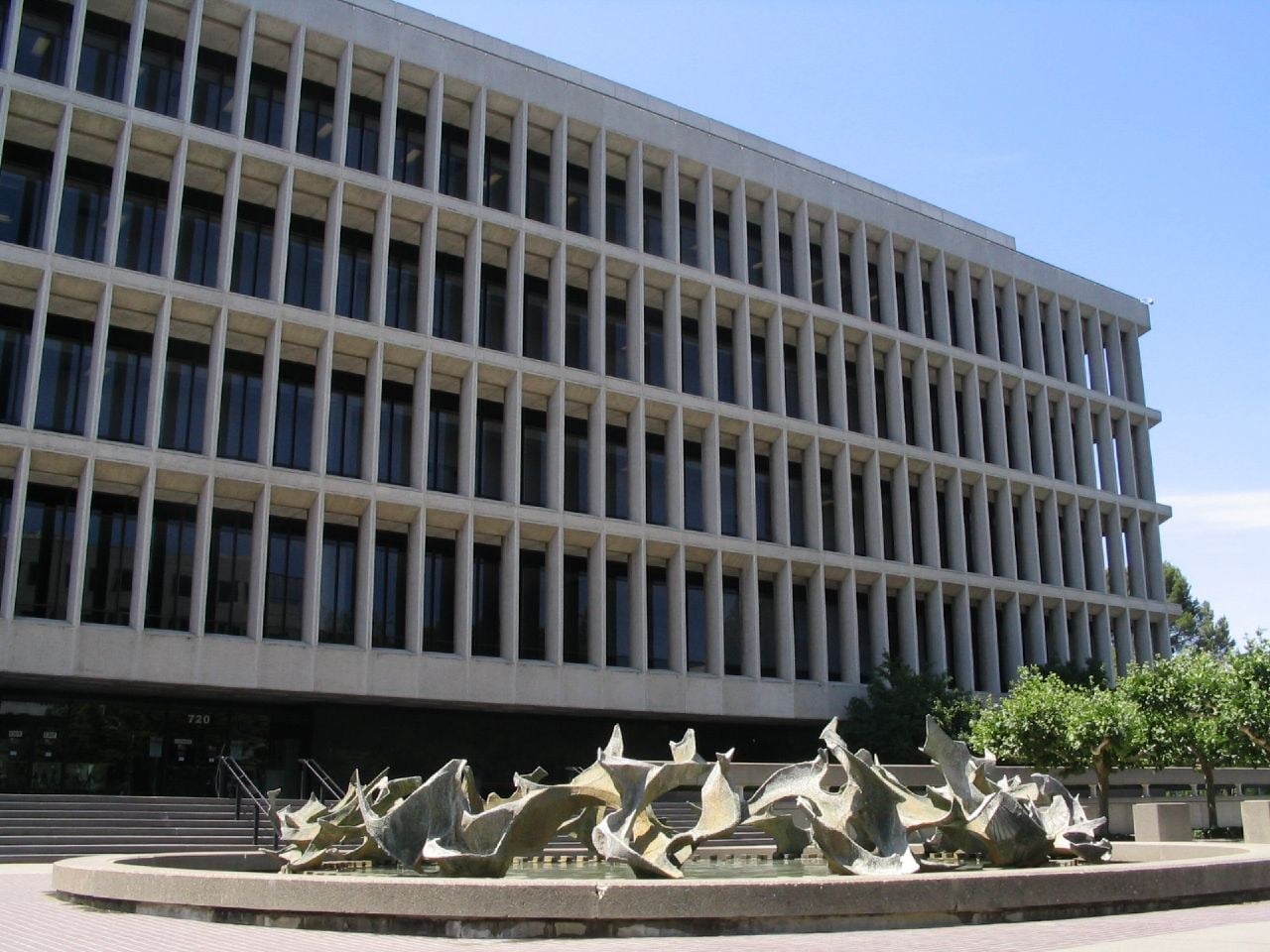
The pleas, June 29, 2020. DeAngelo, then 74, pleaded guilty to 13 counts of first-degree murder with special circumstances allegations of multiple murders and murder during the commission of rape, robbery and burglary, and to 13 felony counts of kidnapping to commit robbery with enhancements for personal use of a firearm and a knife. He also admitted 161 uncharged crimes against 61 uncharged victims, including attempted murder, kidnapping to commit robbery, rape, robbery, first-degree burglary, false imprisonment and criminal threats, in Alameda, Sacramento, San Joaquin, Santa Clara, Stanislaus, Tulare and Yolo counties. The hearing was moved to a ballroom at Sacramento State to fit the number of victims and families attending and to allow social distancing during the COVID-19 pandemic (joint DA press release, June 29, 2020).
Why a plea. The prosecutors said they accepted his offer to plead guilty after consulting victims and families, and weighed “the age of the victims, the age of witnesses and the death of other key witnesses, and the age of the defendant.” The case involved more than 1.3 million pages of discovery, and a trial was expected to take as long as 10 years (joint DA press release, June 29, 2020).
The sentence, August 21, 2020. In the prosecutors’ exact wording, DeAngelo “was committed to state prison for the indeterminate term of 11 consecutive life sentences without the possibility of parole for 13 felony counts of first-degree murder consecutive to the indeterminate term of life for kidnapping to commit robbery to run consecutive to the determinate term of eight years as to the weapon enhancements” (joint DA sentencing release, Aug. 21, 2020). The People’s sentencing memorandum summarized the total as “11 LWOP and one Life sentence plus an additional determinate term of 8 years” (People’s sentencing memorandum). Sacramento County Superior Court Judge Michael Bowman imposed the sentence (NBC News, Aug. 21, 2020).
Why 11 terms for 13 murders. The prosecution’s sentencing calculation explains the arithmetic. The 1975 Snelling count carries life with a seven-year minimum parole eligibility period and runs concurrently with the Maggiore counts. The two Maggiore counts carry life without parole but run concurrently with each other. The other 10 murder counts each carry life without parole, consecutive (Exhibit 1, sentencing calculation). News reports summarized the total differently, as “15 concurrent life sentences” on top of the 11 (BBC) or as “26 life sentences” (Los Angeles Times); this file uses the prosecutors’ wording (BBC, Aug. 21, 2020; Los Angeles Times, Dec. 8, 2020).
Other terms the People requested. The sentencing memorandum asked the court for a restitution fine of up to $10,000 on the Janelle Cruz count, the only count committed after California’s 1984 victim restitution law took effect, and for lifetime registration as a sex offender and DNA and print samples (People’s sentencing memorandum). This file has not seen the court’s minute order and does not state which of those requests the judge granted.
What he was not charged with. The rapes of the 1970s could not be charged because the statute of limitations had expired (The Guardian, Aug. 18, 2020). He admitted them, together with other uncharged crimes, as part of the plea, and the prosecution set them out victim by victim in an exhibit to its sentencing papers (Exhibit 3, uncharged counts). None of the charged counts came from Alameda, San Joaquin, Santa Clara, Stanislaus or Yolo counties; his crimes there appear only among the admitted uncharged crimes (joint DA press release).
Appeal. This file found no appeal reported in the sources reviewed. Current status: serving life without parole in the California prison system (ABC7, January 2021; CNN, Nov. 20, 2025).
The names: Visalia Ransacker, East Area Rapist, Original Night Stalker, Golden State Killer
The prosecution listed all four names in its factual basis, saying “his monikers reflect the sweeping geographical impact of his crimes” (factual basis read at the June 29, 2020 plea hearing). Each one came from a different place and time, and for decades investigators in different regions did not know, or could not prove, that they were chasing the same man.
- Visalia Ransacker. A burglar who ransacked homes in Visalia, in Tulare County, in the mid-1970s. The prosecution said DeAngelo was a police officer near Visalia during the ransacking series and left Tulare County after a Visalia police officer was shot at in December 1975 (factual basis read at the June 29, 2020 plea hearing).
- East Area Rapist (EAR). Burglaries and rapes began in the eastern part of Sacramento County in the summer of 1976, “hence the name East Area Rapist,” the FBI said (FBI, June 15, 2016).
- Original Night Stalker (ONS). Southern California investigators’ name for the unknown killer of couples in Santa Barbara, Ventura and Orange counties. Michelle McNamara wrote that it was derived from the nickname of a different killer, Richard Ramirez, the “Night Stalker” of the mid-1980s (Los Angeles magazine, 2013).
- Golden State Killer (GSK). McNamara’s own name. “He didn’t even have a catchy name until I coined one,” she wrote in 2013 (Los Angeles magazine, 2013). The FBI used “East Area Rapist/Golden State Killer” in its 2016 appeal (FBI Sacramento, June 15, 2016).
Investigators often wrote the combined name as EAR/ONS. The sentencing papers use all four names; the court documents use his own (factual basis read at the June 29, 2020 plea hearing).
Early life, the Navy and police work, as the record describes it
Little about DeAngelo’s life before 1975 appears in court records. The prosecution’s factual basis lists only a few facts that investigators confirmed after he was identified: he grew up in Rancho Cordova, served in the military, was once engaged to a woman named “Bonnie” (a name prosecutors said the attacker spoke to victims), worked as a police officer near Visalia during the ransacking series, then as an Auburn police officer during the East Area Rapist series, and later moved to Southern California before returning to Sacramento (factual basis read at the June 29, 2020 plea hearing). Thien Ho, the lead prosecutor in the case and now Sacramento County district attorney, told CNN in 2025 that DeAngelo was born in Bath, New York (CNN, Nov. 20, 2025).
Sacramento’s KCRA pieced together more after the arrest. It reported that DeAngelo graduated from Folsom High School in 1964 and joined the US Navy, and that a local newspaper reported in 1967 that he was serving aboard the cruiser USS Canberra as a repairman off the coast of North Vietnam (KCRA, April 2018). After the Navy, KCRA reported, he attended community college and then Sacramento State, where a university spokeswoman said he earned a bachelor’s degree in criminal justice in 1972 (KCRA, April 2018).

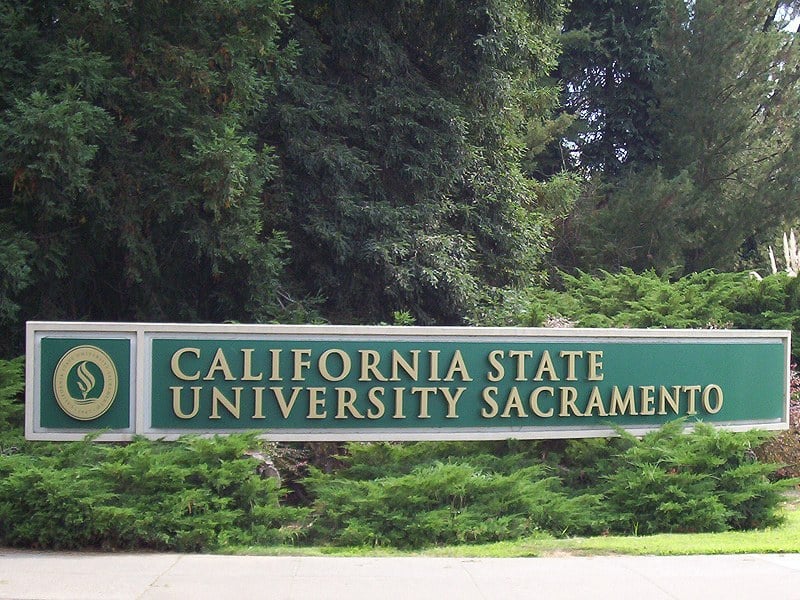
Exeter, 1973 to 1976. KCRA reported, citing Sacramento County Sheriff Scott Jones, that DeAngelo served as a police officer in Exeter, a small city in Tulare County, from 1973 to 1976, “around the time of the Visalia Ransacker cases” (KCRA, April 2018). The district attorneys put it directly: “DeAngelo’s crime spree began in 1975 when he was working as a police officer with the Exeter Police Department” (joint DA press release, June 29, 2020). KCRA also reported that he married in 1973, citing a marriage notice; this file does not name his family (KCRA, April 2018).
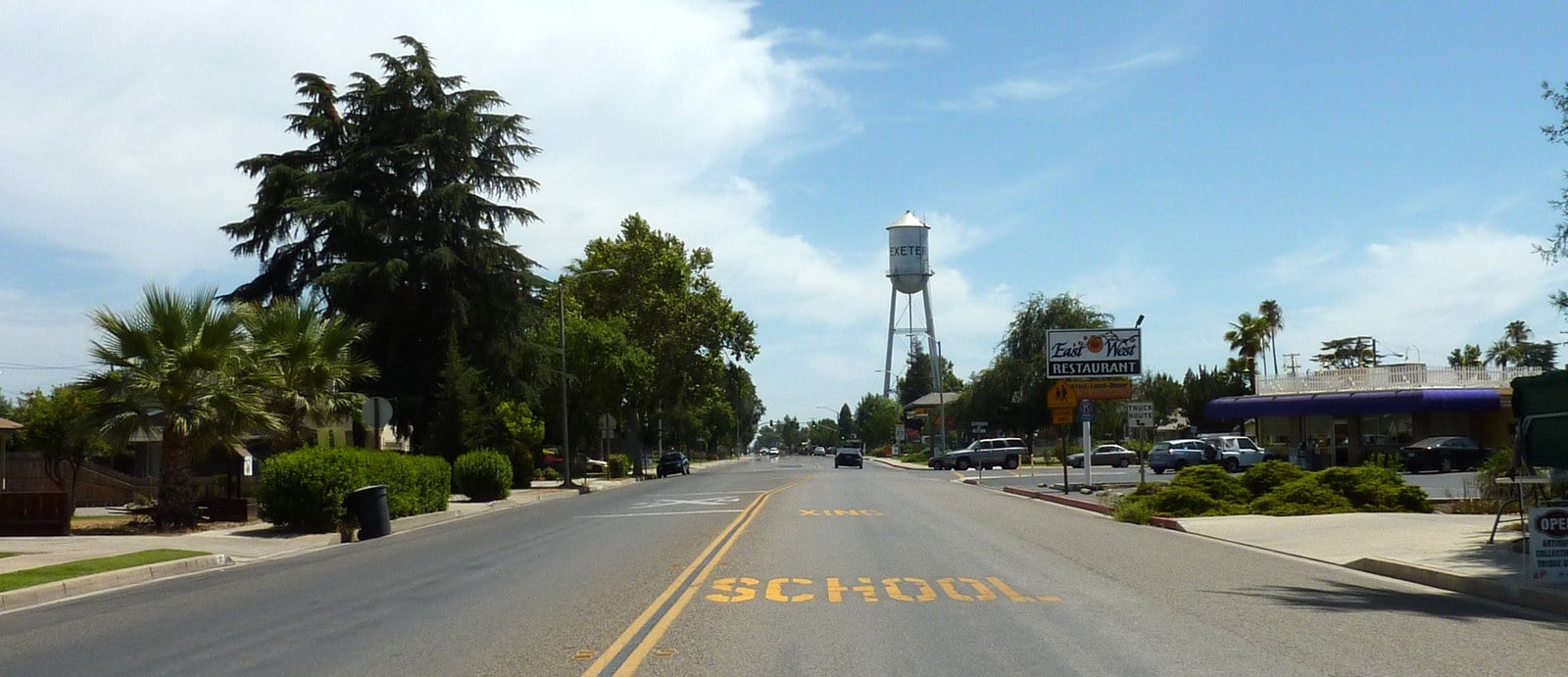
Auburn, 1976 to 1979. KCRA reported that DeAngelo joined the Auburn Police Department in 1976 (KCRA, April 2018). He was fired in 1979 after he was caught shoplifting a hammer and dog repellent (factual basis read at the June 29, 2020 plea hearing; joint DA press release). NBC News reported that the firing came in August 1979 (NBC News, April 2018). Prosecutors told the court that when store security stopped him that year he fought, tried to run, pretended to have a heart attack and acted erratically, then privately told deputies he was an Auburn police officer and had only pretended to act crazy to avoid trouble (factual basis read at the June 29, 2020 plea hearing).
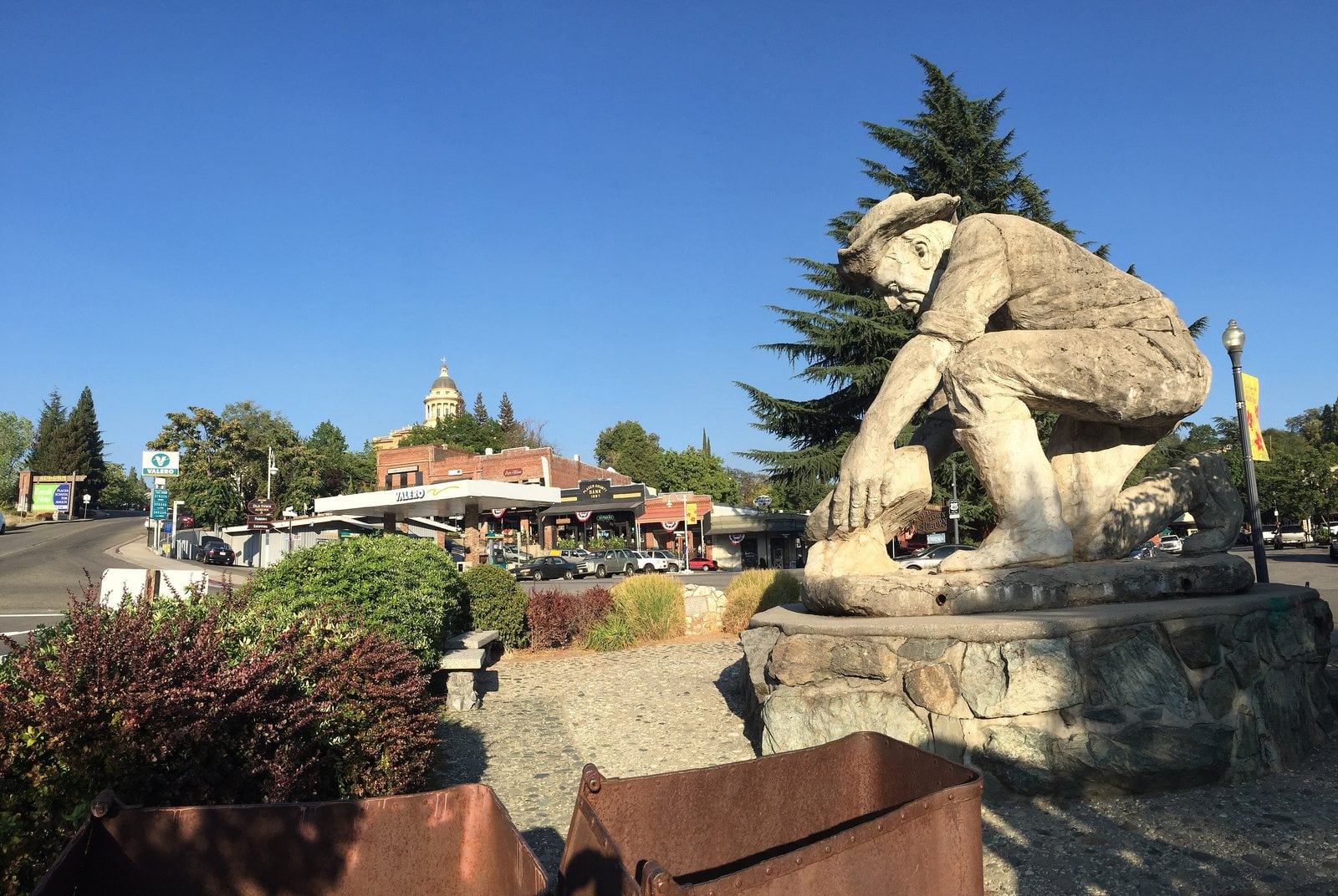
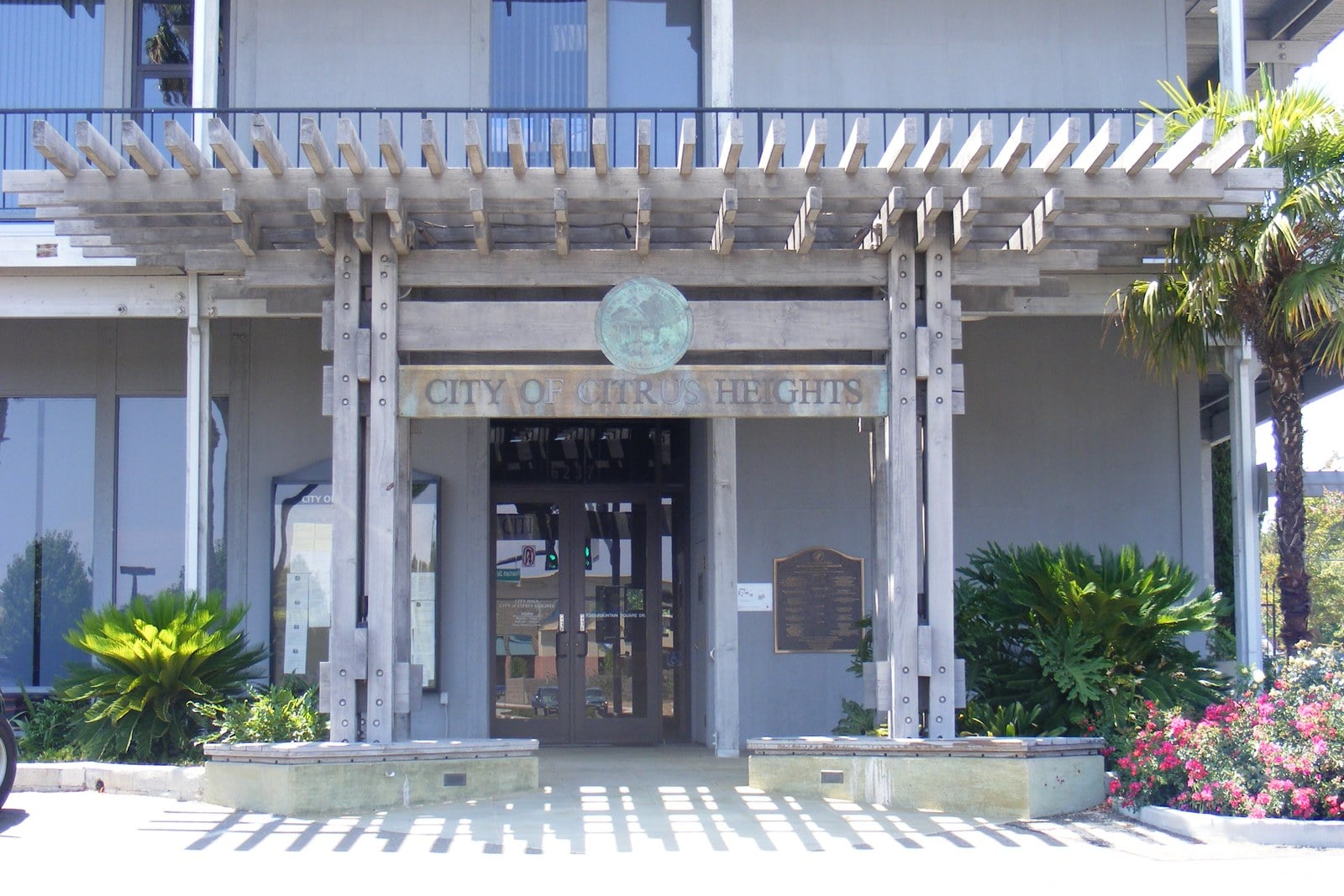
After policing. For 27 years he worked as a big-rig mechanic at a Save Mart Supermarkets distribution warehouse in Roseville, retiring in 2017, a company spokeswoman told KCRA (KCRA, April 2018). By the time of his arrest he lived in Citrus Heights, a Sacramento suburb (factual basis read at the June 29, 2020 plea hearing). The district attorneys’ phrasing is the only summary this file adopts: his crimes “continued long after he was fired from the Auburn Police Department in 1979” and “escalated from peeping through windows to stalking to rape and serial murder” (joint DA press release).
Visalia, 1974 to 1975
Visalia is the seat of Tulare County, in the southern San Joaquin Valley. According to the prosecution, the Visalia Ransacker committed more than 100 burglaries in the city between April 1974 and December 1975 (Exhibit 3, uncharged counts). The district attorneys described the pattern that began there as one that “escalated from peeping through windows to stalking to rape and serial murder” (joint DA press release, June 29, 2020). DeAngelo was a police officer in nearby Exeter during those years (KCRA, April 2018; factual basis read at the June 29, 2020 plea hearing).
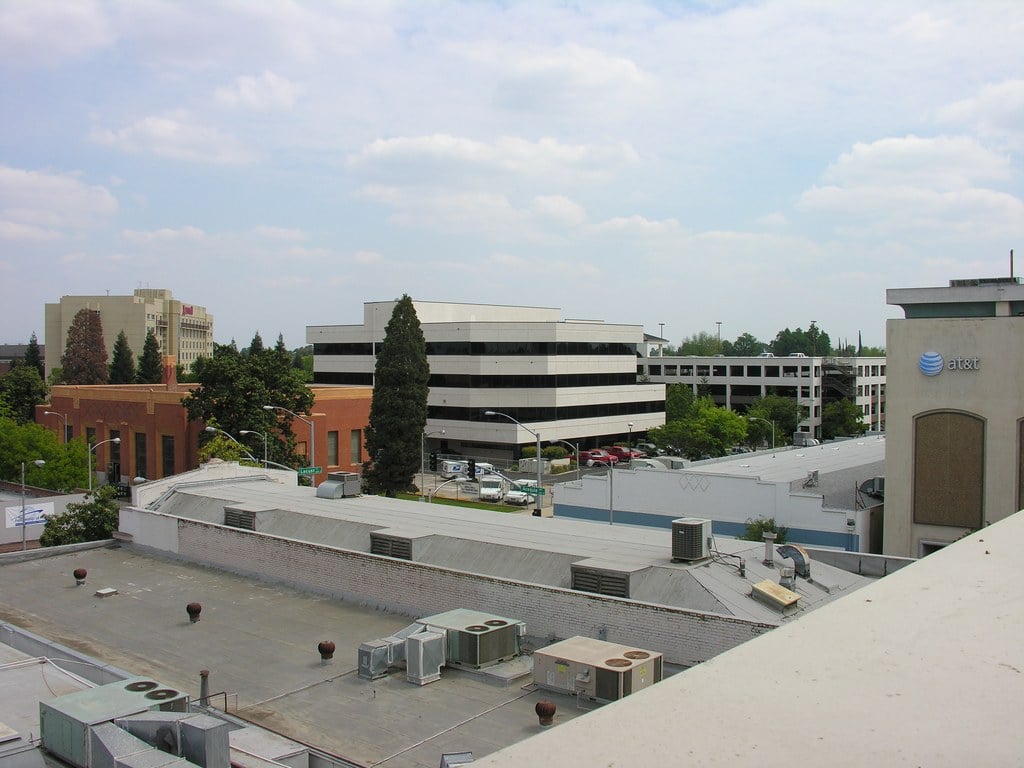
The burglaries turned deadly on September 11, 1975, when Claude Snelling was shot while trying to stop the abduction of his daughter (see the victims). Prosecutors told the court that Beth Snelling had “become a target of the Visalia Ransacker in the weeks and months leading up to” that night, and that about a month earlier she had seen a man’s face peering into her bedroom window; in 2018 she identified that face as DeAngelo’s from a photo lineup (factual basis read at the June 29, 2020 plea hearing). Five other witnesses also identified him in 2018 from encounters during 1975 prowling and ransacking incidents, prosecutors said (factual basis read at the June 29, 2020 plea hearing).
The shot at Detective McGowen
After the Snelling killing, Visalia police tried to trap the ransacker at homes where he had prowled. On the evening of December 10, 1975, Detective William McGowen waited in a garage at one of those homes. When a man came down the side of the garage, McGowen confronted him with a flashlight and identified himself as police. The man pleaded not to be hurt and appeared to surrender, then pulled a revolver from a jacket pocket and fired. The bullet struck McGowen’s flashlight; he was cut by fragments (Exhibit 3, uncharged counts). DeAngelo admitted the attempted murder as an uncharged crime (Exhibit 3).
McGowen died about 15 years before the plea. His daughter, Lori Mendonca, told the court in 2020 that “the bullet hit the flashlight instead of his intended target,” and that her father had been right about several things: he was certain he had seen the man before, he believed the man was military, and he believed the Visalia Ransacker and the East Area Rapist were the same person (Lori Mendonca, victim impact statement for William McGowen, 2020). McGowen also helped create a composite sketch that, prosecutors said, “clearly resembled Joseph DeAngelo” (Exhibit 3). The prosecution’s factual basis says DeAngelo left Tulare County after the McGowen shooting (factual basis read at the June 29, 2020 plea hearing).
Sacramento, 1976 to 1978: the East Area Rapist series
In the summer of 1976 a run of burglaries and rapes began in the eastern suburbs of Sacramento County. “Hence the name East Area Rapist,” the FBI said in 2016. The attacker ransacked homes and took small items such as coins, jewelry and identification, and burglaries in a neighborhood tended to come before clusters of sexual assaults (FBI, June 15, 2016; FBI Sacramento press release). The FBI said he was active in the greater Sacramento area from June 1976 to February 1978, and often escaped along the levee and brush of the American River (FBI Sacramento press release; FBI photo caption).
“Everyone was afraid,” said FBI Special Agent Marcus Knutson, who grew up in Sacramento and led the FBI’s part of the investigation in 2016. “We had people sleeping with shotguns, we had people purchasing dogs. People were concerned, and they had a right to be. This guy was terrorizing the community” (FBI, June 15, 2016).
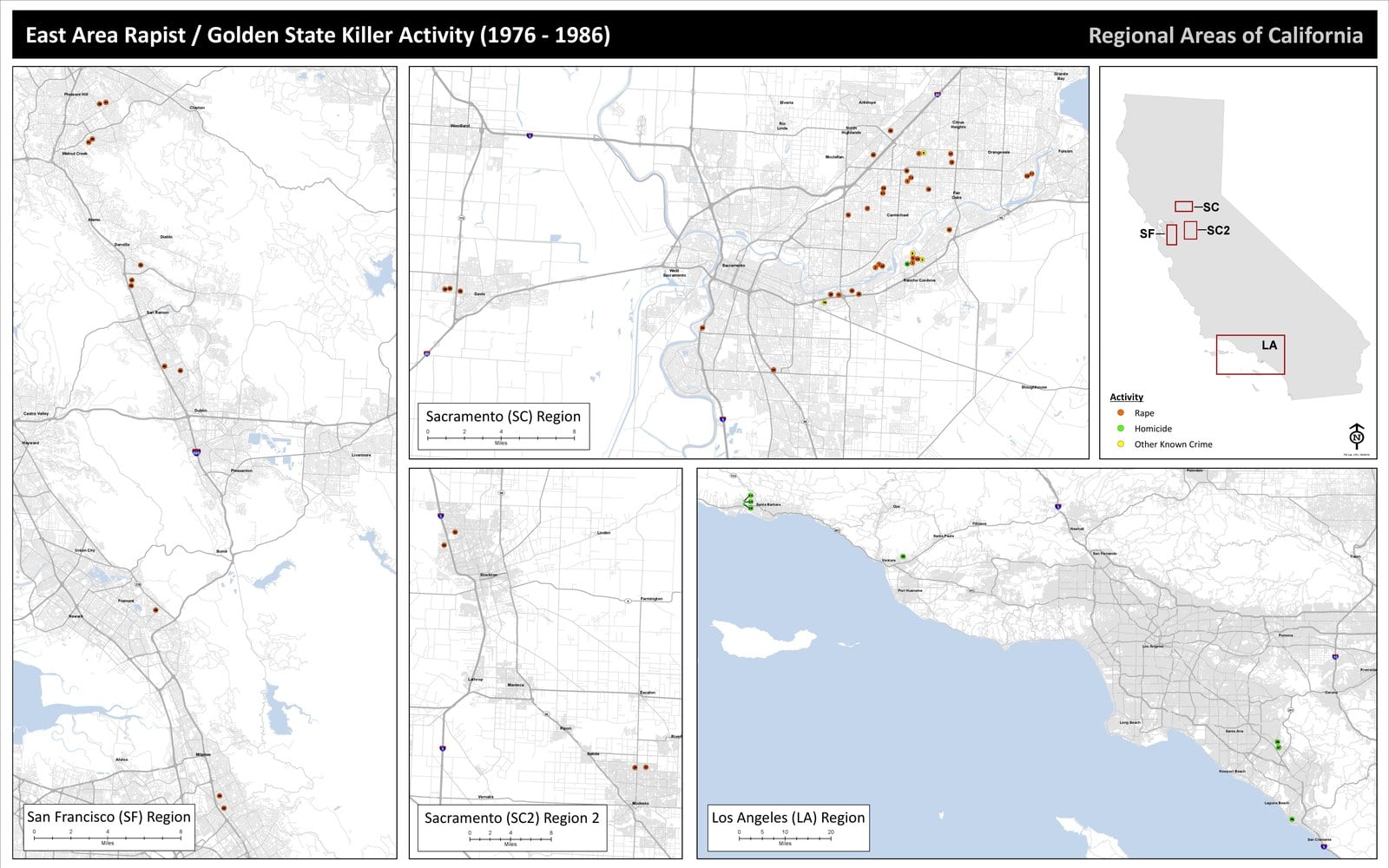
The prosecution’s exhibit of uncharged crimes lists the Sacramento County attacks one by one, from June 18, 1976, in Rancho Cordova through early 1978, in Rancho Cordova, Carmichael, Citrus Heights, Fair Oaks, Orangevale and the city of Sacramento (Exhibit 3, uncharged counts). Nine more Sacramento County attacks, between September 4, 1976, and October 21, 1977, were charged as kidnapping to commit robbery. Explaining one of those counts, prosecutors said that moving the victim from where she was first seized “substantially increased the risk of harm to her” beyond the robbery itself (Outline of Charged Cases; factual basis read at the June 29, 2020 plea hearing).
In 2016, before anyone knew his name, the FBI published a count of the crimes each local agency attributed to the attacker. It listed 24 sexual assaults and two homicides for the Sacramento County Sheriff’s Department and four sexual assaults for Sacramento police, among others (FBI Sacramento press release, June 15, 2016).
| Agency | Sexual assaults | Homicides |
|---|---|---|
| Sacramento County Sheriff’s Department | 24 | 2 |
| Sacramento Police Department | 4 | None (one assault with a deadly weapon) |
| Contra Costa Sheriff’s Department | 5 | None |
| Concord Police Department | 2 | None |
| Davis Police Department | 3 | None |
| Fremont Police Department | 1 | None |
| Modesto Police Department | 2 | None |
| San Jose Police Department | 2 | None |
| Stockton Police Department | 2 | None |
| Walnut Creek Police Department | 2 | None |
| Irvine Police Department | None | 2 |
| Orange County Sheriff’s Department | None | 2 |
| Santa Barbara County Sheriff’s Department | None | 4 (two attempted) |
| Ventura Police Department | None | 2 |
Survivors who have spoken publicly
Several women attacked in the Sacramento series have identified themselves publicly, in court, in interviews or in books. Their accounts are summarized here only as they gave them.
Phyllis Hennemann. KCRA reported that she was raped on June 18, 1976, in Sacramento County. In August 2020 her sister, Karen Veilleux, read her statement in court: “I was a normal woman of 22, happy and carefree.” She described how, in 1976, “women were treated more like suspects than victims when it came to rape,” and ended: “I am not what happened to me. I am what I choose to become” (KCRA, Aug. 2020). NBC News spelled her surname Henneman (NBC News, Aug. 21, 2020).
Jane Carson-Sandler. People magazine reported that she was raped in October 1976, and that police at the time could only use the evidence to determine the attacker’s blood type (People, 2025). She spoke at the 2020 sentencing (People, 2025). Thien Ho told CNN in 2025 that she later retired from the military as a colonel and wrote her own book about the attack (CNN, Nov. 20, 2025).
Kris Pedretti. She was 15 when she was raped in her family’s home on December 18, 1976, KCRA reported. In court in 2020 she said: “As the evening began on Dec 18, 1976, I was a normal 15-year-old kid. I loved going to school, having sleepovers and going to church. It was one week away from Christmas” (KCRA, Aug. 2020). “DeAngelo stole my formative years,” she told him. “He stole my youth, my innocence, my faith and my trust” (The Guardian, Aug. 18, 2020). The Guardian reported that she now supports other survivors of sexual assault (The Guardian).
Gay Hardwick. She and her husband, Bob, were attacked in 1978, the Guardian reported. She and other survivors formed a close group after the arrest: “We visit each other and get together and just have fun,” she said. “It’s an environment of complete acceptance and understanding” (The Guardian, Aug. 18, 2020). She later told the Los Angeles Times she worried the investigators’ genealogy tactics could have given the defense grounds for appeal had he not pleaded guilty (Los Angeles Times, Dec. 8, 2020).
Other survivors spoke in court anonymously or through relatives, or asked not to be identified. This file follows those choices.
The Maggiore killings
By early 1978 the East Area Rapist had been attacking in Sacramento County for a year and a half. In the days before February 2, 1978, according to the prosecution, 12 homes in one Rancho Cordova neighborhood reported prowling incidents of the kind associated with him, and the area was within a mile of several of his earlier attacks (factual basis read at the June 29, 2020 plea hearing).
That evening, shortly after 9 p.m., Brian and Katie Maggiore walked their dog along La Alegria Drive. A teenage jogger later told police he had seen a man in a brown padded jacket hiding near bushes on the opposite side of the street. Minutes later the couple were being chased through neighboring backyards. A 13-year-old boy looking out an upstairs window saw the gunman run across a gap in a fence that a storm had knocked down. Brian was shot and killed. Katie ran for a side gate that was locked, and was shot there; prosecutors said the gunman “chose to also pursue and eliminate the only remaining person who had seen” him (factual basis read at the June 29, 2020 plea hearing).
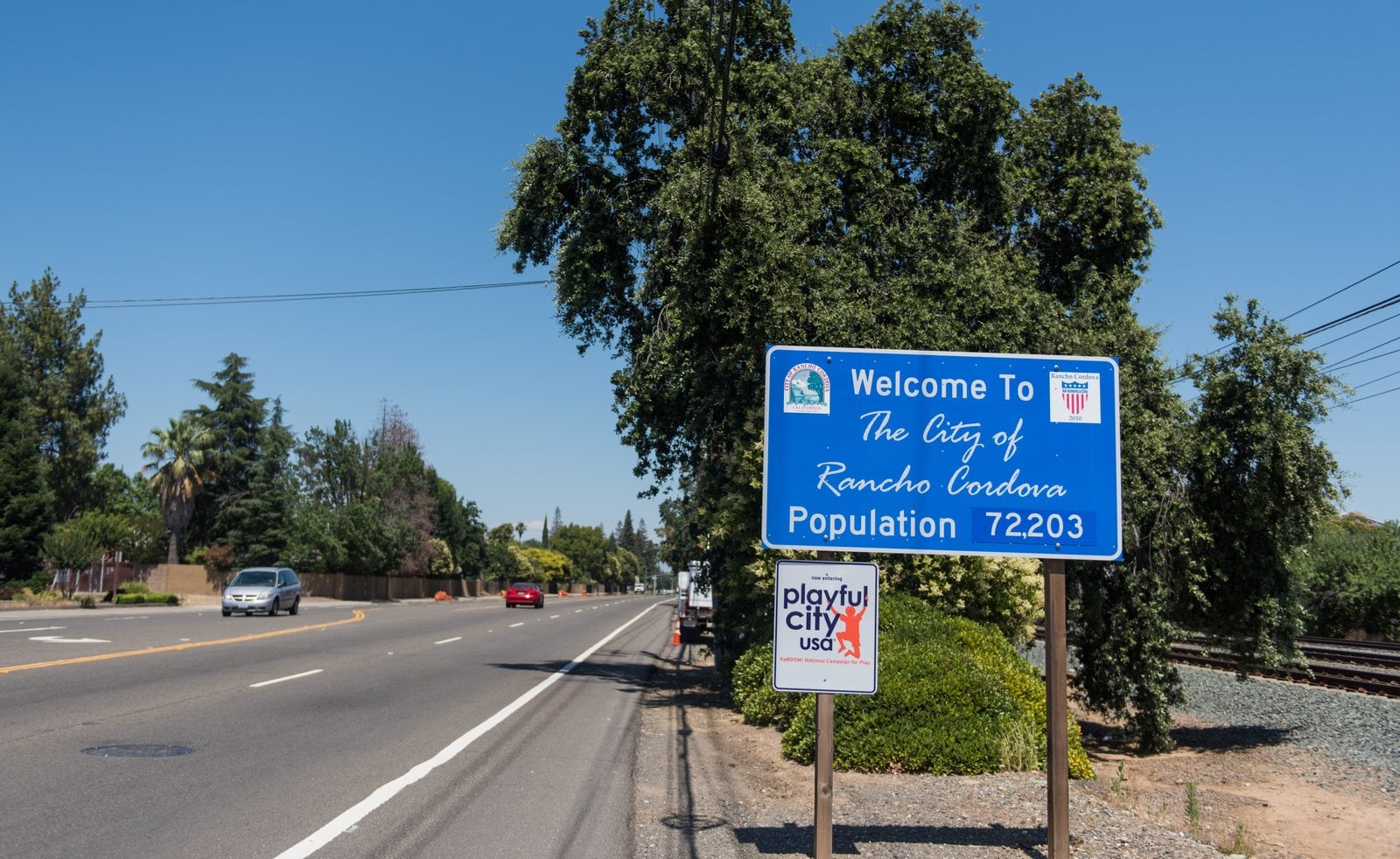
Ray Biondi, a Sacramento County Sheriff’s homicide detective who investigated the killings, told the FBI in 2016 that they were quickly linked to the East Area Rapist. “This threw a whole different light on the rape series,” he said. “It is mind-boggling that he committed so many crimes without a slip up” (FBI, June 15, 2016).
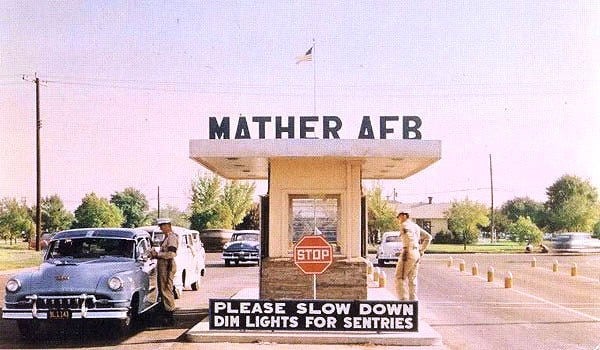
The Maggiore case was among the two charged in Sacramento County. Detectives confronted DeAngelo with it in the interview room on the day of his arrest in 2018 (factual basis read at the June 29, 2020 plea hearing).
Contra Costa and the East Bay, 1978 to 1979
From September 1977 the attacks spread beyond Sacramento County. The prosecution’s exhibit lists attacks in Stockton (San Joaquin County), Modesto (Stanislaus County) and Davis (Yolo County) in 1977 and 1978, then San Jose (Santa Clara County) in late 1978 and Fremont (Alameda County) in April 1979 (Exhibit 3, uncharged counts). His activity in 1979 “continued primarily in the East Bay Area of Northern California,” the FBI said (FBI Sacramento press release).
In Contra Costa County, DeAngelo admitted four attacks charged as kidnapping to commit robbery between October 7, 1978, and June 11, 1979, as well as uncharged attacks in Danville and Walnut Creek (Outline of Charged Cases; Exhibit 3). DNA from Contra Costa rapes later became one of the links that tied the northern and southern crimes together (factual basis read at the June 29, 2020 plea hearing).
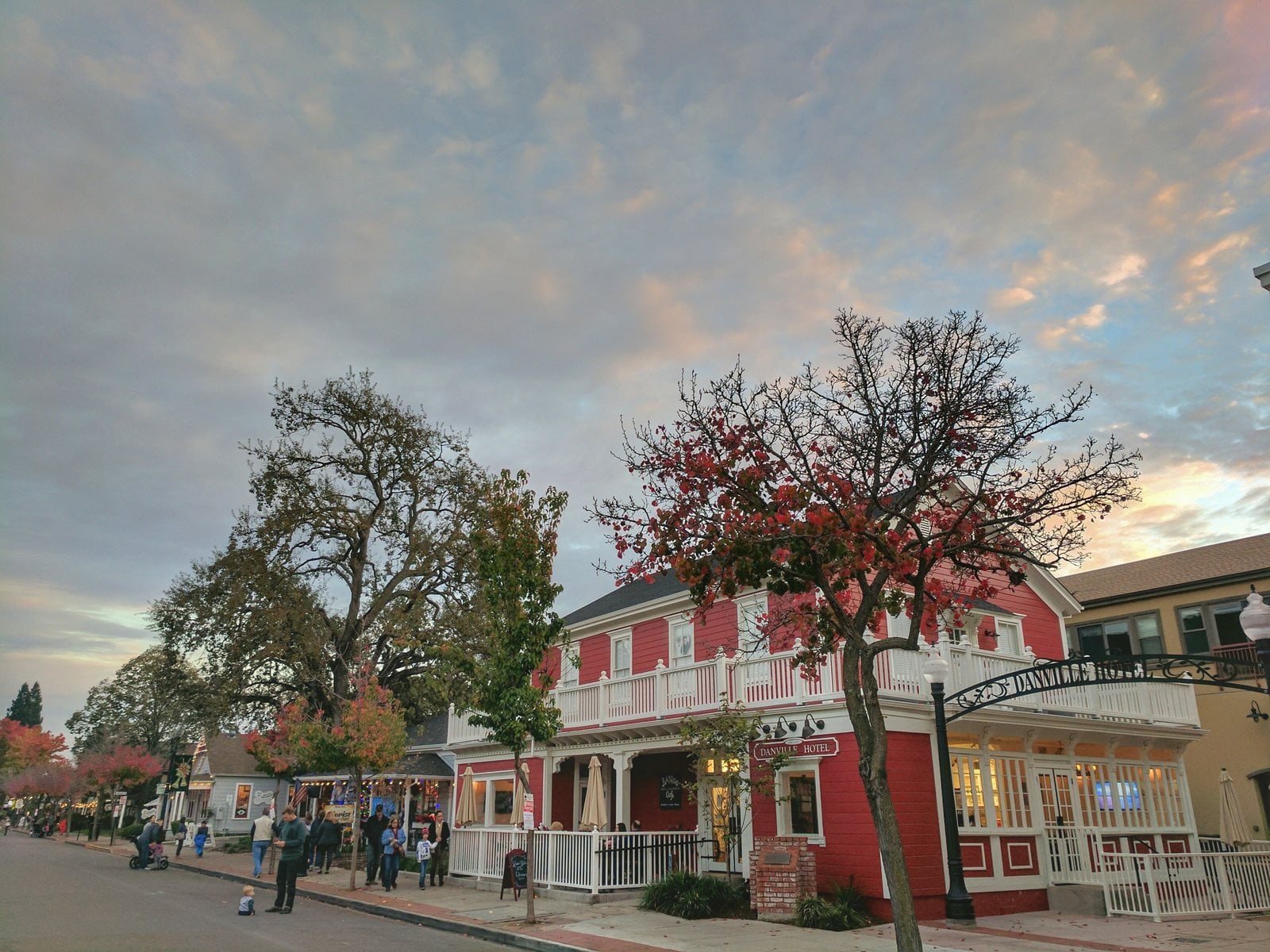
People magazine reported that after a December 1978 attack in Danville, investigators found tire impressions near railroad tracks and three handwritten pages, one of them an essay about a sixth-grade teacher and another with maps and the word “punishment” (People, 2025). This file has not seen those pages in an official source and attributes the description to People.
Contra Costa County investigators stayed on the case long after the attacks stopped. Paul Holes, then Contra Costa County’s assistant chief investigator, is the person who asked Sacramento District Attorney Anne Marie Schubert in 2017 to try investigative genetic genealogy (factual basis read at the June 29, 2020 plea hearing).
Southern California, 1979 to 1986
The prosecution’s factual basis says that after the Auburn firing DeAngelo moved to Southern California before later returning to Sacramento (factual basis read at the June 29, 2020 plea hearing). The FBI described what happened in the south: by late 1979 the attacker’s “activity escalated into rapes and homicides/attempted homicides along the California Coast.” In those cases, the FBI said, he tied up both victims, raped the woman, and then killed the couple (FBI Sacramento press release, June 15, 2016).
The Southern California killings he admitted were, in order: Debra Manning and Robert Offerman in Goleta, Santa Barbara County, on December 30, 1979; Lyman and Charlene Smith in Ventura in March 1980; Keith and Patrice Harrington in Dana Point, Orange County, in August 1980; Manuela Witthuhn in Irvine in February 1981; Cheri Domingo and Gregory Sanchez in Goleta on July 27, 1981; and Janelle Cruz in Irvine in May 1986 (joint DA sentencing release, Aug. 21, 2020; Outline of Charged Cases). Each of the Southern California murders was charged with special circumstances, among them murder during a burglary and, in the cases of the women, during a rape (Outline of Charged Cases; Exhibit 1, sentencing calculation).
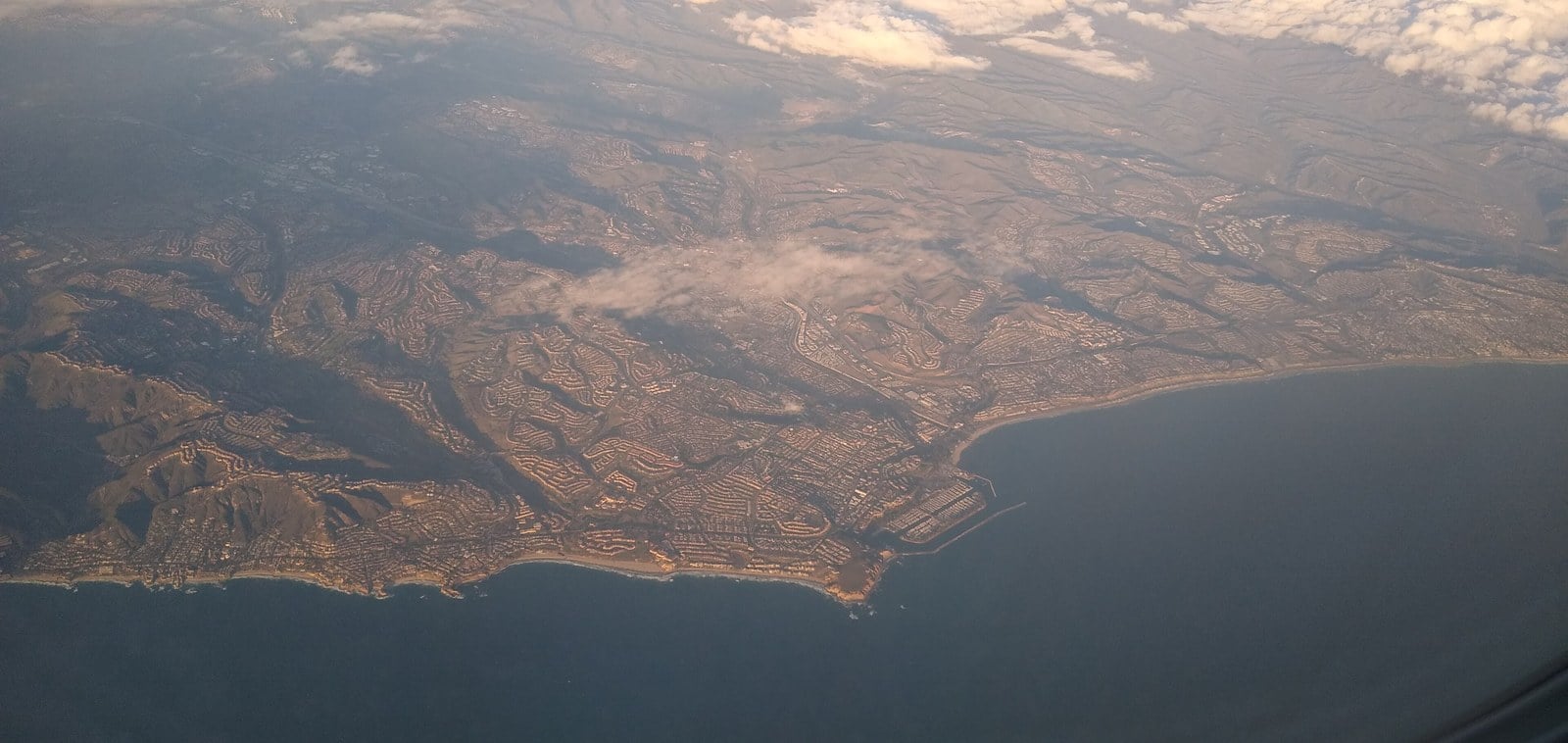
For years these cases were not formally connected to the Sacramento series. The unknown southern killer was the Original Night Stalker; the unknown northern attacker was the East Area Rapist. Over time, the prosecution said, DNA testing proved a connection between the Southern California murders and dozens of rapes in central and northern California (factual basis read at the June 29, 2020 plea hearing). The section below sets out the DNA links in the order the prosecution gave them.
After the July 1981 Goleta killings, the FBI said in 2016, “no associated incidents are known to have been reported for five years,” until Janelle Cruz was killed in Irvine in May 1986. “No additional crimes have been connected to the subject after this incident” (FBI Sacramento press release). Why he stopped, or whether he did, is among the questions the record does not answer (see What remains unknown).
The DNA links and the cold case
No DNA test existed when the crimes were committed. The FBI noted in 2016 that the investigators of the 1970s also had no cell phones, no neighborhood surveillance cameras and, in many areas, no 911 system (FBI, June 15, 2016). What they did have was preserved evidence. According to the prosecution, the connections were built over 15 years (factual basis read at the June 29, 2020 plea hearing):
- December 1996: the Orange County Sheriff’s crime laboratory matched DNA from the Harrington, Witthuhn and Cruz cases.
- 1998: the same laboratory matched the Orange County cases to the Ventura case (the Smiths).
- June 2001: the laboratory confirmed that DNA from Contra Costa County rape cases matched the Orange County and Ventura cases, joining the northern rapes to the southern murders.
- April 2011: the California Department of Justice tested the Santa Barbara Domingo and Sanchez case and uploaded the profile to the CODIS database, which linked it to the Contra Costa, Orange County and Ventura cases.
By then the case had a DNA profile but still no name. Keith Harrington’s brother, Bruce Harrington, had bankrolled a ballot initiative that California voters passed in 2004 requiring DNA collection from people arrested on felony charges, NBC News reported (NBC News, April 2018).
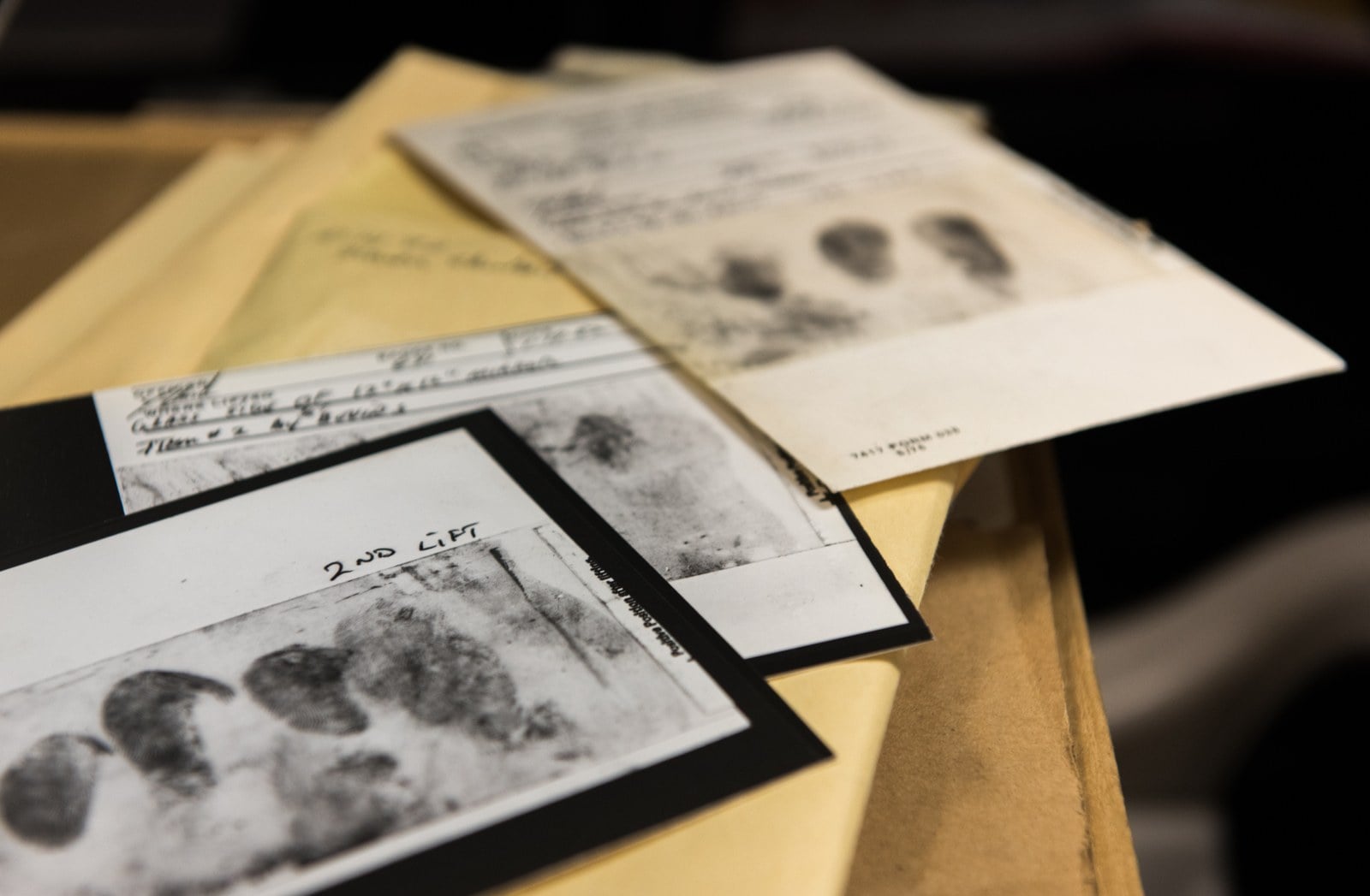
The 2016 FBI campaign
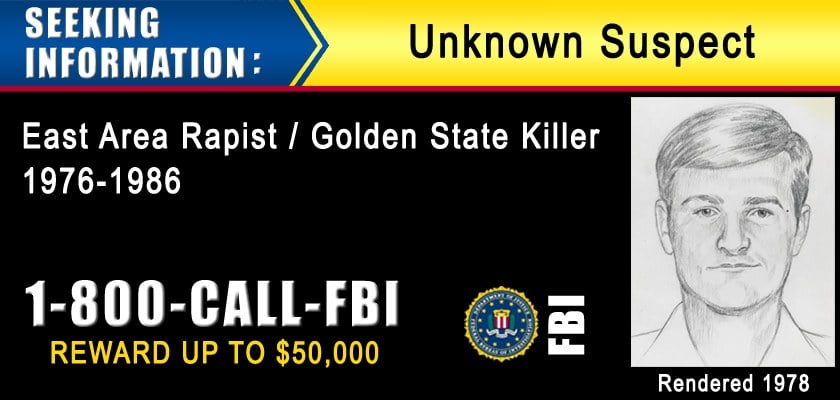
On June 15, 2016, 40 years after the first known Sacramento rape, the FBI, the Sacramento County Sheriff’s Department, the Sacramento County District Attorney’s Office and the Contra Costa Sheriff’s Department announced a $50,000 reward and a national publicity campaign, with a webpage, digital billboards across the country, social media and radio announcements (FBI Sacramento press release, June 15, 2016; factual basis read at the June 29, 2020 plea hearing). The FBI described the man they wanted as a white male about 5 feet 10 inches tall, with blond or light brown hair and an athletic build, who “may have had an interest or training in military or law enforcement techniques” and would by then be about 60 to 75 years old (FBI Sacramento press release).
The FBI also asked people to watch for hidden collections of small items. “We know that our guy took items,” Knutson said. “So if for some reason people, whether their family member is deceased or they’re cleaning out a storage unit, come across a weird collection of items such as women’s IDs, rings, earrings, anything that’s out of the ordinary, it could be significant” (FBI, June 15, 2016). Two survivors recorded interviews for the campaign, and the FBI published a 1977 audio recording of a phone call from a man it called the suspected East Area Rapist (FBI, June 15, 2016; FBI video, 2016).
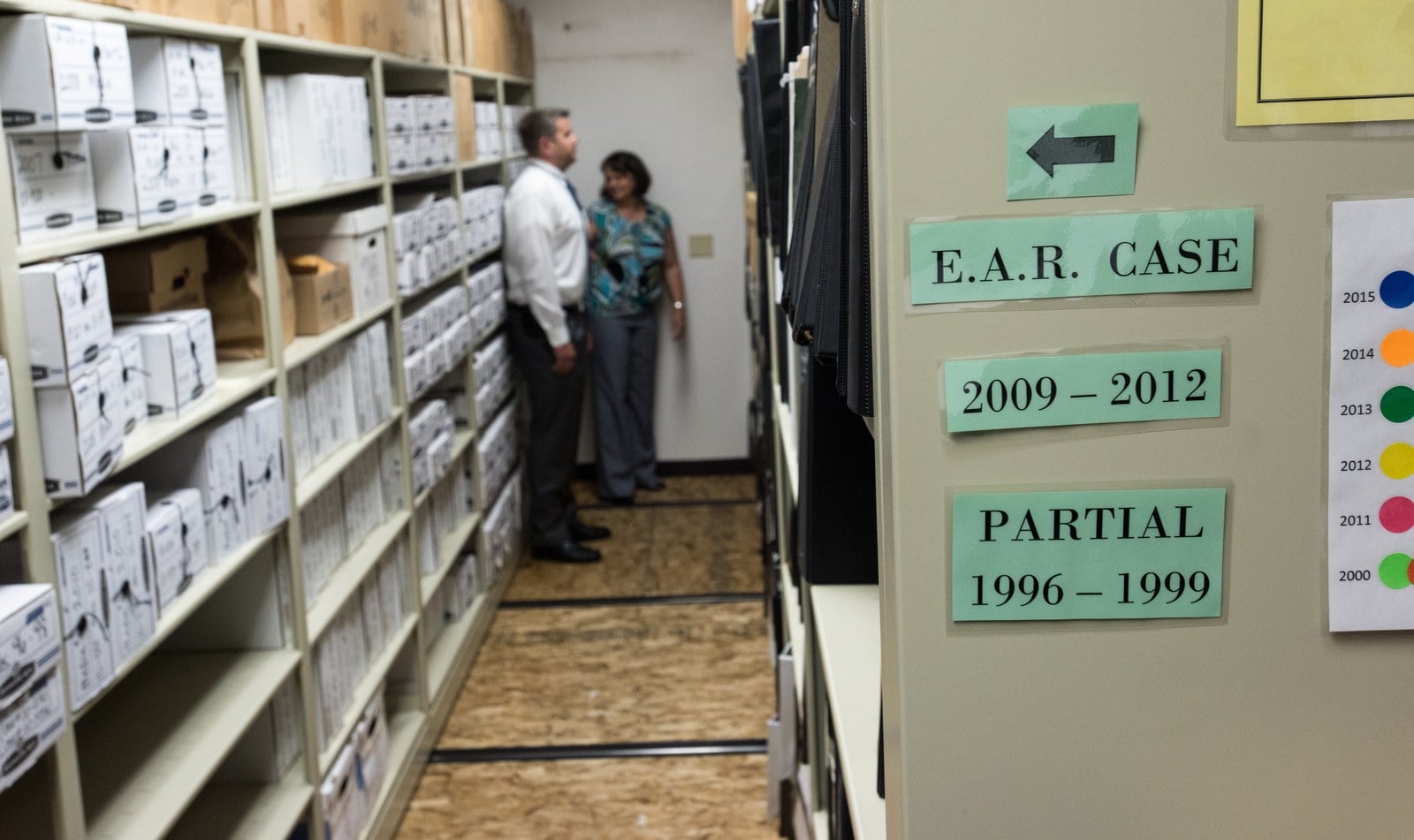
Within a few months of the 2016 announcement, Sacramento District Attorney Anne Marie Schubert convened a meeting of all the counties involved, including their elected district attorneys, and asked each to dedicate more resources to the case, according to the prosecution (factual basis read at the June 29, 2020 plea hearing).
Michelle McNamara and “I’ll Be Gone in the Dark”
Michelle McNamara was a true-crime writer and blogger in Los Angeles. Her long article “In the Footsteps of a Killer” appeared in the March 2013 issue of Los Angeles magazine. In it she described working with a determined investigator, a retired detective and “a group of online obsessives” to identify the unknown attacker, and she gave him the name that stuck: “He didn’t even have a catchy name until I coined one” (Los Angeles magazine, 2013).
McNamara died at home in Los Angeles on April 21, 2016, at the age of 46, leaving her book about the case unfinished. Her husband, the actor and comedian Patton Oswalt, said he would see it finished (Los Angeles Times, Aug. 3, 2016). “I’ll Be Gone in the Dark” was published in February 2018, two months before the arrest (NBC News, April 2018). NBC News reported that she had been convinced that genetic genealogy could help identify him (NBC News, Aug. 21, 2020). An HBO documentary series based on the book aired in 2020 (The Guardian, Aug. 18, 2020; NBC News, Aug. 21, 2020).
McNamara died two years before the identification, which the prosecution credits to the genealogy working group described below. At the sentencing, Judge Bowman thanked McNamara by name, along with law enforcement, other citizen detectives and the victims, for their “dogged persistence” (NBC News, Aug. 21, 2020).
How the Golden State Killer was caught: investigative genetic genealogy
Investigative genetic genealogy (IGG) compares a crime-scene DNA profile with the profiles of people who have tested with consumer genealogy services, looks for relatives who share DNA with the unknown person, and then builds family trees from public records to narrow down who that person could be. DeAngelo was “identified through Investigative Genetic Genealogy (IGG) in 2018,” the district attorneys said (joint DA press release, June 29, 2020).
The prosecution’s account
According to the factual basis read in court, Contra Costa assistant chief investigator Paul Holes asked Schubert in the fall of 2017 to help use the new tool. Steve Rhods, an investigator with the Ventura County District Attorney’s Office, found an unopened sexual assault kit from the Smith murders. In January 2018 a specialized DNA profile was developed from it and “uploaded to a publicly available genetic genealogy database where a list of names of potential relatives of the killer was provided.” The prosecution stressed that “no DNA or other genetic information from these potential relatives was shared with law enforcement” (factual basis read at the June 29, 2020 plea hearing).
A working group of Holes; Steve Kramer, division counsel in the FBI’s Los Angeles field office; the genealogist Barbara Rae-Venter; and Sacramento District Attorney’s Office Lt. Kirk Campbell and investigative assistant Monica Czajkowski began “the laborious process of building family trees.” On March 18, 2018, Czajkowski told the team, “we just found another guy…” (factual basis read at the June 29, 2020 plea hearing).
What was disclosed in 2018
Days after the arrest, Chief Deputy District Attorney Steve Grippi said the DNA that led investigators to DeAngelo had been submitted by a relative to a genealogy website, and that investigators followed clues in online family trees (KCRA, April 2018). NBC News reported that 23andMe, AncestryDNA and Helix all denied involvement, and that GEDmatch, a free site run by a small Florida company, acknowledged that its database “was used to help identify the Golden State Killer” and that it learned of it after the fact (NBC News, April 2018; Ars Technica, April 2018). GEDmatch warned its users: “If you are concerned about non-genealogical uses of your DNA, you should not upload your DNA to the database” (NBC News, April 2018).
What the Los Angeles Times reported in 2020
In December 2020 the Los Angeles Times reported a fuller account, based on court discovery records and interviews. According to the Times, genetic material from the rape kit was first sent to FamilyTreeDNA, which created a profile and let law enforcement set up an account to search for matching customers; that produced only distant leads. Rae-Venter then uploaded the forensic profile to MyHeritage using her personal account, and it was that search that found a much closer relative, the Times reported. A summary of the investigation written by the Ventura County District Attorney’s Office noted that the MyHeritage search violated the company’s privacy policies, according to the Times (Los Angeles Times, Dec. 8, 2020).
The Times also reported that investigators used Ancestry.com family trees to build out relatives, that an FBI search of driver’s license records narrowed a pool of six men to one with blue eyes, DeAngelo, and that the FBI later sought to keep FamilyTreeDNA’s and MyHeritage’s involvement confidential, even from his lawyers (Los Angeles Times, Dec. 8, 2020). These details come from the Times’s reporting; the official factual basis refers only to “a publicly available genetic genealogy database.”
Families split on the privacy question. Lyman Smith’s daughter, Jennifer Carole, told the Times she was unconvinced that the arrest justified a wider loss of privacy; Debbi Domingo McMullan had no such reservations; Gay Hardwick worried the methods might have given the defense grounds for appeal (Los Angeles Times, Dec. 8, 2020). For how DNA solved another long-running serial case, see TDSH’s Green River Killer case file.
Arrest of Joseph James DeAngelo and the interview room
Once the family trees pointed to DeAngelo, the Sacramento County Sheriff’s Department put him under surveillance. Detectives followed him as he rode his motorcycle on the freeway, “weaving through traffic at high speeds and using counter surveillance techniques,” prosecutors said (factual basis read at the June 29, 2020 plea hearing). Accounts of how long the surveillance lasted differ: Sheriff Scott Jones said at the time that it ran six days, and the Los Angeles Times later reported 10 days (NBC News, April 2018; Los Angeles Times, Dec. 8, 2020).
On April 23, 2018, using an empty garbage truck, detectives collected trash DeAngelo had put out on the street for collection. The Sacramento County District Attorney’s crime lab tested tissue from that trash and developed a DNA profile that matched not only DeAngelo but also the profile of the perpetrator in three Contra Costa rapes and eight Southern California murders (factual basis read at the June 29, 2020 plea hearing).
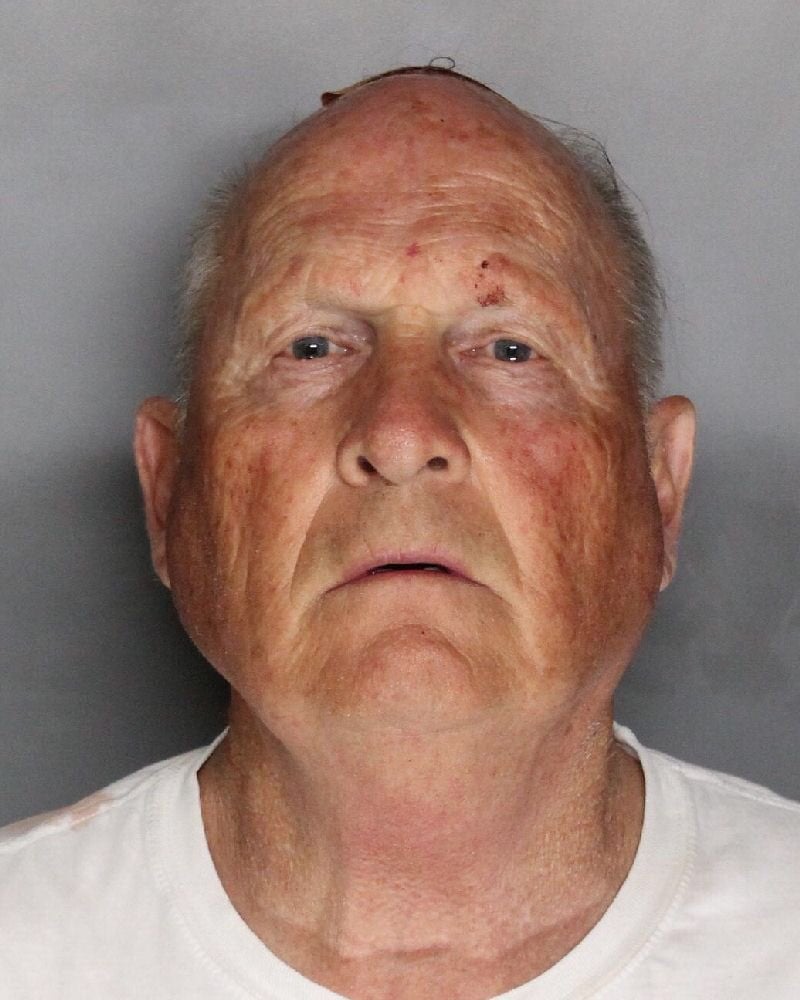
On April 24, 2018, DeAngelo, 72, was arrested while standing on the driveway of his home in Citrus Heights (factual basis read at the June 29, 2020 plea hearing; KCRA, April 2018). As he was arrested, he told officers he had a roast in the oven, KCRA reported (KCRA, April 2018). He was first held on a Ventura County warrant for the murders of Lyman and Charlene Smith (NBC News, April 2018). “This was a true convergence of emerging technology and dogged determination by detectives,” Sheriff Jones said. “In this case justice was delayed. It wasn’t swift but it will be sure” (NBC News, April 2018). Investigators spent the following days searching his house and digging in the backyard (KCRA, April 2018).
Alone in the room
Detectives interviewed DeAngelo after the arrest, confronting him with the East Area Rapist assaults and the Maggiore murders and telling him about the DNA evidence in the Ventura and Santa Barbara killings. According to the factual basis, when they left him alone he began talking to himself. Prosecutors read his words into the court record (factual basis read at the June 29, 2020 plea hearing):
“I did all that… I didn’t have the strength to push him out. He made me. He went with me. It was like, in my head, I mean, he’s a part of me. I didn’t want to do those things. I pushed Jerry out and had a happy life. I did all those things. I’ve destroyed all their lives … I raped. So now I gotta pay the price.”
Prosecutors compared his behavior to the 1979 shoplifting arrest, when, they said, he pretended to have a heart attack and acted erratically, then admitted to deputies that he had only been pretending (factual basis read at the June 29, 2020 plea hearing). The record does not identify “Jerry,” and this file does not speculate about who or what DeAngelo meant.
At sentencing in 2020, a prosecutor played video of DeAngelo in his jail cell in June and July of that year doing exercises and hoisting himself onto the top of a bunk bed, the BBC reported. In court he had appeared frail and used a wheelchair (BBC, Aug. 21, 2020).
The death-penalty notice, the plea and the survivors’ statements
Prosecutors from six counties filed charges and agreed to try him together in Sacramento (ABC News, April 10, 2019; joint DA press release). On April 10, 2019, in a four-minute hearing, prosecutors from four of those counties announced that they would seek the death penalty (NBC News, AP, April 10, 2019). The announcement came weeks after Gov. Gavin Newsom declared a moratorium on executions in California; the moratorium did not stop prosecutors from seeking death sentences (NBC News, AP). DeAngelo’s lawyer, public defender Diane Howard, said seeking death against a 73-year-old man “does not further justice and is wasteful” (NBC News, AP).
In 2020, DeAngelo offered to plead guilty in exchange for a sentence of life without parole. The district attorneys accepted after consulting victims and families; the BBC described it as a deal meant to spare him the death penalty (BBC, Aug. 21, 2020). On June 29, 2020, in a ballroom at Sacramento State, he pleaded guilty to all 26 charged counts and admitted the uncharged crimes (joint DA press release, June 29, 2020). The prosecution read a factual basis for each count into the record (factual basis read at the June 29, 2020 plea hearing).
Three days of statements, August 18 to 20, 2020
Before sentencing, survivors and families spoke for three days, beginning with survivors of the Sacramento County rapes (ABC News, Aug. 2020; joint DA sentencing release, Aug. 21, 2020). Judge Bowman urged speakers to take their time, and at one point wiped away tears (The Guardian, Aug. 18, 2020). Some survivors spoke for themselves; others had statements read by relatives, prosecutors or the detectives who had worked their cases (KCRA, Aug. 2020).
Kris Pedretti told DeAngelo that if she had her way, victim impact statements would be his only reading material for the rest of his days (KCRA, Aug. 2020; ABC News). Jane Carson-Sandler addressed him directly about the woman he had once been engaged to (People, 2025). Michelle Cruz said that in the decades after her sister’s murder, he “got married, HE raised HIS children, HE bought HIS home, HE went on vacations, and HE became a grandfather,” while “I will never be an aunt, my kids will never have cousins” (Michelle Cruz statement). Beth Snelling Hupp spoke about her father. Lori Mendonca spoke for Detective McGowen. Drew Witthuhn spoke for Manuela (Hupp statement; Mendonca statement; Witthuhn statement).
On August 21, before the judge pronounced sentence, DeAngelo removed his mask, rose from his wheelchair and spoke briefly: “I’ve listened to all your statements. Each one of them. And I’m truly sorry to everyone I’ve hurt” (BBC, Aug. 21, 2020; NBC News, Aug. 21, 2020).
Sentence and prison
Judge Bowman called the sentence the “absolute maximum” (BBC, Aug. 21, 2020). He said DeAngelo would “meet his death confined behind the walls of state penitentiary” (NBC News, Aug. 21, 2020). The formal sentence, in the district attorneys’ wording, was 11 consecutive life sentences without the possibility of parole for the 13 murder counts, consecutive to a life term for kidnapping to commit robbery, consecutive to an eight-year determinate term for the weapon enhancements (joint DA sentencing release, Aug. 21, 2020; see Legal status).
Reception. People magazine, citing the Los Angeles Times, reported that DeAngelo arrived at North Kern State Prison in Delano on November 3, 2020, to begin serving his sentences (People, 2025). North Kern served as a reception center, where the corrections department decides where inmates will be housed (ABC7, January 2021).
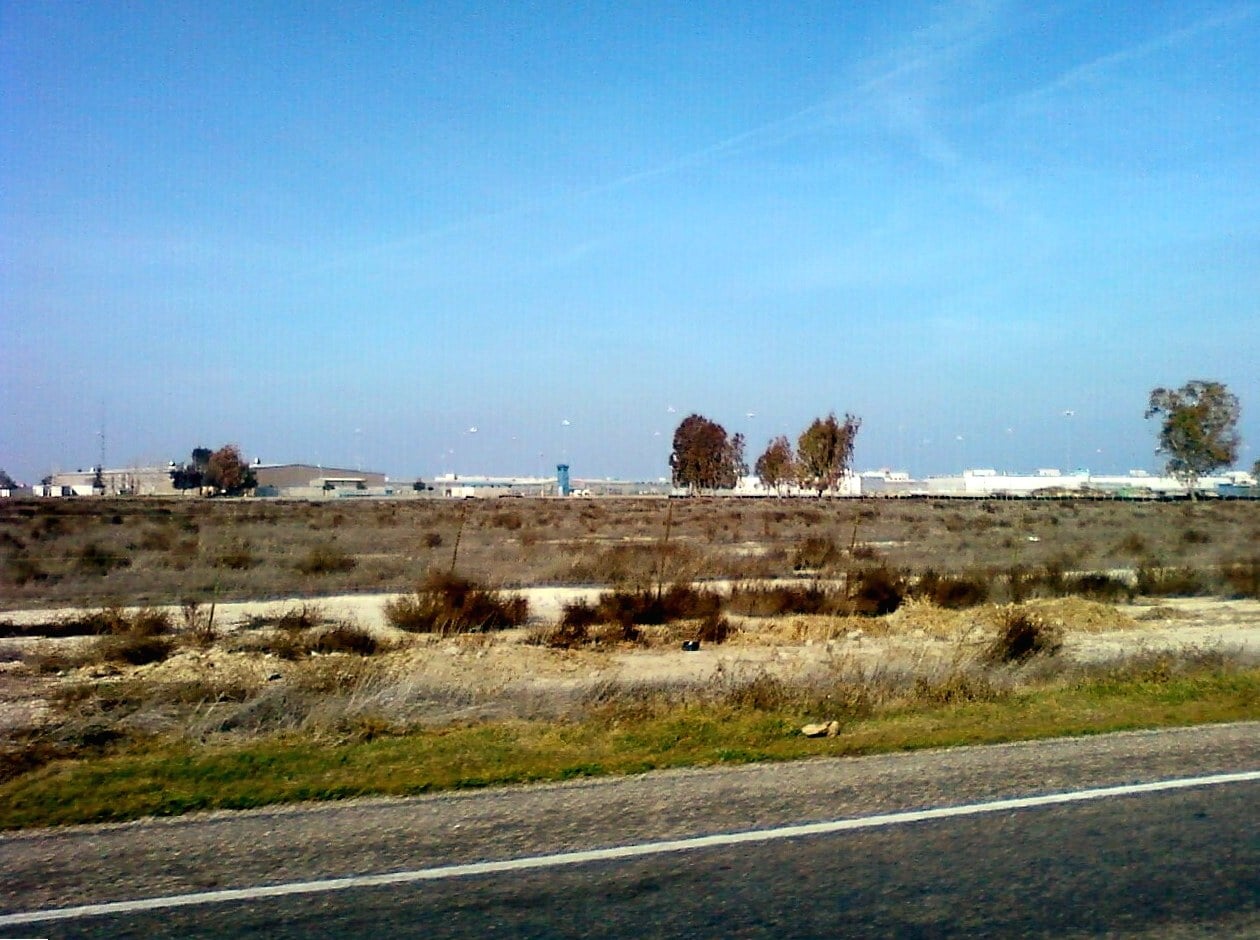
Corcoran. The California Department of Corrections and Rehabilitation said DeAngelo was transferred on January 26, 2021, to the Protective Housing Unit at California State Prison, Corcoran, which is used for inmates “whose safety would be endangered by general population housing” (ABC7, January 2021). In November 2025, Thien Ho told CNN that DeAngelo was in a protective unit at a Central Valley prison (CNN, Nov. 20, 2025). This file found no later official report of a transfer as of October 2026.
Timeline
| Date | Event | Source |
|---|---|---|
| April 1974 to December 1975 | The Visalia Ransacker commits more than 100 burglaries in Visalia | Exhibit 3 |
| 1975 | DeAngelo’s crimes begin while he is an Exeter police officer, the DAs say | DA release |
| Sept. 11, 1975 | Claude Snelling killed in Visalia | DA release |
| Dec. 10, 1975 | Visalia Detective William McGowen shot at; bullet strikes his flashlight | Exhibit 3 |
| 1976 | DeAngelo joins the Auburn Police Department | KCRA |
| June 18, 1976 | First attack in the Sacramento County series listed in the uncharged counts | Exhibit 3 |
| Feb. 2, 1978 | Katie and Brian Maggiore killed in Rancho Cordova | DA release |
| Oct. 1978 to June 1979 | Charged kidnappings in Contra Costa County | Outline |
| 1979 | Fired from the Auburn Police Department after a shoplifting arrest | Factual basis |
| Dec. 30, 1979 | Debra Manning and Robert Offerman killed in Goleta | DA release |
| March 1980 | Lyman and Charlene Smith killed in Ventura | DA release |
| August 1980 | Keith and Patrice Harrington killed in Dana Point | DA release |
| February 1981 | Manuela Witthuhn killed in Irvine | DA release |
| July 27, 1981 | Cheri Domingo and Gregory Sanchez killed in Goleta | DA release |
| May 1986 | Janelle Cruz killed in Irvine, the last known murder | DA release |
| December 1996 | Orange County crime lab links the Harrington, Witthuhn and Cruz cases by DNA | Factual basis |
| 1998 | Orange County cases linked to the Ventura case | Factual basis |
| June 2001 | Contra Costa rapes linked to the southern murders | Factual basis |
| April 2011 | Santa Barbara Domingo and Sanchez case linked through CODIS | Factual basis |
| March 2013 | Michelle McNamara’s “In the Footsteps of a Killer” names him the Golden State Killer | Los Angeles magazine |
| April 21, 2016 | Michelle McNamara dies at 46 | Los Angeles Times |
| June 15, 2016 | FBI announces a $50,000 reward and national campaign | FBI |
| Fall 2017 | Paul Holes proposes investigative genetic genealogy | Factual basis |
| January 2018 | Genealogy DNA profile developed from the Smith sexual assault kit | Factual basis |
| February 2018 | “I’ll Be Gone in the Dark” published | NBC News |
| March 18, 2018 | Genealogy team: “we just found another guy…” | Factual basis |
| April 23, 2018 | DNA collected from his trash | Factual basis |
| April 24, 2018 | DeAngelo arrested in Citrus Heights | Factual basis |
| April 10, 2019 | Prosecutors in four counties announce they will seek death | NBC News |
| June 29, 2020 | Guilty pleas to 13 murders and 13 kidnappings; 161 uncharged crimes admitted | DA release |
| Aug. 18 to 20, 2020 | Victim impact statements | ABC News |
| Aug. 21, 2020 | Sentenced to life without the possibility of parole | DA release |
| Nov. 3, 2020 | Arrives at North Kern State Prison, per People citing the Los Angeles Times | People |
| Jan. 26, 2021 | Moved to the Protective Housing Unit at CSP Corcoran | ABC7 |
| November 2025 | Thien Ho publishes “The People vs. the Golden State Killer” | CNN |
Myths and corrections
- Myth: he was caught through 23andMe or Ancestry’s DNA database. NBC News reported in 2018 that 23andMe, AncestryDNA and Helix all denied involvement, and GEDmatch acknowledged its database was used (NBC News, April 2018). The Los Angeles Times reported in 2020 that FamilyTreeDNA and MyHeritage were also searched, and that Ancestry.com family trees, not Ancestry DNA matches, were used to build out relatives (Los Angeles Times, Dec. 8, 2020).
- Myth: the Original Night Stalker was Richard Ramirez. Ramirez was the “Night Stalker” of the mid-1980s. The “Original Night Stalker” name for the Southern California killer of couples was derived from Ramirez’s nickname, Michelle McNamara wrote; they are different men (Los Angeles magazine, 2013).
- Myth: he committed all of his crimes while serving as a police officer. The district attorneys said his crimes began in 1975 while he was an Exeter police officer and “continued long after he was fired from the Auburn Police Department in 1979” (joint DA press release). All of the Southern California murders came after the firing.
- Myth: he was sentenced to death. Prosecutors announced in 2019 that they would seek death, but he pleaded guilty in exchange for life without parole (NBC News, AP, April 10, 2019; joint DA sentencing release, Aug. 21, 2020).
- Myth: Michelle McNamara identified him. She died in 2016, two years before the arrest. The prosecution credits the genealogy working group; the judge thanked McNamara at sentencing for her persistence (factual basis read at the June 29, 2020 plea hearing; NBC News, Aug. 21, 2020).
- Myth: he was convicted of rape. He admitted dozens of rapes as uncharged crimes, but the rapes could not be charged because the statute of limitations had run out. His convictions are for murder and kidnapping to commit robbery (The Guardian, Aug. 18, 2020; joint DA sentencing release, Aug. 21, 2020).
- Myth: the FBI’s 12 homicides is the full count. The FBI’s 2016 figure of 12 homicides predates the linking of the 1975 Snelling murder. He pleaded guilty to 13 murders (FBI Sacramento press release; joint DA sentencing release, Aug. 21, 2020).
- Correction: some 2018 to 2020 reports described the charges as kidnapping to commit rape, or as rape charges. The charged kidnapping counts were for kidnapping to commit robbery (joint DA sentencing release, Aug. 21, 2020).
What remains unknown
- Why the five-year gap, and why 1986. No crimes are known between July 1981 and May 1986, and none after Janelle Cruz (FBI Sacramento press release). Thien Ho told CNN in 2025 that there is a three-year period, from 1986 to 1989, when DeAngelo was living in Los Angeles and investigators are not sure where he was or what he was doing. “How do you know he stopped in 1986?” Ho said (CNN, Nov. 20, 2025). That is a prosecutor’s open question, not a finding.
- The full count. The prosecution’s 87 victims and 53 crime scenes are the crimes DeAngelo admitted (joint DA sentencing release, Aug. 21, 2020). The FBI’s 2016 count of more than 120 burglaries, and the more than 100 Visalia burglaries, were not individually charged (FBI, June 15, 2016; Exhibit 3).
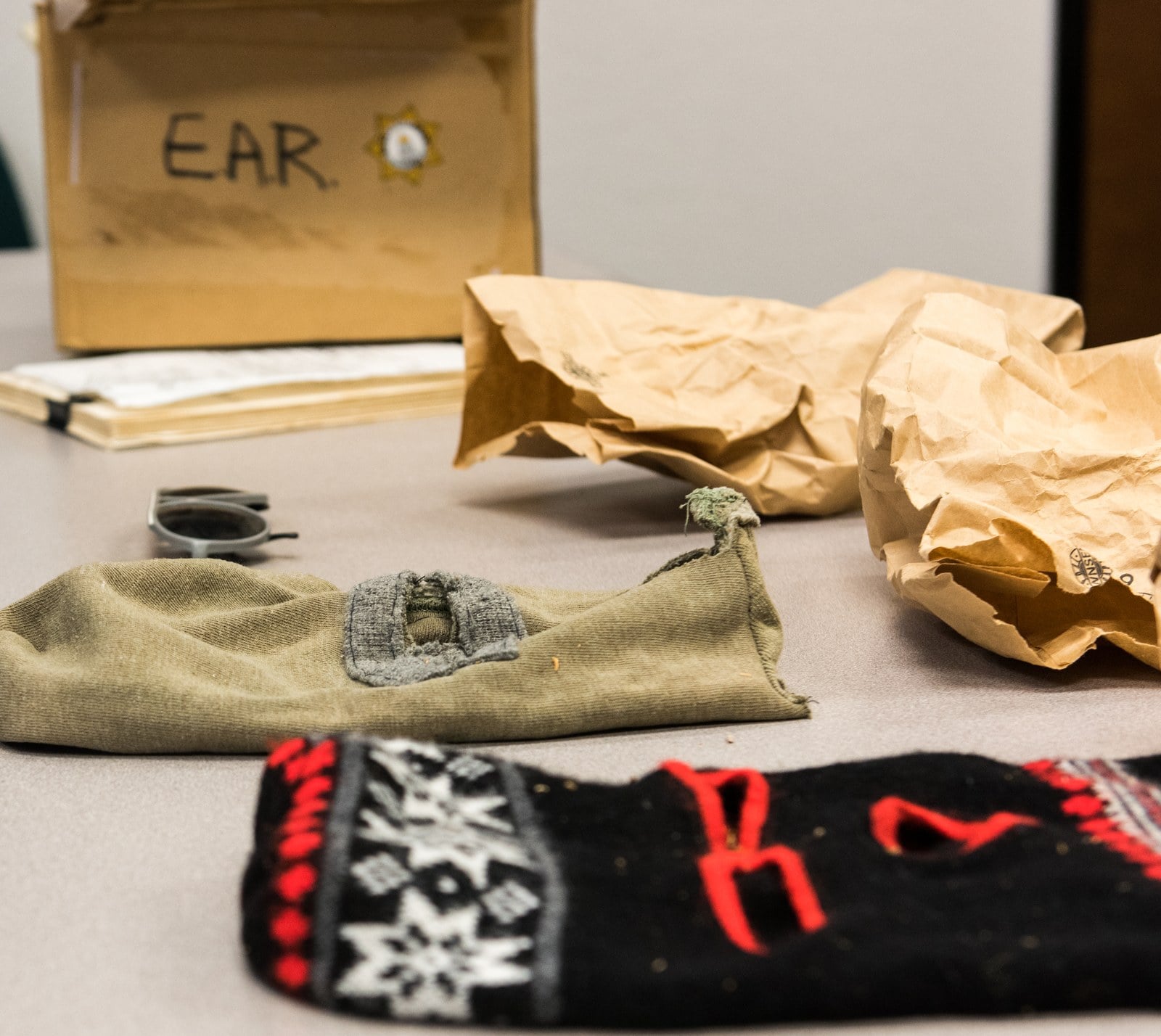
- The items he took. The FBI said he took coins, jewelry and identification, and asked the public to watch for hidden collections (FBI, June 15, 2016). This file found no official public account of what, if anything, was recovered.
- “Jerry.” The name in his interview-room monologue is not explained in the court record (factual basis read at the June 29, 2020 plea hearing).
- The Danville pages. People magazine reported handwritten pages found after a 1978 Danville attack (People, 2025). Their authorship has not been addressed in the official documents reviewed for this file.
Sources and image credits
Court and prosecution records. The district attorneys published the plea and sentencing documents on a joint press site, which is now often blocked to automated access; the links below go to archived copies (press materials site).
- Joint DA press release, June 29, 2020 (plea)
- Joint DA press release, Aug. 21, 2020 (sentencing)
- Factual basis read at the June 29, 2020 plea hearing
- Outline of Charged Cases
- First Amended Felony Complaint, case 18FE008017
- People’s sentencing memorandum
- Exhibit 1: sentencing calculation
- Exhibit 3: factual basis for uncharged crimes
- Victim impact statement, Elizabeth Snelling Hupp
- Victim impact statement for William McGowen, by Lori Mendonca
- Victim impact statement, Michelle Cruz
- Victim impact statement, Drew Witthuhn
- Tulare County District Attorney, Aug. 21, 2020
FBI.
- FBI Sacramento press release, June 15, 2016
- FBI story, “Help Us Catch the East Area Rapist,” June 15, 2016
- FBI video, 2016
- FBI survivor video, 2016
Reporting.
- KCRA, profile, April 2018
- KCRA, genealogy, April 2018
- KCRA, victim statements, August 2020
- KCRA, first day of hearings, August 2020
- NBC News, arrest, April 2018
- NBC News, genealogy, April 2018
- NBC News (AP), death penalty, April 10, 2019
- NBC News, sentencing, Aug. 21, 2020
- ABC News, death penalty, April 10, 2019
- ABC News, survivors, August 2020
- ABC7, Corcoran transfer, January 2021
- BBC, sentencing, Aug. 21, 2020
- The Guardian, Aug. 18, 2020
- Los Angeles Times, “Man in the Window,” Dec. 8, 2020
- Los Angeles Times, Aug. 3, 2016
- Michelle McNamara, “In the Footsteps of a Killer,” Los Angeles magazine, 2013
- Ars Technica, April 2018
- CNN, Nov. 20, 2025
- People, 2025
Images. All images are stored locally by TDSH and were resized for the web where needed. FBI photographs are US federal government works in the public domain (17 USC 105). DeAngelo’s 2018 booking photograph was released by the Sacramento County Sheriff’s Office (Sacramento County Sheriff’s Office on X, April 25, 2018) and is used under fair use for news commentary and criticism. Other photographs are from Wikimedia Commons under the licenses stated in each caption. No crime-scene, victim or courtroom pool photographs are used.
Related on TDSH: Green River Killer: Gary Ridgway, DNA and timeline; Edmund Kemper case file; Hillside Stranglers case file; How the FBI classifies serial killers; Serial killers: psychology and what the evidence shows.
Browse every case in the Case File Index
Discover more from The Dark Side of Humanity
Subscribe to get the latest posts sent to your email.