FILE NO. 0012Case status Closed
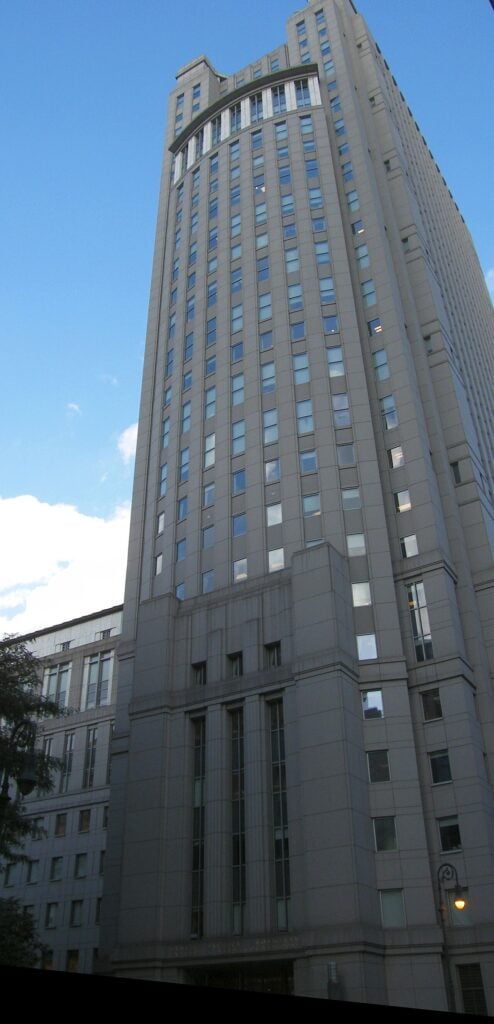
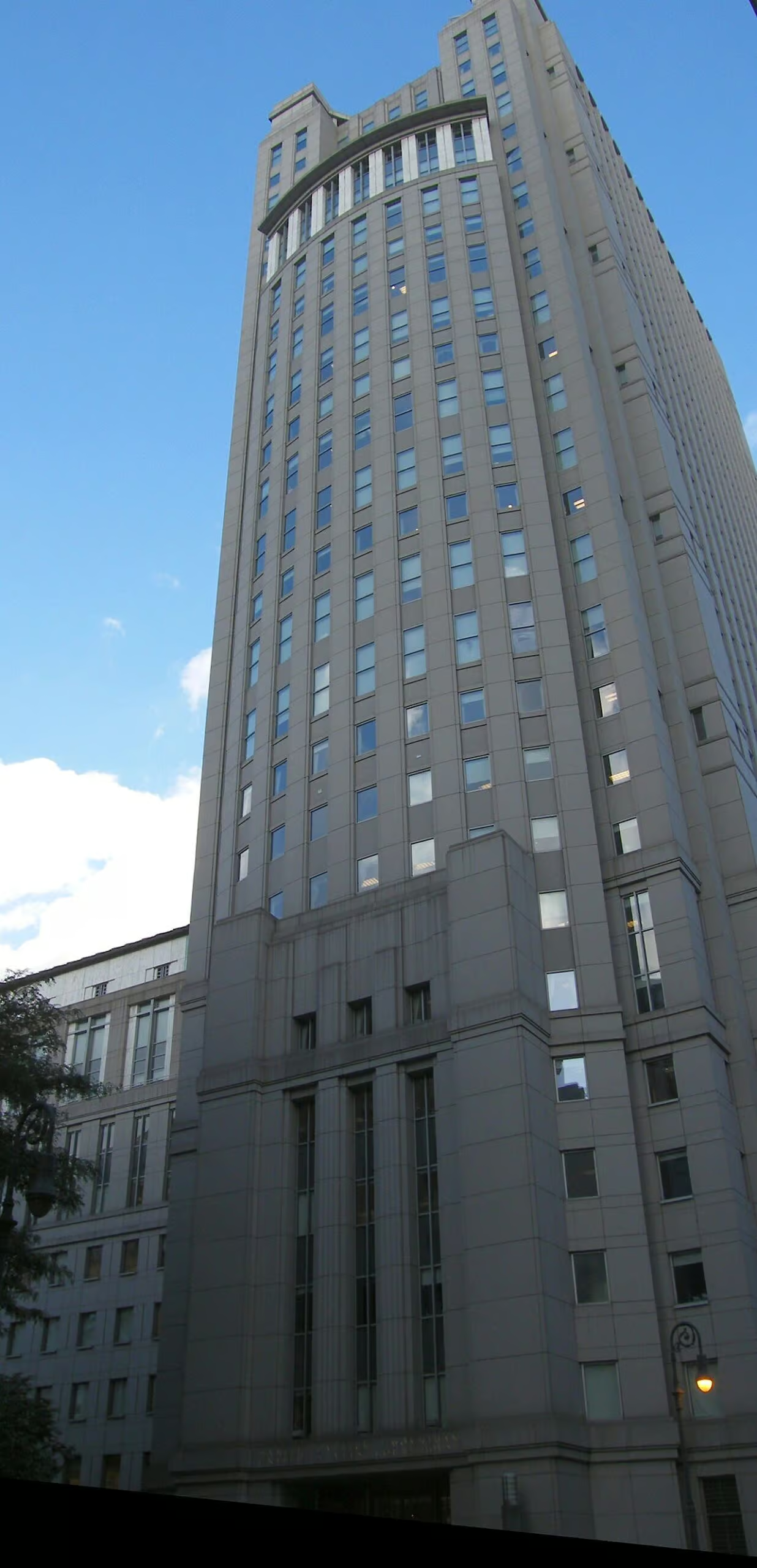
Gilberto Valle was a New York City police officer when he was arrested in October 2012 and charged with conspiring to kidnap women he knew, among them his wife. In March 2013 a federal jury convicted him. In June 2014 the trial judge set the conspiracy verdict aside, and on December 3, 2015, the United States Court of Appeals for the Second Circuit affirmed that acquittal and reversed his only remaining conviction. Valle stands acquitted of every charge. The appeals court opened its opinion with one sentence that sums up the case: “This is a case about the line between fantasy and criminal intent.”
The Officer
Gilberto Valle III was born on April 14, 1984, and grew up in Queens, attending Archbishop Molloy High School. He graduated from the University of Maryland in 2006 with a degree in psychology and joined the NYPD that same year. He was assigned to the 26th Precinct in Morningside Heights, Manhattan. He married Kathleen Mangan in 2010, and their daughter was born in early 2012.
According to the Second Circuit, Valle had no prior criminal record, and “there is no evidence that he ever acted violently or threateningly towards anyone.”
Dark Fetish Network
Valle was an active member of an internet sex fetish community called Dark Fetish Network, or DFN. The court found that he chatted with people around the world whom he knew only by screen names such as “Moody Blues” or “Aly Khan,” or by email addresses, usually late at night and early in the morning after his shifts. He sent them photographs of women he knew, including his wife, her colleagues and his own friends, and the chats described kidnapping, torturing, raping, killing, cooking and eating those women.
The scale mattered later. Valle chatted with 24 people on DFN and discussed up to 100 different women. The court found no evidence that he ever learned the real identity of anyone he chatted with, and no evidence that he made concrete plans to meet any of them, phone them, or talk by webcam.
How the Case Began
The case did not start with a police investigation. In September 2012 Mangan found disturbing images of dead women on a laptop the couple shared. She installed spyware that logged every website visited and took a screenshot every five minutes. Through it she found emails and chats in which Valle discussed butchering her and raping and torturing other women they knew. She confronted him, moved out with their daughter and contacted federal authorities.
Our earlier version of this file said the chats were discovered by the FBI during a child pornography investigation. That is wrong. The court record says the chats came to light because his wife found them and reported them.
Valle was arrested on October 25, 2012, and was later fired from the NYPD.
The Charges
Prosecutors charged Valle with a single count of conspiracy to kidnap. They named three alleged co-conspirators out of the 24 people he chatted with:
- Michael VanHise, a New Jersey man Valle knew only through two email addresses.
- An unidentified person apparently in Pakistan who used the name “Aly Khan.”
- Dale Bolinger, a man in England known to Valle only as “Moody Blues.”
The indictment named five women as targets: Kathleen Mangan; Alisa Friscia, her former co-worker; Andria Noble; Kristen Ponticelli; and Kimberly Sauer, a former college classmate of Valle’s living in Maryland.
A second count charged him under the Computer Fraud and Abuse Act. As an officer, Valle could use a program called Omnixx Force Mobile to search restricted databases, including the FBI’s National Crime Information Center. NYPD rules, which he knew, allowed those searches only for official duties. In May 2012 he searched for Maureen Hartigan, a woman he had known since high school and had discussed kidnapping with Aly Khan. No law enforcement purpose was ever claimed for that search.
The Trial
The government’s evidence included the chats and emails, testimony from several of the named women, including his wife, videos and images from his computer, his search and browsing history, and parts of a statement he made after his arrest. The defense said throughout that the chats were fantasy and that he never meant to act on them. Wikipedia’s account says the conspiracy count carried a maximum of life in prison.
After a 13 day trial, the jury found Valle guilty on both counts in March 2013.
Real Chats and Fantasy Chats
The heart of the case was testimony from FBI Special Agent Corey Walsh, the lead agent who reviewed the chats. He testified that he, prosecutors and other agents reviewed every email and chat on Valle’s computer and concluded that his conversations with 21 of the 24 DFN users were “fantasy.” The three they charged, the team said, contained “elements of real crime” because they “described dates, names, and activities that you would use to conduct a real crime.”
The appeals court noted there was no evidence that anyone on the prosecution team had special training in telling real chats from fantasy ones. Walsh conceded that the fantasy chats shared many of the same features as the supposedly real ones: dates for kidnappings, acts of sexual violence, claimed surveillance, and fantastical details such as human sized ovens and rotisseries.
The court gave a concrete example. On the evening of July 12, 2012, Valle discussed kidnapping Andria Noble with Aly Khan in a chat the government called real. An hour later he discussed kidnapping Noble with someone else in a chat it accepted as fantasy.
The Impossible Plans
The chats also contradicted each other. The court laid out three plots set for the same date, February 20, 2012:
- With Aly Khan, to lure Mangan to India or Pakistan and kill her there.
- With VanHise, to kidnap Alisa Friscia in Manhattan and deliver her for $4,000 in cash.
- With Aly Khan, to kidnap Andria Noble from her home in Columbus, Ohio.
Judge Gardephe called the idea that Valle meant all three “simply outlandish.” When dates came and went, the men simply moved on to another woman. The judge compared that to the way “a consumer of pornography might turn to a different image, photograph, or movie.”
Kimberly Sauer and the Blueprint
The government’s strongest evidence, and the focus of the dissent on appeal, involved Kimberly Sauer and Moody Blues. Sauer testified that she exchanged texts with Valle about 10 to 15 times a year. In January 2012 he asked her for her address so he could send her a Patrolmen’s Benevolent Association card.
In a chat on July 9, 2012, Valle told Moody Blues that Sauer was “by far the easiest” to take because he could “just show up at her home unannounced.” He offered to make chloroform and buy rope, and talked of a “Labor Day cookout.” Moody Blues answered that Labor Day was “not a lot of time to sort out plane tickets.”
The next day Valle sent him a document titled “Abducting and Cooking Kimberly: A Blueprint,” with a target date of September 2, 2012. It had her photograph and correctly gave her age and marital status. The court found that all the other details in it were false, including her last name, date of birth, birthplace and education. In the same chats Valle said he was single, lived far from neighbors and had a mountain house. None of that was true.
After July, the two did not talk again for a month. On August 21 they moved on to discussing Kristen Ponticelli, a recent graduate of Valle’s high school whom he did not know. The court found no evidence they discussed Sauer or Ponticelli again, and the September 2 date passed without a word about it.
The Surveillance Claim
Prosecutors also pointed to what they called surveillance. In his statement after his arrest, Valle admitted he had been on Friscia’s block on March 1, 2012, two days after he allegedly agreed with VanHise to kidnap her. He told an agent he was dropping Mangan off for lunch with Friscia. Both women testified they did not remember that lunch. The appeals court agreed with the trial judge that no rational juror could call this surveillance on that evidence alone.
The earlier version of this file said prosecutors cited a rope and a stun gun found in his possession. We could not find that in the court opinions we read, so we have removed it. The court records describe Valle offering in the chats to buy rope and make chloroform.
The Acquittal
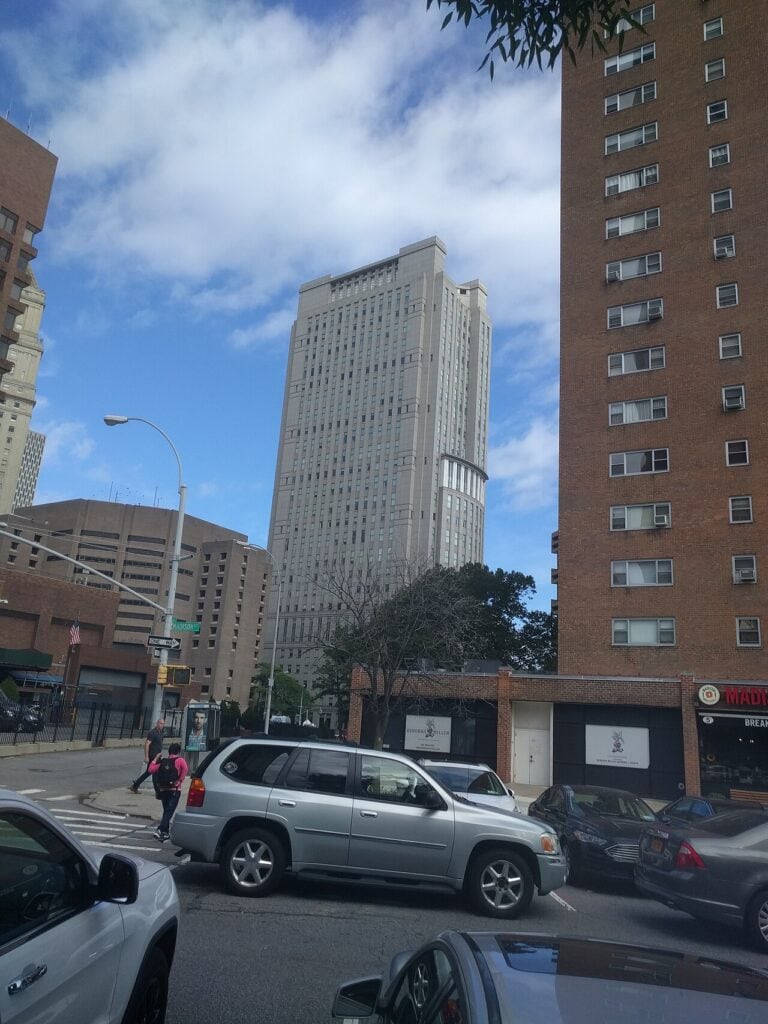
Valle moved for a judgment of acquittal. In a 118 page opinion, United States v. Valle, 301 F.R.D. 53 (S.D.N.Y. 2014), U.S. District Judge Paul G. Gardephe granted the motion on the conspiracy count in June 2014. He found that the government had not proved beyond a reasonable doubt that Valle agreed with anyone to kidnap a woman or that he intended to.
The judge wrote that the real and fantasy chats both involved Facebook photographs, kidnapping dates, prices, claimed surveillance, chloroform, sexual violence, and fantastical elements like soundproofed basements and pulley devices for torture. He found the alleged conspirators never swapped contact details or tried to learn each other’s real names, and the chats were episodic, with months often passing between them. Valle, he wrote, gave the other men “a veritable avalanche of false, fictitious, and fantastical information.”
He also conditionally granted a new trial and voiced concern about the prosecution’s repeated references to Valle being a police officer. “Once the lies and the fantastical elements are stripped away,” he wrote, “what is left are deeply disturbing misogynistic chats and emails written by an individual obsessed with imagining women he knows suffering horrific sex-related pain, terror, and degradation.” He worried the verdict had been driven by “disgust and revulsion.”
Judge Gardephe refused to acquit on the computer count, finding Valle’s search fell “squarely within the plain language” of the law. Valle was sentenced to 12 months, which the appeals court described as principally time served since he had already spent 20 months in pretrial detention, plus one year of supervised release and a $25 assessment. Wikipedia reports that he spent seven months of his detention in solitary confinement and that his supervised release included mental health treatment.
The Second Circuit
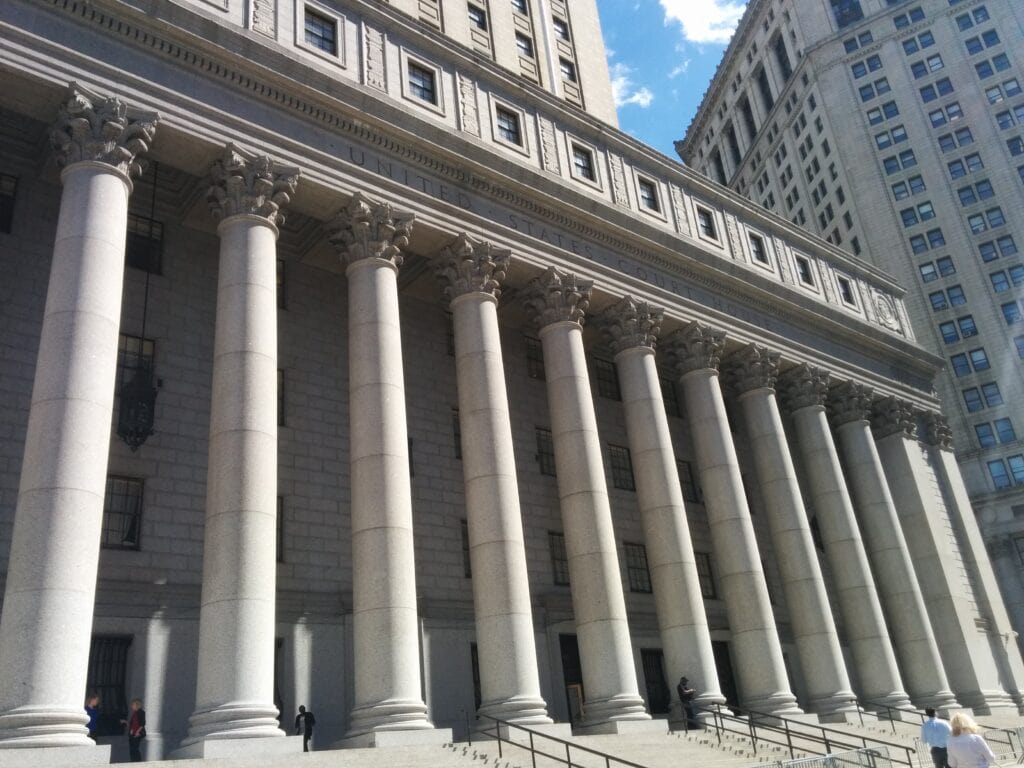
The government appealed the acquittal and Valle appealed the computer conviction. On December 3, 2015, in United States v. Valle, 807 F.3d 508 (2d Cir. 2015), the court ruled two to one in his favor on both. Judge Barrington D. Parker wrote for the majority. Judge Chester J. Straub dissented.
On the conspiracy, the majority wrote: “Fantasizing about committing a crime, even a crime of violence against a real person whom you know, is not a crime.” It added that this “does not mean that fantasies are harmless,” calling fantasies of violence against women “both a symptom of and a contributor to a culture of exploitation.” But it held that “the mere indulgence of fantasy, even of the repugnant and unsettling kind here, is not, without more, criminal.”
On the computer count, the court decided for the first time in the circuit what “exceeds authorized access” means under the Computer Fraud and Abuse Act. Other circuits had split. Because the law could be read either way, the court applied the rule of lenity and held that the law reaches only people who obtain information they have no right to access at all, not authorized users acting with an improper purpose. That reversed Valle’s conviction.
Judge Straub would have reinstated the jury’s verdict. In his view the jury could reasonably find that the plot with Bolinger over Sauer was real, pointing to the blueprint and to Valle meeting Sauer in Maryland, and he stressed that a conspiracy is a crime even if it is later abandoned.
Afterward
The case was the subject of the HBO documentary Thought Crimes: The Case of the Cannibal Cop, directed by Erin Lee Carr, which debuted on May 11, 2015. Valle co-wrote a memoir with Brian Whitney, Raw Deal: The Untold Story of the NYPD’s “Cannibal Cop.” An episode of Law and Order: Special Victims Unit titled “Thought Criminal” was inspired by the case.
The case is still cited for its central holding. A jury found Valle guilty, but two courts found the evidence could not separate his chats from fantasy. However disturbing the chats were, the law treated them as words, not an agreement to commit a crime.
Frequently Asked Questions
Who is the Cannibal Cop?
Gilberto Valle, a former NYPD officer arrested on October 25, 2012, and charged with conspiring to kidnap women he knew, including his wife.
How was the case discovered?
His wife, Kathleen Mangan, found disturbing material on a shared laptop in September 2012, installed spyware, found the chats and contacted federal authorities. It did not begin with a child pornography investigation.
Was Valle convicted?
A jury convicted him in March 2013 of conspiracy to kidnap and of a computer crime. Both convictions were later overturned.
Why did the judge overturn the jury’s verdict?
Judge Paul G. Gardephe found the chats the government called real were indistinguishable from the 21 chats it accepted as fantasy, and that the evidence did not prove an agreement or intent to kidnap.
What did the Second Circuit decide?
On December 3, 2015, in a two to one decision, it affirmed the acquittal on conspiracy and reversed the computer conviction under a narrow reading of the Computer Fraud and Abuse Act.
What was the computer charge?
In May 2012 Valle searched a police database for a woman he knew, with no law enforcement purpose. The Second Circuit held this did not exceed authorized access under the law.
Who dissented?
Judge Chester J. Straub, who would have reinstated the conspiracy verdict based on the chats with Dale Bolinger about Kimberly Sauer.
How long was Valle in custody?
The Second Circuit said he had spent 20 months in pretrial detention before being sentenced on the computer count to 12 months, principally time served.
Sources
Citations & Sources
- United States v. Valle, 807 F.3d 508 (2d Cir. Dec. 3, 2015), Nos. 14 2710 cr and 14 4396 cr, majority and dissent (FindLaw text).
- United States v. Valle, 301 F.R.D. 53 (S.D.N.Y. 2014), as quoted and summarized in the Second Circuit opinion.
- Wikipedia, “United States v. Valle” (biography, arrest date, detention and media details).
Discover more from The Dark Side of Humanity
Subscribe to get the latest posts sent to your email.