FILE NO. 0163Case status Convicted
Paul Bernardo is a Canadian serial sexual offender and convicted murderer serving a life sentence as a dangerous offender. His crimes include the abductions and murders of teenagers Leslie Mahaffy and Kristen French, which escalated from a series of violent sexual assaults committed in Scarborough during the late 1980s.

The case highlighted significant institutional failures, particularly a prolonged delay in processing DNA evidence after police initially interviewed Bernardo in 1990. Transferred to a medium-security institution in 2023, he remains in federal custody and was denied parole again in late 2024 due to ongoing public safety risks.
Paul Bernardo:
The Scarborough Rapist
This dossier discusses serial sexual assault, abduction, violence against minors, murder, evidence delay and parole hearings. It does not reproduce graphic tape content, identify protected sexual-assault survivors or use offender glamour imagery.

Who Is Paul Bernardo?
Direct answer for readers, search engines and AI summaries
Case Snapshot
Known alias, conviction package, sentence and current custody status
Bernardo was linked to a series of sexual assaults in Scarborough before the murder investigation in Niagara moved decisively against him.
Police interviewed Bernardo in November 1990 and collected hair, blood and saliva samples. The DNA comparison was not completed until years later.
Correctional Service Canada records his sentence commencement as 1995-09-01 and identifies him as a high-profile offender.
The Parole Board denied day and full parole for a third time after a November 2024 hearing at La Macaza Institution.
| Full name | Paul Kenneth Bernardo, also known during the investigation as the Scarborough Rapist. |
|---|---|
| Primary geography | Scarborough and Toronto-area assaults; later St. Catharines, Burlington and Niagara-region case geography. |
| Conviction package | Correctional Service Canada lists first-degree murder x2, kidnap/unlawful confinement x2, aggravated sexual assault x2 and indignity to a dead body. |
| Custody status | Life sentence, dangerous-offender designation, transferred from Millhaven Institution to La Macaza Institution in 2023, denied parole again in 2024. |
Record Boundary
What is court-established, what is stayed, what is admitted and what remains protected
Bernardo is serving life sentences as a dangerous offender for two first-degree murders, two kidnappings/unlawful confinements, two aggravated sexual assaults and one indignity-to-a-body offence.
CSC identifies several stayed offences tied to Tammy Homolka, “Jane Doe” and the Scarborough Rapist case. Stayed charges belong in the case history, but they are not the same as convictions.
Unnamed sexual-assault survivors are not identified here. The dossier can analyze pattern, geography and institutional failure without exposing protected identities.
Later admissions expanded the behavioural record, but a confession, stayed count or public attribution should not be converted into a separate jury-tested conviction.
Victims and Survivors
Names where public and lawful; privacy where the record protects survivors
Leslie Mahaffy
Leslie was fourteen when she was abducted and killed in 1991. Bernardo was convicted of kidnapping, confinement, aggravated sexual assault and first-degree murder in connection with her death.
Kristen French
Kristen was fifteen when she was abducted in 1992. Her disappearance intensified the investigation, and Bernardo was later convicted of first-degree murder in connection with her death.
Tammy Homolka
Tammy Homolka died in December 1990 after being drugged and assaulted. Her death belongs in the case history, but the accessible Bernardo custody record describes related offences as stayed rather than as one of his murder convictions.
Scarborough Assault Survivors
The Scarborough survivors are central to the case. Their identities are not listed because sexual-assault privacy is a legal and ethical boundary, not a gap in the story.
Chronology
From Scarborough pattern to conviction, custody and parole review
Scarborough sexual-assault series
A series of attacks in the Toronto area produced the Scarborough Rapist investigation. The common investigative problem was not a lack of fear or public urgency; it was converting pattern evidence, suspect information and laboratory comparison into a timely arrest.
Bernardo interviewed and sampled
Police interviewed Bernardo and obtained biological samples. The delayed DNA comparison became one of the most criticized failures in the case.
Tammy Homolka dies
Tammy’s death occurred inside a family setting and was initially not treated as the public later understood it. The case record later tied her death to the broader Bernardo-Homolka history.
Leslie Mahaffy abducted and killed
The offence escalated into abduction, captivity and murder. The later conviction placed responsibility on Bernardo despite competing narratives about exact roles.
Kristen French abducted and killed
Her abduction, witnessed in public, intensified pressure on investigators. The case became a test of information sharing across police services and forensic systems.
Bernardo arrested
DNA evidence and Homolka’s cooperation helped move the case into prosecution. The legal strategy formed before the full videotape evidence was available.
Conviction and sentence
Bernardo’s life sentence commenced on 1995-09-01. CSC records identify the two murder counts and related kidnapping, confinement, aggravated sexual assault and indignity offences.
Transfer and third parole denial
CSC transferred Bernardo to La Macaza Institution in 2023 after a security reclassification. In November 2024, he was denied day and full parole for a third time.
Offender Pattern
What the Scarborough label captures and what it hides
The series predates the couple
Bernardo’s serial sexual violence began before Homolka became part of the later offending partnership. That matters because the “couple killer” frame can blur the earlier solo pattern.
From street attacks to captivity
The later offences shifted into abduction, confinement, videotaped abuse and murder. The change in method did not erase the Scarborough survivors; it exposed how unresolved serial assault can precede wider catastrophic harm. Forensic interpretation should still resist simplistic escalation narratives and use escalation, crossover offending and forensic caution rather than retrospective certainty.
Opportunity, control and targeting
The known record shows repeated sexual violence against girls and women, with risk concentrated around ordinary movement through residential and public spaces. The details belong to evidence analysis, not offender mystique.
Charm is not explanation
Public fascination with Bernardo’s appearance and social presentation has often been mistaken for insight. It is more useful to study missed linkage, evidence handling, coercive control and institutional response, while resisting offender glamour and evil-genius mythology.
The DNA Delay
A laboratory result arrived after its preventive value was already damaged
Bernardo was not a nameless offender hiding outside the investigative field. He had been interviewed and sampled, which makes the forensic delay central to the case’s institutional legacy.
The issue was not that DNA comparison had no power. The issue was turnaround, prioritization and case integration at the moment the result mattered most.
Justice Archie Campbell’s 1996 Bernardo Investigation Review became the key public review of investigative failure, coordination problems and the preventive implications of delay. Its institutional legacy is central to Ontario Major Case Management after the Bernardo Review.
DNA delay, suspect ranking, information flow, inter-service coordination and evidence discovery all interacted. Treating one failure as the whole explanation gives the system too easy an exit.
Legal Outcome
Conviction package, plea bargain fallout and the dangerous-offender designation
Life sentences and dangerous offender
CSC identifies Bernardo as serving a life sentence as a dangerous offender. The index offences relate to the abductions, sexual assaults and murders of Kristen French and Leslie Mahaffy.
Plea bargain controversy
The Karla Homolka plea bargain became infamous after videotapes later altered public understanding of her role. Her legal outcome remains distinct from Bernardo’s convictions, and analysis should distinguish proven conduct from broader female accomplice narratives and evidentiary restraint.
Evidence without reproduction
The recordings were decisive to public and legal understanding, but this dossier does not describe them in explicit detail. Their importance is evidentiary, not voyeuristic.
Fair trial and survivor protection
The case became a Canadian reference point for publication bans, cross-border reporting and early online leakage. Privacy and trial fairness were not abstractions; they shaped how the public learned the case.
Custody and Parole
Security classification, victim notification and conditional-release review
CSC transferred Bernardo from Millhaven Institution to La Macaza Institution after a security reclassification. The review said La Macaza did not provide increased access to the community.
The CSC review found notification met the policy timeframe, but also recommended more proactive and meaningful victim engagement in exceptional high-profile transfers.
Canadian Press reporting states the Parole Board denied Bernardo day and full parole for a third time, citing continuing risk concerns and the serial, extremely violent nature of his crimes.
Parole eligibility creates a review threshold. It does not erase a life sentence, the dangerous-offender designation or the Board’s duty to assess current public risk.
Media Myth
The tabloid couple label distorted a serial-assault case into spectacle
“Ken and Barbie” is not analysis
The phrase persists because audiences search for it, but it shifts attention from survivors, investigative delay and violence into a story about attractiveness and contradiction. That distortion belongs to the broader problem of true crime culture and offender mythology.
Scarborough comes first
The earlier rape series is not a prologue to a couple narrative. It is a central case in its own right and the clearest warning sign missed by systems meant to link repeat violence.
Photo Archive
Context images and source cards, not offender glamour shots

Paul Bernardo FAQ
Direct answers to the case’s highest-intent search questions
Paul Bernardo is a Canadian serial sexual offender and convicted murderer known as the Scarborough Rapist. He is serving a life sentence as a dangerous offender.
Bernardo was convicted of first-degree murder in the deaths of Leslie Mahaffy and Kristen French. Tammy Homolka is also central to the case history, but the accessible custody record treats related offences differently from the murder convictions.
Police interviewed Bernardo and obtained biological samples in 1990, but the DNA comparison was delayed. That delay became one of the central institutional failures examined after the case.
Parole eligibility creates review hearings; it does not mean release. Bernardo remains serving a life sentence and was denied day and full parole again in November 2024.
Karla Homolka received a negotiated manslaughter sentence before videotape evidence changed public understanding of her role. Her legal outcome remains distinct from Bernardo’s convictions.
The phrase turns a serial sexual-violence case into offender spectacle. This dossier prioritizes victims, survivors, forensic delay, institutional failure and legal record over offender glamour.
Source Ledger
Government review, legal-policy context, archive record and current reporting
CSC Transfer Review
Primary source for sentence package, dangerous-offender status, high-profile classification, stayed offences, 2023 transfer and victim-notification review.
Open sourceCanadian Press / CityNews
Current reporting on the November 2024 hearing, third parole denial, family statements and Board risk concerns.
Open sourceCampbell Review Bibliographic Record
Open Library record for the 1996 Bernardo Investigation Review by Justice Archie Campbell, the major public review of investigative and forensic failures.
Open sourceJustice Canada: Plea Bargaining
Policy context for negotiated resolutions, accomplice evidence, public interest and the Crown’s decision-making framework.
Open sourceOntario Centre of Forensic Sciences
Institutional context for Ontario forensic testing; included to separate the historical DNA-delay failure from current laboratory identity.
Open sourceWikimedia Commons Location Files
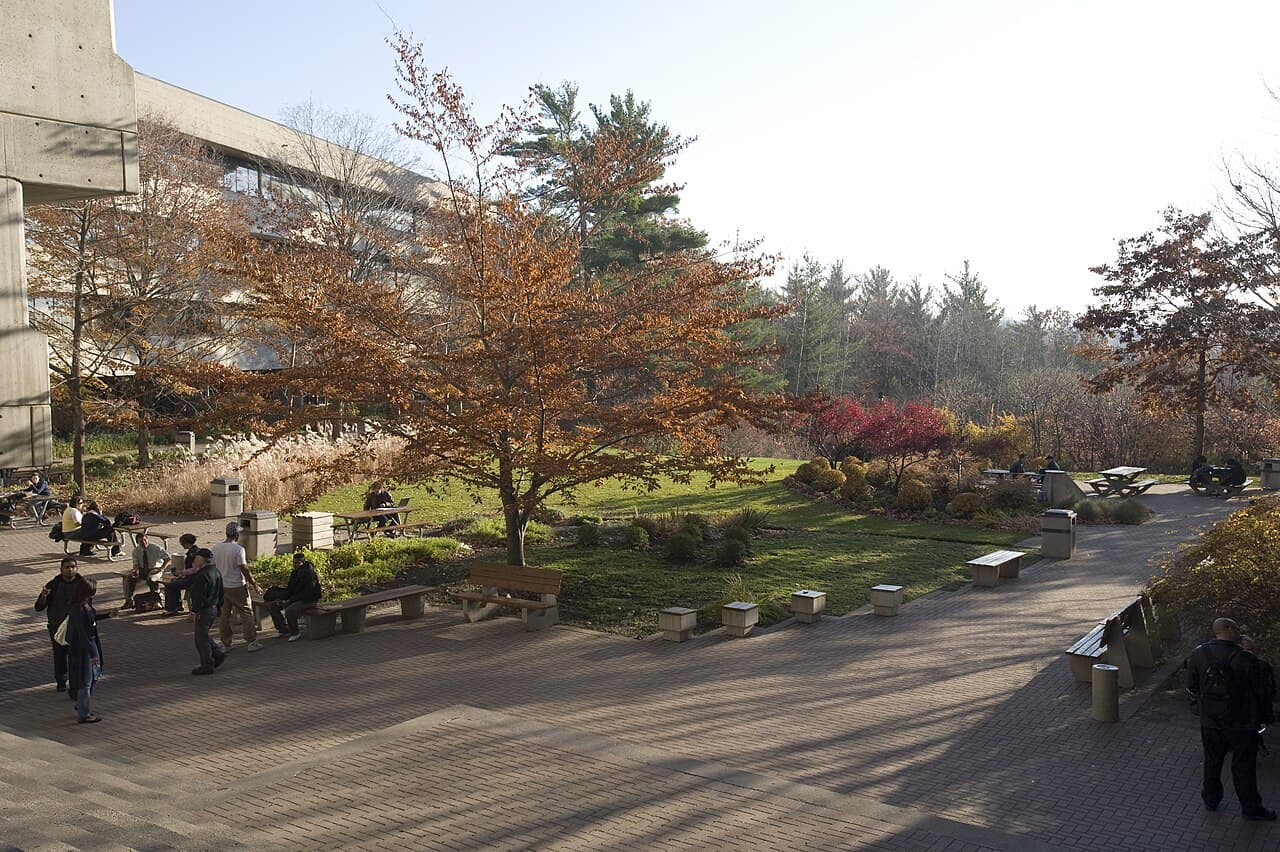
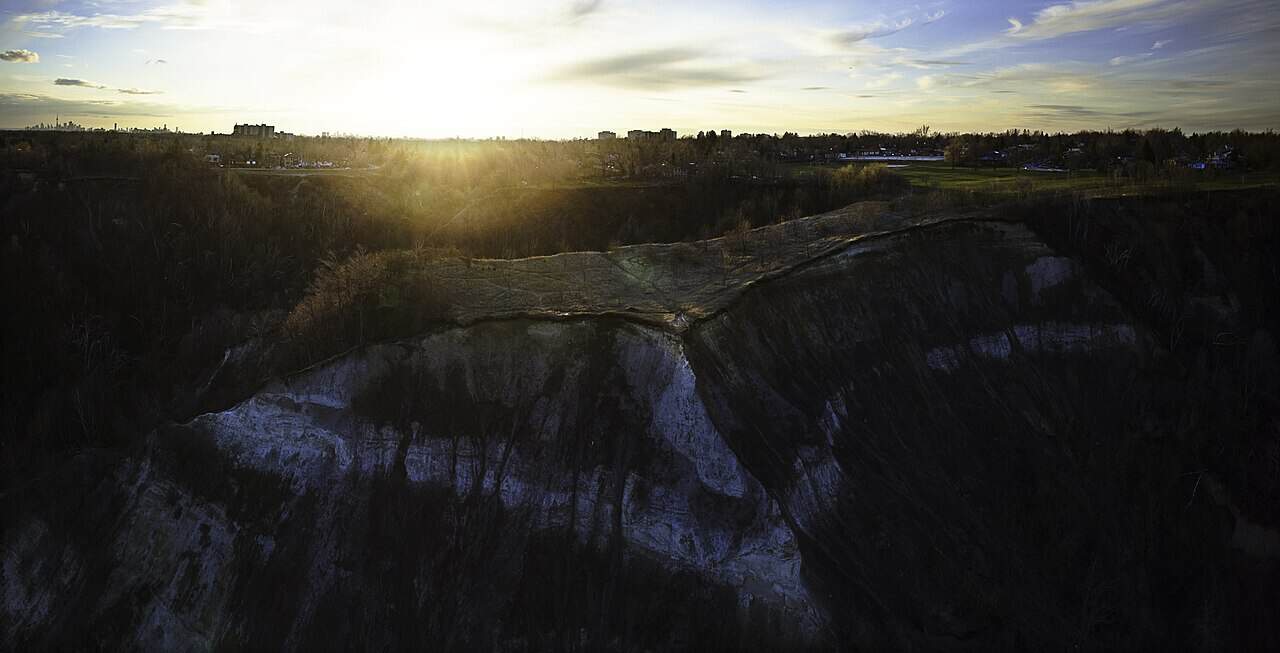
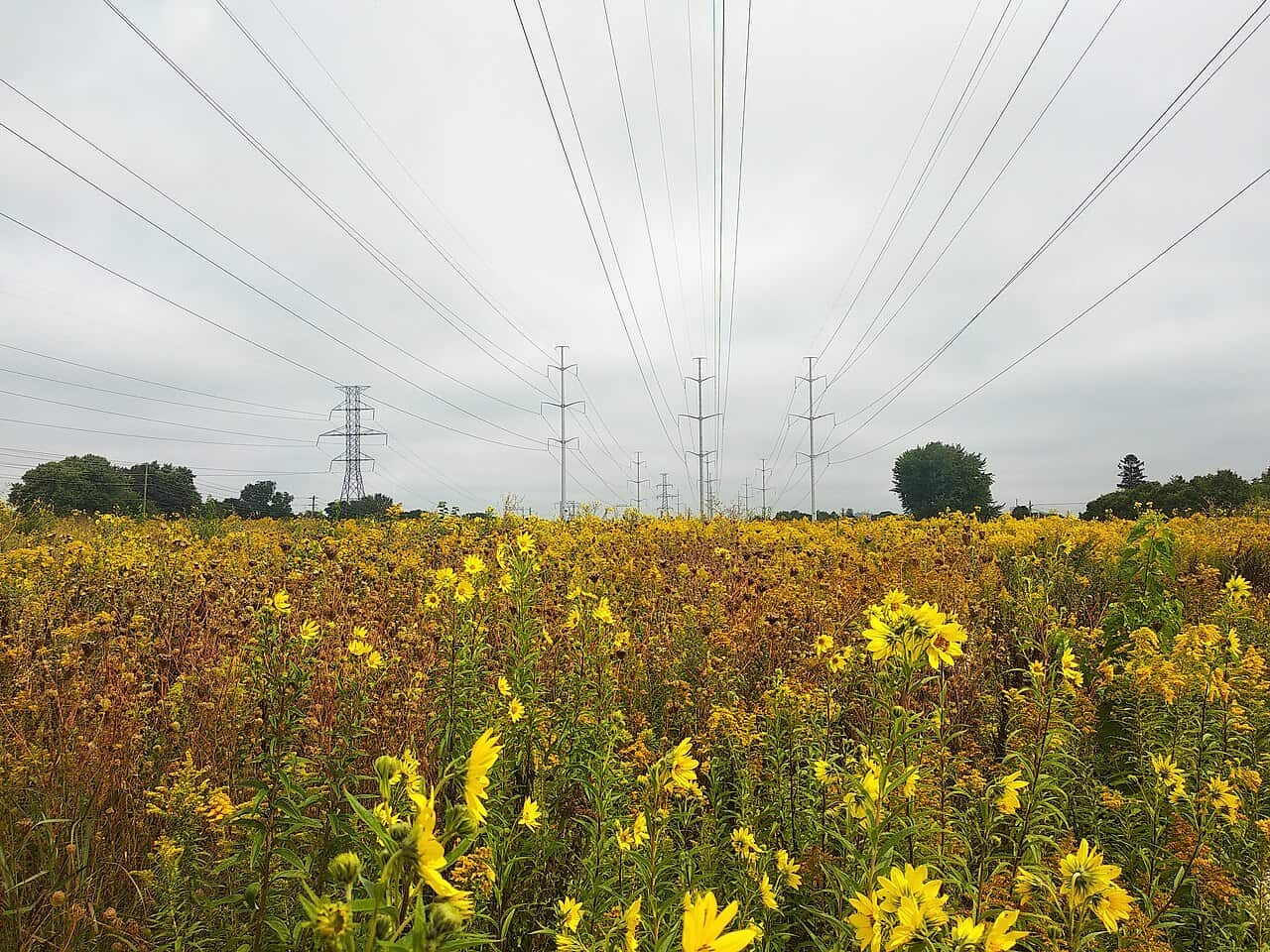
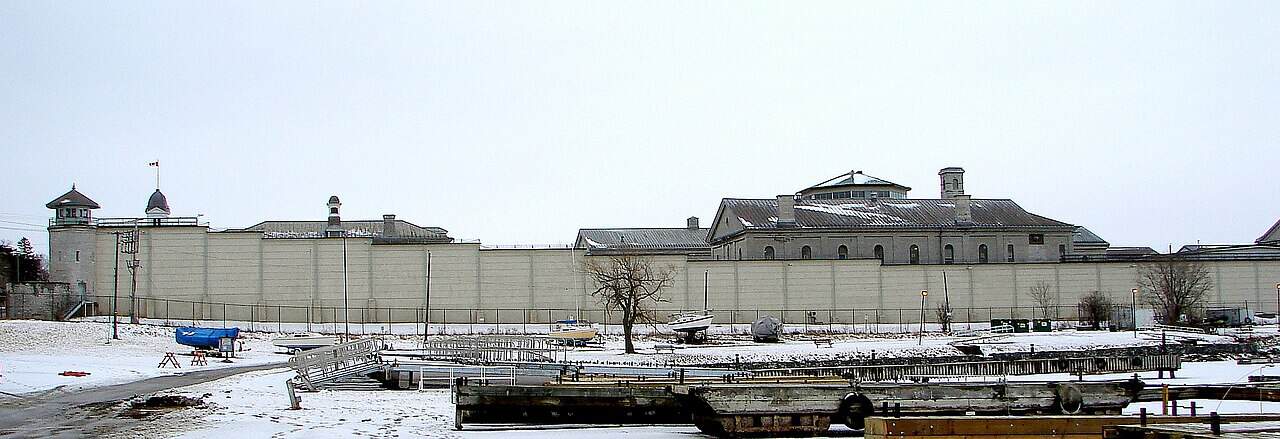
Stable source pages for Scarborough Bluffs and St. Catharines context images used in this dossier.
Open sourceGlossary
Terms used to keep evidence, conviction and media language clean
A Canadian designation for offenders found to present enduring serious risk, especially where violent or sexual harm is recurrent and difficult to manage.
A charge stopped or left inactive by the prosecution or court process. It can remain relevant to the file, but it is not a conviction.
A court order limiting publication of evidence or identifying information, often used to protect trial fairness or sexual-assault survivor privacy.
A delay between collecting evidence and producing a usable result. In this case, the delay became one of the most important institutional failures.
Photo record · cleared images
More exhibits
Public-domain or Creative Commons images, licences verified via the Wikimedia Commons API on 2026-10-10. Context and record images only; no victim remains.

Browse every case in the Case File Index
Discover more from The Dark Side of Humanity
Subscribe to get the latest posts sent to your email.