FILE NO. 0020Case status Closed
Elizabeth Báthory A Sadistic Serial Killer
The tale of Elizabeth Báthory, the “Blood Countess,” occupies a singular space in the chronicles of history. She stands accused of torturing and murdering hundreds of young women in the late 16th and early 17th centuries in her castles scattered across the Kingdom of Hungary. Her story is a heady cocktail of nobility, brutality, and folklore, leaving historians and criminologists alike to grapple with the lingering question: Was Elizabeth Báthory a sadistic serial killer of monstrous proportions, or was she the victim of a conspiracy fueled by envy and political maneuvering?
A Life of Privilege and Shadow
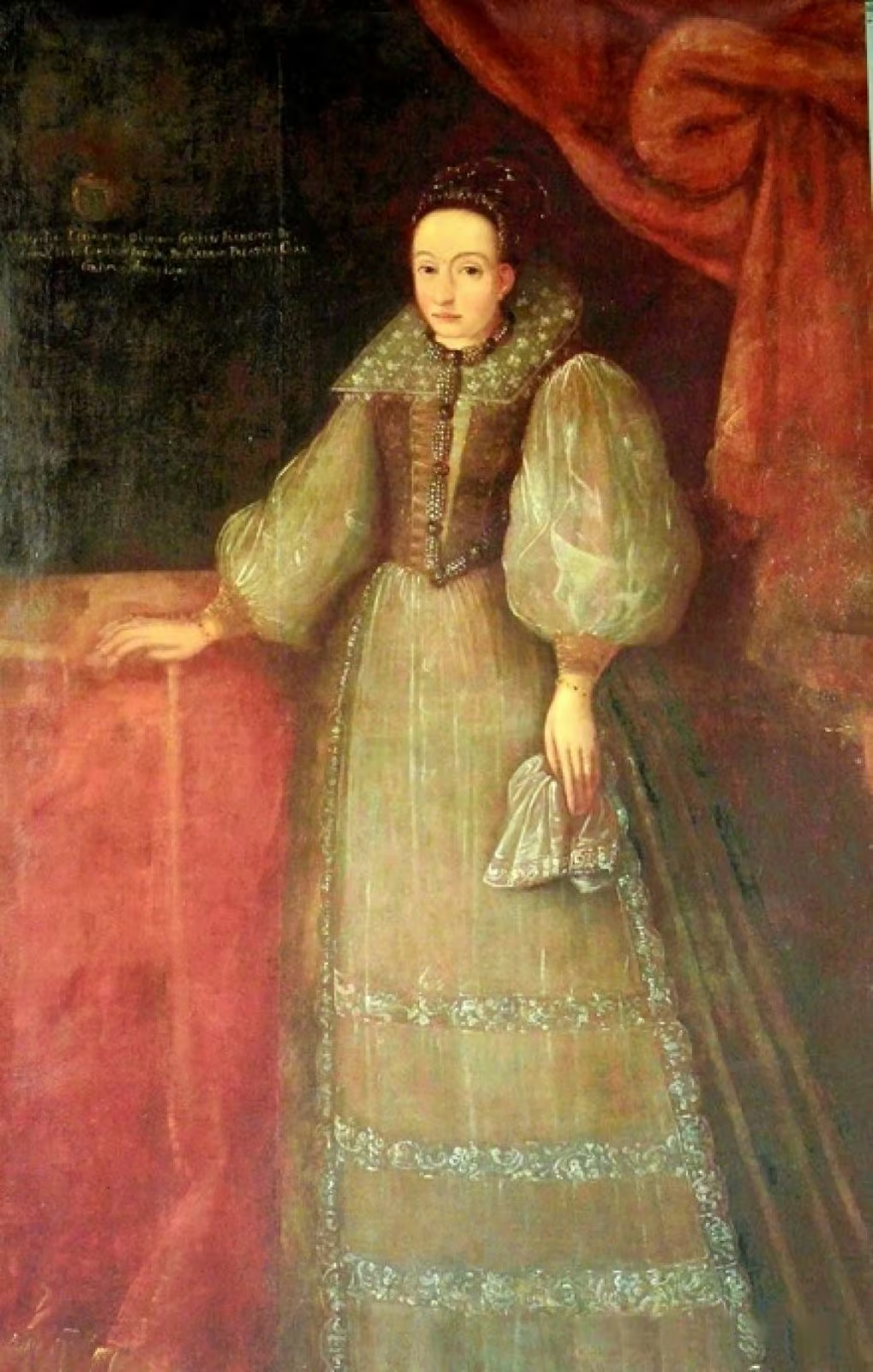
- Born into Nobility (1560): Elizabeth Báthory entered this world at the apex of Hungarian aristocracy. Her lineage was illustrious, boasting ties to royalty and military heroes. Such a pedigree brought with it not just power but also a dangerous cocktail of entitlement and impunity.
- A Troubled Upbringing: Early whispers of epilepsy, violent outbursts, and possible exposure to occult practices during her formative years paint a picture of a childhood steeped in both privilege and darkness. Some scholars suggest these experiences might offer a glimpse into the potential psychological underpinnings of her alleged crimes.
- Marriage and Power (1575): At 15, Elizabeth married Ferenc Nádasdy, a powerful warlord. The union cemented their families’ political dominance and granted Elizabeth considerable authority, particularly when her husband was away on military campaigns. This isolation and unchecked power, some argue, created fertile ground for her alleged atrocities to take root.
Reign of Terror or Fabricated Narrative?
The accusations leveled against Elizabeth Báthory are as chilling as they are numerous. Allegedly spanning over two decades, these alleged acts paint a horrifying picture:
- The Torture Chamber: Testimony from servants and villagers describes a chamber of horrors within Čachtice Castle, Elizabeth’s primary residence after her husband’s death. Here, it is said, young peasant girls, lured to the castle under the pretense of servitude, were subjected to unspeakable acts of torture.
- Instruments of Pain: Accounts detail the use of needles, knives, hot irons, and even honey and ants to inflict pain.
- The Blood Rituals: The most persistent and sensational accusation claims Elizabeth bathed in the blood of her victims, believing it would preserve her youth. This detail, historians argue, might be a later embellishment, playing on societal anxieties about female vanity and witchcraft.
- Expanding the Circle of Victims: Over time, the social status of Elizabeth’s alleged victims seemingly shifted from peasant girls to those of lower nobility. This escalation, if true, could suggest a growing sense of paranoia and a belief that she was untouchable.
The Investigation and Trial: Justice or a Witch Hunt?
- Political Pressure: The investigation into Elizabeth was instigated by her own kinsman, György Thurzó, the Palatine of Hungary. While some see this as a righteous pursuit of justice, others point to possible political motivations, as Elizabeth’s vast wealth and landholdings made her a tempting target.
- Confessions Under Duress: Much of the “evidence” presented against Elizabeth stemmed from the confessions of her servants, many of whom were tortured into compliance. The reliability of such testimonies, obtained under duress and potentially influenced by the prevailing superstitions of the era, is highly questionable.
- No Day in Court: Elizabeth herself was never formally tried. She was instead placed under house arrest in Čachtice Castle, where she remained confined to a handful of rooms until her death in 1614. The lack of a fair trial, coupled with the questionable nature of the evidence, continues to fuel speculation about the veracity of the accusations.
The Night at Čachtice and the Bytča Trial
Elizabeth’s husband, Ferenc Nádasdy, died in January 1604, leaving her a widow in sole control of the family estates, Čachtice among them. Early in 1610, according to a summary prepared by the Slovak State Archive in Prešov, King Matthias II ordered Palatine György Thurzó to resolve the complaints against her. Thurzó’s men gathered statements through that year, and on December 29, 1610, he arrived at Čachtice and had the countess detained.
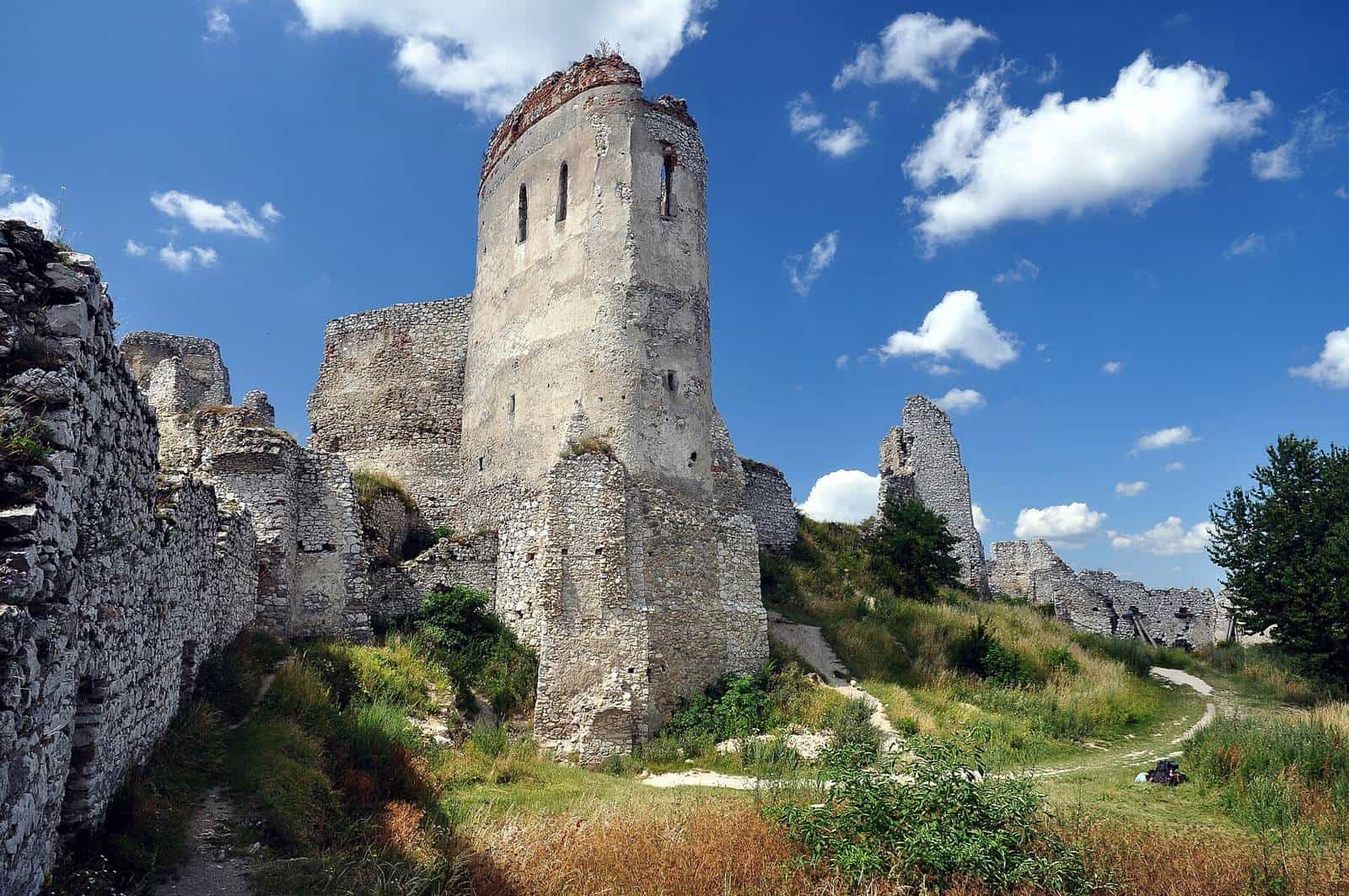
Four members of her household were taken with her: Ilona Jó, Dorottya Szentes (called Dorka), Katarína Beniczky and a young manservant, János Újváry, known as Ficzkó. They were tried at Bytča, Thurzó’s seat, in the first days of January 1611. Their confessions were taken under torture, which was normal court procedure at the time. On January 7, 1611, Ilona Jó and Dorottya Szentes had their fingers torn out by the executioner and were burned. Ficzkó, spared the worst because of his youth, was beheaded and his body was burned with theirs. Beniczky was not executed, because the other two women said she had not taken part; the court ordered her held until her guilt could be determined. On January 24, a village woman from Myjava accused of helping was also burned at Bytča.
Elizabeth was never named in that sentence and never stood trial herself. King Matthias pressed for a new proceeding and a death sentence, but, at the pleas of her relatives and in view of her late husband’s service, he accepted lifelong confinement instead. She died at Čachtice in August 1614, aged 54, and was buried in the church in Čachtice village. Her grave has never been found.
The Verdict of History: Monster or Scapegoat?
The case of Elizabeth Báthory remains a historical enigma. Was she a sadistic serial killer driven by a lust for blood and an obsession with youth? Or was she a victim of circumstance, betrayed by ambitious relatives and condemned by a society eager to believe the worst about a powerful, independent woman?
Arguments for Guilt:
- The sheer volume of accusations, while potentially exaggerated, suggests a pattern of abuse and violence.
- Witnesses claimed to have seen Elizabeth engaging in acts of cruelty firsthand, though these accounts remain difficult to verify.
Arguments for Innocence:
- The lack of a formal trial and reliance on coerced confessions casts a long shadow on the legal proceedings.
- Political motivations, particularly the desire to seize Elizabeth’s wealth, cannot be discounted.
- The sensationalized nature of the blood bathing accusations, coupled with the prevailing fear of witchcraft at the time, suggests a deliberate attempt to demonize Elizabeth and solidify her guilt in the public imagination.
Centuries later, Elizabeth Báthory remains a source of morbid fascination. Her story stands as a cautionary tale about the unchecked power of the aristocracy, the dangers of superstition and rumor, and the ease with which women who defied societal norms could be demonized and destroyed. Whether a monster or a scapegoat, Elizabeth Báthory’s legacy is one inextricably bound to the shadows, leaving us forever questioning the truth that lies hidden beneath layers of legend and lore.
Delving Deeper: Unpacking the Báthory Case
While the broad strokes of Elizabeth Báthory’s life and alleged crimes are well-documented (or at least widely circulated), a closer examination of specific aspects of her case reveals a more nuanced and complex picture.
A Closer Look at the Accusations
- Number Inflation: The alleged victim count associated with Elizabeth is staggering, ranging from dozens to hundreds. These numbers, however, should be viewed with a healthy dose of skepticism. The figure of 650 victims, often cited, originates from the testimony of a servant girl under torture and lacks corroboration. This inflation could be attributed to a number of factors:
- Exaggeration: Rumors have a tendency to snowball, especially in an era where information traveled slowly and was often filtered through superstition and fear.
- Political Motivation: Inflating the body count could have served to further demonize Elizabeth and legitimize the seizure of her assets.
- Missing Bodies: For a case involving such alleged carnage, the lack of physical evidence is striking. While some accounts mention mass graves being discovered, these claims remain largely unsubstantiated.
- Practicalities of Disposal: It’s logistically challenging to dispose of hundreds of bodies without attracting attention, especially in the confined spaces of a castle.
- Alternative Explanations for Deaths: High mortality rates weren’t uncommon in that era. Disease, malnutrition, or even deaths unrelated to Elizabeth could have been easily misconstrued and woven into the narrative of her alleged crimes.
The Role of Gender and Power
It’s impossible to divorce the case of Elizabeth Báthory from the sociopolitical context in which it unfolded.
- Women and Power in the 16th Century: As a woman of immense wealth and influence, Elizabeth occupied a precarious position. She inherited her position not through traditional male lineage but through her own family’s power, making her a challenge to the patriarchal norms of the time.
- Threat to the Status Quo: Her independence and authority likely bred resentment and suspicion among the male members of the Hungarian aristocracy.
- The Malleus Maleficarum: Published in 1486, this infamous text served as a witch-hunting manual, outlining ways to identify, interrogate, and punish those suspected of witchcraft. The book reinforced societal anxieties about powerful women and provided a framework for accusations against figures like Elizabeth.
- Female Archetypes: The accusations against Elizabeth (vanity, cruelty, a thirst for blood) played into misogynistic tropes often associated with witchcraft accusations, further solidifying her image as a monstrous deviant in the public consciousness.
Alternative Theories and Interpretations
While the question of Elizabeth’s guilt or innocence remains a subject of debate, alternative interpretations of the events at Čachtice Castle provide fertile ground for historical speculation.
- Medical Misinterpretations: Some scholars suggest Elizabeth might have suffered from a medical condition that could account for some of the more outlandish accusations.
- Porphyria: This rare blood disorder can cause a range of symptoms, including skin sensitivity, disfigurement, and even behavioral changes. The blood-bathing accusations, while likely fabricated, might have originated from misinterpretations of treatments for such an ailment.
- A Conspiracy of Greed: The possibility that Elizabeth was the victim of a calculated plot orchestrated by power-hungry relatives remains a compelling argument.
- Motive and Opportunity: The potential gains (land, wealth, and political influence) provided a strong motive for those around Elizabeth to fabricate accusations and orchestrate her downfall.
- A Scapegoat for a Community’s Fears: In times of societal upheaval, it’s not uncommon for individuals, especially those who are different or hold a position of power, to become scapegoats for anxieties and fears.
- Plague and Unrest: The 17th century was marked by plague, famine, and religious strife. In this context, Elizabeth, already an outsider due to her wealth and gender, could have become a focal point for the anxieties and suspicions of a community grappling with forces beyond their control.
A History of Unanswered Questions
The narrative surrounding Elizabeth Báthory, often referred to as the “Blood Countess”, continues to captivate and horrify audiences in equal measure. This enduring fascination is a testament not only to the gruesome nature of her alleged crimes but also to the broader implications they hold for our understanding of history.
Elizabeth Báthory’s story serves as a stark reminder of how complex historical interpretation can be. The accounts of her life are filled with contradictions and uncertainties, reflecting the difficulties inherent in piecing together an accurate picture from fragmented sources and biased narratives. Her case underscores that history is not merely a collection of facts but rather an intricate tapestry woven from multiple perspectives, each colored by its own set of prejudices and assumptions.
Moreover, Báthory’s tale highlights the dangers posed by unchecked power. As a noblewoman in 16th-century Hungary, she allegedly exploited her privileged position to commit horrific acts against young girls without fear of reprisal. This aspect of her story raises important questions about how power structures can enable abuse and shield perpetrators from justice.
At another level, Elizabeth Báthory’s legend illustrates how societal anxieties can be manipulated to condemn individuals who defy convention or pose a threat to established norms, particularly women. Accusations against Bathory emerged during a time when fears about witchcraft were rampant across Europe; these fears may have been leveraged against Bathory due both to her gender and her refusal to conform with expected female behavior.
Despite centuries having passed since Elizabeth Báthory lived, definitive evidence regarding many aspects of her life remains elusive, including whether she was truly guilty as charged or if she was instead victimized by political machinations or societal prejudice. Until such evidence comes forth (if it ever does), we are left with speculation based on incomplete information which fuels ongoing debate around this enigmatic figure known as the “Blood Countess”.
In conclusion, while we may never know the full truth about Elizabeth Báthory, her story continues to serve as a potent reminder of the complexities and challenges inherent in historical interpretation, the potential dangers of unchecked power, and how societal anxieties can be manipulated for nefarious purposes.
Legacy and Cultural Impact
Báthory’s story has become a blend of fact and myth. She is often linked to Dracula, though Bram Stoker’s notes show no direct connection. Her nicknames, “Blood Countess” and “Countess Dracula,” reflect her vampiric reputation, which emerged over a century after her death in works like László Turóczi’s 1729 book. Her story has inspired films, books, and even music, cementing her as a cultural icon of horror.
Despite her infamy, the truth about Báthory remains elusive. Was she a sadistic killer or a scapegoat for political gain? The debate continues, but her legacy as one of history’s most notorious figures endures.
Notable Depictions in Film and Music
Báthory’s legacy has left a significant mark on popular media, with specific works drawing directly from her story:
- Countess Dracula (1971): This Hammer Horror film leans heavily into the horror genre, portraying Báthory as a figure obsessed with blood to maintain her youth. It emphasizes the gruesome and sensational elements of her legend, aligning with the article’s depiction of her as a symbol of human depravity.
- Bathory (2008): In contrast, this film offers a more sympathetic interpretation, suggesting that Báthory may have been framed or misunderstood. This perspective resonates with the article’s discussion of modern historical debates questioning the validity of her crimes and the possibility of political motives behind her downfall.
- Music: The influence of Báthory extends to the music world, particularly within the heavy metal genre. Bands like Cradle of Filth have crafted songs explicitly referencing her, such as “Bathory Aria,” which revels in the darker, vampiric aspects of her myth. Similarly, various black metal groups have adopted her imagery, using it to evoke themes of horror and rebellion.
Tales in Infamy: Corroborating Accounts of Bathory’s Cruelty
Shocking reports of Countess Bathory’s horrendous acts circulated through the aristocracy and church communities of Hungary, prompting Prime Minister Gyorgy Thurzo to launch an investigation into Bathory’s activities in 1610. Soon after, the Chief Justice of Hungary and his men uncovered the truth about Bathory’s cruel reign.
From witnesses’ accounts, morbid discoveries, and eyewitness testimonies, Thurzo’s team was able to piece together a comprehensive documentation of Bathory’s perverse crimes. The accounts of torture, murder, and supernatural practices further confirmed the claims of Bathory’s cruelty. Eye-witness accounts conveyed scenes of torture and depravity beyond comprehension, including Bathory’s practice of mutilating her victim’s faces and bodies, sleeping in coffins, and bathing in the blood of virgins. With mounting evidence and shocked testimonies of horror, the stories of Bathory’s reign of terror soon made their way throughout the kingdom.
Related Case Files
Read more about the countess in Elizabeth Báthory’s bloodlust, and see how her legend shaped the modern study of women who kill in Deadly Women: The Rise of Serial Killers. For the blood myth itself, read Criminal Vampirism: The Disturbing Psychology Beyond Dracula, and for the punishments her servants faced, see The Dark Art of Execution. Browse every dossier in the A to Z Case File Index.
Case file · FAQ
Frequently asked questions
Who was Elizabeth Báthory?
Elizabeth Báthory, the Blood Countess, was a Hungarian noblewoman born in 1560. She stands accused of torturing and murdering hundreds of young women in the late 16th and early 17th centuries in her castles across the Kingdom of Hungary.
When was she detained?
On December 29, 1610, Palatine György Thurzó arrived at Čachtice and had the countess detained, after King Matthias II ordered him to resolve the complaints against her.
Did Elizabeth Báthory stand trial?
No. Four members of her household were tried at Bytča in January 1611, but Elizabeth was never named in that sentence and never stood trial herself. The king accepted lifelong confinement instead of a death sentence.
Did she really bathe in blood?
The most persistent accusation claims she bathed in the blood of her victims to preserve her youth. Historians argue this detail might be a later embellishment.
When did she die?
She died at Čachtice in August 1614, aged 54, and was buried in the church in Čachtice village. Her grave has never been found.
Browse every case in the Case File Index
Discover more from The Dark Side of Humanity
Subscribe to get the latest posts sent to your email.