Daily Breaking True Crime Briefing
As of: Tuesday, Nov. 24, 2026, late morning ET
Scope: 10 cases from 7 countries with new developments from Monday, Nov. 23, through Tuesday, Nov. 24, 2026: a court of appeal order sending a police officer to trial for murder, a first-degree murder charge, a second-degree murder conviction, long prison sentences, an arrest in France, a murder trial in Cornwall, an aggravated-murder indictment, and the capture of a convicted former mayor. Times are Eastern unless stated.
Executive overview: In Versailles, a court of appeal confirmed that the police officer who shot Nahel Merzouk, 17, dead at a traffic stop in Nanterre in 2023 will stand trial for murder. In Bear, Delaware, state police charged a woman with first-degree murder in the shooting of her father at a shopping center. In Flint, a jury convicted Darnella Gaines of second-degree murder in a killing outside a bar. A court in Lamezia Terme sentenced Pasquale Colelli to 13 years and 4 months in the killing of Domenico Torcasio, and Italian police said a suspect in a Pioltello street shooting was arrested in France. In Truro, the trial of a painter who denies murdering retired postmistress Jenny Firth continued. In Haifa, prosecutors indicted a man for the aggravated murder of his ex-wife, Yana Zikova. In Goiás, a jury sentenced a stepfather to more than 52 years for poisoning a 9-year-old girl. A convicted former mayor of Marquinho, Paraná, was captured in Paraguay, and police in Bengaluru arrested a man after a woman’s death, first treated as a suicide, was investigated as an alleged murder.
Times are Eastern (ET) unless stated. Allegations come from prosecutors, police and court records as reported and are unproven unless a court has ruled. Anyone charged but not convicted is presumed innocent.
Case 01 / 10NanterreFrance
Officer to Stand Trial for Killing of Nahel Merzouk
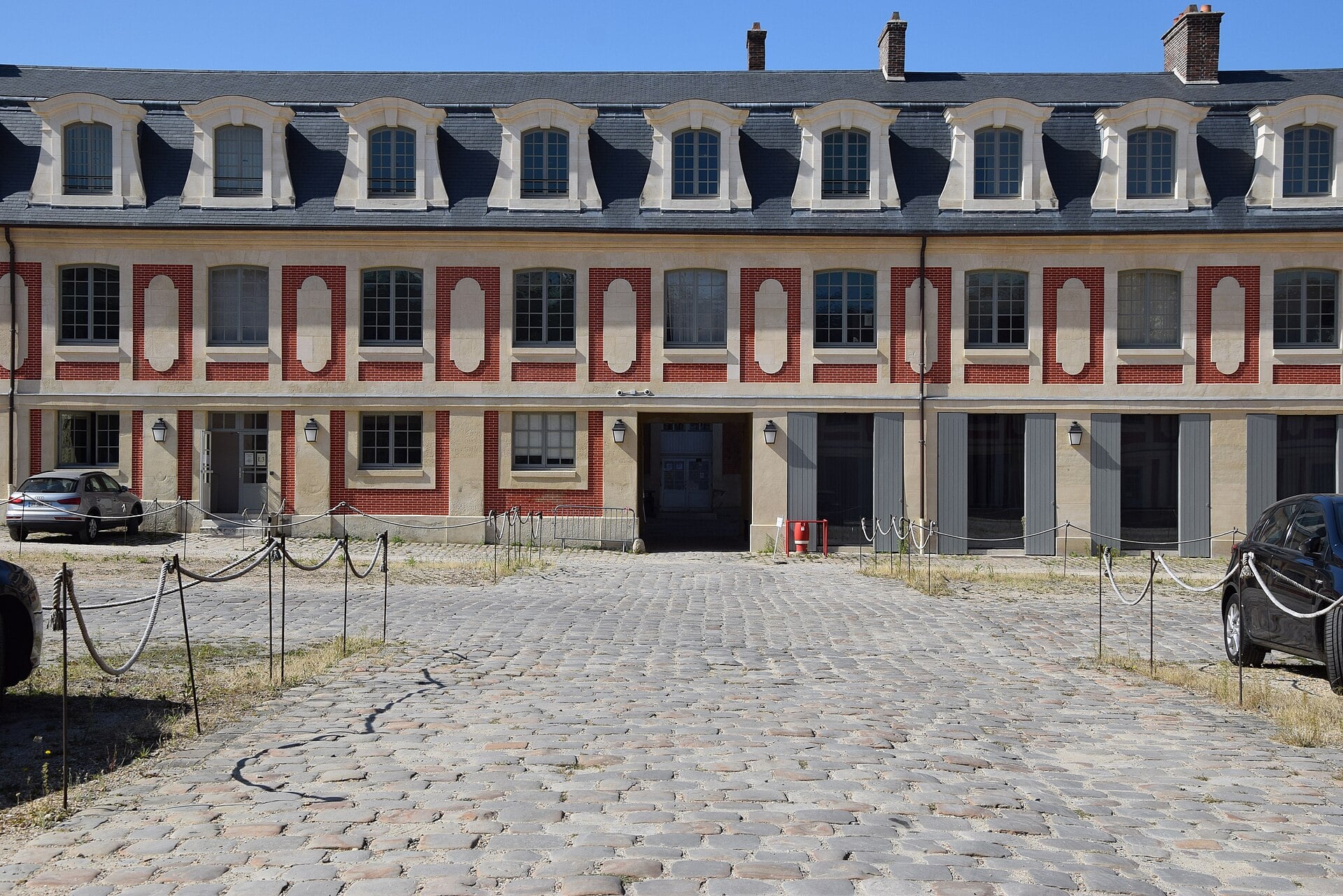
Location: Nanterre, Hauts-de-Seine, France, where Nahel Merzouk was shot at a traffic stop; Versailles court of appeal, where the ruling was issued
Legal status: On Tuesday, Nov. 24, 2026, the investigation chamber of the Versailles court of appeal confirmed the indictment of police officer Florian Menesplier before the Hauts-de-Seine cour d’assises for homicide volontaire (murder), finding “sufficient charges” and rejecting the justification argument raised by the defence. He is accused, not convicted, and is presumed innocent. His lawyer, Laurent-Franck Liénard, told BFMTV he will file a new appeal to the Cour de cassation and will argue the shot was lawful. No trial date has been reported.
A court in Versailles ruled on Tuesday morning that the police officer who shot 17-year-old Nahel Merzouk will be tried for murder. It is the latest turn in a case that has bounced between courts for more than three years, and it isn’t over yet. The officer’s lawyer announced within hours that he’d go back to France’s highest court.
The ruling came from the investigation chamber of the Versailles court of appeal, according to a court statement carried by AFP. Judges found “sufficient charges” against the accused and set aside what the court called the “justifying fact” raised by the defence. They ordered him to stand trial before the Hauts-de-Seine assize court for “homicide volontaire”, the French charge of murder. Franceinfo reported that the hearing in September and the decision itself were both held behind closed doors.
Nahel Merzouk was killed on June 27, 2023, in Nanterre, west of Paris. He was 17. Franceinfo and AFP both describe a traffic stop that ended with a shot fired at point-blank range by a police officer. Franceinfo reported that the officer had chased the teenager, who was driving without a licence, and aimed his weapon at him before firing. The scene was filmed and spread widely on social media. It set off several nights of rioting across France, and the case became, in AFP’s words, a symbol of police violence.
The legal road since then has been long. Two years after the shooting, on June 3, 2025, two investigating judges ordered the officer to be tried for murder before the Hauts-de-Seine assize court, following the requests of the Nanterre prosecutor’s office. He was 41, franceinfo reported, and had been formally placed under investigation for voluntary homicide. AFP reported that he spent five months in pretrial detention before being released. Nahel’s mother, Mounia Merzouk, said at the time she was “satisfied” and “relieved.”
The officer appealed. His lawyer argued that the act was “authorized by law” and that the officer “could shoot this driver,” because, in Liénard’s words then, “if Nahel drove off, he was going to kill people.” Judges heard the appeal in early December 2025 and ruled about three months later, in March. They changed the charge. They found the evidence “insufficient” to show intent to kill and sent him toward a lesser count, “violences ayant entraîné la mort sans intention de la donner,” roughly violence resulting in death without intent to cause it. Franceinfo quoted the court as saying it hadn’t been established that the officer, at the moment he fired, wanted to take the driver’s life. The same ruling confirmed the dismissal of the case against the second officer who was present, AFP reported.
Nobody was happy. The prosecutor general, the victim’s family and the defence all appealed to the Cour de cassation, the top court, which looks at whether the law was properly applied, not at the facts of the case. On June 10, 2026, it annulled the reclassification, finding that the Versailles court had contradicted itself and had not justified its decision. It upheld the dismissal against the other officer. The file went back to Versailles, to a differently composed chamber of three new magistrates. That panel ruled today.
What’s at stake for the officer is large. Franceinfo reported that on a murder referral he faces up to 30 years of criminal imprisonment. The lesser charge would have sent him to a departmental criminal court made up only of professional judges. A murder referral means a trial before a jury at the assize court instead.
For Nahel’s family, the decision was a relief with an asterisk. On Instagram, relatives wrote that they were “relieved” and preparing “this new phase of combat,” France 3 reported. His cousin told ICI Paris Ile-de-France outside the courthouse that “a part of the battle is won,” but said he felt some sadness too, and was fed up with waiting for decisions like this one “in stress,” as if the family had to prove something when, for him, “there is no question to ask.” Another cousin, Maissan Beck, said “we won’t let go” if the officer appeals again. Frank Berton, the lawyer for Mounia Merzouk, welcomed the ruling and said he hopes a trial will bring out the full truth. Louise Tort, a Paris lawyer for several civil parties, said the videos matter.
Liénard told BFMTV he expects the highest court to end the case without a trial. If the appeal fails, the officer goes before a jury. If it succeeds, the long fight over what happened on a Nanterre street on June 27, 2023, could shift again.
Citations & Sources (3)
Sources
- Mort de Nahel Merzouk en 2023 : la cour d’appel de Versailles confirme le renvoi du policier devant les assises pour meurtre, franceinfo, Nov. 24, 2026
- Mort de Nahel Merzouk à Nanterre : la cour d’appel de Versailles confirme le renvoi du policier pour meurtre, AFP via JSS, Nov. 24, 2026
- Mort de Nahel : “Une partie de la bataille est gagnée”, estiment ses proches après le renvoi du policier devant une cour d’assises pour meurtre, France 3 Paris Ile-de-France, Nov. 24, 2026
Case 02 / 10Bear, Del.United States
Woman Charged With Murder in Father’s Shooting

Location: Fox Run Shopping Center, 100 block of Fox Hunt Drive, Bear, Delaware
Legal status: Delaware State Police said Tuesday, Nov. 24, 2026, that a 36-year-old woman from Bear is charged with first-degree murder, possession of a firearm during the commission of a felony, and endangering the welfare of a child. She was arraigned by the Justice of the Peace Court and committed to the Department of Correction on a $476,000 cash bond. She has not been convicted and is presumed innocent until proven guilty in a court of law.
A 56-year-old man drove from Georgia to a Delaware shopping center on Monday morning to hand over some belongings and take his granddaughter home. He never made the trip back. Delaware State Police say his own daughter shot him as he sat in his vehicle, and a teenage girl was standing close enough to see it.
Troopers were sent to the Fox Run Shopping Center, in the 100 block of Fox Hunt Drive in Bear, at about 10:12 a.m. on Nov. 23 for a report of a shooting. When they got there, they found the suspect still holding a handgun. They took her into custody in the parking lot.
The man, a resident of Kennesaw, Georgia, had been hit by multiple gunshots. Troopers gave him first aid until emergency medical crews arrived and took him to an area hospital. He was pronounced dead there. State police are not releasing his name until his family has been notified.
Investigators say the preliminary picture is this: the victim, his granddaughter and the suspect met at the shopping center to exchange items before he and the girl headed back to Georgia. Shortly after they arrived, police say, the woman fired several times and hit her father while he sat in his vehicle. The teenager was standing nearby. She was not hurt.
One detail from the state police release stands out. A witness who happened to be driving through the parking lot struck the suspect with their vehicle to keep her from fleeing. Police did not say how badly she was hurt, only that she was taken to an area hospital for evaluation and then released. From there she went to Delaware State Police Troop 2, where she was charged and processed.
NBC Philadelphia spoke with Dana Mellon, who works at a business in the shopping center. “Terrifying, absolutely terrifying,” Mellon said. She said a customer came into the store to warn employees about the shooting. She also told the station that she came outside and saw officers put a woman on the ground with their weapons drawn, and that responders did chest compressions on the man for around 20 to 30 minutes before an ambulance took him away. NBC Philadelphia reported that Mellon relayed what another witness told her: that the woman walked up to the man and shot him three times at point blank range. That account is secondhand and is not confirmed by police, whose release says only that she fired multiple shots.
Early on Monday, some witnesses told NBC10 they believed an argument may have led to the shooting. Police have not said what happened before the gunfire, and the state police release does not describe a motive. NBC Philadelphia also reported that a man who said he knew the people involved told the station they had moved to the area recently. Police have not confirmed that.
NBC Philadelphia reported that under a new Delaware law, police cannot release a suspect’s name even after charges are filed. State police have not named her.
The charge of endangering the welfare of a child is part of the case because of the teenager who was there. State police have not described what, if anything, the girl saw beyond saying she was standing nearby and was not injured. She was there when her grandfather was shot, and the person accused is her mother. Nothing in the public record yet explains how that came to be.
The Delaware State Police Homicide Unit took over the investigation because of the nature of the case, and it continues. Troopers are asking anyone who witnessed the shooting or has video of it to call Detective A. Bluto at 302-741-2859. Tips can also go through a private Facebook message to the Delaware State Police or to Delaware Crime Stoppers at 1-800-847-3333.
The next step is the court process. The cash bond keeps the woman in custody for now. The charges are accusations, and as the state police release itself says, anyone charged is presumed innocent until proven guilty.
Citations & Sources (4)
Sources
- State Police Charge Woman with Murder Following Shooting at Bear Shopping Center – Delaware State Police, Delaware State Police, Nov. 24, 2026
- Driver uses car to stop woman accused of killing father at Delaware shopping center, NBC Philadelphia, Nov. 24, 2026
- Woman in custody after deadly shooting at Delaware shopping center, NBC Philadelphia, Nov. 23, 2026
- Woman accused of fatally shooting her father in front of her teen daughter at Bear, Delaware, shopping center, CBS News Philadelphia, Nov. 24, 2026
Case 03 / 10FlintUnited States
Darnella Gaines Convicted of Second-Degree Murder

Location: Outside the Bedrock Lounge on Flushing Road, Flint, Michigan; Genesee County courts
Legal status: A Genesee County jury convicted Darnella Denise Gaines, 34, of Flint of second-degree murder and felony firearm after a five-day trial, Prosecutor David Leyton announced Monday, Nov. 23, 2026. Sentencing is set for Dec. 15. She faces up to life in prison on the murder count and a mandatory two-year sentence for felony firearm that must be served first.
A jury in Genesee County has decided that a woman who says she only meant to fire a warning shot killed Shaquice Lillie Ann Grear, 28, outside a Flint bar. Darnella Denise Gaines, 34, was found guilty of second-degree murder and felony firearm after a five-day trial, Prosecutor David Leyton said. Prosecutors announced the verdict Monday, Nov. 23, and local outlets were still carrying it Tuesday.
The shooting happened in the early morning hours of May 25, 2025, outside the Bedrock Lounge on Flushing Road in Flint. Prosecutors described it as an after-hours gathering. Police were sent to the scene after Gaines herself called 911 and reported that she had shot another woman. Officers detained her while emergency crews took Grear to Hurley Medical Center. Surgeons operated, but Grear died five days later.
What jurors heard at trial, according to prosecutors, begins in a parked car. Gaines took a handgun out of her purse and set it on her lap. She and Grear later exchanged words while sitting in separate cars. That is the part of the story the two sides did not fight over so much as what came next.
Gaines told the 911 dispatcher that Grear walked up to her vehicle, reached through the partially open passenger-side window and punched her. She insisted that she fired the gun to scare Grear away and never intended to kill her. On the stand, she testified that she was trying to fire a warning shot, something she said she learned in her concealed pistol license training.
Prosecutors went after that account on several fronts. They put on witness testimony, physical evidence, forensic testimony and Gaines’ own statements, and they presented crime scene evidence that, they said, contradicted what she told police and the dispatcher. They also called a concealed pistol license instructor, who testified that warning shots are not taught as proper practice in that training.
Leyton did not soften his language after the verdict. “Having a concealed pistol license does not give someone the right to use deadly force simply because they become involved in an argument or physical confrontation,” he said. He added: “A 28-year-old woman lost her life over what began as a confrontation outside a nightclub. The defendant’s own statements, the physical evidence, and the testimony presented at trial demonstrated that this was not a justified use of deadly force. The jury saw through the defendant’s changing story and held her accountable.”
He also spoke directly about the loss. “This conviction cannot bring Shaquice Grear back or take away the grief her family has endured, but I hope it provides some measure of accountability and justice,” Leyton said.
Grear was a Flint woman who was 28 when she died. Published reports say little about her beyond that, and nothing about her family beyond the prosecutor’s reference to their grief.
Leyton thanked the Flint Police Department and the Michigan State Police Major Case Unit for their investigation. He also credited Assistant Prosecutors Mark Ross and Zachary Serzo, along with the paralegals, secretaries, legal assistants and the appeals division.
Gaines is scheduled to be sentenced on Dec. 15. Under the verdict she faces up to life in prison on the second-degree murder conviction. The felony firearm count carries a mandatory two-year sentence, and by law it has to be served before the murder sentence begins. Published reports do not say whether the defense plans to appeal.
Citations & Sources (3)
Sources
- Woman convicted of murder in fatal shooting outside Flint bar, prosecutors say, CBS News Detroit, Nov. 23, 2026
- Flint woman convicted of second-degree murder in deadly shooting outside bar, WNEM, Nov. 24, 2026
- Flint woman convicted in deadly shooting outside an area bar, ABC12 (WJRT), Nov. 23, 2026
Case 04 / 10Alto HorizonteBrazil
Stepfather Gets 52 Years for Poisoning 9-Year-Old
Location: Alto Horizonte, northern Goiás, Brazil; Tribunal do Júri of the Campinorte judicial district
Legal status: A jury of the Tribunal do Júri of the Campinorte district convicted Ronaldo Alves de Oliveira of qualified homicide in the death of Weslenny Rosa Lima, 9, and of attempted qualified homicide of her brother, Heitor Rosa Lima, 8. Judge Thiago Mehari Ferreira Martins sentenced him to more than 52 years in prison, to begin in a closed regime. Jurors acquitted him on four animal cruelty counts. Jornal Opção reported on Nov. 24, 2026 that it could not reach his defense, and that report does not say whether an appeal has been filed.
A jury in Goiás has convicted a stepfather of poisoning two children at a family meal. One of them, a 9-year-old girl named Weslenny Rosa Lima, died. Her brother Heitor, a year younger, survived. The Tribunal do Júri of the Campinorte district sentenced Ronaldo Alves de Oliveira to more than 52 years, to be served first in a closed regime, Jornal Opção reported.
The case began in Alto Horizonte, a town in the north of the state about 330 kilometres from Goiânia. Two children fell ill after a meal at home. According to the newspaper, the food had been served by the stepfather. Weslenny did not survive the poisoning. Heitor was rushed to the Hospital Centro-Norte Goiano in Uruaçu.
Civil police opened an investigation. At the time, the children’s mother and stepfather were taken to the station to give statements. Delegate Sandro Leal, who led the inquiry, ordered forensic examinations of the house and of the food the family had eaten. Phones were seized, including the children’s. One of the main lines of investigation was poisoning by a substance known popularly as chumbinho. Police wanted to identify the product and learn whether the poisoning was deliberate.
The inquiry took another turn when four cats were found dead in the same neighbourhood. Police suspected the animals had come into contact with the same substance. They looked into whether the cats ate scraps from the meal that had been thrown out in the yard. Leal explained then that the family usually gave leftovers to their chickens, but on that day the birds had been shut in and had no access to the food. The trial later produced four animal cruelty counts tied to the cats, and the jury acquitted Oliveira of all four.
The trial ran 10 hours and 30 minutes under Judge Thiago Mehari Ferreira Martins. The session opened at 9:15 a.m. with 20 of 25 summoned jurors present. Prosecutors struck three jurors and the defense struck two, without having to give reasons, and seven people were chosen to decide the case. Four witnesses common to the prosecution and defense were heard in the morning, and the parties agreed to drop the others they had originally listed. The defendant’s questioning began at 11:12 a.m., after a private conversation with his lawyers. The judge, prosecutor and defense all questioned him, and jurors were allowed to ask their own questions.
After a lunch break, the debates started at 12:34 p.m. The prosecution asked for a conviction on the terms of the earlier decision that sent the case to trial. The defense asked for acquittal and repeated that request in its final turn. The debates ended at 6 p.m. The public and the defendant left the courtroom at 6:06 p.m. so the jurors could deliberate in secret. The session reopened at 7:40 p.m., when the verdict was announced and the sentence read. The work ended at 7:45 p.m.
On the death of Weslenny, jurors found two qualifiers: a cruel means or one that creates a common danger, and a method that made it hard for the victim to defend herself. They rejected the charge of feminicide. On the attempt against Heitor, they accepted the same two qualifiers and added that the crime was committed against a child under 14.
Jornal Opção said it could not get in touch with the defense and left the space open for a response. We have not seen any statement from Oliveira’s lawyers.
Jornal Opção does not say what the stepfather’s motive was, and the jury’s findings, as described, do not explain it. The report also does not describe the mother’s role, beyond noting she was brought in for a statement in the early days of the investigation. What the record does show is a nine-year-old girl who ate a meal at home and died of it, and an eight-year-old boy who was taken to hospital and lived.
Citations & Sources (1)
Sources
Case 05 / 10MarquinhoParaguay
Convicted Ex-Mayor Captured in Paraguay

Location: Canindeyú department, Paraguay, near the Brazilian border; Ciudad del Este; Foz do Iguaçu, Paraná, Brazil
Legal status: João de Lima Eleutério, former mayor of Marquinho, Paraná, was convicted by a jury on April 15, 2011 as the mastermind of a double qualified homicide and serious bodily harm, and sentenced to 23 years. Paraguayan authorities said his convictions in Brazil add up to about 66 years in prison. He told Paraguayan media he appealed and later won semi-open regime, and denied ordering the killings. Brazilian judicial authorities have not confirmed his account, according to Portal Nova Santa Rosa. He was reportedly expelled from Paraguay on Monday, Nov. 23, 2026 and handed to Brazilian federal police.
A former mayor in Paraná who had been wanted by Brazilian courts since 2011 was arrested in Paraguay on Monday. João de Lima Eleutério was mayor of Marquinho from 1997 to 2000. Prosecutors say that while he was in office he ordered the killing of political rivals. A jury convicted him of that more than a decade later.
Eleutério, a former mayor of Marquinho in Paraná’s centre-south, was arrested Monday, Nov. 23, during a police operation in Canindeyú department in Paraguay, near the border at Guaíra, Portal Nova Santa Rosa reported. One outlet placed the arrest in Saltos del Guairá, which is in the same department. Paraguay’s international police cooperation department, known as DECACPI, carried out the arrest with help from investigators in Katueté. According to the Paraguayan newspaper Última Hora, as cited by the portal, it happened around 12:10 p.m. in the Vila Parque Itaipu area. The arrest warrant came from the court in Francisco Beltrão, Paraná.
Paraguayan authorities said the Brazilian has convictions that add up to 66 years and eight months for homicide and bodily harm, the portal reported. Another outlet, Portal Cantagalo, said he reportedly has other sentences for homicides that bring the total to about 66 years. The reports we reviewed do not break down how many other cases make up that total, and we are not giving a victim count beyond what the 2011 case shows.
That case dates back to March 30, 1998. Eleutério governed Marquinho from 1997 to 2000. The Paraná public prosecutor’s office accused him of ordering the murder of political opponents. Two brothers died, and the wife of one of them was seriously wounded. Court of Justice of Paraná documents identify the brothers as Vilmar Baptistel and João Carlos Baptistel. Vilmar had run for mayor in 1996 and lost to Eleutério, who was then with the PSDB, by just 121 votes: 1,579 to 1,458.
On April 15, 2011, 13 years after the killings, the jury in Laranjeiras do Sul convicted him as the person who ordered the crimes and sentenced him to 23 years for double qualified homicide and serious bodily harm. Portal Cantagalo reported that he had been a fugitive since 2011. In June 2000, while still in office, he had been arrested over death threats, illegal possession of weapons and conspiracy. In September of that year he dropped out of the re-election race.
Paraguayan police commissioner Carlos Duré said investigators received word about 4 months before the arrest that the Brazilian might be in the country. After the arrest, Eleutério acknowledged he had been convicted in Brazil. He said he appealed, obtained semi-open regime, and lived in Brazil for another 14 years before moving to Paraguay about a decade ago, according to Portal Cantagalo. He told Paraguayan media he works in farming, denied ordering the murders and said he is a victim of political persecution. That account is his own. The portal noted it was not confirmed by Brazilian judicial authorities, and it sits uneasily with the report that he has been a fugitive since 2011.
After the arrest he was taken to the Tripartite Command headquarters in Ciudad del Este for administrative expulsion procedures. La Nación, in an update the portal published at 10:02 p.m. Monday, said he was expelled from Paraguayan territory that night and delivered to Brazilian federal police in Foz do Iguaçu. The portal said it had found no official statement from the federal police on the transfer or on where he will be held.
For the two brothers killed in 1998, and for the woman who was badly hurt, the case has taken 28 years to come to this point.
Citations & Sources (2)
Sources
- Condenado a mais de 66 anos de prisão ex-prefeito paranaense é capturado no Paraguai, Portal Nova Santa Rosa, Nov. 24, 2026
- Ex-prefeito de Marquinho condenado por duplo homicídio é preso no Paraguai, Portal Cantagalo, Nov. 23, 2026
Case 06 / 10Lamezia TermeItaly
Pasquale Colelli Gets 13 Years in Torcasio Killing

Location: Ginepri seafront, Lamezia Terme, Calabria, Italy; sentence handed down by the Corte d’Assise in Catanzaro
Legal status: On Tuesday, Nov. 24, 2026, the Corte d’Assise of Catanzaro sentenced Pasquale Colelli, 30, to 13 years and 4 months in prison for the killing of Emiliano Torcasio, 52. He admitted the killing. The court excluded the aggravating factor of “futili motivi” (trivial motives) and granted general mitigating circumstances. This is a first-instance sentence. Il Lametino reported that his lawyer, Domenico Villella, has announced an appeal, so it is not final.
A court in Catanzaro has sentenced Pasquale Colelli to 13 years and 4 months for the death of Emiliano Torcasio, a 52-year-old man killed on the seafront at Ginepri, in Lamezia Terme, in October 2025. Colelli, now 30, walked into a carabinieri station the next morning and confessed.
The Corte d’Assise, presided over by Alfredo Cosenza with Giovanni Strangis as the second judge, handed down the sentence on Tuesday. LaC News24 and Il Dispaccio report that Torcasio died from a single stab wound to the throat in the night of Oct. 23, 2025, at the end of an argument between the two men. Il Lametino, which dates the killing to the night between Oct. 23 and 24, says the two had known each other for some time and had spent the evening of Oct. 23 together at a venue in town. After a drive around the centre, they reached the Ginepri seafront, where Torcasio was killed.
Colelli went to the carabinieri of the Lamezia Terme group on the morning of Oct. 24, the reports say. LaC News24 and Il Dispaccio describe what he told them. He said he’d acted after years of abuse and psychological pressure and had reached a point of exasperation. He said he took the weapon from the dashboard of Torcasio’s car and later threw it into the sea. Il Dispaccio calls it a knife. He then got home by having a relative pick him up, and handed himself in a few hours later. Il Lametino adds that he told investigators he felt exasperated and attacked, and that he hadn’t meant to kill. It reports that his account was backed up by later checks.
What the court heard about the two men’s relationship shaped the case. LaC News24 reports that the trial put the spotlight on a “toxic relationship” between Torcasio and Colelli, one that began when Colelli was 16 and Torcasio was 38. The defence did not hesitate to speak of “Stockholm syndrome,” LaC reports, arguing that the two had a relationship and perhaps both needed to break away from each other but couldn’t. Il Lametino describes a bond marked by jealousy and tension. These are characterisations made by the defence and by Colelli’s own statements, and Torcasio can’t answer them.
The prosecutors from the Lamezia Terme prosecutor’s office asked in their closing speech for 10 years, two months and 10 days. The sentence the court gave was higher: 13 years and 4 months. Both the prosecution and the defence had asked the court to exclude the aggravating factor of trivial motives and to take general mitigating circumstances into account, and the court did both. Il Lametino explains that dropping the aggravating factor opened the way to the abbreviated procedure, which cut the sentence by a third, and that evidence from the investigation was admitted in place of calling several witnesses. His confession was among the elements weighed for the mitigating circumstances, the paper says.
The sentence still isn’t settled. Il Lametino reports that the defence will appeal and disputes how the court set the base penalty, which it says was 30 years, against the 23 years the prosecutor had indicated. The paper says the first-instance stage is closed and that the appeal has been announced. The lawyer for the civil parties, Antonio Larussa, had asked for a heavier sentence than the prosecution did, LaC News24 notes.
What the reports don’t tell us is much about Emiliano Torcasio himself, his work, his family or how they reacted to the verdict. What they establish is narrow. A 52-year-old man died from one wound on a seafront at night. A man now 30 admitted it, and a court has now put a number on it.
Citations & Sources (3)
Sources
- Omicidio Torcasio a Lamezia Terme, condannato a 13 anni e 4 mesi il 30enne reo confesso. Esclusi i futili motivi, LaC News24, Nov. 24, 2026
- Omicidio Torcasio a Ginepri, Pasquale Colelli condannato a 13 anni e 4 mesi di reclusione, il Lametino, Nov. 24, 2026
- Omicidio Torcasio a Lamezia Terme: Colelli condannato a 13 anni e 4 mesi, Il Dispaccio, Nov. 24, 2026
Case 07 / 10PioltelloItaly
Suspect Arrested in France Over Street Shooting

Location: Via Cimarosa, Quartiere Satellite, Pioltello (Milan province), Lombardy, Italy; arrest made in France
Legal status: Italian reports published Tuesday, Nov. 24, 2026, say a 30-year-old man of Cuban origin, already known to police and not named in the reports, was arrested in France on Nov. 3 on a European arrest warrant. The Milan court had issued a custody order on Oct. 13 for aggravated attempted murder with accomplices and unlawful carrying of a firearm. He is held in a French prison pending his handover to Italy. He is a suspect and has not been convicted. He is presumed innocent.
A man shot twice in the back on a street in Pioltello, east of Milan, survived, and the man accused of shooting him has now been found in France. Reports say he left Italy after the attack. French police arrested him on the evening of Nov. 3, and Italian outlets reported it on Tuesday.
The attack happened in the night between Oct. 1 and 2, 2026, on Via Cimarosa in the Quartiere Satellite neighbourhood. The victim is a 30-year-old man of Peruvian origin. Il Giorno says he had no criminal record. He was hit from behind by two pistol shots while he was in the street. VareseNews, Il Giorno and Giornale dei Navigli all report his injuries were very serious. He was rushed to the San Raffaele hospital in Milan and arrived in imminent danger of death. The reports don’t say how he is now.
Carabinieri of the Pioltello company rebuilt what happened from municipal surveillance cameras, technical investigation work and witness statements, the three outlets report. Investigators believe the motive was a fight that broke out the morning of Oct. 1, only hours before the shooting, between the suspect and some of the victim’s relatives. Il Giorno describes it as an assault and a quarrel. According to the reports, the gunman left quickly in a large, powerful car, helped by accomplices. Il Giorno says that with their help he left Italy. The reports say “presunto,” alleged, throughout, and so do we. None of the accomplices has been named or described as charged.
Prosecutors asked for a custody order, and on Oct. 13 the Milan court issued an order for pretrial detention in prison on charges of aggravated attempted murder committed with others and illegal carrying of a firearm. By then the man could no longer be found in Italy. Six days later, on Oct. 19, the judicial authority issued a European arrest warrant, which let the search move beyond Italian borders.
Carabinieri found him in France. On the evening of Nov. 3, VareseNews reports, French police carried out the warrant and arrested him. He is now held in a French prison at the disposal of the French judicial authority, waiting for the procedures to hand him over to Italy to be completed. Il Giorno calls that step extradition. VareseNews and Giornale dei Navigli speak of a transfer or handover under the arrest warrant.
Because he hasn’t been returned, nothing has been tested in an Italian court. The Milan court’s order is a precautionary measure, not a finding of guilt. It means a judge saw serious evidence and a risk that justified keeping him in custody. The accused will have the chance to answer the allegations once he is back in Italy. The reports don’t give his name, and neither do we. They don’t say whether he has a lawyer or has said anything to French authorities.
The case shows how quickly a quarrel in a quiet residential district turned to a shooting. Whatever started it on the morning of Oct. 1 ended that night with a young man fighting for his life, and a hunt that crossed a border.
Citations & Sources (3)
Sources
- Arrestato in Francia il presunto aggressore del tentato omicidio di Pioltello, VareseNews, Nov. 24, 2026
- Spari contro un uomo in strada a Pioltello: arrestato in Francia il presunto autore. È un 30enne con precedenti, Il Giorno, Nov. 24, 2026
- Tentato omicidio a Pioltello: arrestato in Francia il presunto responsabile, Giornale dei Navigli, Nov. 24, 2026
Case 08 / 10Truro
Painter Denies Murder as Jenny Firth Trial Continues

Location: Truro Crown Court, Cornwall; the alleged offences took place at Mrs Firth’s home in the village of Ashton, near Helston, Cornwall
Legal status: Edward Holden, 37, of Alexandra Place, Penzance, is on trial at Truro Crown Court. On Monday, Nov. 23, 2026, he pleaded guilty to the manslaughter of Jenny Firth, 81, to attempted rape, and to one count of serious sexual assault (assault by penetration). He pleaded not guilty to murder and to a second count of serious sexual assault. The prosecution said the pleas were not acceptable and the trial is continuing before a jury, now in its second day. Holden is convicted by his own pleas of the offences he admitted, and is presumed innocent of murder and the other count unless the jury finds otherwise.
A jury at Truro Crown Court is deciding what to make of a plea that admits almost everything except the word “murder.” Edward Holden says he killed Jenny Firth, an 81-year-old retired postmistress, and sexually assaulted her. He says he didn’t intend her death. The Crown says it was murder, and on Tuesday the jury heard from the people who found him, found her, and followed what happened in between.
Holden, a 37-year-old painter and decorator from Penzance, changed his pleas on Monday, after the jury was sworn in. The Falmouth Packet reported that at a hearing in July he had pleaded not guilty to murder and rape. On Monday he pleaded guilty to manslaughter, to attempted rape and to one count of serious sexual assault, while denying murder and a second count of serious sexual assault. The prosecution refused to accept those pleas, so the jury is hearing the case.
Mrs Firth was found dead at her home in Ashton, near Helston, on May 29, BBC News reported. Prosecutor Anna Vigars KC told the court she had been subjected to an “extended, brutal, forceful sex assault.” Vigars said Mrs Firth suffered a blunt force impact to the head and a spinal injury, and had been asphyxiated. “She may well have tried to defend herself but she was 81, five feet four inches tall and weighed less than eight stone,” Vigars told the jury. “She did not stand a chance.” She said Mrs Firth had osteoporosis and Alzheimer’s disease but was living independently with the help of friends and carers. Vigars said Holden, who had been working on a building site near the house, had been high on cocaine, and that the two hadn’t known each other. The Falmouth Packet, reporting the same opening, said the only earlier connection was that Holden had worked on the renovation of one of Mrs Firth’s former homes after she sold it. Vigars said he admitted being in the house, sexually assaulting and killing her, but said he hadn’t meant to cause her death.
Tuesday’s evidence, as Cornwall Live reported it, filled in the picture of Mrs Firth. A friend of more than 50 years described her in a statement as an active woman all her life, a keen walker until a stroke, a back fracture and the onset of Alzheimer’s slowed her down. She said Mrs Firth was well known and much liked in the village. Mrs Firth had been the village postmistress for 28 years. On the day she died, the friend told the court, she took her to choir practice, one of the dementia singing groups Mrs Firth loved, and last saw her waving as she walked into her home. A carer said in a statement that she last saw Mrs Firth that evening watching TV and finishing dinner, before locking the front door.
The jury heard that Mrs Firth wore a Lifeline bracelet. A police officer told the court it was fully activated at 10.30pm, and that at 10.32pm Lifeline tried her landline, got no reply and passed a welfare check to NHS 111, which sent a paramedic. CCTV picked out Holden’s car travelling away from Ashton at 10.32pm, the officer said. A neighbour said in a statement that her husband had seen a person at Mrs Firth’s door that evening and that they assumed it was someone responding to her alarm, which she had pressed by accident before.
Paramedic Nadine Stratton told jurors the house was dark and the front door was open. She said the stillness felt wrong, and that she saw Mrs Firth’s legs on the stairs. She called her manager and 999, and said Mrs Firth had bruising to her neck and injuries to her face. Police said in evidence that the house was neat apart from a knocked-over chair, and described finding a black gilet with paint splashes upstairs, a construction card in Holden’s name, drug paraphernalia and blood.
The court also heard the other end of the story. Steve Mitchell, a local man, said he saw a young man sitting in a hedge near the Praa Sands turn-off, scratched as if he’d run through brambles. He said the man asked him to call the police, and told him “I don’t know how that happened.” The 999 call was played to the jury. The arresting officer said Holden was “serious and sombre” and in a state of shock, and that on the way to custody he said “just like that your life can change” and “the guilt is so heavy right now.”
The trial continues, with the court sitting again on Wednesday at 10.30am.
Citations & Sources (4)
Sources
- Man denies murder of woman, 81, in ‘brutal assault’ in Cornwall, BBC News, Nov. 23, 2026
- Trial begins into death of pensioner as accused admits manslaughter but denies murder, Falmouth Packet, Nov. 23, 2026
- Live updates from trial for pensioner’s alleged murder and sex assaults, Cornwall Live, Nov. 24, 2026
- Postmistress, 81, ‘didn’t stand a chance’ during brutal attack, jury told, Falmouth Packet, Nov. 23, 2026
Case 09 / 10HaifaIsrael
Man Indicted in Aggravated Murder of Yana Zikova
Location: Zikova’s home in Kiryat Haim, Haifa, Israel; indictment filed at the Haifa District Court
Legal status: On Tuesday, Nov. 24, 2026, the State Attorney’s Office indicted Pablo Palkosh, 34, of Tel Aviv, in the Haifa District Court on a charge of murder under aggravated circumstances, with prosecutors alleging particular cruelty. He is charged and has not been convicted. He is presumed innocent. The Jerusalem Post reported that his public defender has previously said he has a history of psychiatric treatment and hospitalization, and that on Friday a court ordered him transferred to Sha’ar Menashe Hospital for psychiatric observation.
Prosecutors in Israel have indicted a man for the murder of his ex-wife, Yana Zikova, whom they say he killed in her living room in Haifa while their six-year-old son watched. The allegations below come from the indictment as reported by The Jerusalem Post. None of it has been tested in court.
The State Attorney’s Office filed the indictment on Tuesday in the Haifa District Court. It names Pablo Palkosh, 34, of Tel Aviv. The charge is murder under aggravated circumstances. Prosecutors say the killing was carried out with particular cruelty, and the Post notes that Israeli law treats particular cruelty, or physical or psychological abuse of the victim, as an aggravating circumstance in a murder case.
Zikova was 43. She was killed on October 23 at her home in the Kiryat Haim neighbourhood of Haifa.
According to the indictment, Palkosh came to the apartment with his father to visit Zikova and their son. An argument followed. The prosecution says it began after Zikova asked Palkosh to seek treatment and said she was worried about how well the medication he was taking was working.
Prosecutors allege he then took a large, sharp knife from the kitchen, walked up to Zikova as she sat on the living-room sofa, and slit her throat. They allege he stabbed her in the shoulder and punched her, cursing at her while he did so.
His father heard her screams and tried to push him away. Zikova fought back herself, according to the indictment. The father managed to pull out the knife that had lodged in her shoulder, but the prosecution alleges Palkosh pushed his father aside and attacked her again, dragged her from the couch to the floor and began to strangle her. When his father couldn’t stop the attack, he asked a neighbour to call the police.
The couple’s six-year-old son was in the living room the whole time and saw what happened, the prosecution says. Prosecutors also allege that Zikova knew her son was watching. The boy is not named here. Police officers and Magen David Adom paramedics who arrived at the apartment found Zikova dead.
The prosecution said the circumstances and the cruelty of the attack justified the aggravated murder charge.
Palkosh’s mental state has been raised during the court proceedings so far. The Post reports that his public defender argued earlier that he has a history of psychiatric treatment and hospitalization. On Friday, a court ordered him sent to Sha’ar Menashe Hospital for psychiatric observation, after a dispute over the conditions under which the assessment could be done. That means the question of his state of mind is still open, and the indictment doesn’t settle it.
The Post’s account carries a warning about graphic content. It does not say whether Zikova had family in Haifa, what she did for a living, how long the couple had been divorced, or whether she had previously reported any threats. Those details are not on the record. What it does establish is narrower: a 43-year-old woman was killed in her own home, her young son was in the room, and the state has now put a charge on paper.
Citations & Sources (1)
Sources
- Israeli man indicted for aggravated murder of ex-wife in front of son, The Jerusalem Post, Nov. 24, 2026
Case 10 / 10BengaluruIndia
Boyfriend Arrested After Death First Called Suicide

Location: A lodge at Abbigere Circle, Bengaluru, Karnataka, India
Legal status: Gangammanagudi police arrested Santosh, the boyfriend of a 25-year-old woman named Aishwarya, and registered a murder case against him, The Hindu reported on Nov. 24, 2026. Police allege he pushed her out of a third-floor lodge window on Nov. 19. The case was first registered as a suspected suicide. He has not been convicted and is presumed innocent.
Police in Bengaluru first treated a young woman’s fall from a lodge window as a suicide. Then her father filed a complaint, and detectives began to think it was something else. The Hindu reports that Gangammanagudi police have now arrested her boyfriend and registered a murder case.
The woman, Aishwarya, was 25 and a native of Hassan. She worked at a private company, The Hindu said. On Nov. 19 she went to a lodge at Abbigere Circle in Bengaluru to meet Santosh, the man she was in a relationship with. Police say the two got into an argument in the room and that he pushed her out of a third-floor window. She fell onto an electric pole and was badly hurt. She was taken to a private hospital, where she later died of her injuries.
Police registered the case as a suspected suicide at first. After Santosh was questioned again and Aishwarya’s father filed his complaint, officers suspected foul play. They then registered a murder case against him and arrested him, The Hindu reported.
The paper’s account of how the two came to that room is long, and it comes from police. According to them, Aishwarya and Santosh had been in a relationship and wanted to marry. Her family first opposed the match but came around after she insisted. Santosh, though, asked for three years before the wedding. When that time passed, police say, he kept putting it off. During those years he allegedly took private photographs and videos of her and kept them.
Later, police said, he told her his own family was against the marriage and that he would not marry her. After both families got involved, the matter was reportedly settled and marriage talks started up again, with Santosh asking for another six months. But he then allegedly went to Aishwarya’s house, quarrelled with her family and declared he would not marry her. After that, Aishwarya reportedly began avoiding him.
According to the police account, Santosh then threatened her with the private photographs and videos and repeatedly pressured her to meet him. On Nov. 19, Aishwarya told her family she was going to a job interview and left to meet him at the lodge. Another argument reportedly broke out during that meeting, and police said he pushed her out of the window.
This is the police version as The Hindu relayed it, and the details come from a single outlet. The Hindu’s report does not carry a statement from Santosh or a lawyer, and it does not say what he told police beyond saying his questioning led officers to suspect foul play. It also does not say when he will be produced in court or what other charges might be added.
What is clear in the record is the shift in how the death was treated. A fall from a window that was first recorded as a suicide was reclassified after her father’s complaint. Aishwarya told her family she was going to a job interview. Police now say she was going to see Santosh.
Citations & Sources (1)
Sources