FILE NO. 0042Case status Convicted
Paul Bernardo and Karla Homolka: Convictions, Plea, and the Tapes
The case prompted systemic reforms in major case management, while Bernardo, convicted of two first-degree murders, remains incarcerated as a dangerous offender.
Case at a glance
There was nothing monstrous in the first impression. That was part of the horror.
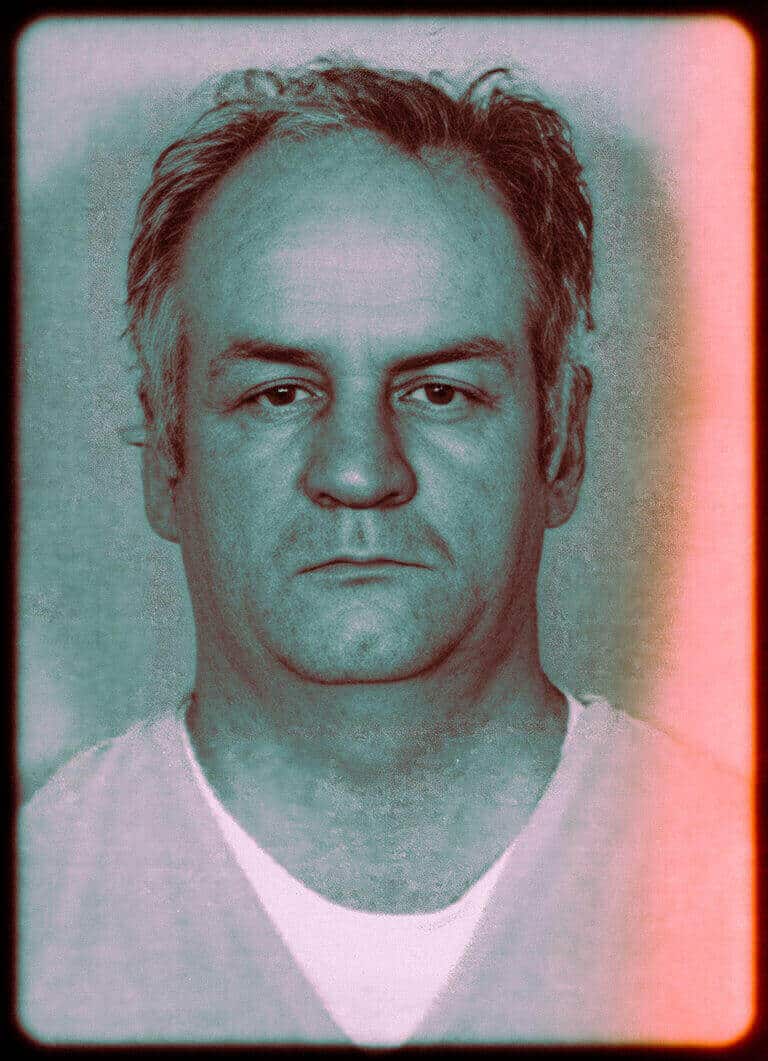
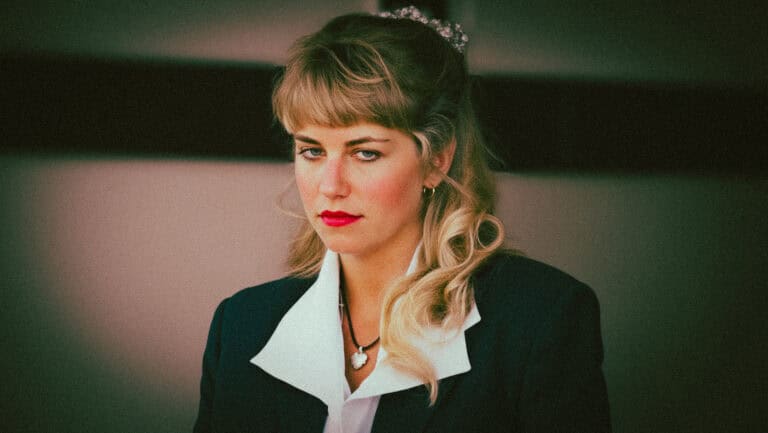
Paul Bernardo and Karla Homolka did not enter Canadian public memory as shadowed figures from an obvious criminal underworld. They appeared polished, attractive, photogenic and ordinary enough to pass through neighbourhoods, family gatherings, restaurants, workplaces and police interviews without revealing what was happening behind closed doors. The media gave them a nickname that turned that surface image into a national symbol of revulsion: the Ken and Barbie Killers. It referred not only to their looks but to the obscene contrast between bridal photographs and videotaped crimes, between domestic presentation and predatory violence.
The investigation of Bernardo and Homolka revealed a pattern of serial violence and significant institutional failures. Delays in DNA testing and fragmented police coordination allowed the crimes to continue across jurisdictions. A controversial plea agreement granted Homolka a reduced sentence before critical evidence was recovered.
Hidden videotapes later documented Homolka’s active participation, contradicting her account of coercion. Although the evidence arrived after her sentencing, the legal bargain remained binding. The case prompted systemic reforms in major case management, while Bernardo, convicted of two first-degree murders, remains incarcerated as a dangerous offender.
Case file · 01
May 1993: The Evidence Above the Light
On May 6, 1993, lawyer Kenneth Murray entered 57 Bayview Drive in St. Catharines, Ontario, and followed written instructions from his client, Paul Bernardo. Police had spent 71 days searching the rented house where Bernardo and Karla Homolka had lived. They had removed hundreds of items. They had opened walls and examined rooms in which two abducted girls had been held. They had not found what Bernardo directed Murray to retrieve from a space above a ceiling light in the second-floor bathroom: six videotapes.
Eight days later, on May 14, Ontario prosecutors finalized a resolution agreement with Homolka. She would plead guilty to two counts of manslaughter in the deaths of Leslie Mahaffy and Kristen French, cooperate fully with investigators, and testify against Bernardo. The joint sentencing position was 12 years.
The Crown knew the tapes existed. Homolka had said so. It did not know where they were, whether they still survived, or what they showed. Murray did. He would keep them outside police possession for approximately 17 months, through Homolka’s guilty pleas and sentence. His successor, John Rosen, finally gave them to investigators on September 22, 1994. The sequence is established in the Department of Justice Canada’s review of the plea agreement and in the later case record concerning Murray’s handling of the tapes.
The recordings did not show the killings of Mahaffy or French. They did show captivity, drugging, humiliation and sexual violence. They showed Homolka operating the camera, giving directions and participating in assaults that she had placed inside an account of fear, coercion and escalating abuse by Bernardo. They also revealed the assault that preceded the death of her 15-year-old sister, Tammy, and crimes against a surviving girl whose identity remains protected.
By the time police saw the images, Homolka had already given the Crown what it had purchased: information, admissions, pleas and a promise to testify. The legal bargain had been performed. The plea bargain became known across Canada as the “deal with the devil,” a name that makes it sound like a single catastrophic decision. The full case is more troubling. It is a history of evidence arriving out of order: a DNA sample waiting in a laboratory queue, police records separated by jurisdiction, a suspicious death given a natural explanation, a false investigative focus on the wrong car, and tapes concealed until their greatest legal consequence had passed.
The story of Paul Bernardo and Karla Homolka belongs first to Tammy Homolka, Leslie Mahaffy and Kristen French, and to the surviving protected victim. Their ordeals did not begin as one investigation. They became one only after institutions repeatedly failed to connect them.
Case file · 02
The Fantasy Before the Crime
Karla Leanne Homolka grew up in St. Catharines, Ontario, in a family that appeared stable and unremarkable from the outside. Her parents, Karel and Dorothy, were raising three daughters: Karla, Lori and Tammy. Before the names Homolka and Bernardo became permanently linked to murder, videotape evidence and a plea deal that enraged a country, Karla’s life was described in softer, more familiar terms: a bright student, popular with peers and eager to please.
Accounts of her childhood often begin with dolls. She collected Barbies and, in the retelling, imagined a future that looked polished and complete: a husband, a home, a flawless life. The detail has been used so often as a symbolic entry point that it risks becoming an explanation, which it is not. Its real value is as contrast. The case would become a grotesque inversion of that childhood fantasy, one in which human beings were treated as objects inside another person’s performance, violence was staged and humiliation was recorded.
Case file · 03
1987 to 1990: A Predator Moving Between Lives
When Karla met Paul
Karla Homolka was 17 when she met Bernardo, then 23, at a pet-industry convention in Toronto in 1987. She was from St. Catharines and later worked as a veterinary assistant. To her, he seemed to fit the role she had spent years imagining. To her family, Bernardo appeared attentive, ambitious and eager to belong. Dorothy Homolka would testify that the family came to think of him as a “weekend son,” a detail reported during the opening weeks of Bernardo’s 1995 trial. He was welcomed before he was understood.
The Scarborough Rapist
Outside the Homolka household, Bernardo was attacking women in Scarborough and surrounding communities. He stalked strangers, selected locations, approached from concealment and used threats and force. The unknown offender became known publicly as the Scarborough Rapist; his attacks are examined in detail in our file on the Scarborough Rapist, Paul Bernardo. The assaults crossed police boundaries and accumulated in files that were not managed through a common major-case system. Each investigation could contain accurate information without any investigator possessing the whole.
What Bernardo told Karla
Bernardo later claimed that he told Homolka about his attacks on women early in the relationship, and that she was not repelled. Whatever the truth of that claim, evidence at his trial described a relationship increasingly organized around his sexual demands and his need for control. Homolka testified that he resented that she had not been a virgin when they met, and that this grievance became a weapon he used against her. It also turned his attention toward her youngest sister.
That is what gives the next part of the case its particular moral weight. Before the murders entered the national consciousness, before the plea bargain, the tapes and the nickname, there was a family home at Christmas and a girl inside it who trusted her sister.
The DNA sample that waited
Bernardo did not remain entirely invisible. Tips pointed toward him. People who knew him noticed the resemblance between him and a composite drawing. In September 1990, a bank employee who had known him contacted the police. Metro Toronto investigators interviewed Bernardo on November 20. He denied being the rapist and voluntarily provided blood, saliva and hair the following day.
The samples did not produce a prompt answer. Serology, an older form of biological testing, narrowed the field but did not individualize it. DNA profiling was new in Canadian casework, and the Centre of Forensic Sciences was operating with limited staff, expanding demand and weak systems for prioritizing a mobile serial offender. A later review found that a written request for DNA testing was effective by December 13, 1990. The sample then effectively disappeared into the process until the police renewed the request in April 1992.
Justice Archie Campbell’s 1996 Bernardo Investigation Review reconstructed the delay. The Scarborough cases waited months to reach the laboratory queue. Testing began in late October 1992. On February 1, 1993, the first developed result showed a one-probe match between Bernardo and semen attributed to the Scarborough Rapist. Additional probes strengthened the conclusion over the next two weeks.
More than 25 months had passed since the effective testing request was made. Campbell concluded that, with the highest priority, the first match could have been available in early January 1991. That conclusion is not proof that every later crime would certainly have been prevented; arrest, charge and detention require their own evidentiary decisions. It does establish that the identification process failed to operate with the urgency the risk required.

Information that did not travel
The laboratory delay was part of a broader information failure. Metro knew in 1990 that Bernardo was moving to St. Catharines. Niagara police later received a stalking complaint tied to his Nissan. A provincial alert concerning a predatory assault in Niagara did not become the bridge it might have been to the Scarborough file. The future Green Ribbon Task Force did not begin with one integrated account of the rapes, tips, vehicle, move and DNA submission.
Campbell resisted the comfort of reducing those failures to one negligent officer. Investigators worked long hours, followed thousands of leads and often cooperated well. The deeper problem was structural. No governing system consistently forced information across jurisdictions, elevated serial-predator evidence, tracked laboratory requests, or returned unresolved suspects for review. Dedication was present. Coordination was not.
While Bernardo’s sample waited, he entered the Homolka family home for Christmas.
Case file · 04
December 1990: The Christmas Eve Assault
Tammy Lyn Homolka was born on January 1, 1975. She was a Grade 10 student, active in sports, living with her parents and sisters in St. Catharines. On the night of December 23, 1990, she was eight days short of her 16th birthday.
The plan was not spontaneous in the way panic is spontaneous. It was prepared. Homolka had stolen halothane, a volatile inhaled anesthetic, from the veterinary clinic where she worked. After a family gathering, she and Bernardo gave Tammy alcohol and triazolam, the sedative sold as Halcion. The family continued with its holiday routine, unaware that the youngest daughter had been targeted. After the rest of the household went to bed, Tammy stayed up with the couple in the basement. Once she was unconscious, they sexually assaulted her, using halothane to keep her under. They recorded the assault.
The medical danger was not incidental. Halothane depresses protective reflexes. In an operating room, anesthetized patients are monitored, their airways managed, and their stomachs kept empty where possible. Tammy had been drinking and had received a hypnotic drug. During the assault, she vomited, inhaled stomach contents and stopped breathing. Bernardo and Homolka attempted resuscitation, dressed her, moved her and concealed the drugs and recording before emergency help was summoned. Tammy never regained consciousness. She died in hospital on December 24.
Why the first death investigation failed
The first post-mortem examination found asphyxia caused by aspiration of vomit. Her blood-alcohol concentration was low, roughly one-sixth of the legal driving limit reported at the time. A chemical burn marked much of the left side of her face and the area around her mouth, but its cause was unexplained. The initial toxicology screen did not test for triazolam because investigators had no reason to request it; halothane, because it evaporates rapidly, would have been unlikely to remain detectable even if analysts had known to look for it. The death was closed as natural or accidental, with aspiration and asthma offered in the paperwork, despite the coroner later acknowledging that he did not know how Tammy had died. The family was left to believe she had choked by accident.
That distinction matters. Aspiration describes the terminal event: material entered the airway and lungs. It does not, by itself, explain why a healthy teenager was unconscious and unable to protect her airway. Campbell’s review found that the original investigation treated the event as a tidy answer when the unexplained facial burn, slight alcohol level and uncertain account called for continued caution.
Exhumation and reclassification
After Homolka disclosed the crime in 1993, Tammy’s body was exhumed. A second post-mortem report, completed in April 1994, found triazolam in several organs, confirmed aspiration, documented patchy burn-like injuries to the face and shoulder, and found that she had otherwise been in good health apart from mild bronchitis. The pathologists concluded that vomit does not cause such skin injury. They could not determine the precise mechanism of death from the remains alone. Smothering during the application of fluid to the face was one possibility considered; toxic effects and aspiration while drugged were others.
The later investigation classified the death as homicide because Tammy aspirated while unconscious from the administration of Halcion and halothane. At Bernardo’s trial, anesthesiologist Dr. Raymond Matthews explained that halothane could induce general anesthesia in a person already sedated with alcohol and triazolam, leaving her at grave risk if she vomited. Contemporary toxicology and anesthesiology reports also recorded triazolam findings in samples associated with Tammy, Leslie and Kristen.
The medical evidence does not support a confident claim that the couple intended to kill Tammy. Nor does it support the benign story first presented to authorities. She died during a planned drugging and sexual assault committed by Bernardo and her sister. The precise contribution of anesthetic toxicity, airway obstruction and aspiration could not be separated with certainty. No homicide conviction was entered against either offender for her death. Later charges connected to Tammy were stayed, and the public record contains no judicial finding that either acted with an intent to kill.
A letter about the wedding
After the funeral, Bernardo and Homolka continued toward marriage. Tammy’s death became both a secret and a source of power between them. Homolka later said Bernardo used her involvement to control her. The tapes would show that whatever fear existed, the original plan had required her theft of the anesthetic, her access to the victim and her active participation. Abuse and agency would become intertwined facts, neither capable of erasing the other.
Less than two months after Tammy’s death, Homolka wrote to her friend Debbie Purdie about her parents. As the letter has been reproduced in published accounts of the case, she complained that her father no longer wanted to pay for a large wedding (“Screw that! We’re having a good time”), that he had barely worked since Tammy died, and that he was “such a liar” for saying he would have bought Tammy the car she wanted for her 16th birthday “if I’d only known.”
The letter remains chilling because of what it does not contain. There is no visible grief proportionate to the death of a sister, and no recognition of the household trauma she had helped create. The language circles back to the wedding.
Case file · 05
June 1991: A Burlington Teenager Abducted
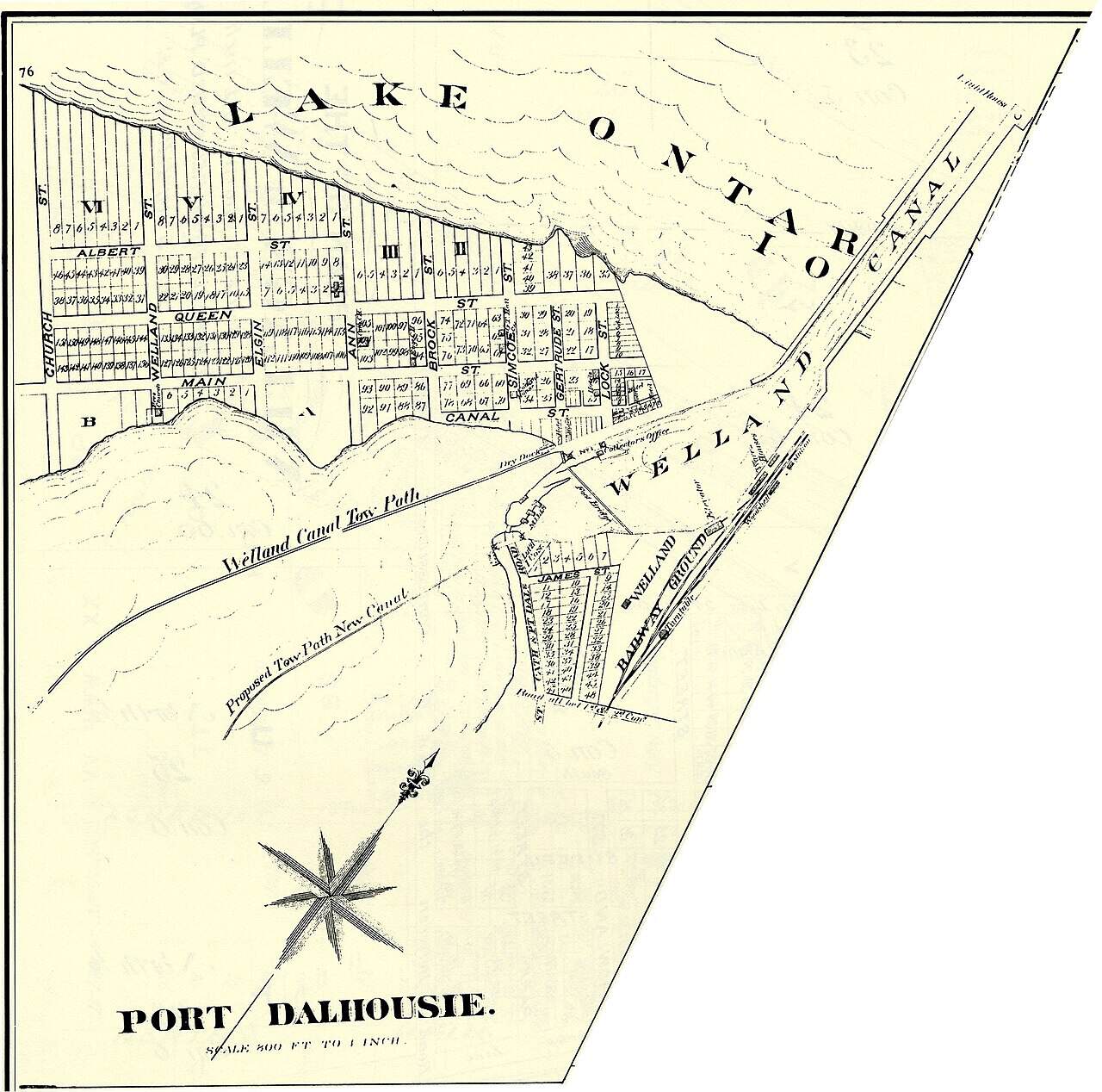
By the spring of 1991, Bernardo and Homolka were renting the house at 57 Bayview Drive in Port Dalhousie, a lakeside neighbourhood of St. Catharines. Bernardo was earning money by smuggling cigarettes across the border and, according to trial evidence, stole licence plates to disguise his trips. Those night drives took him through Burlington.
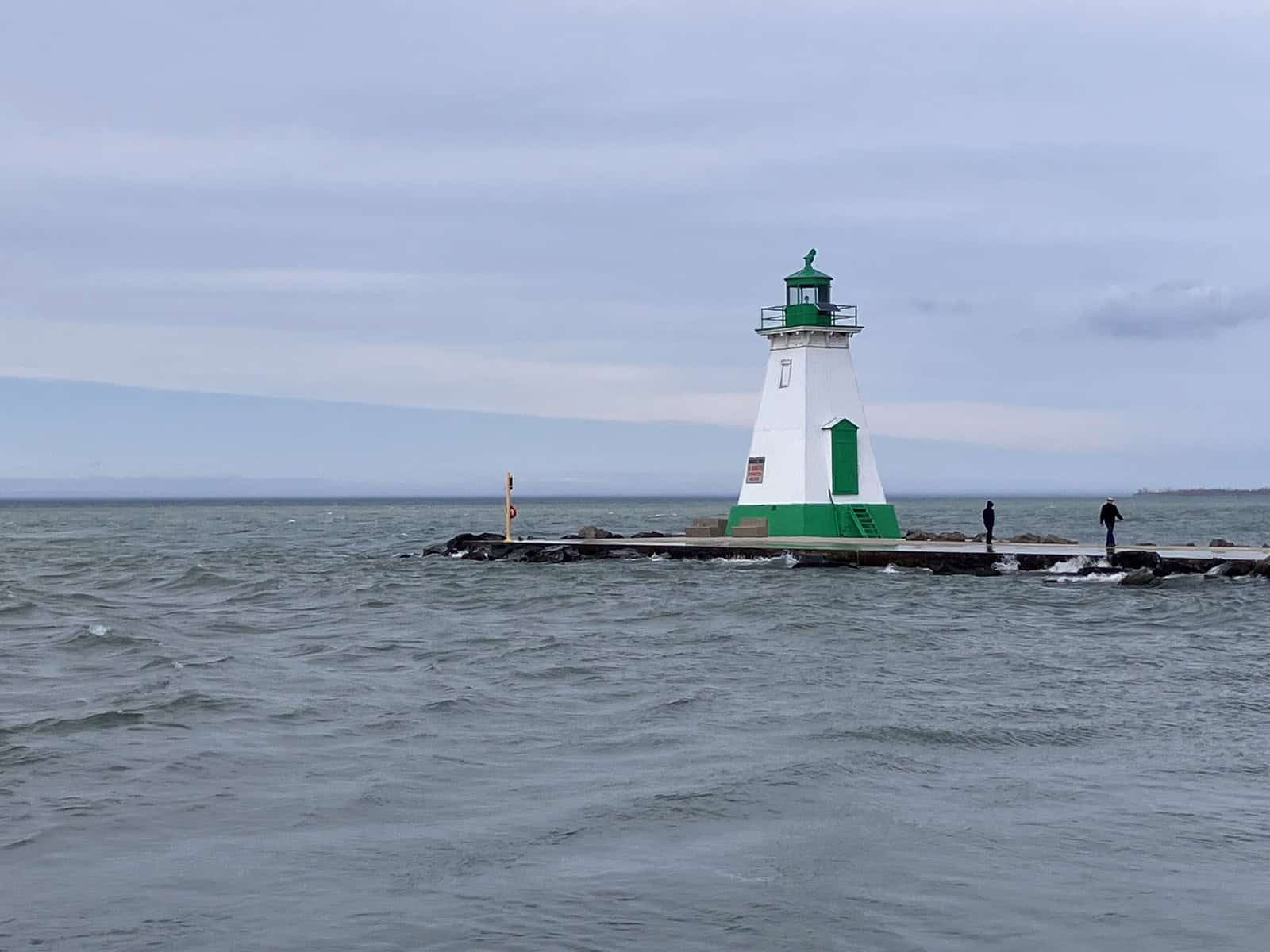
Leslie Erin Mahaffy was 14. On June 14, 1991, she had been with friends after attending a memorial for a boy killed in a car crash. She returned to her Burlington home after curfew and found the door locked. In the early hours of June 15, Bernardo encountered her outside.
He abducted Leslie at knifepoint and drove her to the Bayview Drive house. Over roughly a day, Leslie was bound, drugged, beaten, humiliated and sexually assaulted. Both Bernardo and Homolka participated. The camera recorded her alive and documented the controlled nature of the captivity. It did not record her death.
Homolka later testified that Bernardo strangled Leslie with an electrical cord. Bernardo admitted the kidnapping, confinement and sexual assaults but claimed Homolka caused Leslie’s death with drugs. Because the body had been dismembered and exposed to water, pathology could not independently determine the exact fatal mechanism. The dispute would survive the trial, even though it did not prevent a murder conviction.
After Leslie died, Bernardo dismembered her body. Her remains were placed in concrete and disposed of in Lake Gibson, south of St. Catharines. This was not a single impulsive act after a killing. It required tools, materials, transport and repeated handling, and the process destroyed information that a pathologist would ordinarily examine when determining the cause of death.
On June 29, people on Lake Gibson noticed the first concrete blocks. Dental records established Leslie’s identity. The same day the remains were first found, Bernardo and Homolka were married in Niagara-on-the-Lake.
The coincidence has often been arranged as a spectacle: wedding clothes against a body in the lake. Its real weight lies elsewhere. Leslie’s family had spent two weeks not knowing where she was. Investigators received a crime scene engineered to frustrate them. The people responsible moved through a public ceremony surrounded by relatives who did not know what had been done in the house.
Forensic examination later drew lines back toward Bayview Drive. Aggregate in the concrete was consistent with material on tools from the residence. Black paint on two blocks was chemically linked to paint transfer on wooden basement stair treads. Cut marks on bone were compared with tools. When Leslie’s remains were exhumed in June 1992, deeper examination disclosed bruising in underlying back tissue and a mark near the ankle compatible with a ligature. Triazolam was also detected. Those findings strengthened the evidentiary relationship between her captivity and Kristen’s, but they could not restore the information destroyed by dismemberment.
The legal record must remain exact. Leslie was murdered after being kidnapped and subjected to prolonged sexual violence. Bernardo was convicted of first-degree murder. Homolka was convicted of manslaughter under her agreement. The person who performed the last physical act was disputed at trial and was not resolved by a special jury finding.
Case file · 06
June 29, 1991: The Bride and the Performance
The wedding had the architecture of a storybook scene: a historic church in Niagara-on-the-Lake, a horse-drawn carriage, a formal dinner for about 150 guests and a carefully constructed image of romantic completion. The vows reportedly included the promise to “obey,” and Bernardo was said to have insisted on the phrase “man and wife.”
The language mattered. Possession mattered. Image mattered. In photographs and public memory, the wedding became one of the most grotesque visual contrasts in Canadian crime: a bridal costume laid over a criminal partnership already marked by Tammy’s death. Behind the ceremony was not a marriage in any healthy sense. It was a closed system of domination, sexual violence, manipulation and shared criminality.
Case file · 07
1991: A Surviving Victim Hidden in the Record
The crimes did not move in a straight line from one murder to the next. In 1991, Homolka brought a teenage acquaintance to the house on Bayview Drive. On two occasions, the girl was drugged and sexually assaulted. Homolka later testified that she had presented the girl to Bernardo as a kind of “wedding gift.” During one incident, the girl vomited and stopped breathing. A call was made to emergency services and was cancelled after she revived.
She survived without initially knowing the full nature of what had happened to her. Her identity has remained protected, and it is unnecessary to reproduce details that could expose her. What matters to the chronology is that the pattern already visible in Tammy’s death continued: access through Homolka, chemical incapacitation, recording, sexual violence and a medical emergency.
Jane Doe and the failure of control
In court records and reporting, the surviving girl is known only as Jane Doe. According to later testimony, she did not fit Bernardo’s fantasy of total submission, and the arrangement became unstable. After the breathing emergency, Bernardo blamed Homolka and questioned her ability to control the drugging. Their domestic life was not a mask over the crimes. It was part of the machinery that produced them.
Police found only a fragmentary recording connected to the survivor during the 1993 search. The complete tapes later revealed a victim previously unknown to the case. As the Department of Justice review of victim privacy observed, the discovery made Homolka’s 12-year sentence more suspect because it included no punishment for offences against this girl or against Tammy.
The survivor is not a narrative bridge between deaths. She is evidence of a life that might also have ended and did not. Her anonymity is part of the record and should remain intact.
Case file · 08
April 1992: The Linwell Road Abduction and the Camaro
Kristen Dawn French was 15, a student at Holy Cross Secondary School in St. Catharines. She was a competitive rower and precision skater. On Thursday, April 16, 1992, she began the short walk home from school before the Easter weekend.

Near Grace Lutheran Church on Linwell Road, Homolka approached Kristen with a map and asked for directions. This time, Homolka was not waiting at home; she was part of the approach. When Kristen stopped to help, Bernardo came from behind, forced her toward the car at knifepoint and pushed her inside. The abduction occurred in daylight along a travelled road. Witnesses saw pieces of it: a girl in a school uniform near a light-coloured two-door vehicle, a man struggling at a passenger door, a car leaving quickly. They did not all see the same thing, and memory did not preserve the scene like a camera.
Bernardo and Homolka took Kristen to Bayview Drive and held her for approximately three days. She was bound at the wrists and ankles, drugged, beaten, sexually assaulted and recorded. Access to the room was controlled. Alcohol and sedatives impaired her. The tapes showed both offenders participating in an organized captivity, not one offender acting in secret from the other.
During her captivity, Kristen tried to survive. That is one of the most devastating realities in many captivity cases: compliance is not consent. It is strategy under terror, an attempt to read the demands of captors and respond in the way most likely to stay alive.
Kristen was killed on April 19. Homolka testified that Bernardo strangled her with an electrical cord. Bernardo claimed Homolka killed her while he was absent. The recordings again stopped before the death. No reliable public evidence permits a writer to declare which account described the final moments.
On April 30, Kristen’s body was found under brush beside a rural road in Burlington. Pathologist Dr. Noel McAuliffe documented marks at her wrists, ankles and neck consistent with restraint and ligature pressure, and concluded that she died by strangulation. Triazolam was later detected in retained blood. The body had been washed, an apparent attempt to remove transfer evidence. Contemporaneous reporting of McAuliffe’s testimony records his findings without relying on later retellings.
Kristen’s disappearance mobilized St. Catharines. Her school community adopted green ribbons as a sign of hope.
The Green Ribbon Task Force
After Kristen’s body was found, the symbol gave its name to the Green Ribbon Task Force, a joint investigation involving Niagara and Halton police and eventually other agencies. Inspector Vince Bevan of Niagara Regional Police, who had led the inquiry into Leslie’s death, took charge. The task force set up hotlines and an operations centre and sought outside forensic and behavioural assistance, including from the FBI.

It began with witness evidence pointing toward a cream or off-white Camaro, Firebird or similar sports car. The description was understandable. Some witnesses had likely seen an unrelated beige Camaro in the area; others had seen Bernardo’s gold Nissan 240SX and mistaken its general body shape for the vehicle in question. Public appeals and photo procedures may then have reinforced the Camaro identification.
Investigators devoted enormous resources to the lead. Campbell’s review found that approximately 10,000 cars were processed through 16 checkpoints, while a special database tracked thousands of registered Camaros. Some investigators began treating the lack of a Camaro as grounds to downgrade a suspect, even though Bernardo drove a Nissan. When officers visited Bernardo at the Bayview Drive house, he was polite and cooperative. He acknowledged that he had previously been considered because of his resemblance to a composite sketch. They saw a tidy home and a car that did not match the lead.
The review did not ridicule the original emergency decision. When Kristen might still have been alive, the vehicle description was the strongest public lead available. The failure was that the lead acquired institutional momentum without repeated neutral testing.
The lesson was both psychological and administrative. Honest witnesses can be wrong. Investigators can unintentionally contaminate uncertain recollection by showing a narrow set of images. A major theory consumes staff, computer work and public attention, making it harder to reverse. The missing safeguard was a management system that forced strategic review: What evidence supports the theory now? What other vehicle shapes fit? Which suspects have been discounted for reasons that no longer withstand scrutiny?
While the Green Ribbon Task Force examined Camaros, Metro Toronto still held Bernardo’s biological samples. While Niagara investigated the schoolgirl murders, a stalking report tied to Bernardo had not become a decisive shared record. The case was not short of facts. It was short of a system that could place them side by side.
Case file · 09
Late 1992 to February 1993: The House Begins to Break
Violence inside the Bayview Drive house intensified in late 1992. Homolka later produced photographs and medical evidence of severe beatings by Bernardo. He admitted assaulting her in December 1992 and January 1993.
The abuse was real. Its legal meaning was not simple. Domestic violence can impair judgment, create terror and trap a victim in patterns outsiders misunderstand. It can also coexist with criminal planning and voluntary action. Evidence that Bernardo battered Homolka did not answer whether she chose to steal anesthetic, help abduct Kristen or assault captives. Evidence of her participation did not make the beatings unreal.
Karla leaves Paul
After the January 1993 beating, Homolka was treated in hospital. Her family persuaded her to leave the marriage, and she went to stay with relatives. As police attention on Bernardo intensified, investigators wanted to speak with her.
On February 9, Metro Toronto detectives interviewed Homolka for hours. She discussed spousal abuse but did not then disclose the murders or the truth about Tammy. She came away understanding that police were linking the Scarborough rapes to the schoolgirl murders, and she soon told relatives that Bernardo was the Scarborough Rapist. On February 11, she retained lawyer George Walker. Her first position was that she had been a battered and coerced wife; negotiations with the Crown began as the DNA case against Bernardo finally hardened.
The first DNA match had arrived on February 1. Further testing increased its force. Police connected Metro’s serial-rape investigation with the Niagara and Halton murder files and began assembling a search-warrant application. Bernardo was arrested on February 17 on sexual-assault charges and publicly identified as a suspect in the deaths of Leslie and Kristen. The search of 57 Bayview Drive began on February 19.
The house yielded extensive evidence: records, drugs, tools, fibres, paint and a fragmentary tape. It also contained physical traces that could be compared with the concrete blocks and the rooms shown in the later recordings. Yet the central six tapes remained above the bathroom light.
The miss was consequential, but Campbell’s review gave it context. The search was painstaking and in many respects exemplary. Officers did not know with certainty that the recordings remained in the house, and legal warrants constrained what they could damage and seize. Still, the result was a failure in the one place that mattered most. When the search ended on April 30, the Crown had proof that Bernardo was the Scarborough Rapist and a growing circumstantial case. It did not have the visual record of the crimes against Leslie and Kristen.
It had Homolka.
Case file · 10
Spring 1993: What the Crown Could Prove
The decision to bargain cannot be understood by asking what the public knew after the trial. It must be measured against the admissible case prosecutors believed they could present in the spring of 1993.
The DNA result was powerful, but it answered a different question. It identified Bernardo as the source of biological evidence in the Scarborough sexual assaults. It did not place him in the Bayview Drive bedrooms with Leslie or Kristen, establish that he had abducted them, or prove that he had taken part in their deaths. Evidence from the house and concrete blocks created important circumstantial links, yet each link had its limits. Paint and aggregate could connect objects and locations without identifying who used them. The condition of Leslie’s remains prevented a precise cause-of-death determination. Kristen’s autopsy established strangulation and restraint but did not identify the person who applied fatal pressure.
The witness evidence had similar boundaries. People near Kristen’s abduction saw only fragments, and the dominant vehicle identification pointed away from Bernardo’s Nissan. The victims could not testify. No surviving observer had seen either killing. Bernardo denied involvement. Before the complete tapes, the Crown could foresee a defence arguing that suspicious objects, a violent sexual history and residence in the region did not prove two murders beyond a reasonable doubt.
Homolka supplied what the separate evidence lacked: an internal chronology. She could describe how Leslie entered the house, what was done during the captivity, what happened to the body and how the concrete blocks reached Lake Gibson. She could explain how Kristen was lured to the car, where she was held, which drugs were used and how the body left the house. Details known only to participants could be compared with pathology, toxicology, the rooms, the disposal site and items recovered in the search.
Her evidence was also contaminated by self-interest. She faced potential murder charges, had delayed disclosure and needed to minimize her own responsibility. Any competent defence lawyer would tell jurors that freedom was the price of her testimony. The Crown therefore faced the familiar accomplice problem in its most extreme form: the witness who could complete the case was also implicated in the crimes and had the strongest possible reason to shift blame.
Prosecutors could try both offenders together and ask a jury to infer a joint plan, but without the tapes, they feared that each would accuse the other and both might create reasonable doubt about the killings. They could prosecute Homolka first and lose the only insider willing to testify against Bernardo. Or they could purchase her cooperation with a charge and sentence concession.
The later Ontario Court of Appeal decision shows that party liability ultimately provided a route to convict Bernardo even if jurors concluded Homolka physically killed the girls. But that appellate conclusion rested on the trial record as a whole, including evidence that became available after the agreement was made. It does not prove the Crown possessed an equally strong murder case in May 1993.
The bargain was not made because prosecutors considered Homolka blameless. It was made because they feared the available evidence could leave the more demonstrably dangerous offender beyond the reach of a murder conviction. The hidden tapes would soon make that calculation look obsolete. They were already in Murray’s possession, but they were not yet part of the Crown’s case.
Case file · 11
May to July 1993: The Karla Homolka Plea Bargain
The Crown did not offer Homolka immunity. Prosecutors viewed her as an accomplice and knew she had committed grave offences. The problem was proving murder against Bernardo. Before the tapes, Homolka was the only participant willing to describe the kidnappings, captivity and deaths from inside the house. Without her, prosecutors feared they could prove serial sexual assaults but not the schoolgirl murders. For the legal mechanics behind deals of this kind, see our explainer on how plea agreements work in Canada.
The negotiations ran between George Walker and Murray Segal, a senior lawyer in the Ontario Ministry of the Attorney General. The resolution agreement finalized on May 14 required full, truthful disclosure; extensive police interviews; assistance in recovering evidence; guilty pleas to two manslaughter counts; and testimony against Bernardo. The joint sentence was 12 years. One clause provided that if authorities learned Homolka had personally caused any victim’s death, in the sense of “stopping life,” the proposed resolution could be terminated.
That clause exposes the bargain’s factual premise. Prosecutors did not believe Homolka was innocent. They believed Bernardo had committed the final killings and that her crimes, while extensive, could be resolved as manslaughter in exchange for the evidence needed to convict him. The agreement was a calculated use of an accomplice, a common but morally difficult prosecutorial tool made extreme by the conduct involved.
At the moment of agreement, Murray had possessed the tapes for eight days.
The letter to her parents
While she was being assessed in hospital in the weeks before the agreement was finalized, Homolka wrote to her parents and her sister Lori. As reproduced in published accounts, the letter said: “Both Paul and I are responsible for Tammy’s death. Paul was ‘in love’ with her and wanted to have sex with her. He wanted me to help him.” She wrote that he “threatened me and physically and emotionally abused me when I refused,” that she had “stupidly” agreed, and that she had “tried so hard to save her.”
The letter framed her participation through coercion and fear. It acknowledged responsibility but cast Bernardo as the principal force and Homolka as the damaged subordinate. That framing would become central to the bargain, and central to the public fury that followed once the tapes showed something different.
The plea proceeding
Homolka was charged with two counts of manslaughter on May 18. Bernardo was charged the following day with two counts each of first-degree murder, kidnapping, unlawful confinement and aggravated sexual assault, along with indignity to Leslie’s body. Homolka began a long series of interviews under the agreement. Her pleas were entered at a largely closed proceeding in St. Catharines that began on June 28. Justice Francis Kovacs imposed the agreed sentence on July 6.
A psychiatric assessment by Dr. Andrew Malcolm, presented in support of the resolution, described her as fearful and submissive, aware of what was happening but psychologically unable to intervene. Segal defended the sentence as a practical necessity: “Without her, the true state of affairs might never be known,” he said, citing her guilty plea, her age, her lack of a criminal record, the abuse and influence of her husband, and what the Crown then called her “somewhat secondary role.”
A sweeping publication ban prevented Canadian media from reporting most of the evidence, the nature of the pleas and the circumstances of the deaths until Bernardo’s trial ended. Canadian journalists could attend, subject to restrictions; the public and foreign press were excluded. The order was intended to protect Bernardo’s right to an impartial jury, but it also prevented the public from evaluating the basis of Homolka’s sentence. American newspapers, broadcast reports and early online networks carried information that Canadian outlets could not publish. Rumour filled the space created by law.
The victims’ families were permitted to address the court, but they did not know the most consequential evidence was already outside the case. The sentence appeared radically low even on the facts available. What the tapes later revealed would make the disparity feel irreparable.
Case file · 12
May 1993 to September 1994: The Karla Homolka Videotapes Outside the Case
Murray removed the six tapes on Bernardo’s written instructions. Physical evidence does not become privileged merely because a client tells a lawyer where it is. The communication may be confidential; the object, created before the legal relationship and existing independently of it, is not transformed into a protected conversation.
Murray nevertheless retained the recordings. His stated strategy was to use them in Bernardo’s defence, particularly to challenge Homolka’s credibility and portray her as a more willing or dominant participant. That strategy depended on keeping the Crown from seeing the evidence in advance. Disclosure would allow prosecutors to reassess their witness, the murder theory and the bargain.
In 1994, the defence position became untenable. Bernardo wanted to advance an account inconsistent with what the recordings proved. Murray withdrew and sought professional guidance. The tapes were passed to successor counsel John Rosen, who turned them over to the police on September 22.
Their effect was immediate and limited in different ways. They proved Bernardo’s direct involvement in the captivity and sexual assaults, making the Crown less dependent on Homolka for those offences. They documented her active participation, contradicting any simple description of her as a helpless observer. They revealed crimes against the protected survivor and showed the circumstances preceding Tammy’s death.
But they did not show Leslie or Kristen being killed. They did not establish which offender applied the fatal ligature, administered a lethal combination of drugs or assisted at the final moment. On the central disputed fact, the tapes changed the probabilities and the credibility contest without supplying a complete visual answer.
They also did not prove that Homolka had defrauded the Crown. According to the later Galligan review summarized by the Department of Justice, she had disclosed the tapes’ existence, described her own criminal conduct and met the cooperation requirements. Prosecutors concluded that the new images made the agreement disastrously favourable but did not provide lawful grounds to revoke it after she had performed her side of the agreement.
This is the legal core of the Karla Homolka plea bargain. The Crown would not have made it on the same terms if it had possessed the tapes. Once it did possess them, the state was bound by the agreement it had already used.
Case file · 13
1995: A Trial of Two Accounts
Bernardo’s trial began in Toronto on May 18, 1995, before Justice Patrick LeSage. He eventually admitted to abducting Leslie and Kristen, imprisoning them in his house, and subjecting them to repeated sexual assaults and humiliation. The central issue was murder. Homolka said he strangled both girls. Bernardo said she killed them.
Jurors saw the recordings. The public and the press could hear much of the audio but were generally shielded from the images. The French and Mahaffy families argued that the open-court principle did not require their daughters’ degradation to become a public spectacle. Courts balanced the accused’s fair-trial rights, public access and victim privacy through a series of exceptional orders.
Homolka testified for 17 days. She described Bernardo’s violence against her, fear, threats and psychological domination. Cross-examination placed planning, deception and her recorded conduct beside that account. Two experts were permitted to explain battered woman syndrome and post-traumatic stress disorder, but the trial judge barred them from opining that Homolka suffered from either condition. The jurors had to decide what the abuse explained, what it did not and how it affected her credibility. Both experts acknowledged that some of her conduct suggested malingering.
Sex slaves and courtroom reality
The courtroom heard evidence of Bernardo’s control over Homolka, his degrading demands and his treatment of earlier girlfriends. Homolka testified about his abuse, his verbal degradation and the way he dismantled her self-worth. Rosen attacked her credibility. His aim was to present her not as a frightened pawn but as an active participant who had manipulated the system into giving her an extraordinary deal. He pointed to her conduct on the tapes and to the couple’s ability to move from atrocity back into family routine, presenting a normal life to relatives and neighbours.
That tension remains the core of the Homolka question. It is not whether Bernardo was a sadistic predator; the verdict settled that. It is whether Homolka’s abuse explained her role, minimized it or obscured a more deliberate complicity.
The Crown’s two theories
The Crown did not ask the jury to accept her account without an alternative. Its primary theory was that Bernardo strangled both girls. Its secondary theory was that if Homolka physically killed one or both, Bernardo was still guilty as a party because he had acted with her through the kidnappings, confinement and assaults that culminated in intentional deaths. In closing, the prosecutor distanced the case from the earlier bargain and told jurors that, on Homolka’s own evidence, she was guilty of first-degree murder. Had the tapes been available in 1993, he suggested, she would have been in the prisoner’s box beside Bernardo.
On September 1, the jury convicted Bernardo on all nine counts, including both first-degree murders. He received life sentences with no parole eligibility for 25 years. On November 3, he was declared a dangerous offender and given an indeterminate sentence, a designation based on continuing risk rather than the punishment for one count alone.
The verdict established Bernardo’s guilt. It did not endorse every statement Homolka made or identify the hand that performed each final act. On appeal, Bernardo again argued that she alone was the killer. In 2000, the Ontario Court of Appeal dismissed his challenge. It found ample circumstantial evidence that the pair acted in concert when the girls were killed, whether as co-principals or as a party to the other’s offence. The Supreme Court of Canada dismissed his application for leave to appeal.
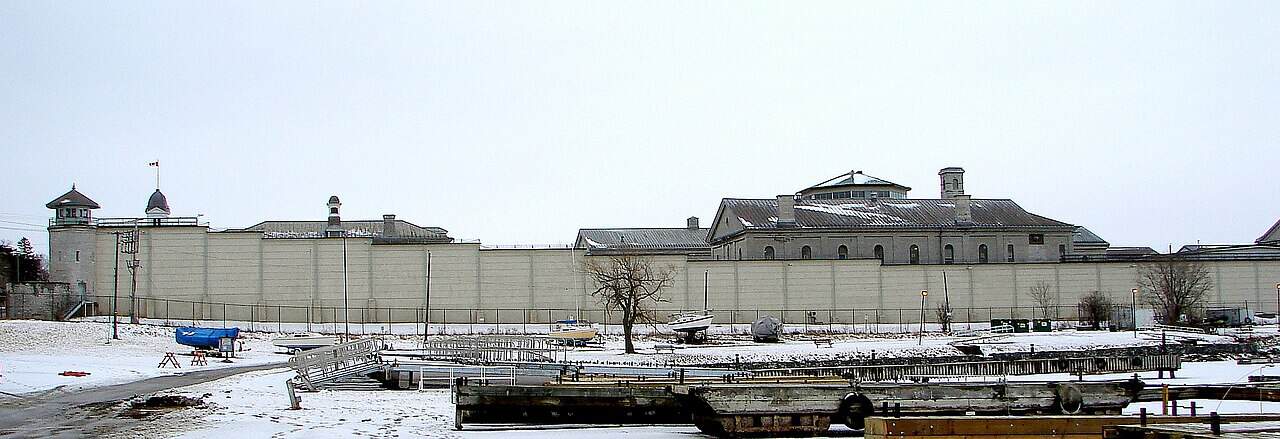
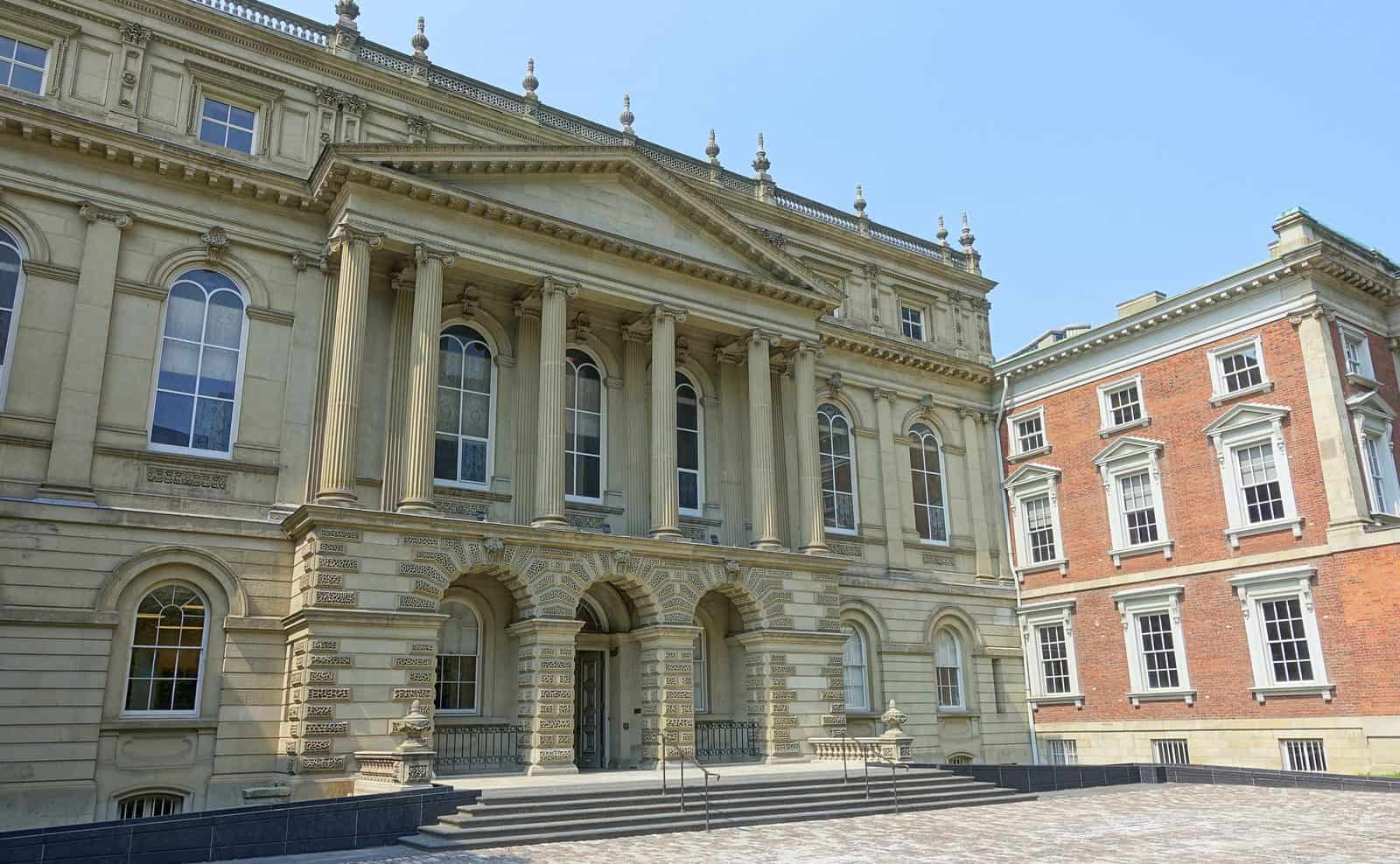
That ruling provides the narrow, defensible answer to the question the case continually invites. Bernardo was properly convicted of both murders after admitting the kidnappings, confinement and sexual assaults. Homolka was not tried for murder because of the resolution agreement. The public record does not conclusively identify who performed every final physical act. It does establish that both offenders created, maintained and exploited the captivity in which Leslie and Kristen died.

Case file · 14
1996 to 2001: Two Reviews and the Cost of a Binding Deal
After the trial, Ontario commissioned two major examinations. Justice Patrick Galligan reviewed the Homolka resolution agreement. Justice Archie Campbell reviewed the investigations that had failed to identify and stop Bernardo sooner. One inquiry asked whether prosecutors had surrendered too much. The other asked why separate justice institutions had possessed pieces of a serial predator without joining them in time.
Galligan’s answer was uncomfortable but legally coherent. On the evidence available in May 1993, prosecutors had no realistic alternative if they wanted to secure a murder conviction against Bernardo. Dealing with an accomplice was the lesser of two evils. A sentence in the range of 10 to 15 years was supportable for the conduct as it had been legally resolved, and 12 years fell within that range.
The conclusion did not retrospectively approve a deal made with full knowledge of the tapes. Galligan found that the Crown would not have entered the same agreement had prosecutors possessed the recordings. But he also found that Homolka had told authorities the tapes existed, made full disclosure of criminal activity she knew about, and fulfilled the agreement’s requirements. She had not procured the bargain through a fraud that would free the Crown from its promise.
The state had already benefited from the agreement. Homolka had confessed, submitted to questioning, entered pleas and prepared to testify. Repudiating the deal after those steps would not only affect her case. It would tell every future accomplice that a prosecutor’s promise could dissolve after the state obtained what it needed. In that view, honouring an appalling bargain protected the integrity of resolution agreements generally.
The finding explains the law. It does not eliminate the moral disproportion. Homolka’s convictions did not encompass Tammy’s death or the crimes against the surviving protected victim. The sentence reflected an evidentiary transaction rather than a complete accounting of harm. Legal finality and historical truth occupied different spaces.
Murray’s conduct produced a separate prosecution. He was charged with attempting to obstruct justice by keeping the tapes. In 2000, Justice Patrick Gravely acquitted him because the Crown had not proved the required intent beyond a reasonable doubt. Murray might have believed, however mistakenly, that he could retain the evidence temporarily for a legitimate defence strategy in an area where professional rules were unclear.
The acquittal was not a ruling that the tapes were privileged or that lawyers may conceal physical evidence. The court identified three lawful options: deliver the evidence to the prosecution, place it with the trial judge for a ruling, or disclose its existence and litigate whether it must be produced. After the case, no defence lawyer could plausibly treat the same problem as undefined.
The tapes remained a source of litigation even after they had served their evidentiary purpose. Leslie’s and Kristen’s families sought to prevent copying and public circulation. In December 2001, after the appeals had run their course, they witnessed the recordings being incinerated under court order. The Department of Justice’s account of those proceedings frames the destruction as an unusual accommodation of victim dignity within a system otherwise committed to open courts.
Destruction denied future viewers access to primary evidence: a real archival cost. Preservation, however, would have left a continuing risk that recordings of child sexual assault would be leaked, copied or consumed as spectacle. The courts chose the privacy of the victims and survivors after the evidence was no longer required for justice. Nothing in responsible public understanding requires watching what was done to them.
Case file · 15
1996 to 2005: Rebuilding the Investigative System
Campbell’s review looked beyond the tapes and plea agreement to the institutions that preceded them. Metro Toronto Police, Niagara Regional Police, Halton Regional Police, the Centre of Forensic Sciences, coroners and task-force investigators had each managed part of the developing story. The problem was not an absence of effort. It was the absence of durable procedures for major cases crossing jurisdictions and disciplines.
The DNA delay illustrated laboratory triage in the absence of a reliable serial-predator priority. The Camaro investigation illustrated how an early theory could absorb resources without formal strategic review. Tammy’s first death investigation illustrated the danger of treating aspiration as a cause without identifying the condition that made aspiration possible. The disconnected police files illustrated how a suspect, a move, a stalking report and a series of attacks could remain administratively separate while the offender remained mobile.
Ontario’s response was a standardized Major Case Management system. A centralized coordinating body, common investigative standards, specialized training and shared software were designed to make information traceable and comparable across police services. ViCLAS reporting was made mandatory for defined violent crimes. The Centre of Forensic Sciences added tracking and quality-assurance systems. The coroner’s office strengthened interdisciplinary review and directed that aspiration of stomach contents was not, by itself, an adequate cause-of-death explanation.
The province rolled out Major Case Management in 2000 and made it mandatory for Ontario police services in 2005. According to Public Safety Canada’s description of the system, the common platform was intended to organize tips, statements, forensic results and officer actions in one auditable repository, then identify possible links across cases. Our guide to Ontario Major Case Management explains how the system works today.
No software can guarantee that a predator will be recognized in time. Databases contain the biases and omissions of their users. Witnesses remain fallible; laboratories have finite capacity; jurisdictional interests do not disappear. But the reforms addressed the specific conditions that allowed Bernardo to move between separate institutional worlds. They were built from an inventory of what had not travelled soon enough.
Case file · 16
July 2005: Karla Homolka’s Release and the End of a Fixed Sentence
Homolka did not leave custody on early parole or statutory release. She served the full 12-year sentence and left federal custody on July 4, 2005, at warrant expiry.
Before release, Quebec authorities obtained a peace bond under section 810.2 of the Criminal Code, imposing preventive conditions based on a feared risk of serious personal injury. Later that year, Quebec Superior Court Justice James Brunton set the restrictions aside. The court found no solid current evidence sufficient to justify them, even though risk could not be ruled out in absolute terms. The Quebec Court of Appeal declined to revive the order, and the province did not take the matter further, as contemporaneous Quebec reporting recorded.

That result is sometimes described as if a parole board declared Homolka rehabilitated. It did not. Her sentence expired. Continued punishment required a new legal basis and current evidence meeting a preventive threshold. The court found the record insufficient.
As of 2026, the public legal record reviewed for this article shows no continuing criminal sentence, parole or probation. Her present family life and exact residence are not necessary to explain the case. Reporting such details risks exposing private people, including children, who bear no responsibility for her crimes. The relevant public fact is legal: the fixed sentence negotiated in 1993 ended in 2005, and no later homicide conviction replaced it.
Case file · 17
2023 to 2026: Bernardo’s Continuing Sentence
Bernardo remains incarcerated under life and indeterminate sentences and retains his dangerous-offender designation. On May 29, 2023, Correctional Service Canada transferred him from maximum-security Millhaven Institution in Ontario to the medium-security La Macaza Institution in Quebec.
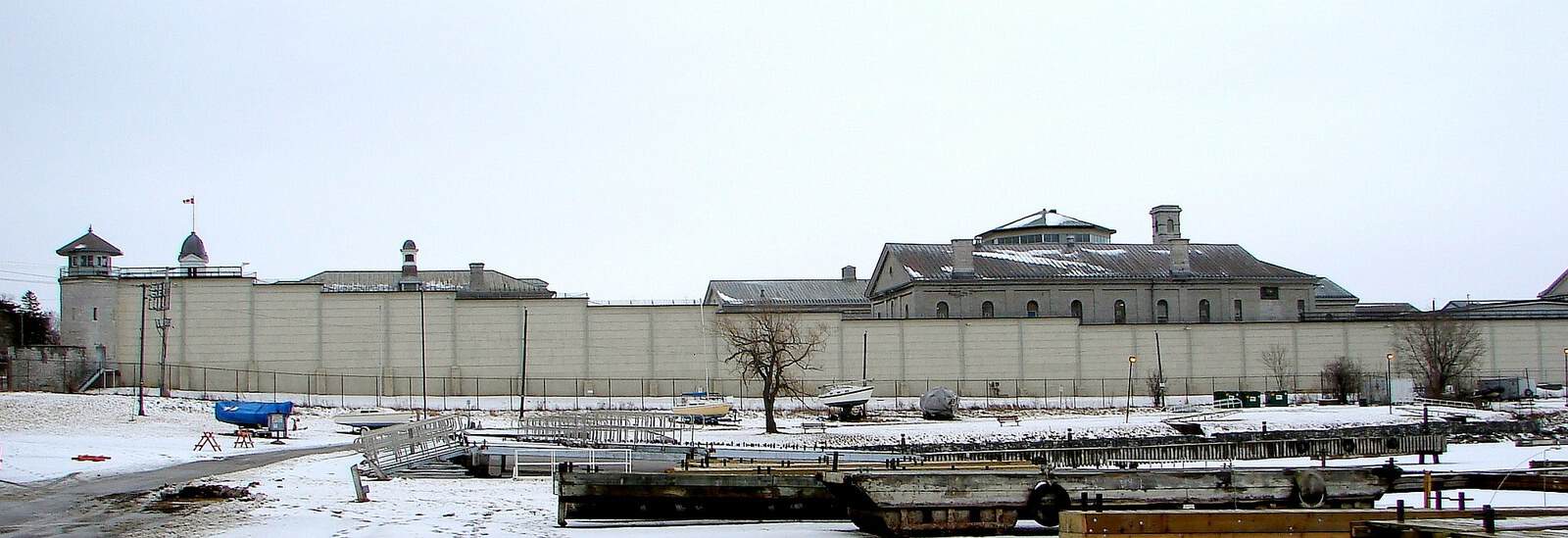
The decision reopened public anger about the case and caused renewed distress to registered victims. A Correctional Service Canada review concluded that the reclassification and transfer complied with the governing law and policy. The report stated that La Macaza could manage high-profile people convicted of sexual offences and that Bernardo remained a high risk to public safety. It also found that the way victims were informed could have been handled better and recommended stronger engagement practices.
Security classification did not alter the sentence or grant release. In November 2024, the Parole Board of Canada denied Bernardo parole for a third time, including day parole and escorted absences for the community program he sought. The board cited continuing concern about sexual recidivism, clinical assessments, personality factors, the serial and extremely violent nature of the crimes, and the dangerous-offender finding. The Canadian Press reported the decision on November 26, 2024.
A March 2026 House of Commons record identified the 2024 proceeding as his most recent parole hearing. A fourth hearing was scheduled for October 20, 2026, at La Macaza. In September 2026, the Parole Board of Canada said that hearing had been postponed; Tim Danson, the lawyer for the victims’ families, said he was told it would move to a date in January 2027. The board did not give a reason, noting only that postponements can be requested by the offender, as CHCH News and CTV News reported. Bernardo remains imprisoned.
The distinction between security level and release is important. A medium-security placement can be deeply painful to families and controversial as a correctional decision, without meaning that an offender is free, near freedom or no longer dangerous. The case has repeatedly suffered when different legal questions are conflated. Sentence, security classification, parole eligibility and parole suitability are separate decisions governed by different evidence.
Case file · 18
Psychological Evaluation: Beyond “Battered Wife” Syndrome
No court has ever made a clinical finding about what Karla Homolka is. The legal record contains something narrower: a 1993 psychiatric assessment that supported the Crown’s view of her as a fearful, submissive participant, and a 1995 trial in which experts could describe battered woman syndrome and post-traumatic stress disorder but were barred from saying that she had either condition. Both experts acknowledged signs of malingering.
After the tapes, commentators and authors pushed hard in the other direction. Some suggested traits consistent with histrionic personality disorder: attention-seeking, dramatic presentation and shallow emotion. Others pointed to antisocial features: deceit, an apparent lack of remorse and a willingness to harm others, including her own sister. These are interpretations, not diagnoses. No public clinical evaluation establishes either label, and retrospective diagnosis from tapes, letters and courtroom demeanour is exactly the kind of certainty the case has repeatedly punished.
What the record does support is more useful than a label. Homolka’s own account of coercion was accepted, then contradicted, then partly reaffirmed by Galligan’s finding that she had met her obligations. Abuse by Bernardo was real. So were her planning, her theft of the anesthetic, her role in luring a victim and her conduct on the tapes. A framework that can hold both facts at once is more honest than either the “broken bird” or the “monster” narrative.
Case file · 19
What the Karla Homolka Case Leaves Behind
The Karla Homolka case endures because it refuses the clean moral arrangement that law and popular memory each tried to give it. Homolka was abused by Bernardo. She also planned, enabled and committed sexual violence. Her evidence helped convict a serial rapist and murderer. Her own negotiated convictions did not encompass the full conduct later visible on tape. Prosecutors made the bargain without critical evidence. An independent review still found that they acted reasonably on the evidence they possessed and could not honourably revoke the agreement after using it.
Those facts do not cancel one another. Together, they explain the distance between the legal resolution and the historical record. The case left Canada with more than grief and disgust. It left a lasting wound in the relationship between public trust and prosecutorial discretion, and it forced the country to ask what justice means when a witness is also a participant, when cooperation becomes currency, and when the truth arrives too late to correct the bargain.
The phrase “deal with the devil” identifies the point of greatest public anger, but it can misplace the centre of the tragedy. The bargain came after failures with irreversible consequences. Tammy’s death was closed with an inadequate natural explanation because the drugging and assault were concealed and because unresolved medical signs did not trigger a deeper review. Leslie’s body was altered and hidden while investigators began with almost nothing. Kristen was abducted after Bernardo had already provided the biological samples that would identify him as the Scarborough Rapist. The Green Ribbon Task Force pursued a plausible but mistaken vehicle theory while the decisive DNA waited elsewhere.
Then the tapes existed above a bathroom light while police searched the house. They sat with defence counsel while Homolka’s legal future was negotiated. When they finally entered the case, they clarified the scale of her agency but not the identity of the person who performed every final act. The truth arrived in pieces and at times when different parts of the justice system could no longer use it fully.
The “deadly damsel” legacy
Homolka’s case is often cited in discussions of female accomplices, and the lesson it teaches is about investigators and courts as much as about her. Assumptions about female passivity can blind a justice system to a woman’s capacity for violence and manipulation. Self-reported narratives of coercion need corroboration, not automatic acceptance or automatic dismissal. The broader pattern is explored in our file on the female accomplice and her puppet master.
Why the Ken and Barbie label misleads
The Ken and Barbie nickname remains one of the most misleadingly simple labels in modern true crime. It suggests a couple defined by appearance, vanity and media shock. The deeper horror is not that two attractive people committed crimes. It is that fantasy, domesticity and social normalcy became part of the camouflage. Bernardo was already a serial sexual predator before Homolka became his wife, and his violence escalated from rape to captivity and murder. Homolka’s role remains the source of enduring anger because she was not merely a woman who failed to stop him. She entered the legal system as both offender and asset.
Ontario eventually changed how major investigations share information. Bernardo was convicted and remains imprisoned. Homolka served the sentence the Crown promised. The recordings were destroyed so that the evidence would not become an endless second violation of the victims.
None of those outcomes restores the order in which justice should have operated: recognize the serial threat, test the sample, connect the files, examine an unexplained death without forcing certainty, find the evidence, protect the next child.
Tammy Homolka, Leslie Mahaffy and Kristen French were not symbols created to explain an infamous couple or an infamous bargain. They were girls inside family life, friendships, school, sports and ordinary streets. A fourth girl survived crimes that remained hidden until the tapes surfaced. Their identities and dignity establish the limit of what this story should ask readers to consume.
The institutions eventually learned to speak to one another. The evidence was eventually seen. The bargain remained.
That is the bleak fact at the end of the chronology: the record became clearer, but only after clarity had lost much of its power to prevent harm or proportionate punishment.
Case file · 20
Frequently Asked Questions
Why were Bernardo and Homolka called the Ken and Barbie Killers?
The media used the nickname because the couple looked like a polished, photogenic young pair, an image that clashed violently with the crimes they committed. The label is shorthand, not analysis, and it tends to centre the offenders rather than the victims.
What was Karla Homolka convicted of?
Homolka pleaded guilty to two counts of manslaughter in the deaths of Leslie Mahaffy and Kristen French. Under a resolution agreement requiring full cooperation and testimony against Paul Bernardo, she received a total sentence of 12 years.
Why did Karla Homolka receive only 12 years?
In May 1993, prosecutors believed Homolka’s evidence was necessary to prove Bernardo’s responsibility for the murders. They did not possess the hidden videotapes. A later independent review found that the Crown would not have made the same agreement had the tapes been available, but also found that prosecutors acted reasonably on the evidence they had and were bound to honour the agreement after Homolka performed it.
Did the videotapes show the murders?
No. The tapes documented drugging, captivity, sexual violence and the active participation of both Bernardo and Homolka. They did not record the killings of Leslie Mahaffy or Kristen French, leaving the person who performed each final physical act disputed.
Who killed the two schoolgirls?
Bernardo was convicted of both first-degree murders. Homolka testified that he strangled the girls; Bernardo claimed she killed them. The jury could convict him as the principal killer or as a party acting with Homolka. The public record does not conclusively identify who performed each final act, but it establishes that both participated in the kidnappings, confinement and sexual assaults surrounding the deaths.
What happened to Karla Homolka’s younger sister?
Tammy Homolka was drugged with alcohol and triazolam, exposed to the anesthetic halothane, and sexually assaulted by Bernardo and Karla Homolka on the night of December 23 to 24, 1990. She vomited, aspirated and died in hospital after becoming unconscious. A later investigation classified the death as homicide but could not determine a single precise medical mechanism. Neither offender was convicted of homicide in her death.
Why did the police not find the videotapes?
The six tapes were concealed above a ceiling light in the upstairs bathroom at 57 Bayview Drive. Police did not locate them during a 71-day search. Bernardo directed his lawyer, Kenneth Murray, to retrieve them after the search ended. Murray retained them for approximately 17 months before successor counsel delivered them to the police.
Is Karla Homolka still under supervision?
No. Homolka completed her 12-year sentence in July 2005. Preventive conditions imposed around her release were later set aside by the Quebec Superior Court. As of 2026, the public legal record shows no continuing sentence, parole or probation.
Is Paul Bernardo still in prison?
Yes. Bernardo is serving life and indeterminate sentences and remains designated a dangerous offender. He was denied parole for a third time in November 2024. A fourth hearing set for October 20, 2026, was postponed in September 2026, with the victims’ families’ lawyer saying it would move to January 2027.
Case file · 21
Related Case Files
- The Scarborough Rapist: Paul Bernardo, the serial assaults that preceded the murders.
- How plea agreements work in Canada, the legal framework behind the “deal with the devil.”
- Ontario Major Case Management, the reform system built from the Campbell review.
- The female accomplice and her puppet master, on offender pairs and shared violence.
Case file · 22
Sources
Primary and official records
- R. v. Bernardo, 2000 CanLII 5678 (Ontario Court of Appeal), full-text case mirror
- Supreme Court of Canada, File 27925: Leave to Appeal Dismissed
- Department of Justice Canada: Honouring Resolution Agreements
- Department of Justice Canada: Victim Privacy and the Homolka and Bernardo Proceedings
- Department of Justice Canada: Access to Proceedings and Destruction of the Videotapes
- R. v. Murray, 2000 CanLII 22631 (Ontario Superior Court), case record and summaries
- Justice Archie Campbell, Bernardo Investigation Review (1996), summary
- Public Safety Canada: The Ontario Major Case Management System
- Correctional Service Canada: Review of Paul Bernardo’s 2023 Transfer
- Correctional Service Canada: Outcome of the Security Reclassification Review
- House of Commons Debates, March 10, 2026: Bernardo’s Most Recent Parole Outcome
Contemporaneous and reputable reporting
- United Press International: Drug and Anesthesiology Evidence in the Bernardo Trial
- United Press International: Pathologist Testifies About Kristen French
- United Press International: Homolka Family and House Evidence at Trial
- The Canadian Press: Chronology of the Bernardo and Homolka Case
- The Canadian Press: Paul Bernardo Denied Parole for a Third Time
- CHCH News: Parole Hearing for Paul Bernardo Postponed (September 18, 2026)
- CTV News: Paul Bernardo’s Upcoming Parole Hearing Delayed (September 21, 2026)
- TVA Nouvelles: Quebec Ends Its Attempt to Restore Post-Sentence Conditions
Books
- Stephen Williams, Invisible Darkness: The Strange Case of Paul Bernardo and Karla Homolka (Bantam).
- Scott Burnside and Alan Cairns, Deadly Innocence: The True Story of Paul Bernardo, Karla Homolka, and the Schoolgirl Murders (Warner Books).
- Nick Pron, Lethal Marriage: The Unspeakable Crimes of Paul Bernardo and Karla Homolka (Seal Books).
Browse every case in the Case File Index
Discover more from The Dark Side of Humanity
Subscribe to get the latest posts sent to your email.