 Evidence #01
 Evidence #02
 Evidence #03
 Evidence #04
Overview
Elizabeth Wettlaufer pleaded guilty to eight murders by insulin. The deaths were not treated as murders until she said so.
Woodstock, Ontario · 11 August 2007
Between 2007 and 2016 a registered nurse injected patients with insulin in southwestern Ontario. On 1 June 2017 she pleaded guilty to eight counts of first degree murder, four of attempted murder, and two of aggravated assault. On 26 June 2017 Justice Bruce Thomas sentenced her to life with no parole for 25 years. Commissioner Eileen Gillese’s public inquiry found the killings were not mercy.
The drug
A pen, a dial, and a drop in blood sugar that does not kill at once
Elizabeth Tracy Mae Parker was born on 10 June 1967 and raised in the Woodstock area. The inquiry uses the name she carried after marriage, Elizabeth Wettlaufer, and notes that some documents still say Parker. She studied journalism for a year, then spent four years at the London Baptist Bible College and graduated with a Bachelor of Religious Education. She upgraded her high school sciences and mathematics, completed a three year nursing program at Conestoga College in Stratford, and received her diploma in June 1995. The program included medication administration and training in palliative care and the care of older people. She became a registered nurse and a member of the College of Nurses of Ontario that year.
Every offence the inquiry counts was an injection of insulin. Glucose is the sugar the body uses as fuel. The body makes insulin to bring a high blood sugar down, and glucagon to bring a low one up. A low level is hypoglycemia. A high level is hyperglycemia. People with diabetes cannot hold the level steady on their own. Some use synthetic insulin by injection. Others use a pill. Older people often have diabetes, so synthetic insulin is ordinary in a long term care home.
Two classes matter here. Short acting insulin lowers blood sugar quickly. Long acting insulin does it more slowly, over a longer time. Both were kept in the homes. During these years the dose was given with an insulin pen: a needle at one end, a button at the other, a cartridge inside. The nurse turned a dial to set the amount, then injected it. Insulin given to a person who does not need it, or an overdose given to a person who does, drives the blood sugar below the normal range. The symptoms are not specific. Confusion, pallor, sweating, shakiness, irritability, hunger, anxiety, a racing heart, dizziness, headache, weakness. When it is severe enough there is a reduced level of consciousness, coma, or death. A full overdose often takes hours. It does not kill at once.
The pens and cartridges sat in medication rooms. The rooms were typically locked, and only registered staff held keys. A nurse with a key could take insulin without a count being kept. Use was not tracked. When a resident’s supply ran low, more was ordered. Hypoglycemia is fairly common in older people, including people who do not have diabetes, so a low sugar reading did not by itself look like a crime. Many of the same symptoms come from other illnesses. Dr Michael Pollanen, chief forensic pathologist for Ontario, prepared a report for the criminal proceedings. The inquiry draws the insulin science from that report and from the agreed statement of facts.
Before Woodstock
She stole lorazepam, collapsed at work, and kept her licence
None of the fourteen offences happened before June 2007. The years before that are still part of how she stayed in nursing. In April 1995, before she was registered, she moved to Geraldton in northern Ontario and worked as a support worker, not a nurse, for the Geraldton and District Association for Community Living until February or March 1996. For part of that time she also worked at Geraldton District Hospital. Her first nursing job was there as a student. She started as a registered nurse in June 1995 on a temporary registration and received general registration in August. In September 1995 she collapsed at work. She had stolen lorazepam, a controlled drug, from the hospital supply and taken it on shift. Two other registered nurses reported that she seemed dazed, unsteady, and unable to communicate clearly. The hospital fired her and reported her to the College, as the Regulated Health Professions Act required.
The College looked at whether she was incapacitated. It ordered an examination by an addiction medicine physician. A psychiatrist saw her as well. The College put terms on her licence: abstain from abusing substances, stay free of alcohol, follow a treatment program, tell the College when she got nursing work and when that work changed, and tell her employers about the conditions. The College watched her through her employer and her treatment providers. It lifted the conditions in May 1998.
From about March to October 1996 she worked briefly at Victoria Rest Home in Woodstock. One resumé called her a charge nurse. Another called her a staff nurse. A College memo of a conversation with the home said she worked there as a registered practical nurse. Little else is known. From June 1996 to June 2007 she worked at Christian Horizons in Woodstock, which provided residential support for people with disabilities. She was a support worker there, not a nurse, for more than a decade. In the early summer of 2006 she took a short leave and was hospitalized for mental health reasons, including depression. She was back at the end of July. In early 2007 the marriage ended. That spring she resigned, planning to move to New Brunswick with a new partner. The relationship ended soon after the resignation. She stayed in Woodstock.
Caressant Care
Evenings and nights, a key to the medication room, and seven years in one home
In June 2007 she started as a registered nurse at Caressant Care in Woodstock. She assessed residents, planned care, gave medication, made the schedule, did skin and wound care, and charted. She supervised registered practical nurses and personal support workers. She had the medications. She knew the insulin was not strictly accounted for. She often worked evenings and nights, with little supervision. Most of the offences were committed there, beginning soon after she arrived. The homes where the fourteen offences happened were Caressant Care in Woodstock, Meadow Park in London, Telfer Place in Paris, and one private house. The map the commission drew puts them in a small piece of southwestern Ontario: Woodstock, London, Paris, Ingersoll, Tillsonburg, and the towns around them.
Between June and December 2007 she intentionally injected Clotilde Adriano with unnecessary doses of long acting insulin on more than one occasion. Other nurses and healthcare workers treated the hypoglycemia. The charge that matches those injections is aggravated assault, not murder. Some documents spell the first name Clotilda. The commission uses Clotilde, the spelling in the obituary. In the same months she intentionally injected Albina deMedeiros, Adriano’s sister in law, with unnecessary insulin more than once. Those injections were also treated. That charge is also aggravated assault. The spellings of deMedeiros vary in the documents. The commission uses the obituary spelling.
On 11 August 2007 she intentionally injected James Silcox with an overdose of short acting insulin. He died the next day. That is the first of the eight first degree murders. On the night of 22 to 23 December 2007 she injected Maurice Granat with short acting insulin in order to end his life. He was not diabetic and had no need for synthetic insulin. She told him the injection was a vitamin. He died on 23 December 2007.
In October 2008 she injected Wayne Hedges with a large amount of insulin, intending to end his life. The records show a hypoglycemic event that month, and that she then gave him medication to bring the sugar back up. She told police she had no recollection of giving him that medication. He survived the attempt. The charge is attempted murder. In 2008 or 2009 she injected Michael Priddle with a large amount of insulin, intending to end his life. The records confirm that in July 2008 she was attending him and he had an incident that looked hypoglycemic. He survived, apparently without medical treatment. That charge is also attempted murder. He was not diabetic.
There is then a gap of years in the list of offences, and then three deaths in the autumn of 2011. In the early hours of 14 October 2011 she injected Gladys Millard with both short acting and long acting insulin. Millard was not diabetic. Day staff found her red and incoherent, with low vital signs, and moved her into a palliative care room. Staff tried to help. The offence account says she died the following day. The biographical account in the same chapter says she died on 14 October 2011, shortly after her 87th birthday with family and friends. Both dates are in the report.
On the evening of 25 October 2011 she injected Helen Matheson with short acting insulin, intending to end her life. Matheson was not diabetic. Over that evening and the next day she worsened and was moved to a palliative room. She died on 27 October 2011, in the early hours, at 95. On 6 November 2011 Mary Zurawinski was moved into a palliative room. Wettlaufer injected her with short acting and long acting insulin and told her the needles were for pain. Zurawinski was not diabetic. She died early the next day, 7 November 2011. She was 96.
On 13 July 2013 she injected Helen Young with short acting insulin and later with long acting insulin, and told her the needles were to help with pain. Young was not diabetic. She died the following morning, 14 July 2013. She was 90. On 22 March 2014 she gave Maureen Pickering a sedative and told her it was a vitamin injection, then two insulin injections about two and a half hours apart, first long acting and then short acting. Pickering was not diabetic. The next day she was found unresponsive, cold, and clammy, and was taken to hospital. Hypoglycemia was noted. She had also had a stroke. She came back to Caressant Care for palliative care and died on 28 March 2014. She was 78.
On 20 March 2014, two days before the Pickering injections, Wettlaufer made another medication error in a long series at that home. It was a serious error about insulin. It did not involve one of the victims. Caressant Care fired her. On 17 April 2014 the home reported the firing to the College, with a summary of performance problems and medication errors over about two years, and pointed the College at the personnel file for other reprimands, attendance, and professional behaviour. The College decided an investigation was not needed and put no restrictions on the licence. She was free to work as a nurse somewhere else.
London, Paris, a private house
She stole another client’s insulin so the intended victim’s own supply would not look short
On 22 April 2014 she started at Meadow Park Nursing Home in London. On 23 August 2014 she injected Arpad Horvath with short acting and long acting insulin. His diabetes was treated with an oral drug, not with insulin injections. Later that night he was found unresponsive, cold, and clammy. Hospital staff found him hypoglycemic. They treated him. He stayed in hospital in a coma, with seizures. He died on 31 August 2014, at 75. That is the eighth murder. On 25 September 2014 she resigned from Meadow Park, effective 15 October, saying she needed help with an illness that required long term treatment. She later told the director of care that she had an alcohol and drug dependency. Her last day of work there was 26 September 2014.
In January 2015 she started with Life Guard Homecare in Brantford, an assisted living company that also sent nurses and personal support workers into long term care homes in the Brant, Oxford, and Haldimand Norfolk areas. Through that agency she worked shifts at Telfer Place in Paris between February 2015 and April 2016. The employment with Life Guard ran to August 2016. She resigned from Life Guard on 7 September 2016. On 6 September 2015, while placed at Telfer Place, she injected Sandra Towler with long acting and short acting insulin. Towler’s diabetes was controlled with an oral drug. She had no need for injectable insulin. She became hypoglycemic and was treated successfully. She was alive when the report was written. She cannot communicate because of her illness. The charge is attempted murder.
Saint Elizabeth Health Care offered her work in June 2016. She started in July, visiting clients at home in Oxford County. Saint Elizabeth is described as the largest healthcare provider in Ontario, with more than 8,000 staff and about five million visits a year, and about 20,000 visits a day across Canada. One client was Beverly Bertram. On 29 August 2016 Wettlaufer resigned after being told she would be working with diabetic children in a school. She later told police she resigned because she did not trust herself not to harm the children.
Bertram has diabetes, controlled with injected insulin, and she does not have dementia. She had surgery on her left leg in the summer of 2016 and came home from hospital on 19 August. Saint Elizabeth nurses came to help with an infection, including intravenous antibiotics through a PICC line, a tube into a vein. On 20 August Wettlaufer came to the house and gave the antibiotics through that line. Later that day, after deciding Bertram would be the next victim, she went to a different Saint Elizabeth client’s home to steal insulin. She went in uninvited and unannounced while the client was in the shower. The client heard something and called out. There was no answer. When the client came out, Wettlaufer was going through the medications, which included insulin and morphine. She said she was looking for an oxygen meter she had forgotten on an earlier visit. She had stolen some of the insulin. She later admitted she also stole some of the client’s hydromorphone for herself.
Bertram had her own insulin. Wettlaufer stole someone else’s so that if Bertram died, as she intended, Bertram’s own supply would not look unusually used up. On 21 August she came back and put what she later called a huge amount of the stolen insulin through the PICC line. Bertram thought she was receiving antibiotics. She felt unusually nauseous and dizzy, and she decided not to inject her own insulin that day. She survived without medical treatment. She is alive. The inquiry records lasting psychological trauma. She was the only survivor able to describe the circumstances of an offence to the sentencing judge.
September 1995
Two pills, twenty five pills, thirty pills, and a blood test that matched none of those numbers
In January 1995, still using the name Parker, she took a student placement at Geraldton District Hospital. On 31 March she applied for a registered nurse post. On 11 April the hospital offered her a casual, part time graduate nurse job, unionized with the Ontario Nurses’ Association, Local 228. She accepted on 13 April. She was not yet registered. In May she and the hospital completed the College form for temporary registration. In June she passed the comprehensive examinations. The College issued her certificate on 11 August. September 12 was only her second shift at the hospital that month.
She started a 12 hour shift at 19:30 on 12 September 1995, after already working that day as a direct care worker for the community living association. During the hospital shift she stole Ativan from the medication room and took it. Some papers call the drug lorazepam. They are the same drug. Toward the end of the shift on 13 September a colleague found her coming out of a washroom, stumbling and dazed. She was taken to a patient room. The staff health nurse examined her. Her pupils were small and sluggish. She had been reported slow and sleepy all night. Dr Gomide assessed her and told the director of nursing, Marlene Pavletic, that she was drowsy but easily arousable. Pavletic was in the room for the examination. Her notes match his admission note.
The first story, in that note, is that she denied taking anything, and then, when Pavletic arrived, said she had taken two Ativan from the medicine cabinet, 1 mg each, to take the edge off, because she was very nervous and had not worked there often. She was admitted. Later that morning she consented to a blood test. She told Pavletic she had never taken Ativan from the hospital before and had never sold it. She said it was not a suicide attempt. At about 16:00 Pavletic spoke to her again. This time she said she had no recollection of the earlier conversations. Pavletic told her she had said she took 2 mg at 22:00 on 12 September and became unwell at the end of the shift. According to Pavletic’s notes, she answered that she did not know why she had said that, because she had actually taken 0.5 mg soon after the shift began at 19:30 and another 2 mg at about 07:15.
In the early morning of the next day the story changed again. The report once prints that morning as 14 September 2015. Every other date in the episode, the discharge summary, the shift, and the College file is September 1995. Dr Gomide’s discharge summary of that date says that on admission she said she took two 1 mg tablets, and later told Marlene she took 0.5 mg before the shift and 2 mg in the morning. After Dr Shiu left, at 2:15 a.m., Gomide reassessed her. She was fully alert and oriented and waiting to go home early. A few hours later, on morning rounds, the history had changed. She said she had lied, and that she had actually taken 25 Ativan as a suicide attempt, and that she had been treated for depression in the past. He contacted mental health even though she denied being suicidal at that point. She was waiting to go home. He discussed the case with Brenda Abraham, a mental health worker, and they discharged her the same day, to be followed as an outpatient. The blood tests did not settle the number. Gomide noted that her Ativan level was within the normal range and not compatible with 25 tablets, and added that she had said she vomited after taking the pills.
Pavletic spoke to her again on 14 September. She said she could not remember the previous day and had been hallucinating. This time she said she took 0.5 mg shortly after coming on shift on 12 September and 25 tablets at about 07:00 on 13 September. She was worried about her job. A mental health consultant’s notes from that day say she made good eye contact, was willing to talk, laughed and cried when it fit, gave the impression of being extremely lonely, and said she had to hide a lot of things from her family. The worker thought she had been caught in a caretaker role and had not identified her own needs. She said she did not want to take her life. The worker thought she should be watched to see if she ate, and discharged when the doctor was ready. She said she would call for follow up. She was discharged on 14 September. Pavletic said she would be in touch within a week and that there would be no shifts in the meantime.
On 20 September Pavletic met her with an ONA representative and said the matter would go to the College and that an internal investigation would be done. No further shifts pending that. She said she had gone back to the community living association on 16 September. Pavletic interviewed the staff on the night shift, the staff coming on in the morning, and the nurses who treated her. They said she looked tired, that at one point she could not be found for an hour, that another nurse had to help her put on a nasal cannula during a patient assessment, and that her medication tray was found at a patient’s bedside at about 07:20 on 13 September.
On 12 October Pavletic met her again, with the union. She said she had worked at the association earlier that day and was stressed. She said she took 0.5 mg at about 22:00 and, toward the end of the shift, another 25 mg. Asked again when the first dose was, she said it could have been when she came on duty. Pavletic put the investigation to her: missing for an hour, sleepy. She said she did not remember the missing hour and insisted the small dose was at the start and the rest at the end. Pavletic told her the accounts did not match. She acknowledged the conduct was wrong. Pavletic’s notes say Beth added that she was seeking help, that she accepted what she did was wrong, and that she felt it would never happen again. The inquiry marks that willingness to acknowledge and apologize as a pattern through the career that followed. On 13 October she was told the job was over and that a mandatory termination report would go to the College within 30 days. On 19 October she grieved the firing.
The file
The hospital agreed to tell future employers she had resigned for her health
Pavletic called the College on 14 September 1995, while she still did not know whether the job would end, and said a nurse had collapsed and admitted taking drugs from stock. She was reminded of the duty to report a termination, and encouraged to report in any event. The College explained two routes. A complaint must be investigated. A report, including a termination report, may be investigated, and if it stays a report the College cannot tell the hospital what happens, because of the privacy rule in section 36 of the Health Professions Procedural Code. The hospital said it would report. On 25 October it told the College verbally that she had been fired and that she had grieved. The written description said she was finishing a 12 hour night tour at 07:30, that two oncoming nurses found her coming out of the staff bathroom, dazed, grossly unsteady, and hardly able to speak, and that she then said she had taken lorazepam, 2 mg, from ward stock without authority and swallowed it on shift. The history, the hospital wrote, changed several times between 13 and 14 September. The September schedule went with the report. It showed the 12th was only her second shift that month.
On 7 November the College acknowledged the report and said it could not say what would happen, that an investigator might call, and that the documents should be kept for up to two years. On 24 November Pavletic told an investigator she wanted the letter treated as a complaint, and she put that in writing on 27 November. The College appointed an investigator under section 75. The hospital produced the health records of the 13 September admission, the incident papers, the internal investigation, and the names and numbers of the witnesses. By the end of December the investigation was underway and the grievance was still open. She was still working at the community living association. Her registration was unrestricted. Nothing on the public register said she had been reported or that she was under investigation.
On 22 March 1996 the Complaints Committee told the hospital it would send the matter to the Executive Committee as an incapacity proceeding. The Code then defined incapacitated as a physical or mental condition or disorder that made it desirable, in the public interest, that the member no longer practise, or that the practice be restricted. A letter of 3 April enclosed the decision of 20 March. She had not signed releases for health information. The discharge summary signed by Dr J. G. said she took 25 Ativan in a suicide attempt and had been treated for depression. A report from B. A., a mental health worker, supplied through her lawyer, said she felt isolated and lonely in Geraldton, had considerable emotional instability, and was making progress. A separate report from J. R., a substance abuse worker, also through counsel, said she did not have a drug problem other than the recent suicide attempt, that she had had problems with alcohol, and that she was trying to bring the drinking under control. Through counsel she said she had always acknowledged taking the medication, that the actions came from the depression she was in, and that she wanted the matter treated as incapacity. The committee agreed the allegations and the investigation pointed to health problems that might affect safe practice, and referred it on. That letter was the College’s last word to the hospital. The Executive Committee’s job was to identify a potentially incapacitated member and protect the public. The hospital would not be told what happened next.
On 15 November 1996 the hospital and the union settled the grievance. The minutes say the settlement is without prejudice and without any admission of liability, which the hospital expressly denied. The personnel file would be amended to say she resigned for health reasons. Anyone asking for a reference would be sent to human resources and told the same thing. The hospital relied on her assurance that at the time of termination she had a medical condition for which she had since sought professional attention. The grievance was withdrawn and could not be the basis of another one. That ended the hospital’s involvement with her. A future employer who called Geraldton would not be told she had been fired for taking ward stock on a night shift.
Years later, on the morning of 14 February 2018, commission counsel interviewed her at the Grand Valley Institution for Women in Kitchener. She said she had felt isolated and depressed and took the Ativan to end her life. She said she had previously stolen Ativan and Valium from the hospital, and that she had taken a patient’s morphine for herself when the patient refused it. She told counsel she stole and swallowed 30 pills that night. Immediately after the night itself she had given versions of two pills, of 0.5 mg then 2 mg, of 25 tablets, and of amounts anywhere between two and 27. The blood level did not fit 25 tablets. She had said she vomited. She had also told Pavletic, on the morning of the admission, that it was not a suicide attempt. The 2018 interview calls it one. The inquiry does not pick a single number of pills. It records that there is no dispute she took the drug from the medication room and consumed it on shift.
Christian Horizons
She did not tell the new employer about the hospital or the College
In June 1996 she started as a support worker at Christian Horizons in Woodstock. On the application she did not say she had worked as a nurse at Geraldton District Hospital or that the College was investigating her. She referred only to work with people with developmental disabilities: residential support at Woodstock and District Developmental Services in 1991 and 1992, and the Geraldton association, which she dated from May 1995 to February 1996.
In December 1996 she made three medication errors. On 9 December she did not sign. On 25 December she did not sign. On 27 December she did not sign. She got a verbal warning for the first two. After the third she was suspended from giving medications for three days and told she had to meet and discuss what the organization expected. A further error in the next three months would mean another suspension and a meeting with the regional manager. No other suspensions appear in the employment records the inquiry describes. Christian Horizons also produced a list of later medication incidents that involved her. The list did not make clear whether she had made the errors or found them and reported them.
On 9 May 1997 the Fitness to Practise Committee, on consent, found her incapacitated. The disorder named was alcohol dependency. The conditions required her to stay free of alcohol and of drugs other than those prescribed by her family doctor and her addictions physician. She had to tell Christian Horizons, through David Petkau, that the certificate was conditional, and Petkau had to write to the College confirming receipt and promising to report if the dependency affected her nursing or if she broke a condition. She had to tell the College in writing at once if she took other nursing work. Before any other nursing job she had to tell the prospective employer about the conditions. She had to give urine samples if the College or the addictions physician asked. She had to keep treatment and monitoring, including monthly counselling with the specialist and weekly attendance at a health professionals’ group, a support group for clinicians with substance use disorders. She had to attend Bible study or Narcotics Anonymous or Alcoholics Anonymous at least twice a week. The conditions were to last a year if she complied, unless a panel ordered otherwise, and they could be extended if the College learned she had relapsed to alcohol.
She gave Petkau the decision. On 19 June 1997 he wrote that Christian Horizons had it and would cooperate. There was no evidence of a reportable incident while she was there. On 2 July the College confirmed his letter. Chapter 2 of the report says the College lifted the conditions in May 1998. The incapacity decision itself had set a year from May 1997, subject to relapse. Those are the two descriptions of how the restrictions ended. She stayed at Christian Horizons until June 2007, a support worker rather than a nurse, and then went to Caressant Care as a registered nurse with a key to the insulin.
The people
They were still living the lives they had. The inquiry rejects the word mercy.
The biographies in the report are taken from the agreed statement of facts in the criminal case. Commissioner Gillese stops on the suggestion, made often during the inquiry, that these were mercy killings. She writes that nothing could be further from the truth. The people were still enjoying their lives. Their families were still enjoying time with them. Harming them was not mercy.
Clotilde Adriano was born on 25 October 1920. She lived in Woodstock with her husband, who died in 1997, and two children. In March 2007 she moved into Caressant Care, where her sister in law Albina deMedeiros was already living. Their rooms were next to each other. Adriano had dementia and was an insulin dependent diabetic. The unnecessary insulin in 2007 was treated. She died in 2008 at the age of 87. That death is not one of the eight murders.
Albina deMedeiros was born in Portugal on 25 February 1919 and later came to Canada to join her brothers and family. She and her husband grew tobacco together in the Woodstock area. They did not have children together. Her husband had children from an earlier marriage. After her cognition declined she became a resident of Caressant Care. The agreed statement says April 2006. The home’s admission document says 4 December 2006. The report prints both. She lived beside Adriano. Her diabetes required insulin. The 2007 injections were treated. She died in 2010, on her 91st birthday. That death is not one of the eight murders either.
James Silcox was born on 17 February 1923 and lived in Woodstock for most of his life. He worked at Standard Tube Inc. for more than 30 years and served in the Second World War. He was married for 63 years to Agnes. They had six children. He was a grandfather and a great grandfather. He had a stroke in the spring of 2007 and was in hospital for four and a half months. He was admitted to Caressant Care on 25 July 2007 with several conditions, including Alzheimer’s disease and diabetes controlled by insulin injection. On 4 August he had surgery on his right hip at Woodstock General Hospital and returned to the home on 10 August. She injected him on 11 August. He died on 12 August 2007. He was 84.
Maurice Granat was born on 7 February 1923 and lived in Tillsonburg for most of his life. He was a tinsmith and ran a small shop there, fixing devices. He had a wide family and many friends in town. He was admitted to Caressant Care in December 2006. He had cancer and other physical ailments. He was not diabetic. He had become frail. At times he was noted as confused. He was not diagnosed with dementia or a similar illness. She told him the insulin was a vitamin. He died on 23 December 2007. He was 84.
Wayne Hedges was born on 23 April 1951. Most of his family was in western Ontario. He was admitted to Caressant Care in 2000, at 49. He took insulin for diabetes. He also had schizophrenia and developmental disabilities. The October 2008 overdose was charged as attempted murder. He died in January 2009 at 57. The report does not call that death one of the murders.
Michael Priddle was born on 1 June 1949 and grew up in Ingersoll, where he met his wife. They married in 1971 and had one son. He was a butcher and an ardent hockey fan. He developed Huntington’s disease. As it progressed he needed care around the clock. He could not say when he was in pain, and he was at significant risk of injury, falls, and choking. He was not diabetic. He was admitted to Caressant Care on 20 October 2006. He survived the overdose. He died in 2012 at 63. That death is not among the eight murder convictions.
Gladys Millard was born on 11 October 1924 in New Glasgow, Nova Scotia. She and her husband, who died in 1997, settled in Woodstock. They had two children. She was active in her church and in charities and service clubs. She was admitted to Caressant Care on 11 September 2006. She had Alzheimer’s disease and other conditions. She did not have diabetes. The injection was in the early hours of 14 October 2011, shortly after her 87th birthday with family and friends. The two dates of death in the chapter are 14 October and the day after the injection.
Helen Matheson was born on 4 June 1916 and settled in Innerkip. She and her husband, who died in 1998, had two sons, and grandchildren and great grandchildren. She was active in her church for many years. She moved into Caressant Care on 20 January 2010, at 93. She had dementia and other conditions. She did not have diabetes. She died in the early hours of 27 October 2011.
Mary Zurawinski was born on 7 April 1915 and grew up in Sudbury. She was married, worked as a waitress, and had four sons. Her husband and three of the sons died before she did. She was described as very independent before her admission to Caressant Care on 6 May 2011, at 96. She had several conditions, including dementia. She did not have diabetes. She died early on 7 November 2011.
Helen Whitelaw Marshall Young was born in Edinburgh on 29 June 1923. She served in the Second World War, which is how she met her husband, who died in 1988. They married in 1948. She came to Canada, and they settled in Woodstock in 1971. They had no children. They loved animals and travelling. After a bad fall she could not live on her own. She became a resident of Caressant Care on 16 December 2009 in the records produced to the inquiry. Other documents say 12 December 2009. She had several conditions, including dementia. She did not have diabetes. She died on 14 July 2013. She was 90.
Maureen Pickering was born on 9 June 1935 and lived in Tillsonburg. She and her husband, who died in 2009, had lived in the greater Toronto area before that move. They did not have children. After he died she regularly spent time in Florida until her health declined. She went into Tillsonburg Hospital on 21 August 2013 and became a resident of Caressant Care on 9 September 2013. Her conditions included dementia and Alzheimer’s disease. She did not have diabetes. She died on 28 March 2014. She was 78.
Arpad Horvath was born on 14 November 1938 and lived most of his life in Straffordville. He and his wife had two children. He ran his own tool and die business for 50 years. He was an avid hunter and proud of his Hungarian heritage. He was admitted to Meadow Park on 29 August 2013. He had several conditions, including dementia and diabetes treated with a pill, not with insulin. She injected him with insulin on 23 August 2014. He died in hospital on 31 August 2014. He was 75.
The confession
No one was investigating her when she walked into CAMH
On 16 September 2016, about two weeks after she resigned from Saint Elizabeth, she went on her own to the Centre for Addiction and Mental Health in Toronto. She stayed until 5 October. She had chosen to go. She was then held by law as an involuntary patient under the Mental Health Act. Admission for assessment was on a Form 1. A Form 3, an involuntary certificate, was signed so she would remain, and it was later renewed. At the time of admission there was no criminal investigation, and no other investigation, into her or any of the people she had injected.
She told her psychiatrist that she had intentionally overdosed a number of patients with insulin and caused them to die. She spoke in detail, knowing there were limits on what a doctor can keep confidential. She was told her legal rights, including the right to a lawyer, and that CAMH might have to report what she was saying to the police and to the College. She refused a lawyer. She kept confessing over 20 days, including after she was told the police and the College had been contacted. She said she had come to talk openly and to prepare herself to report the acts to both.
The psychiatrist suggested she write the admissions down, as part of treatment. On 24 and 25 September 2016 she wrote a four page statement by hand. The dates are the ones in the agreed statement of facts. She set out notes about murdering eight patients and giving insulin, non fatally, to six others. She wrote from memory. She had no charts. With her consent the pages were later given to the police.
Most of the offences were in Woodstock, so on 29 September 2016 Woodstock police were notified. Detectives from the Toronto Police Service did the first interview, with her consent. She was released from CAMH temporarily for it. She declined counsel and spoke for about 40 minutes, then grew tired and asked to go back. Woodstock was told what she had said. On 3 October Woodstock opened its own investigation. Because the offences crossed jurisdictions, Woodstock, the Ontario Provincial Police, and the London Police Service worked it jointly.
On 5 October she was discharged and Woodstock police drove her back. The second interview, at the Woodstock station, lasted about three hours. She was cautioned again that what she said could be used against her, and told again of the right to counsel. She gave a detailed confession. On 6 October she appeared before a judge and entered a recognizance under section 810.2 of the Criminal Code, an undertaking a judge can order when there are reasonable grounds to fear a serious offence causing injury. She was bound to keep the peace, with strict conditions, while the investigation went deeper. On 24 October 2016 she turned herself in and was arrested. She was charged with eight counts of first degree murder. She has been in custody since that day.
Police seized her computer. In the days before she went to CAMH she had searched the names of five of the victims and looked at the obituaries of three others. She had read online articles about nurses who kill. She had searched for the length and the pain of death from an insulin overdose. Police also took her psychiatric records, from CAMH and from elsewhere. There was no evidence she had told any other mental health professional that she was harming patients. The fullest records are from CAMH. The discharge summary, appended to the agreed statement, records the psychiatrists’ findings: no evidence of psychosis, no hallucinations, full insight into her own actions, and awareness of the consequences. The diagnoses included adult antisocial behaviour, borderline personality disorder, mild alcohol and opiate use disorders, and major depressive disorder. None of those diagnoses was a defence of not criminally responsible on account of mental disorder. She admitted using prescription drugs on occasion while working. She did not claim to have been intoxicated by drugs or alcohol when she committed the offences.
Police exhumed two of the murdered people’s bodies so Pollanen could autopsy them. The other murder victims had been cremated, so only those two autopsies were possible. The chapter does not name the two who were exhumed. On 13 January 2017 she was rearrested and charged with two counts of aggravated assault and four counts of attempted murder, the non fatal injections.
What a new employer could see
By 2007 the public register no longer showed the incapacity finding
While the conditions were in force, an employer was entitled to learn from the College both that she had been found intoxicated at work and what the conditions were. After the conditions were lifted in May 1998, the finding of incapacity, but not the conditions themselves, stayed available to the public for six years. By the time Caressant Care in Woodstock considered hiring her in 2007, information from the College would not have shown that her practice had ever been restricted, or that she had once been found incapacitated. The Geraldton personnel file, under the grievance settlement, said she had resigned for health reasons. A reference call would have been told the same.
She worked at Christian Horizons for 11 years. Until the resignation in June 2007 there were numerous performance reviews, including peer reviews. Three themes run through them. Apart from the first review, her relationship with the people she supported was described as very good. Her peers did not see her as particularly motivated. At least at the beginning she struggled with colleagues. The inquiry says those themes stayed constant in the nursing career that followed.
The review system included performance planning, an appraisal of core competencies, and a peer evaluation. In February 1997 she was evaluated for June 1996 to February 1997. She set goals: to make only comments to clients in a way and a place she would want for herself, and to operate as a team member, keeping humour appropriate, respecting feelings, and listening to concerns. David Petkau marked several competencies as needing work. Under promoting well being: be alert to signs and symptoms of abuse, and respect privacy and dignity, including sexuality. Under professional behaviour: conduct that reflects professional ethics, and modelling expected behaviours. Under teamwork: manage conflict, and respect other people’s viewpoints and decisions. His comments suggest concern about her professional behaviour and her teamwork. She wrote that she believed it was, for the most part, an accurate assessment of her performance and of the areas needing improvement. In the 1998 evaluation the goals of operating as a team member and keeping humour appropriate were thought to have been only partly met.
The 2002 peer review was the last one Christian Horizons could find and produce. Peers described strength in monitoring medication procedures, teaching, communication, honesty, humour, and relationship with the people she supported. Areas for improvement included jumping in and taking over situations, being authoritarian, and sometimes making staff feel they should not be working there because of a lack of knowledge. A later written appreciation, preserved in the file the inquiry quotes, calls her caring and compassionate, with a good sense of humour, and asks her to keep striving for the excellence that came through in the work, including the overseeing of medication procedures and training. It says the areas of self motivation and finishing duties on time appeared to have been addressed.
In July 2006 she took a leave. The communication book at the house where she worked said she was struggling with some emotional issues and had been hospitalized. In the 2018 interview she said she was depressed and spent two weeks in a psychiatric hospital in Woodstock. She described obsessive thoughts with religious themes. If she had a thought she did not want, she would have a Bible verse that countered it, and she would have to say the verse or sing it aloud. She said she was diagnosed then with borderline personality disorder and placed on medication. She went back to work at Christian Horizons after the hospital stay. The CAMH discharge summary in 2016 also includes borderline personality disorder among the diagnoses. The 2006 account is hers, given twelve years later. The communication book is the contemporary note, and it says emotional issues and a hospitalization, not the diagnosis.
She resigned in June 2007 to move east with a new partner. On 2 June she wrote in the communications book that she wanted to thank everyone for their prayers and concern, that she would be moving to Fredericton, New Brunswick, on 27 June, and that her last day would be Tuesday 26 June. She said she had thoroughly enjoyed the work and hoped they could keep in touch. On 11 June Mark Lambley, a program manager, wrote a reference. It says she had worked for Christian Horizons in Woodstock since 28 June 1996, that the organization supports people with developmental disabilities across Ontario, and that she had shown a solid concern for and dedication to the people she served, in daily hygiene and routines and in making days meaningful. It says she stayed focused on a person centred approach to their hopes and dreams, and had been a primary support worker at various times. It says she had been the house health and safety representative, doing inspections and keeping WHMIS documents current, and the medication trainer and coordinator, and that she had trained staff on special medical needs, drawing on her nursing background, including intensive support for one person with complex care needs. It wishes her well. Caressant Care had a copy of that letter when it considered hiring her. The letter does not mention Geraldton, the stolen Ativan, the College finding, or the 2006 hospitalization.
She did not leave Ontario. She told commission counsel that shortly after the resignation the new relationship ended. She felt she could not return to Christian Horizons because the relationship had been with a woman. She applied to Caressant Care instead. The home hired her the same month she left Christian Horizons. In June 2007 she was a registered nurse again, on evenings and nights, with access to insulin that was not counted. James Silcox died on 12 August.
The inquiry
The same day as the sentence, Ontario ordered a public inquiry
On 26 June 2017, the day Justice Thomas imposed the life sentence, the Ontario government said it would establish an independent public inquiry and appoint a commissioner. The statement hoped the process would produce the answers needed so that a tragedy of this kind would not happen again. On 1 August 2017 the inquiry was launched under the Public Inquiries Act, 2009, and Order in Council 1549/2017, with Eileen E. Gillese as commissioner. The order is Appendix A of the report. Paragraph 14 required a final report to the Attorney General by 31 July 2019. Paragraph 16 made her responsible for delivering it in English and French, at the same time, in electronic and printed versions. She delivered it that day.
The order does not ask for a general renovation of long term care. Paragraph 2 requires an inquiry into the events that led to the offences, the circumstances and contributing factors that allowed them, including the effect if any of policies, procedures, practices, and accountability and oversight, and other relevant matters the commissioner considered necessary to avoid similar tragedies. Gillese read that as a focused task. The size of the system made the boundary necessary if the report was to meet the deadline. Volume 2 is the volume that sets out the offences. The recommendations sit in the other volumes. This account stays with the offences, the people, and the conviction.
What the homes had in common, on the facts she records, is ordinary insulin in a locked room and no running count. A registered nurse on nights could dial a pen and inject a resident who had no prescription for it, or a resident whose diabetes was managed with a pill, and the missing cartridge would be replaced when someone noticed the supply was low. Hypoglycemia in an older person did not, by itself, look like a crime. Silcox died the day after an overdose of short acting insulin and had been back from hip surgery for one day. Granat was told the needle was a vitamin. Millard, Matheson, Zurawinski, Young, and Pickering were not diabetic. Horvath’s diabetes was a pill. The deaths were charted as the deaths of frail people. The College, told in April 2014 about years of medication errors and a firing, did not investigate. She was hired again within weeks. The next murder was Horvath, in August. The last attempt was Bertram, in August 2016, with insulin stolen from a different client so the intended victim’s own vials would not look short. The investigation began when she described those acts at CAMH, not when a chart, a count of insulin, or a post mortem identified them.
Woodstock, 2017
Life, with no parole for 25 years, on eight counts that run together
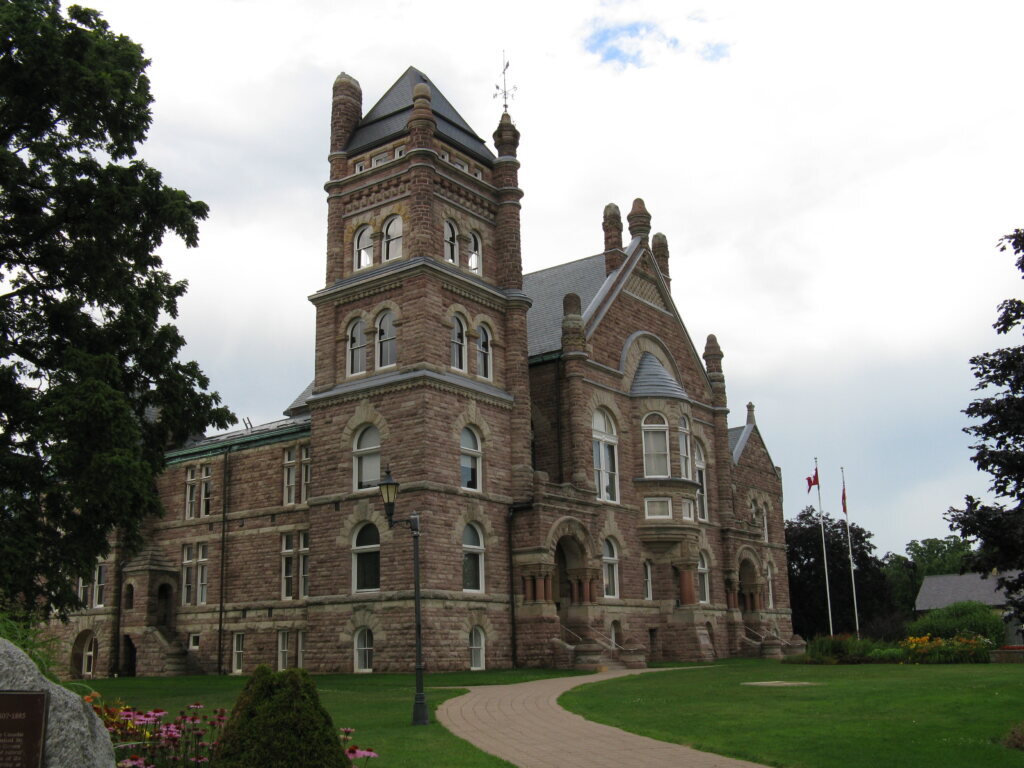
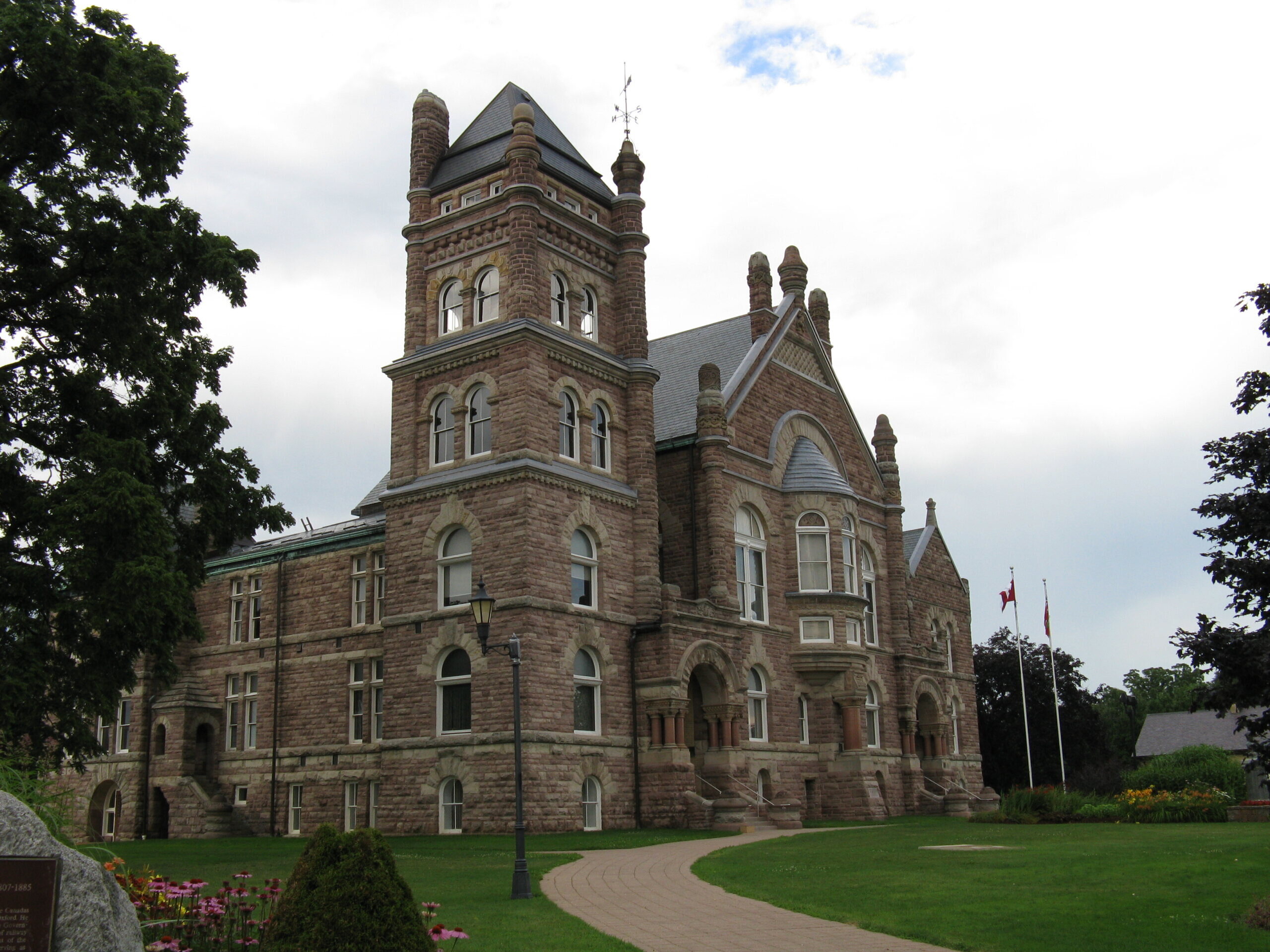
On 1 June 2017, in a Woodstock courtroom, she pleaded guilty to all 14 charges. A lawyer represented her. Counsel for her and counsel for the Crown filed the agreed statement of facts together. In it she acknowledges that she intentionally applied force to each person by injecting insulin, that she knew there was no medical purpose, that she did it without consent, and that she had the legal intention required for each offence and each person. Justice Bruce Thomas of the Superior Court of Justice accepted the pleas and convicted her of all 14. On 26 June 2017 he sentenced her to life imprisonment with no parole for 25 years.
The life sentences are on the eight murders: James Silcox, Maurice Granat, Gladys Millard, Helen Matheson, Mary Zurawinski, Helen Young, Maureen Pickering, and Arpad Horvath. They run concurrently. Parole ineligibility is 25 years. On the four attempted murders, Wayne Hedges, Michael Priddle, Sandra Towler, and Beverly Bertram, the sentence is 10 years on each count, concurrent with each other and with the life terms. On the two aggravated assaults, Clotilde Adriano and Albina deMedeiros, it is seven years on each, concurrent with everything else. The controlling sentence is the life term.
Thomas called the victims exceedingly vulnerable. He used her own description of what the overdoses did, and said it was a painful and contorting experience on the mind and body of all of them, the dead and those who survived. Bertram was the only survivor who could assist with the circumstances. He recounted her account of the pain, the suffering, and the hallucinations. He said that had she not walked into CAMH on 16 September 2016, none of them would have been in that courtroom, the families would have been none the wiser about the abuse, and perhaps she would still have been in business. He told the families that a civilized society protects the young, the infirm, and the aged, and that handing daily care to trained people is not a failure. The betrayal, he said, is when a caregiver terminates life instead of prolonging it, and the families were not to blame themselves. In July 2017 the College of Nurses revoked her certificate and called the conduct the most egregious example of abuse and disgraceful conduct.
Conflicts
Dates and deaths the report does not smooth
Eight people were murdered with insulin. Six others were injected and survived the injection. Adriano, deMedeiros, Hedges, and Priddle later died of causes the convictions do not call murder. Towler and Bertram were alive when the report was written. Treating every death in this list as a murder count is not what the guilty pleas say.
Gladys Millard was injected in the early hours of 14 October 2011. One passage says she died the following day. The biography says she died on 14 October. Albina deMedeiros is admitted in April 2006 in the agreed statement and on 4 December 2006 in the home’s document. Helen Young’s admission is 16 December 2009 in the records produced to the inquiry and 12 December 2009 in other documents. Clotilde is also spelled Clotilda. Victoria Rest Home called her, in different papers, a charge nurse, a staff nurse, and a registered practical nurse. The College lifted the 1995 conditions in May 1998. It did not restrict her after the 2014 firing. She worked again, at Meadow Park, at Telfer Place, and in private homes, and the last offence was in August 2016.
Silcox and Hedges needed insulin. Adriano and deMedeiros needed it. Horvath and Towler had diabetes treated with pills, not injections. Granat, Millard, Matheson, Zurawinski, Young, Pickering, and Priddle had no need for synthetic insulin at all. Bertram did use insulin, which is why Wettlaufer stole a different client’s supply. The autopsies cover two exhumed bodies. The report does not name them. The other six murdered people had been cremated. There was no investigation until she confessed. Thomas’s point stands in the inquiry as his: without the walk into CAMH, the deaths would have remained what the homes had already recorded.
Chronology
Chronology
- 10 June 1967. Elizabeth Tracy Mae Parker is born. She is later Elizabeth Wettlaufer. She grows up in the Woodstock area, studies at the London Baptist Bible College, and earns a nursing diploma from Conestoga College in Stratford in June 1995.
- September 1995. At Geraldton District Hospital she steals lorazepam, takes it at work, and collapses. The hospital fires her. The College of Nurses puts conditions on her licence and lifts them in May 1998.
- June 1996 to June 2007. She works at Christian Horizons in Woodstock as a support worker, not as a nurse. In 2006 she is hospitalized for depression. In 2007 the marriage ends and a plan to move to New Brunswick collapses.
- June 2007. She starts as a registered nurse at Caressant Care in Woodstock. Between June and December she injects Clotilde Adriano and Albina deMedeiros with unnecessary long acting insulin. Both are treated. Those counts are aggravated assault.
- 11 August 2007. She injects James Silcox, 84, with an overdose of short acting insulin. He dies on 12 August. First degree murder.
- Night of 22 to 23 December 2007. She tells Maurice Granat, who is not diabetic, that the injection is a vitamin. He dies on 23 December, at 84.
- October 2008. She injects Wayne Hedges, intending to kill him, then medication is given to restore his blood sugar. She tells police she does not recall giving that medication. Attempted murder. He dies in January 2009. That death is not a murder conviction.
- July 2008, charged as 2008 or 2009. Michael Priddle, who is not diabetic, has a hypoglycemic incident while she is attending him. He survives without treatment. Attempted murder. He dies in 2012. That death is not a murder conviction.
- 14 October 2011, early hours. She injects Gladys Millard, who is not diabetic, with short acting and long acting insulin. Day staff find her red and incoherent. The report gives her death as the following day and also as 14 October.
- 25 October 2011. She injects Helen Matheson, who is not diabetic. Matheson dies in the early hours of 27 October, at 95.
- 6 November 2011. She injects Mary Zurawinski, who is not diabetic, and tells her the needles are for pain. Zurawinski dies early on 7 November, at 96.
- 13 July 2013. She injects Helen Young, who is not diabetic, and says the needles will help with pain. Young dies the next morning, at 90.
- 20 March 2014. A serious insulin error, not involving these victims, gets her fired from Caressant Care. The College does not investigate and does not restrict her licence.
- 22 March 2014. She gives Maureen Pickering a sedative she calls a vitamin, then long acting insulin and, about two and a half hours later, short acting insulin. Pickering is found cold and clammy, has a stroke, and dies on 28 March, at 78.
- 22 April 2014. She starts at Meadow Park in London. On 23 August she injects Arpad Horvath, whose diabetes is treated with a pill. He dies in hospital on 31 August, at 75, after a coma and seizures.
- 6 September 2015. At Telfer Place in Paris, through Life Guard Homecare, she injects Sandra Towler. Towler is treated and survives. She cannot communicate because of her illness.
- 21 August 2016. After stealing insulin from another Saint Elizabeth client, she puts a large dose through Beverly Bertram’s PICC line. Bertram survives. Wettlaufer resigns on 29 August after being told she would work with diabetic children, because she does not trust herself not to harm them.
- 16 September 2016. She admits herself to CAMH. No investigation is underway. She confesses over 20 days and writes four pages from memory on 24 and 25 September. Toronto police interview her on 29 September. Woodstock police interview her for about three hours on 5 October.
- 24 October 2016. She turns herself in and is charged with eight counts of first degree murder. On 13 January 2017 she is charged with the four attempts and two aggravated assaults. Two bodies are exhumed. The other six murdered people had been cremated.
- 1 June 2017. Guilty pleas to all 14 counts before Justice Bruce Thomas in Woodstock. On 26 June 2017, life on each murder, concurrent, no parole for 25 years. Ten years on each attempt and seven years on each aggravated assault, all concurrent. In July 2017 the College revokes her certificate.
Questions
Was Elizabeth Wettlaufer convicted of murder?
Yes. On 1 June 2017 she pleaded guilty to eight counts of first degree murder, four of attempted murder, and two of aggravated assault. Justice Bruce Thomas convicted her of all 14. On 26 June 2017 he sentenced her to life imprisonment with no parole for 25 years. The life terms run concurrently.
Who were the eight people she was convicted of murdering?
James Silcox, Maurice Granat, Gladys Millard, Helen Matheson, Mary Zurawinski, Helen Young, and Maureen Pickering, all at Caressant Care in Woodstock, and Arpad Horvath at Meadow Park in London. Each was injected with insulin. Several of them were not diabetic and had no medical need for it.
Did everyone she injected die?
No. Clotilde Adriano and Albina deMedeiros were treated for hypoglycemia. Those counts are aggravated assault. Wayne Hedges, Michael Priddle, Sandra Towler, and Beverly Bertram survived the overdoses. Those counts are attempted murder. Hedges, Priddle, Adriano, and deMedeiros later died. Those later deaths are not the murder convictions. Towler and Bertram were alive when the inquiry reported.
How were the deaths discovered?
They were not, until she said what she had done. On 16 September 2016 she went to CAMH in Toronto. There was no investigation. She confessed to her psychiatrist, wrote four pages from memory, and then confessed to Toronto police and to Woodstock police. Justice Thomas said that without that walk into CAMH the families would not have known.
Were the killings treated as mercy?
Commissioner Eileen Gillese rejected that description. The public inquiry found the people were still enjoying their lives, and their families were still spending time with them. The agreed facts say she injected insulin for no medical purpose, without consent, intending the offences she was convicted of.
Sources
Sources opened for this account
- Public Inquiry into the Safety and Security of Residents in the Long Term Care Homes System, The Honourable Eileen E. Gillese, Commissioner, 31 July 2019, Volume 2, A Systemic Inquiry into the Offences, Chapter 2. The chapter sets out the offences, the agreed facts, the confession, and the sentence imposed by Justice Bruce Thomas on 26 June 2017. Ontario, Volume 2.