FILE NO. 0191
Content warning: This case file describes the fatal shooting of Lana Clarkson in February 2003, the forensic evidence about her death, and the defence argument at two trials that she died by suicide. It also describes testimony from five women who said Phil Spector threatened them with guns. It names the women from the court record. If you or someone you know is struggling, call or text 988 (Suicide and Crisis Lifeline, US).
Phil Spector and the Death of Lana Clarkson: The Case File
Legal status: Harvey Phillip Spector was charged on September 20, 2004 with the murder of Lana Clarkson, with an allegation that he personally used a firearm. His first trial, in 2007, ended in a mistrial after the jury deadlocked 10 to 2. At a retrial a jury found him guilty of second degree murder on April 13, 2009, and found that he personally used a firearm. On May 29, 2009 he was sentenced to 15 years to life for the murder plus four years for the gun, a total of 19 years to life. The California Court of Appeal affirmed the conviction on May 2, 2011, the California Supreme Court denied review on August 17, 2011, and the United States Supreme Court denied certiorari on February 21, 2012. A federal habeas petition was dismissed with prejudice in July 2015, and the Supreme Court denied certiorari again on January 9, 2017. Spector died in state custody on January 16, 2021, without ever being released. The conviction stands. Status checked against the saved sources on October 23, 2026.
Lana Clarkson
Lana Clarkson went to work at the House of Blues on the Sunset Strip on the night of Sunday, February 2, 2003. She had been a hostess in the club’s VIP room for a few weeks. She was 40, an actress who had starred for Roger Corman as the Barbarian Queen, and she had a modeling job booked for the following Saturday. A little after two in the morning she left the club with a customer she had met that night, a small man in a white jacket who had asked her, when she stopped him at the door, whether she knew who he was.
She did not, at first. Other staff did. He was Phil Spector, the producer of “Be My Baby” and “You’ve Lost That Lovin’ Feelin'”, the man behind the Wall of Sound and a member of the Rock and Roll Hall of Fame. His driver took them to his house in Alhambra, a copy of a castle in the Pyrenees built in 1926. Around five o’clock the driver, waiting outside, heard a bang. Then Spector opened the back door with a revolver in his hand.
Two juries spent much of 2007 and 2009 on one question: who fired that gun. The prosecution said Spector did, during an assault on a woman who wanted to go home, the latest in a long pattern of pulling guns on women who tried to leave. The defence said Clarkson did it herself. Five women testified about the pattern. A line of forensic scientists and pathologists testified for the defence that the evidence pointed to a self inflicted wound. The first jury could not decide. The second convicted him.
This is that record, from the court opinions, prison statements and contemporary reporting, with each claim attributed.
Lana Jean Clarkson was born on April 5, 1962, in Long Beach, California, to Donna and James M. Clarkson. She grew up in the hills of Sonoma County, where she went to Cloverdale High School and Pacific Union College Preparatory School, and she had a brother, Jessee, and a sister, Fawn. The family later moved to the San Fernando Valley, and she went into acting and modeling.
Her first speaking part was in Fast Times at Ridgemont High in 1982, as the wife of the science teacher played by Vincent Schiavelli. She was on the dance floor behind Michelle Pfeiffer in Scarface the next year. Her first big role was in the thriller Blind Date. Then came Roger Corman. She played a warrior in his Deathstalker (1983), and that part led to the title role in Barbarian Queen (1985), which Corman later called “the original Xena”. She appeared in the John Landis spoof Amazon Women on the Moon in 1987 and made five features for Corman in all. She also worked in television and commercials.
The sword and sorcery films gave her a cult following, and she went to comic book conventions to sign autographs for fans. In the 1980s she volunteered weekly at Project Angel Food, delivering meals to people in Los Angeles disabled by HIV or AIDS. As she approached her thirties the work slowed. In 2001 she wrote, produced and directed a showcase reel of her own called Lana Unleashed.
On Christmas Eve 2001 she accidentally fractured both wrists. She spent a week in hospital and eight months in follow up treatment, unable to work. By the fall of 2002, her commercial agent Nick Terzian later testified, she was asking to go on auditions again, and she beat out almost 500 actors and models for a print advertisement for Chesterfield cigarettes in Spain. In early January 2003 she took a part time job as a hostess at the House of Blues in West Hollywood to make ends meet. CNN reported it paid nine dollars an hour.
Her mother Donna, a psychiatric nurse, described the last weeks of her daughter’s life at the retrial. On January 9 they picked up 200 copies of new headshots. A print shoot for Siemens was set for February 8. On January 22 she was hired for an infomercial for a product called the “Lateral Thigh Trainer”, which meant a month of diet and exercise with a personal trainer before filming on February 17 or 18. On Saturday, February 1, she went to the Comic-Con science fiction convention to sign autographs, and that night she worked at the club. On Sunday she sent an RSVP to a friend’s party that said “Can’t wait, love, Lana.” That afternoon mother and daughter went shopping for flat shoes she could wear while working at the House of Blues. She bought eight pairs, and her mother paid. When they parted, Donna Clarkson testified, her daughter said “Thank you for the shoes, Mom. I love you,” and that she would call the next day.
Sources: Wikipedia (Lana Clarkson, revision of September 19, 2026); People v. Spector (2011) 194 Cal.App.4th 1335 (summary of retrial evidence on Clarkson’s plans and the wrist injury); CNN, September 26, 2007; CNN, April 13, 2009.
Who Phil Spector was
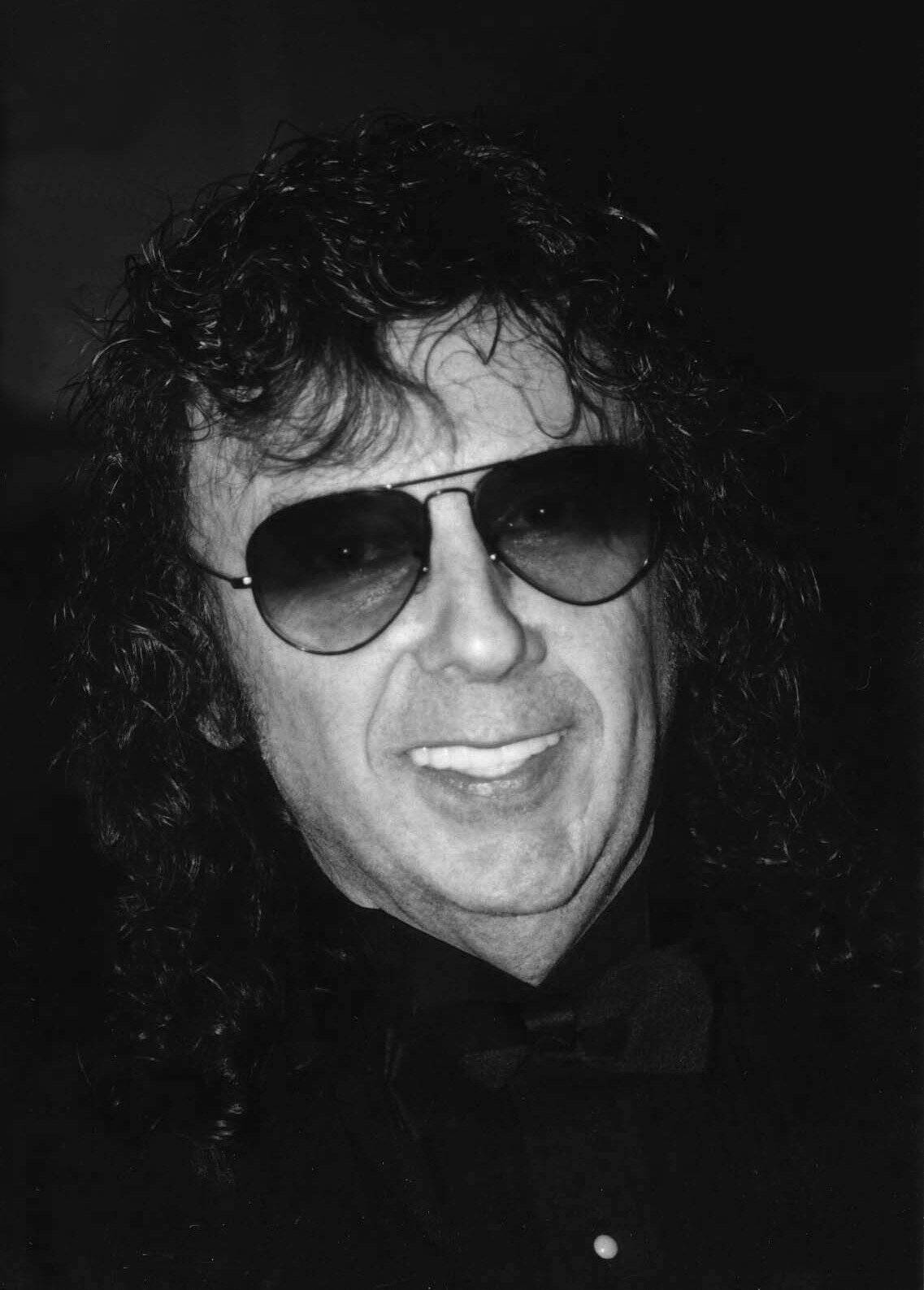
Harvey Phillip Spector was born in the Bronx on December 26, 1939, to a Russian Jewish family. His father died when he was a boy, and in 1953 his mother moved the family to Los Angeles, where he went to Fairfax High School. In 1958 he and friends formed the Teddy Bears, and his song “To Know Him Is to Love Him”, went to number one on the Billboard Hot 100.
In late 1961 he and Lester Sill founded Philles Records, the name made from their two first names. Working at Gold Star Studios in Hollywood, he made records for the Crystals, Darlene Love, the Ronettes and the Righteous Brothers, stacking instruments into the dense, echoing production that came to be called the Wall of Sound. He described his records as “little symphonies for the kids”. In the early 1970s he produced the Beatles’ Let It Be and solo records for John Lennon and George Harrison, then worked with Leonard Cohen and the Ramones. By 1980 he was semi retired. He was inducted into the Rock and Roll Hall of Fame in 1989.
The other side of the story was already public long before 2003. His second wife, the Ronettes singer Veronica “Ronnie” Bennett, wrote in a 1990 memoir that he had imprisoned her in his California mansion and that she escaped barefoot in 1972. The BBC, summarizing that memoir after his death, reported her account that he threatened to kill her. Weeks before Clarkson died, the BBC later noted, he told The Telegraph, “I would say I’m probably relatively insane, to an extent,” and that he had “devils inside that fight me”.
He married three times: to Annette Merar, to Ronnie Bennett, and in September 2006, while awaiting trial, to Rachelle Short. In 1982 he had twins with Janis Zavala, Nicole Audrey Spector and Phillip Spector Jr., who died of leukemia in 1991.
Sources: Wikipedia (Phil Spector, revision 1381253697); BBC News, January 18, 2021; Pitchfork, January 17, 2021 (career summary).
The last night
The fullest account of Sunday, February 2, 2003, is the summary of the retrial evidence in the 2011 opinion of the California Court of Appeal, which this section follows. Its central witness was Adriano De Souza, a Brazilian born valet at the Grill, a Beverly Hills restaurant, who drove for Spector as a backup chauffeur for between 30 and 40 dollars an hour and had driven him 12 to 15 times. He had a college degree, had studied English since he was 11 or 12 and had served in the Brazilian military, details the court set out because the defence would attack his English at both trials.
That evening De Souza collected Spector at the house in Alhambra in a new Mercedes. They picked up Rommie Davis, a friend from high school, in Studio City and went to dinner at the Grill. Davis testified that when Spector ordered a second daiquiri she “suggested that it wasn’t a good idea because he was acting silly.” They took her home after dinner. Spector went back to the Grill for Kathy Sullivan, a server who testified the relationship was platonic, and they drank at Trader Vic’s and Dan Tana’s before he suggested the House of Blues, although, the court recorded, she really wanted to go home.
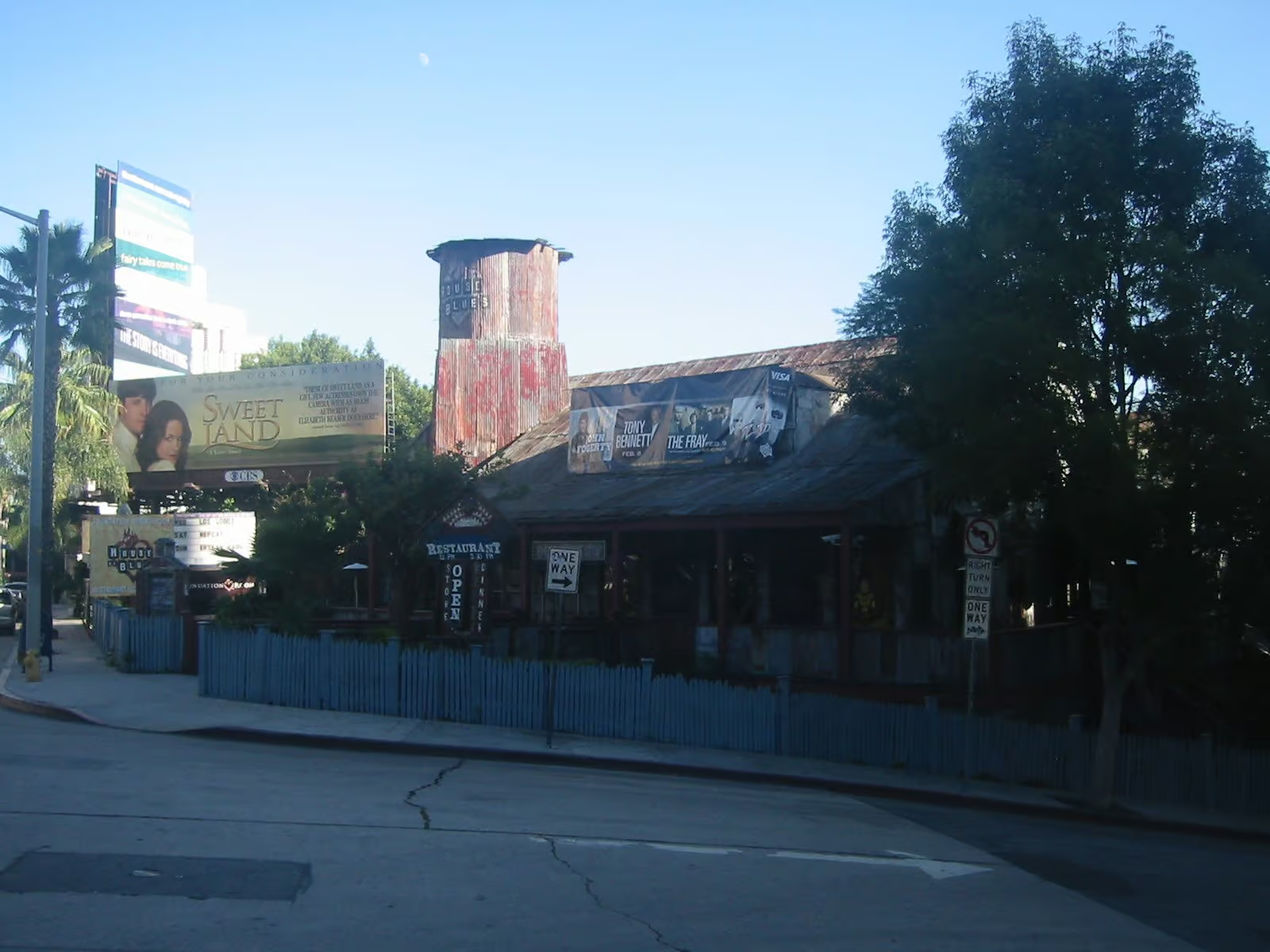
At the House of Blues on Sunset Boulevard, Lana Clarkson was being trained by the security worker Euphrates Lalondriz to work the door of the Foundation Room, the private VIP area. She stopped Spector and Sullivan because they did not have the right wristbands. Spector said, “Do you know who I am?” The cocktail waitress Sophia Holguin told Clarkson he was Phil Spector, a music producer and a multimillionaire, and asked her to seat him in her section because he had previously left her a big tip.
Spector ordered Bacardi 151. When Sullivan wanted only water, Holguin testified, he swore at her to order a drink. Sullivan testified that Spector then “took the hint” that she wanted to go home and offered his driver, then shouted for Clarkson and said “I’m sending Kathy home.” Clarkson walked Sullivan out to the Mercedes and told De Souza to take her home and bring the car right back.
Holguin testified that Spector “definitely appeared intoxicated,” asked her to go home with him and was “hitting on” her and on Clarkson. Clarkson got permission to sit with him but not to drink, and the manager refused to approve more alcohol for his table. When her shift ended, Spector asked if she needed a ride and if she wanted to go to the house to talk. She said she just wanted a ride to her car.
They left about 2:20 a.m. By the Mercedes, De Souza heard Spector say, “Let’s go to the Castle, let’s go to the Castle.” Clarkson told him she was tired and could get into trouble leaving with a client, and asked to be driven to her car. At the parking structure she moved her car to the street, then got back into the Mercedes and told De Souza she was just going for a drink. Spector screamed at her, “Don’t talk to the driver, don’t talk to the driver.”
Sources: People v. Spector (2011) 194 Cal.App.4th 1335 (retrial evidence of the evening, paragraphs on De Souza, Davis, Sullivan, Lalondriz and Holguin); Wikimedia Commons file page for the House of Blues image.
The castle in Alhambra
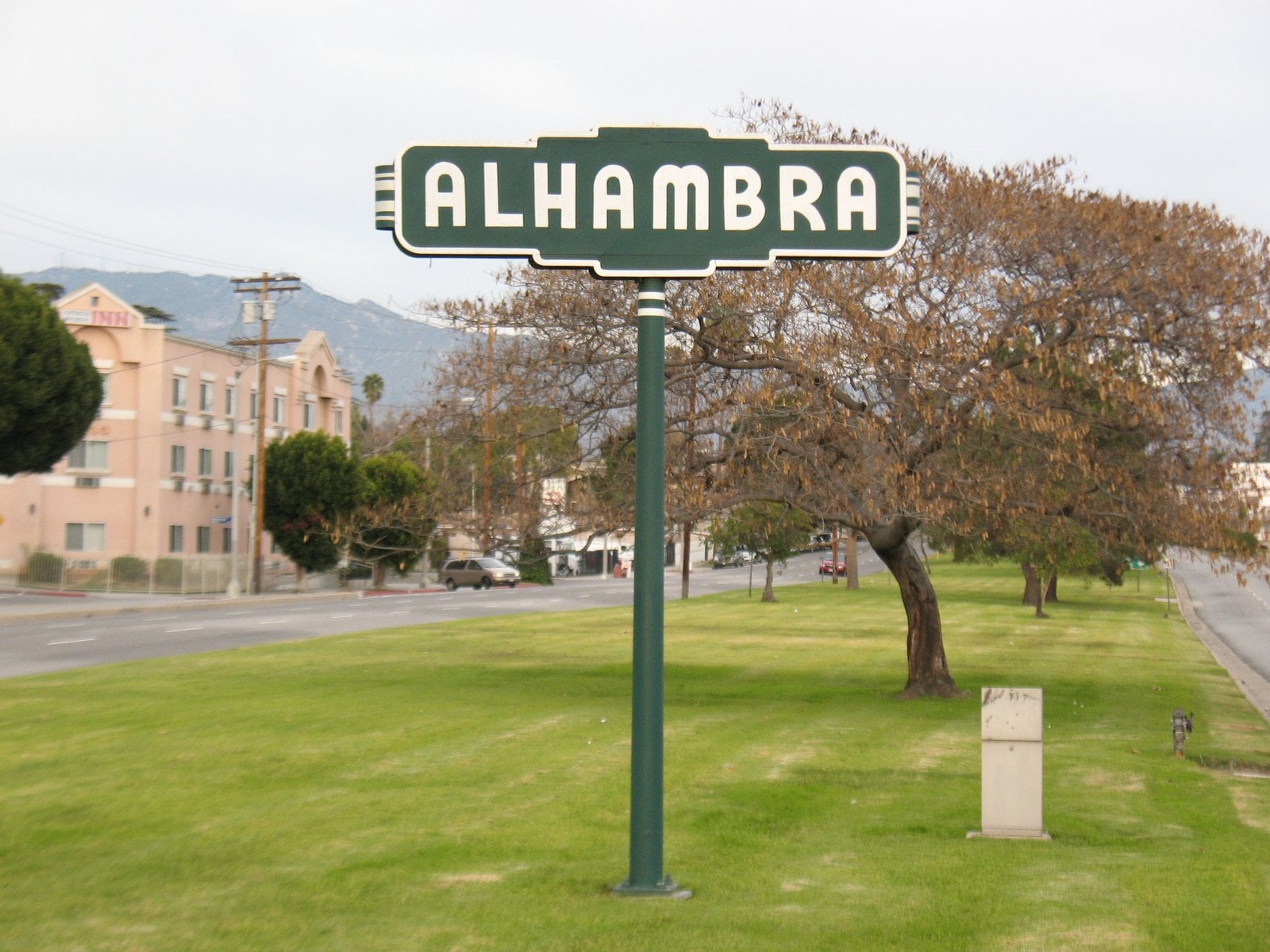
On the drive east to Alhambra, De Souza testified, he smelled alcohol from the back seat. They reached the house about 3:00 a.m. De Souza parked in the motor court about six feet from the rear door and set Spector’s briefcase just inside it. About 3:20 a.m. he got back into the Mercedes to wait to drive Clarkson back to Hollywood.
Around 5:00 a.m. he was startled by a sharp noise that sounded, he said, like a “pow” or a “bang.” He looked around, found nothing and got back in the car. Seconds later Spector opened the back door and stepped onto the porch with a revolver in his right hand. Spector said, “I think I killed somebody.” De Souza testified he had no trouble hearing it.
Through the open door De Souza could see Clarkson, slumped half in a chair and half on the floor, with blood on her face. He asked what had happened. Spector shrugged and said nothing, with what De Souza described as a blank look on his face.
De Souza ran. From the main gate he called Michelle Blaine, Spector’s secretary, and left a message: “I think he killed some”, he began, then corrected himself to “a lady.” He found the address on a sign outside the gate and called 911. The call was logged at 5:02 a.m. “I think my boss killed somebody,” he told the dispatcher.
The first officer on the scene, Brandon Cardella of the Alhambra Police Department, recorded in a report written less than two hours later that De Souza heard Spector say “I think I just kill” her. He later told detectives that Spector had been “completely drunk” when they left the club. The defence argued, in the words of an NBC Los Angeles summary of its May 2007 cross examination, that the chauffeur’s English was so poor, and he was so frightened, that he wrongly implicated his employer.
Officers moved up the wooded drive and could see Spector moving about on the second floor. He came out of the back door and, ordered to raise his hands, turned and walked back inside, saying, “Hey, guys, you’ve got to come see this.” They followed him in and detained him about 40 minutes after Cardella answered the call. An Alhambra officer, Beatrice Rodriguez, later told the grand jury, NBC Los Angeles reported, that she heard Spector say, “I didn’t mean to shoot her. It was an accident.”
Sources: People v. Spector (2011) 194 Cal.App.4th 1335 (retrial evidence of the arrival, the shot, the 911 call and the police response); NBC Los Angeles timeline of the case (grand jury testimony, May 2007 defence cross examination); Wikimedia Commons file page for the Alhambra image.
What the police found
This dossier describes the scene only as far as the court record needs it, and uses no photographs of it. Officers found Lana Clarkson in a chair in the foyer near the back door. Her right hand rested on her purse, and the purse straps, the court recorded, were wrapped around her shoulder and twisted around the arm of the chair. Prosecutors at the first trial, CNN reported, pointed to the purse over her shoulder as evidence that she was trying to leave when she was shot.
Under her left calf lay a .38 calibre, six shot Colt Cobra revolver, loaded with five live rounds and a spent one under the hammer. It was bloody on both sides of its wooden grips and on the trigger guard. A leather holster that fitted it sat in a partly open drawer of the side table next to her. Pieces of an artificial tooth were found in the gun’s front sight and across the foyer. There was blood on the doorknob and on the latch of the back door. In the living room were an almost empty bottle of tequila and a brandy snifter; in a nearby bathroom police found a matching snifter and a cotton diaper, soaked in water and bloodied on both sides. Upstairs, a white jacket stained with blood lay crumpled on the floor of the master bedroom closet.
Officer Sean Hecker took Spector to the police station and swabbed his hands for gunshot residue. Spector told him he was right handed. Hecker noticed no blood on his hands.
Deputy Coroner Louis Pena performed the autopsy. He found that Clarkson died of a single gunshot wound. The bullet entered through her mouth and severed her spinal cord from the brain stem. Pena testified to a bruise on her tongue consistent with blunt force that the gun’s barrel could have caused, and to bruises on the back of her left hand, her right wrist and her right forearm, all inflicted before death and in the same event. In his view they were consistent with a struggle, with Clarkson having been grabbed or hit. He ruled the death a homicide. He agreed that gunshot deaths inside the mouth are usually suicides and only rarely homicides. How the gun came to be in her mouth would carry both trials.
Sources: People v. Spector (2011) 194 Cal.App.4th 1335 (crime scene findings, the Hecker evidence and the Pena autopsy testimony, retrial evidence); CNN, September 26, 2007.
The prosecution’s science
The prosecution’s forensic case was built on blood. Steve Renteria, a criminalist, testified that a mixture of Spector’s and Clarkson’s DNA was found in the blood on both of her wrists, on the brandy snifters and on the inside doorknob and latch of the back door. Clarkson’s blood was on the banister of the staircase to the second floor and inside the left front pocket of Spector’s trousers. Three of four DNA samples from the diaper came entirely from her. The jacket in the closet carried her blood on the left cuff, the left sleeve and both front panels.
Dr. Lynne Herold, a forensic scientist with the Los Angeles County Sheriff’s Department crime lab, gave the jury the prosecution’s reconstruction. She concluded that Clarkson was sitting slumped in the chair when she was shot, that the gun was in her mouth and held “upright in a normal, operating manner”, that Spector, if he was wearing the jacket, was within two or three feet of her when it fired, and that Clarkson could not have fired the shot herself. A criminalist from the coroner’s office, Jaime Lintemoot, had swabbed fine, mist like drops of blood from the backs of both of Clarkson’s wrists. Herold told the jury she could not think of a way Clarkson could have been holding the gun upright in her mouth, pulling the trigger, and still collected spatter on the backs of her wrists.
Herold read the rest of the scene the same way. Impact spatter on the lower edge of the jacket’s left cuff, she said, showed the cuff pointing toward Clarkson’s mouth when the gun went off. Blood on Clarkson’s face and hair had been smeared after the shot by someone using the wet diaper, at least five minutes and possibly fifteen afterwards, because that is how long blood takes to clot. There was smeared blood on the grips but none on the carpet where the gun lay, which suggested the blood on it was already dry when it was put under her leg, and something had moved blood on the gun, which could have happened if someone wiped it.
That was the shape of the case. The question at trial, as the Court of Appeal framed it, was whether Spector committed implied malice murder by killing Clarkson in the course of assaulting her with the gun, or whether she had used the gun to shoot herself, either by suicide or by accident. Spector and Clarkson were the only two people in the house when she was shot.
Sources: People v. Spector (2011) 194 Cal.App.4th 1335 (Renteria, Lintemoot and Herold testimony at the retrial; the prosecution theory of implied malice).
Arrest, bail and the charge
Spector was arrested at the house on suspicion of murder. Variety, reporting the next day, said a source close to the case told it he refused to talk to the police about what had happened and quickly called his longtime lawyer, Robert Shapiro, who had helped defend O.J. Simpson. By Monday night he was free on $1 million bail. Variety identified the dead woman as the actress Lana Clarkson, 40, and reported she had worked at the House of Blues “for a few weeks as a hostess”.
Spector’s account of the death was suicide. According to the NBC Los Angeles timeline of the case, detectives discounted the suicide claim in March 2003. That summer he gave an interview to Esquire in which, as Wikipedia summarises it, he called Clarkson’s death an “accidental suicide” and said she “kissed the gun”. NBC dates the interview to June 2003; Wikipedia dates it to July.
The district attorney’s office took its time. In September 2004 a grand jury heard De Souza and Officer Rodriguez. Spector was charged with murder in September 2004, with an allegation that he personally used a firearm. The federal habeas court later gave the date of the charging information as September 20, 2004. NBC Los Angeles reported the charge on September 27. He stayed free on bail, and in September 2006, still awaiting trial, he married Rachelle Short. She was 26, and he was 67.
He went through lawyers. CNN, reporting the end of the first trial, said he “hired and fired a who’s who of legal talent”, including Leslie Abramson and Bruce Cutler, both of whom left the case before it ended. In a civil deposition in 2005 he said he had been treated for bipolar disorder for eight years, adding, as Wikipedia quotes it, “I’ve been called a genius and I think a genius is not there all the time and has borderline insanity.”
Sources: Variety, February 4, 2003; NBC Los Angeles timeline of the case; Wikipedia (Phil Spector, revision 1381253697); Spector v. Diaz (C.D. Cal. 2015) 115 F.Supp.3d 1121 (charging date); CNN, September 26, 2007.
The defence’s account: suicide
This section describes the defence’s case. It is the defence’s claim that Lana Clarkson killed herself, and two juries heard it. The first could not reach a verdict. The second convicted him of murder, and the Court of Appeal upheld that verdict. If you or someone you know is struggling, call or text 988 (Suicide and Crisis Lifeline, US).
Spector never testified at either trial. His lawyers argued that Clarkson, alone with him in the foyer, put his gun in her own mouth and fired it, either deliberately or by accident. CNN summarised the first trial argument as a claim that she was depressed over a recent breakup and grabbed the gun.
The defence built that case through a line of experts. Stuart James, a bloodstain pattern analyst, agreed that Spector must have been within arm’s reach when the gun fired, but said the stain on the jacket’s left cuff was a transfer stain, not spatter from the shot, and found no spatter on the right front of the jacket. James Pex, another blood spatter specialist, said spatter on the back of Clarkson’s left hand could only have landed there if her thumb had been pointing toward her mouth, and that the pattern on the gun’s grip was more consistent with her having shot herself.
The forensic pathologist Werner Spitz testified that Clarkson killed herself. He told the jury that 99 percent of gunshot deaths inside the mouth are suicides, that there was no sign the gun had been forced into her mouth or of any struggle, and that the marks Pena called bruises were caused after death. Vincent DiMaio, another pathologist, reached the same conclusion and testified that he had never seen a homicide inside the mouth with a snub nose revolver. During the first trial, Wikipedia records, DiMaio also told the jury Spector might have Parkinson’s disease: “Look at Mr. Spector. He has Parkinson’s features. He trembles.”
The prosecution pressed each of them. The Los Angeles County Coroner, Dr. Lakshmanan, agreed that most such deaths are suicides but stood by his office’s finding of homicide. Asked whether he had ever heard of a person with no suicidal history who went home with a complete stranger for the first time and killed herself within three hours of meeting him, he answered, “Not that I recall.”
The defence’s suicide expert, the psychologist Richard Seiden, testified that impulsive suicides make up 40 percent of all suicides and listed risk factors he said were present in Clarkson’s life, including her injured wrists, money problems and career setbacks. He concluded it would be wrong to rule suicide out. He also acknowledged that she was not clinically depressed, that he had spoken to none of her family, friends or coworkers, that he relied in part on 30 emails the defence had shown him, out of thousands on her computer, and that in 40 years he could not recall a single case of someone killing herself in the home of a person she had met a few hours earlier, with that person’s gun, in that person’s presence.
Lay witnesses filled in the rest. The Guardian wrote that a string of her friends “attested to her instability, as well as her penchant for guns and liquor.” LA Weekly, covering the first trial, reported that her friend Jennifer Hayes-Riedl, questioned by the defence lawyer Roger Rosen, described Clarkson as profoundly depressed about her career, although, the paper noted, neither defence lawyer asked Hayes-Riedl whether her friend was capable of suicide. The prosecution answered with evidence that she tended to dramatise her emotional life, that her career was recovering and with the shoes and the bookings. On a recent medical questionnaire, the coroner noted, she had left the boxes about hopelessness and suicide unchecked and written that she was “happy, positive and successful.”
Sources: People v. Spector (2011) 194 Cal.App.4th 1335 (defence expert testimony, the Lakshmanan and Seiden evidence and the lay testimony at the retrial); CNN, September 26, 2007; The Guardian, September 27, 2007; LA Weekly, “Theater of Pain” trial column, 2007; Wikipedia (Phil Spector, revision 1381253697).
The first trial
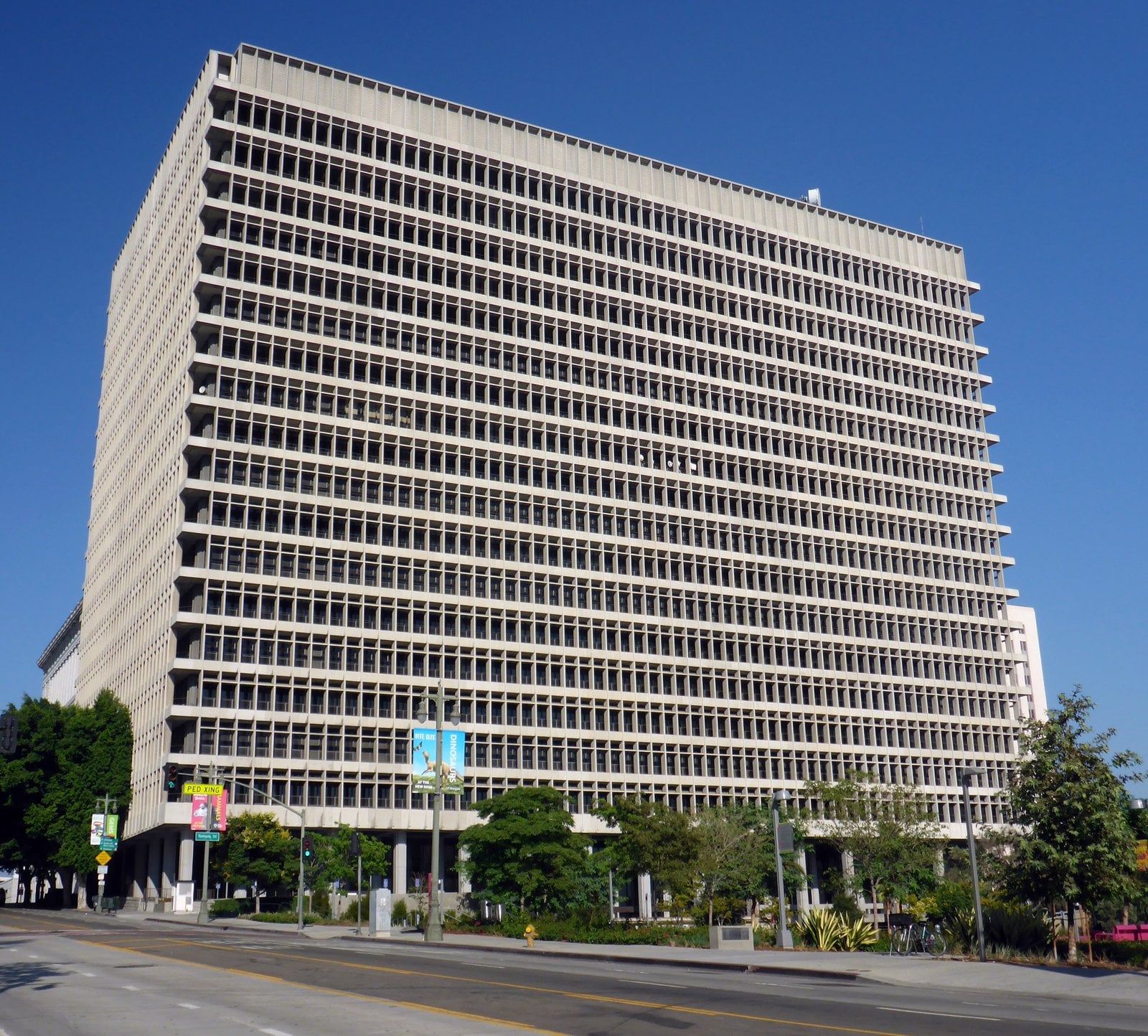
The case came to trial four years after Clarkson’s death, in Department 106 on the ninth floor of the Clara Shortridge Foltz Criminal Justice Center on Temple Street in downtown Los Angeles, the courthouse where the O.J. Simpson murder trial had been heard. Jury selection began in March 2007; Wikipedia gives March 19 as the start of the trial, and NBC Los Angeles dates the opening statements to April 25. Superior Court Judge Larry Paul Fidler presided and allowed the proceedings to be televised. Deputy District Attorney Alan Jackson led the prosecution.
The defence promised at its April opening, The Guardian reported, that science would prevail. The Guardian summarised the prosecution argument that Spector, drinking that night, unlike on his recent outings, and on top of his prescribed medication, was “out of control”. De Souza became the trial’s key witness.
The trial had its sideshows. CNN noted that Spector changed hairstyles several times during the trial and wore frock coats and pastel ties. A former defence lawyer, Sara Caplan, had been cited for contempt by Fidler, and after the state Supreme Court refused to overturn the citation she testified in open court. Her testimony, as LA Weekly reported it, was that the defence criminalist Dr. Henry Lee had taken a piece of potential evidence from the scene that later went missing.
Throughout, The Guardian noted, Clarkson’s mother and sister sat in the front row, a few feet from Spector,. In all, CNN reported, 77 witnesses testified and more than 600 exhibits went in, and the jury toured the house.
Sources: Wikipedia (Clara Shortridge Foltz Criminal Justice Center; Phil Spector); NBC Los Angeles timeline of the case; The Guardian, September 27, 2007; LA Weekly, “Theater of Pain” trial column, 2007; CNN, September 26, 2007; Wikimedia Commons file page for the courthouse image.
A hung jury
The jury of nine men and three women got the case on September 10, 2007. On September 18, according to NBC Los Angeles, the foreman announced they were deadlocked 7 to 5,. Fidler reinstructed them. The Guardian quoted the law professor Stanley Goldman, who was following the trial: “The defence definitely dodged a bullet,” he said, adding that the reinstruction had been the judge nudging the jury toward a guilty verdict.
On September 26, 2007, the jury told Fidler for the second time in eight days that it was hopelessly deadlocked, now 10 to 2. The Guardian and Wikipedia report the split favoured conviction; CNN did not give its direction. CNN said the jury had deliberated for 12 days and taken six ballots, and The Guardian put the total at almost 43 hours over 12 days. Fidler declared a mistrial and discharged the jurors. Spector, 67, remained free on $1 million bail. The district attorney’s office announced it would try him again.
Sources: NBC Los Angeles timeline of the case; CNN, September 26, 2007; The Guardian, September 27, 2007; Wikipedia (Phil Spector, revision 1381253697).
Five women
The heart of the prosecution’s case was not forensic. It was the testimony of five women who said that Spector, over about 20 years, had pulled a gun on them, in each account at night or in the small hours and when they wanted to leave. Judge Fidler allowed the evidence at both trials. The accounts below are the women’s sworn testimony as the Court of Appeal summarised it from the retrial record; none of the incidents was charged in the Clarkson case.
Devra Robitaille. A British pianist, she worked for Spector in the 1970s as administrative director of his record label and was romantically involved with him. At a party at his Beverly Hills home, probably in 1975, she was in the foyer with her purse and jacket, wanting to leave, when she felt a gun barrel touch her temple. She testified that he was very drunk, held a shotgun and said he would blow her head off if she left. Then he relaxed: “There was a little moment of suspension, and then he became Phil again. I didn’t recognize the other maniac.” In 1986, back working for him, it happened again: a locked door, a shotgun at her face, the same threats. She quit.
Dianne Ogden. She met Spector in 1982 and in 1988 became his paid assistant. In March 1989, at his house in Pasadena, as guests left and she said she was going home, he appeared with a rifle and screamed, “You’re not fucking leaving.” She testified that he seemed “demonic”, touched her face with a pistol and at gunpoint made her go to his bedroom and partly undress. Months later he came at her saying he had an Uzi and banged a gun on her car window as she fled. Ogden died after testifying at the first trial; the retrial jury saw her testimony on videotape. The jury instruction named her as Dianne Ogden-Halder.
Dorothy Melvin. The personal manager of the comedian Joan Rivers, she dated Spector on and off from 1989 to mid-1993 and told the jury that when he drank past a certain point he “totally loses it, and he becomes this demon.” In July 1993, at his Pasadena house, she woke before dawn to find him pointing a .38 revolver at her car. When she screamed, she testified, he hit her in the head with the gun, went through her purse and told her to undress. She reached her car, but the gate was shut, and he came down the drive with a pump action shotgun. Told the gate would not open, he turned calm, asked, “Gate won’t open?” and opened it. She called 911 from the road.
Melissa Grosvenor. A New York waitress, she had a relationship with Spector from 1991 that she called “romantic but platonic”. In late 1992 or early 1993 she flew to California on a ticket he bought. At his Pasadena house, between one and two in the morning, she said she wanted to leave. She testified that he came back with a handgun, pointed it inches from her face and said, “If you [try to] leave, I’m going to kill you.” She stayed in the chair, crying, until she fell asleep.
Stephanie Jennings. A photographer, she was his guest in New York in January 1995 at a Rock and Roll Hall of Fame event and went back alone to the Carlyle Hotel. When she refused to come to his suite and began to pack, she testified, he came into her room, pushed or slapped her, then returned with a gun and sat blocking the door. She called 911. Spector, thinking she was calling her mother, said, “You can call your mom all you want. There is nothing she can help you with now.” He left before officers arrived.
A sixth witness, the retired New York police officer Vincent Tannazzo, who ran security for Joan Rivers, testified that at a Christmas party in the early 1990s Spector ranted obscenities about women, carried a revolver in his waistband and said women of that description “all deserve a bullet in their heads.” Asked if Spector seemed to be joking, he said, “Oh, absolutely not.”
On appeal Spector argued this was inadmissible character evidence. The Court of Appeal disagreed. It counted seven separate armed assaults on women in very specific circumstances and held that, under the doctrine of chances, they tended to show “the unlikelihood that this time it was the woman, not Spector, who reached for a gun.” Fidler had allowed the prosecutor to argue a “continuing pattern” of violence toward women.
Sources: People v. Spector (2011) 194 Cal.App.4th 1335 (testimony of Robitaille, Ogden, Melvin, Grosvenor, Jennings and Tannazzo; the jury instruction naming the five women; the ruling on the other crimes evidence); CNN, September 26, 2007 (five women at the first trial); CBS News, April 13, 2009 (five women at the retrial).
The retrial and the verdict
The second trial, again before Judge Fidler, was not televised. Wikipedia dates its start to October 20, 2008, and NBC Los Angeles dates the opening statements to November 3. The defence was now argued by the San Francisco lawyer Doron Weinberg. The prosecutors were Alan Jackson and Truc Do. CBS News described a sparsely attended courtroom.
The evidence was largely the same: De Souza, the forensic witnesses, the five women, with Dianne Ogden now on videotape. In closing, Truc Do called Spector, as CNN reported, “a very dangerous man” with a history of “playing Russian roulette with women”, and reminded the jury that Clarkson had bought new shoes that day. The Court of Appeal later quoted a prosecutor’s line on the defence experts: “if you can’t change the science, folks, just go out and buy yourself a scientist.” Weinberg disputed the chauffeur’s memory of the words and listed 14 points of forensic evidence that he said proved a self inflicted wound. “Every single fact says this is a self-inflicted gunshot wound,” he told the jury, according to CBS News. “It’s very difficult to put a gun in somebody’s mouth.”
Fidler let the jury consider involuntary manslaughter as a lesser offence. On April 13, 2009, after about 30 hours of deliberation, the jury found Spector guilty of second degree murder and found true the allegation that he personally used a firearm. He showed no obvious reaction. His wife Rachelle sobbed. Fidler refused to let him stay free on bail and he was taken into custody that day.
Sources: Wikipedia (Phil Spector, revision 1381253697); NBC Los Angeles timeline of the case; CBS News, April 13, 2009; CNN, April 13 and May 29, 2009; People v. Spector (2011) 194 Cal.App.4th 1335; Spector v. Diaz (C.D. Cal. 2015) 115 F.Supp.3d 1121 (deliberation time).
Sentencing
On May 29, 2009, Fidler sentenced Spector to the maximum: 15 years to life for the murder and four years for the gun, 19 years to life in all. The LA Times reported that the only decision left to the judge was when the first parole hearing would come, in 2027, 2028 or 2034, and that he chose 2028, when Spector would be 88. Spector, 69, declined to address the court.
Donna Clarkson, who had attended both trials, told the judge that her grief was made worse by the way her daughter had been portrayed. “I am very proud of Lana and the wonderful and special person she was,” she said, and then, as the LA Times quoted her, “All our plans together are destroyed. Now I can only visit her in the cemetery.” Fidler denied the defence motion for a new trial and ordered restitution for Clarkson’s funeral and for counselling for her mother and sister; the LA Times put the total at about $26,000, and CNN reported a $17,000 check for funeral expenses handed over in court. CDCR records show Spector was admitted to state prison from Los Angeles County on June 5, 2009.
Sources: Los Angeles Times, May 30, 2009; CNN, May 29, 2009; CDCR news release, January 17, 2021.
The appeals
Spector’s state appeal raised four main claims. He argued that Fidler should not have allowed the prosecution to show a videotape from the first trial in which the judge himself, trying to clarify the testimony of the coroner’s criminalist Jaime Lintemoot, had in effect become a witness; that the five women’s accounts were inadmissible character evidence; that Tannazzo’s “generic threat” testimony should have been excluded; and that the prosecutors committed misconduct in closing argument. On May 2, 2011, the California Court of Appeal rejected every claim and affirmed. On the videotape it found that Fidler “did nothing more than seek to clarify” the testimony and had ended by handing the matter back to the witness: “Why don’t you show us. That would be the best.” The court denied rehearing on May 26, 2011. The California Supreme Court denied review on August 17, 2011, and the United States Supreme Court denied certiorari on February 21, 2012.
On June 18, 2012, Spector filed a federal habeas petition in the Central District of California. He argued that he had been denied an impartial judge and his right to confront witnesses, and that the prosecutors had committed misconduct. Magistrate Judge Paul L. Abrams recommended dismissal on June 19, 2015, and District Judge S. James Otero adopted the recommendation and dismissed the petition with prejudice. RadarOnline, citing court papers, reported that on June 10, 2016, the Ninth Circuit denied his motion because he had “not made a substantial showing of the denial of a constitutional right.” A Supreme Court petition, Spector v. Diaz, No. 16-716, was docketed on November 29, 2016, and denied on January 9, 2017.
Sources: People v. Spector (2011) 194 Cal.App.4th 1335; Spector v. Diaz (C.D. Cal. 2015) 115 F.Supp.3d 1121; RadarOnline, June 17, 2016; Supreme Court order list, January 9, 2017 (via Cornell LII); Supreme Court petition tracker listing for No. 16-716.
Prison and death
Spector served his sentence in the California state prison system. From October 2013, Wikipedia records, he was held at the California Health Care Facility, a prison hospital in Stockton,, and in 2014 it was reported that he had lost the ability to speak. He filed for divorce from Rachelle Spector in April 2016, and they divorced in 2018.
He died on Saturday, January 16, 2021. The California Department of Corrections and Rehabilitation announced that California Health Care Facility inmate Phillip Spector, 80, “was pronounced deceased of natural causes at 6:35 p.m.” at an outside hospital, and that his official cause of death would be determined by the medical examiner in the San Joaquin County Sheriff’s Office. His daughter, Nicole Audrey Spector, later said he died of complications related to COVID-19, Pitchfork and Wikipedia report. He had been taken to San Joaquin General Hospital on December 31, 2020, and intubated in January. The BBC and Pitchfork gave his age as 81; he was born on December 26, 1939. He had served almost 12 years and was never released.
Ronnie Spector, on Instagram, called him “a brilliant producer but a lousy husband”, the BBC reported, and wrote that “Darkness set in, many lives were damaged.”
Sources: CDCR news release, January 17, 2021; BBC News, January 18, 2021; Pitchfork, January 17, 2021; Wikipedia (Phil Spector, revision 1381253697).
The civil case and after
Donna Clarkson also sued Spector for wrongful death. In February 2012 her lawyer, John Taylor, told the Los Angeles Times that the case had been settled, that she was “pleased and relieved” it was over, and that the terms would stay confidential, the Guardian and the BBC reported.
The case went on in other forms. In 2013 Al Pacino played Spector in a David Mamet film about the first trial, with Helen Mirren as Linda Kenney Baden. When Spector died, the New York Times and Rolling Stone first wrote that his legacy “was marred by a murder conviction” and that his “life was upended” after sentencing; Wikipedia notes that both obituaries were revised after a backlash on social media. In 2022 Showtime premiered Spector, a four-part documentary series by Don Argott and Sheena M. Joyce that, according to Wikipedia, gave equal attention to Clarkson and to Spector, with participation from Clarkson’s family.
Sources: The Guardian, February 4, 2012; BBC News, February 2012; Pitchfork, January 17, 2021; Wikipedia (Phil Spector, revision 1381253697).
What the record shows
Lana Clarkson, 40, was shot through the mouth in the foyer of Phil Spector’s house in Alhambra at about 5 a.m. on February 3, 2003, a few hours after he met her at the House of Blues. His driver testified that Spector came out holding a revolver and said, “I think I killed somebody.” The defence said she shot herself. The first jury, in 2007, split 10 to 2 and could not reach a verdict. The second, in 2009, convicted him of second degree murder with a firearm finding, after hearing five women testify that he had threatened them with guns when they tried to leave. He was sentenced to 19 years to life. Every appeal failed. He died in state custody on January 16, 2021, of what prison authorities called natural causes and his daughter said were complications of COVID-19. In law, Spector killed Lana Clarkson.
Sources: People v. Spector (2011) 194 Cal.App.4th 1335; Spector v. Diaz (C.D. Cal. 2015) 115 F.Supp.3d 1121; CDCR news release, January 17, 2021; Los Angeles Times, May 30, 2009; Pitchfork, January 17, 2021.
Frequently asked questions
What was Phil Spector convicted of?
Harvey Phillip Spector was charged on September 20, 2004 with the murder of Lana Clarkson, with an allegation that he personally used a firearm. At a retrial a jury found him guilty of second degree murder on April 13, 2009, and found that he personally used a firearm. On May 29, 2009 he was sentenced to 15 years to life for the murder plus four years for the gun, a total of 19 years to life. The conviction stands.
Why were there two trials?
His first trial, in 2007, ended in a mistrial after the jury deadlocked 10 to 2. The jury of nine men and three women got the case on September 10, 2007. The question at trial, as the Court of Appeal framed it, was whether Spector killed Clarkson in the course of assaulting her with the gun, or whether she had used the gun to shoot herself, either by suicide or by accident. The second jury, in 2009, convicted him of second degree murder.
What did the defence argue?
The defence said Clarkson did it herself. Spector’s account of the death was suicide, and according to the NBC Los Angeles timeline of the case, detectives discounted the suicide claim in March 2003. At trial a line of forensic scientists and pathologists testified for the defence that the evidence pointed to a self inflicted wound. The prosecution said Spector fired the gun during an assault on a woman who wanted to go home, the latest in a long pattern of pulling guns on women who tried to leave.
Did his appeals succeed?
No. The California Court of Appeal affirmed the conviction on May 2, 2011, and denied rehearing on May 26, 2011. The California Supreme Court denied review on August 17, 2011, and the United States Supreme Court denied certiorari on February 21, 2012. A federal habeas petition was dismissed with prejudice in July 2015, and the Supreme Court denied certiorari again on January 9, 2017. Spector died in state custody on January 16, 2021, without ever being released. He had served almost 12 years.
Citations & Sources
Sources
- People v. Spector (2011) 194 Cal.App.4th 1335, California Court of Appeal, May 2, 2011 (via OpenJurist).
- Spector v. Diaz (C.D. Cal. 2015) 115 F.Supp.3d 1121, order and report and recommendation (via OpenJurist).
- Supreme Court of the United States, order list of January 9, 2017 (via Cornell LII), and petition tracker listing for Spector v. Diaz, No. 16-716.
- California Department of Corrections and Rehabilitation, “Inmate Phillip Spector Dies of Natural Causes,” January 17, 2021.
- Variety, “Murder victim was an actress,” February 2003.
- CNN, September 26, 2007; April 13, 2009; May 29, 2009.
- The Guardian, September 27, 2007; May 29, 2009; February 4, 2012.
- LA Weekly, “Theater of Pain” trial column, 2007.
- CBS News and NPR, April 13, 2009.
- Los Angeles Times, “Spector is stoic as he gets 19 years to life for murder,” May 30, 2009.
- BBC News, February 2012 and January 18, 2021.
- RadarOnline, June 17, 2016.
- NBC Los Angeles, “Timeline: Events in Phil Spector Case.”
- Pitchfork, January 17, 2021.
- Wikipedia, “Phil Spector,” “Lana Clarkson” and “Clara Shortridge Foltz Criminal Justice Center” (retrieved October 23, 2026), used for background and cross-checked against the sources above.
Image credits
- Image: John Mathew Smith and www.celebrity-photos.com, via Wikimedia Commons. CC BY-SA 2.0.
- Image: Gary Minnaert, via Wikimedia Commons. Public domain.
- Image: Jey0h, via Wikimedia Commons. CC BY 3.0.
- Image: Coolcaesar, via Wikimedia Commons. CC BY-SA 4.0.
Browse every case in the Case File Index
Discover more from The Dark Side of Humanity
Subscribe to get the latest posts sent to your email.